


Antique Etched Crystal
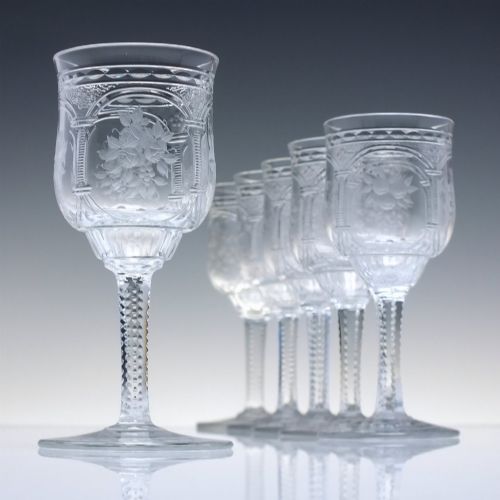
Antique etched crystal brings light and pattern to the table, taking the form of decanters, stemware and bowls made across the Victorian, Edwardian and Art Deco periods.
Antique Etched Crystal
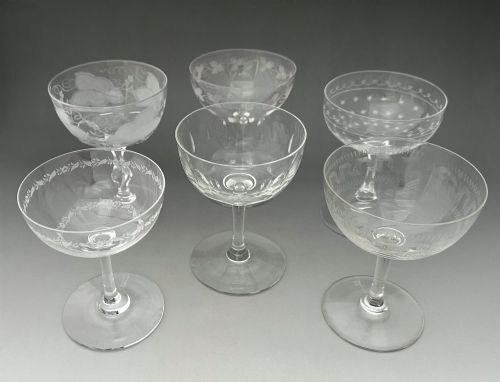
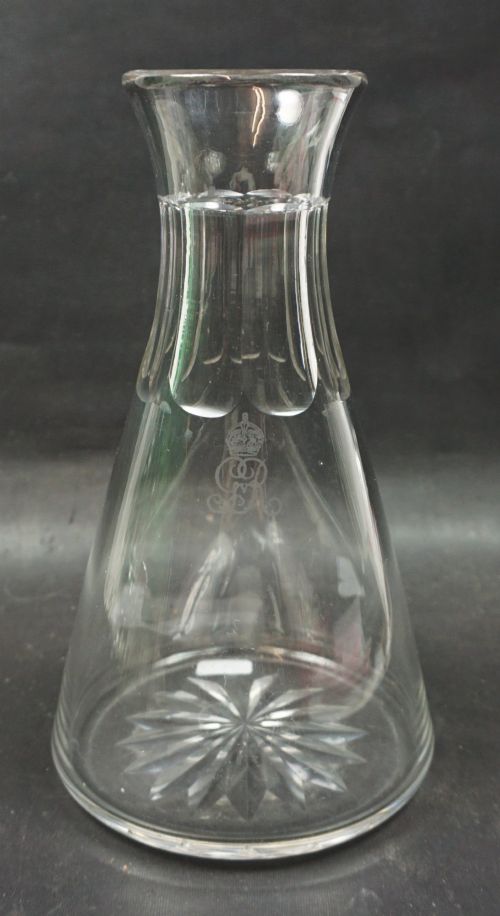
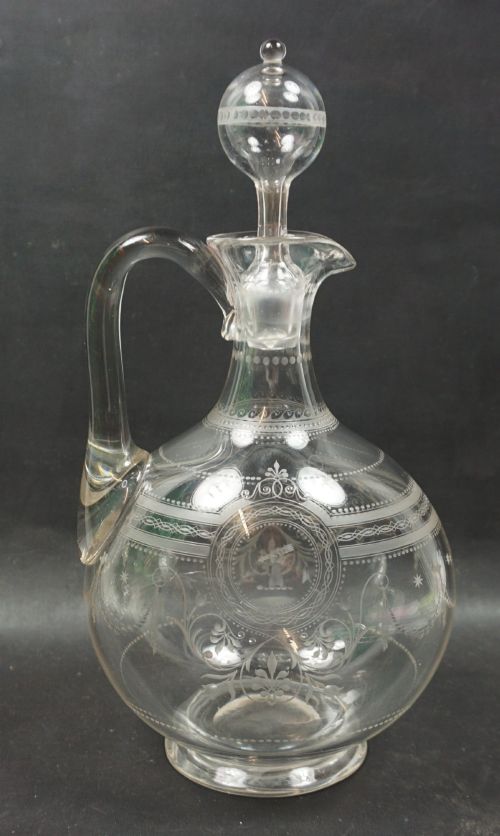
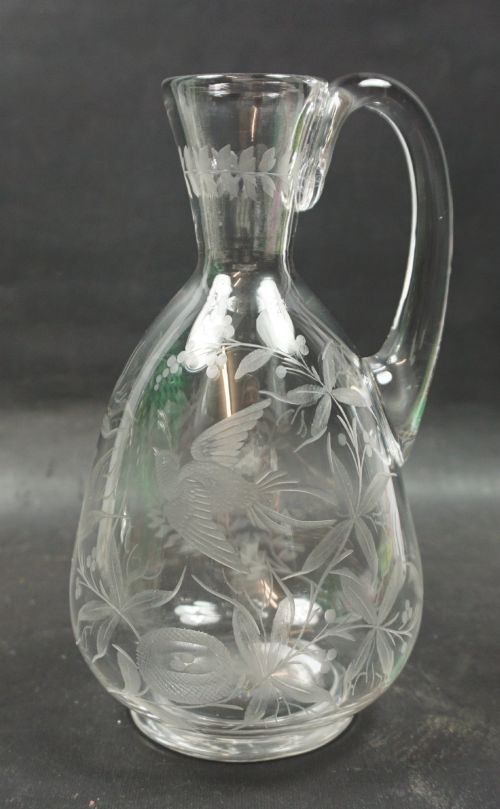
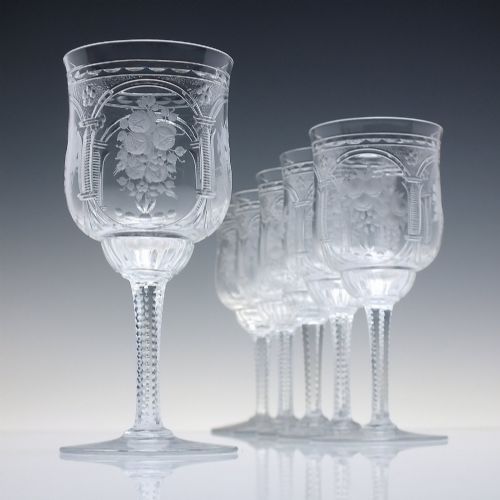
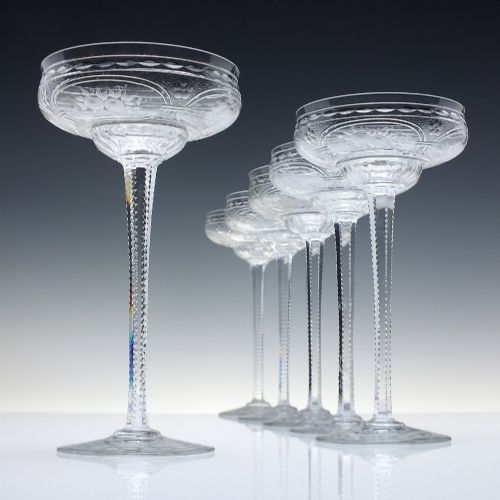
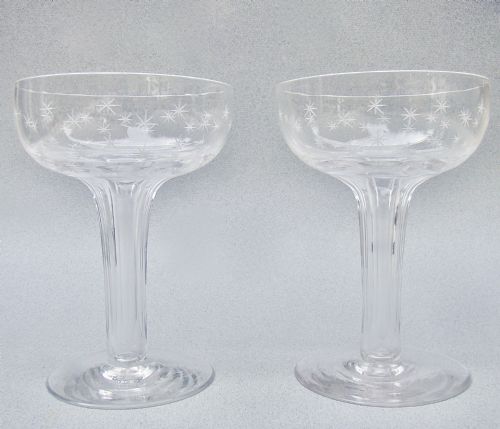
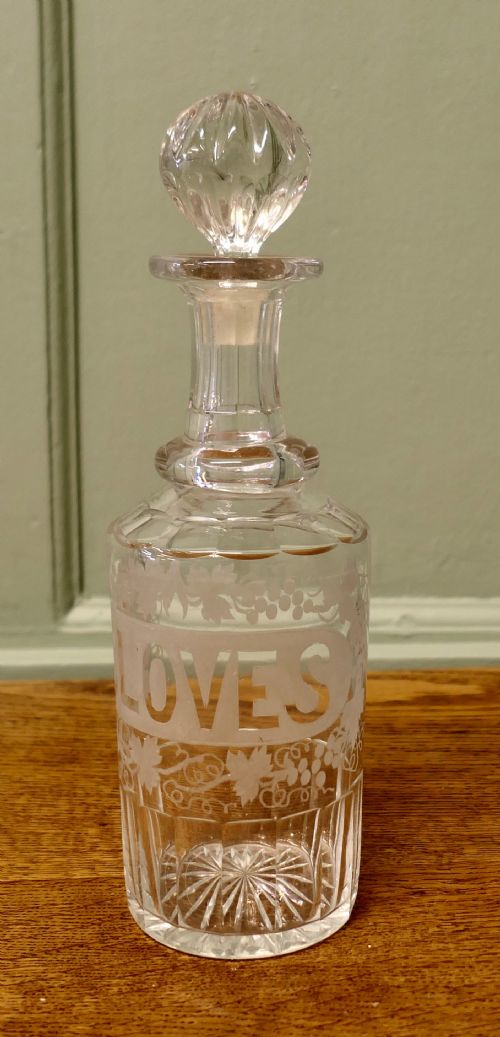
When you search for antique etched crystal, you find glassware shaped for the dining table, sideboard and drawing room. The selection spans drinking vessels like wine glasses, rummers and champagne glasses alongside serving pieces such as decanters, claret jugs and finger bowls.
Victorian examples dominate the field, often combining deep wheel-cutting with delicate floral or star motifs. Later pieces step into the twentieth century with Art Nouveau curves and geometric Art Deco suites.
Origins stretch across Britain, France and Bohemia, bringing together lead crystal, clear glass and coloured overlays in various table forms.
How they were made
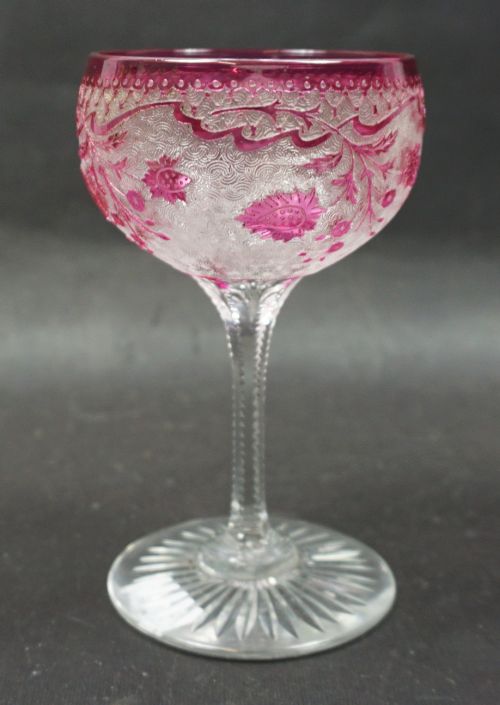
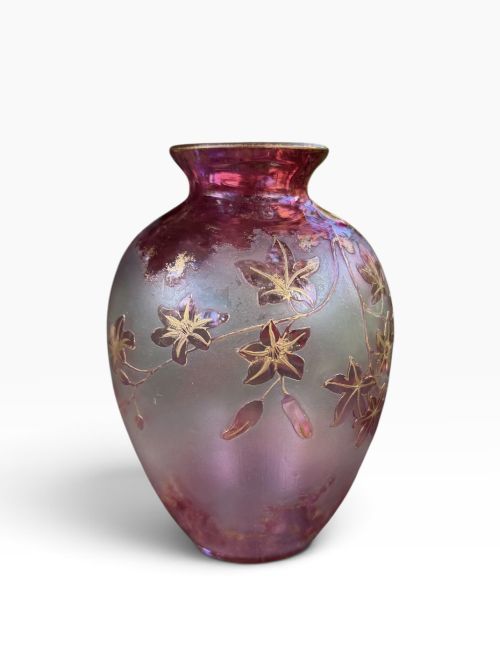
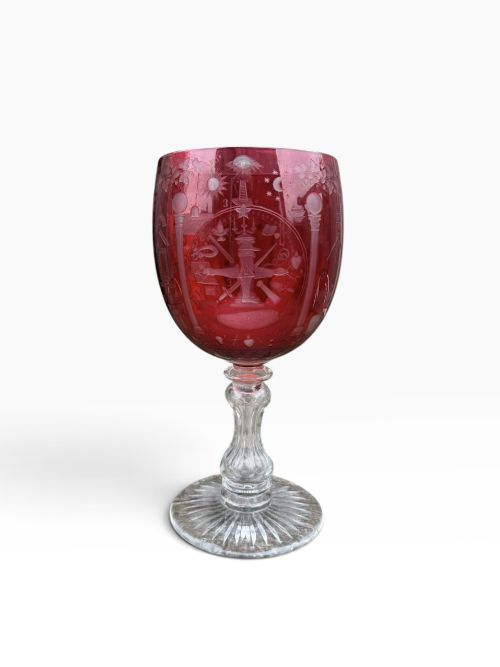
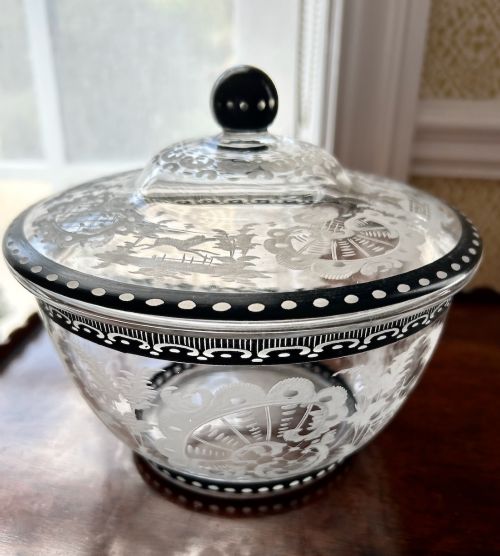
Glassmakers shaped these items using lead crystal and clear glass, sometimes overlaying ruby, blue or cranberry glass to create contrast when cut or etched. Molten material was blown into moulds or free-blown, then finished with applied handles, silver mounts or gilt bronze elements.
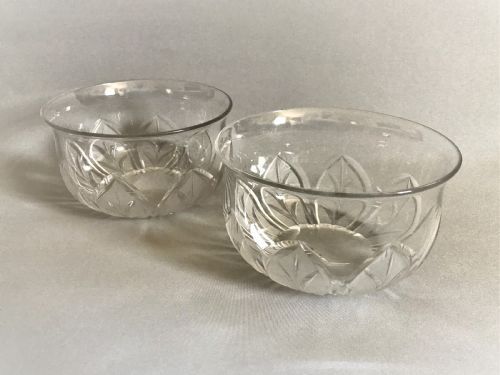
Decoration relied on skilled hand work, employing acid etching to bite patterns into the surface or engraving wheels to carve intricate floral scrolls, crests and geometric lines. Cut facets added weight and brilliance to the body and base of each piece.
Antique Etched Crystal Retail Price Guide 2026
Typical asking prices for etched crystal among the pieces listed under this phrase on Sellingantiques today, from the lower quarter to the upper quarter. They describe what is for sale here now, not the wider market.
Materials recorded across the pieces include lead crystal, coloured overlay glass, brass and enamel.
What varies in quality
Quality rests on the crispness of the wheel engraving and the depth of the acid-etched design. Superior pieces show precise lines and polished facets that catch the light cleanly.
The choice of material alters the character of the object, with heavy lead crystal offering greater resonance and clarity than standard clear glass. Complete sets and matched suites command more attention than single items.
Baccarat·Asprey and Co Ltd·Maison Baguès·Karl Palda·Stevens and Williams
The Antique Etched Crystal Glossary
- Lead crystal
- Glass containing a proportion of lead oxide, which increases weight, brilliance and the refractive index.
- Acid etching
- A decoration technique where acid eats into exposed areas of glass protected by a resist, producing fine frosted patterns.
- Rummer
- A large, sturdy drinking glass with a short stem and wide bowl, used historically for ale, wine or punch.
- Overlay
- A layer of coloured glass applied over a clear body, cut away to reveal the contrasting layer underneath.
- Finger bowl
- A small bowl filled with water, placed on the table after a meal for rinsing fingers.
Antique Etched Crystal: Frequently Asked Questions
Can I use these glasses daily?
Most sturdy Victorian rummers and stemware tolerate careful regular use during meals.
Delicate Edwardian cordials and thin Art Deco suites suit occasional toasts better.
How do I date antique glassware?
Examine the pontil mark on the base, where the blowing iron was snapped off, and look at the wear patterns underneath.
Style, weight and the specific etching techniques also point to periods like the Victorian era or Art Deco decades.
What is the difference between cut and etched glass?
Cut glass uses rotating wheels to grind deep geometric facets into the thick walls of the vessel.
Etched glass relies on acid or finer engraving tools to scratch or bite shallow surface patterns into the material.