


Antique Equine Ornaments
Antique equine ornaments capture the power and movement of horses through centuries of metalwork, pottery and sculpture.
Antique Equine Ornaments
Antique equine ornaments encompass a diverse array of sculptures, figurines and functional objects depicting horses. Collectors seek these pieces for their sculptural fidelity and the skill required to render the animal form across different eras.
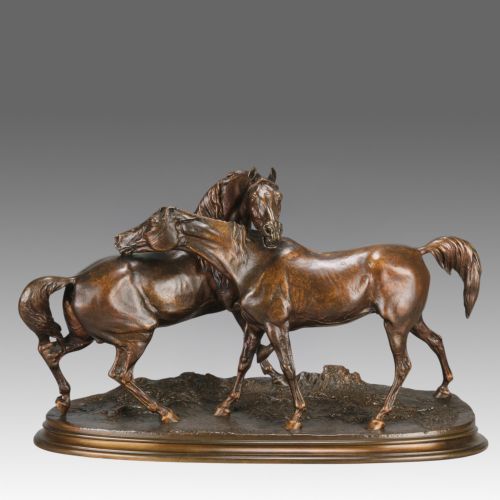
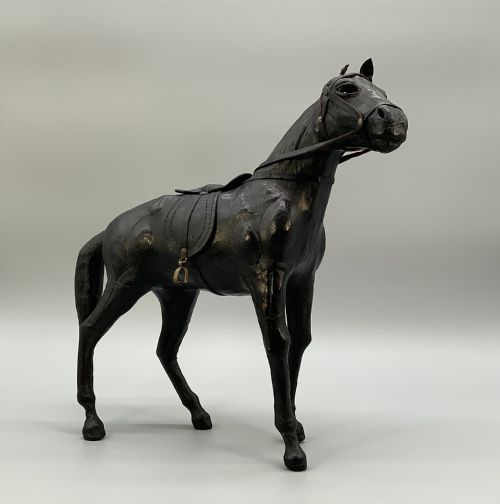
The selection on this page ranges from utilitarian doorstops and hitching posts to fine art bronzes and pottery figures. Visitors will frequently encounter nineteenth-century animalier bronzes alongside early twentieth-century interpretations.
Origins span European workshops, British foundries and Asian traditions, including pieces styled after earlier dynasties. Each object reflects the prevailing aesthetic of its period, whether decorative or functional.
What varies in quality
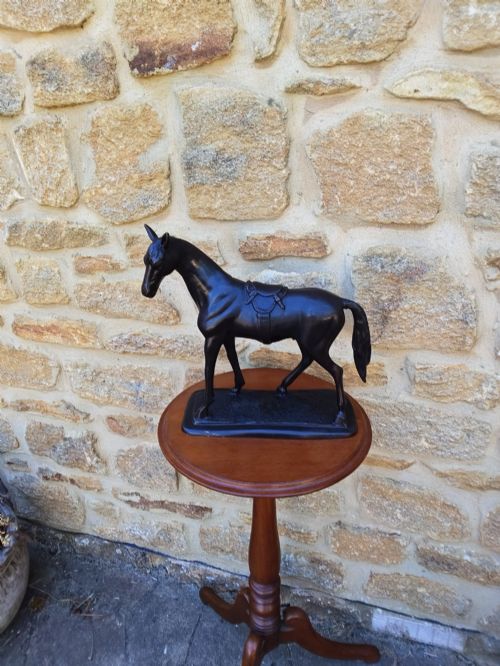
The standard of a casting defines the upper tier of bronze sculptures, where sharp anatomical definition and crisp chasing separate superior works from softer reproductions. The subtlety of the applied patina or cold-painted surface further distinguishes skilled workmanship from standard production.
In ceramic and pottery pieces, the control of the glaze and the preservation of moulded details indicate the maker's proficiency. Weight, balance and the integrity of the base material also mark the distinction between decorative objects and finer artistic commissions.
Current listings feature materials ranging from cast bronze and terracotta to mineral pigments and marble.
P J Mêne·Pierre Jules
The Antique Equine Ornaments Glossary
- Animalier
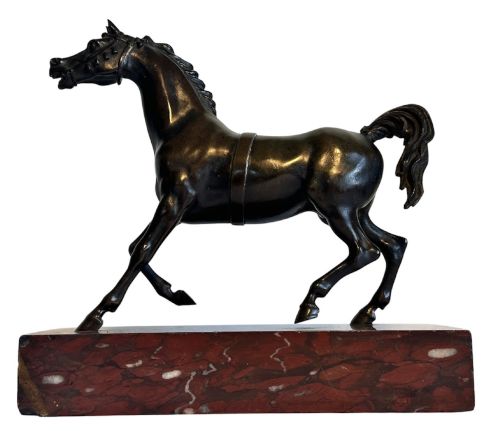
- A nineteenth-century artistic movement focusing on the realistic depiction of animals, particularly horses and lions, in sculpture. Practitioners captured dynamic movement and anatomical precision.
- Cold painted bronze
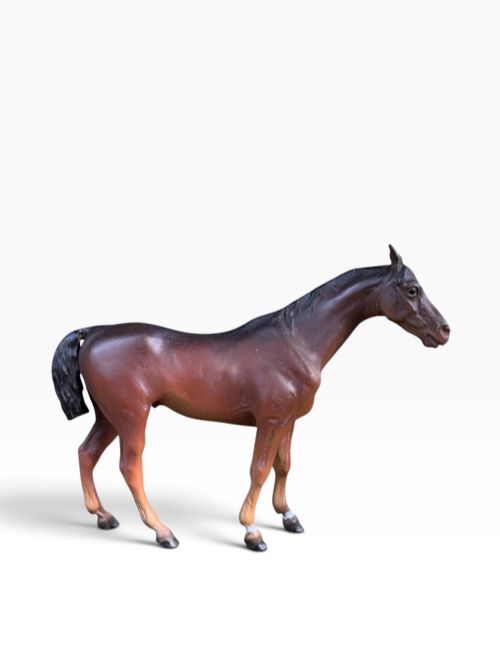
- A technique where bronze figures are painted with oil-based paints that are not subjected to kiln firing. This method allows for vibrant surface detail on small Austrian bronzes.
- Sancai
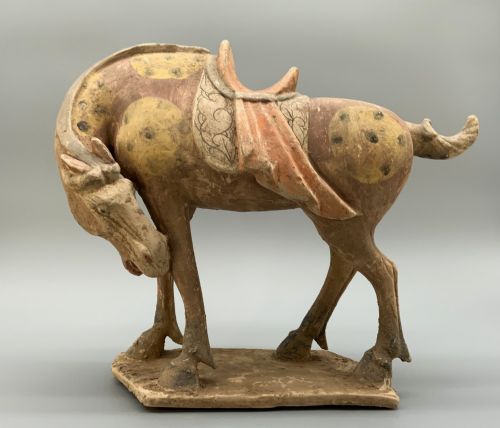
- A traditional Chinese three-colour glaze used extensively on pottery during the Tang dynasty. The palette typically includes amber, green and cream tones.
- Doorstop
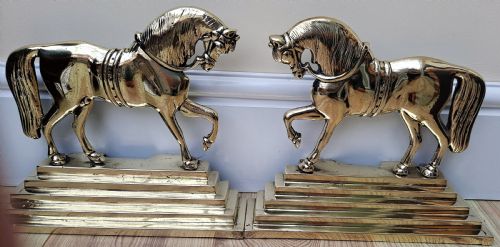
- A heavy utilitarian object designed to keep doors open, frequently cast in brass or iron as figurative animals. These functional items doubled as decorative interior ornaments.
- Patina
- The surface coloration and sheen acquired by metal through age or chemical treatment. A well-maintained patina enhances the depth of a bronze sculpture.
Antique Equine Ornaments: Frequently Asked Questions
Are these horse ornaments solid bronze?
Many sculptures are cast in solid bronze, while others are hollow-cast to reduce weight and material costs. Heavier utilitarian items such as doorstops are typically made of solid brass or cast iron.
Checking the underside or base often reveals the casting method and the thickness of the metal used. Weight alone does not determine whether a piece is solid bronze.
What is an animalier bronze?
Animalier refers to nineteenth-century sculptures that depict animals with strict anatomical accuracy and lifelike energy. Artists studied subjects in motion, resulting in dramatic and naturalistic representations.
These pieces were produced primarily in France and Austria, becoming popular ornaments for domestic interiors. Signatures on the base often indicate the specific sculptor.
How can I date a brass horse doorstop?
Victorian and Edwardian doorstops exhibit sand-cast construction marks, heavier weight and wear appropriate to their age. Surface patination and the style of the mounting hardware provide additional clues to the decade of manufacture.
Later reproductions often lack the crispness of detail and the specific weight distribution found in nineteenth-century originals.