



Antique Equine Decor
Antique equine decor brings centuries of sporting heritage indoors through bronze sculptures, oil paintings, and architectural ironwork.
Antique Equine Decor
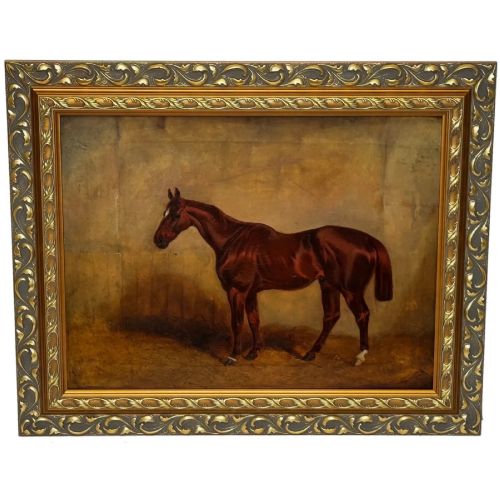
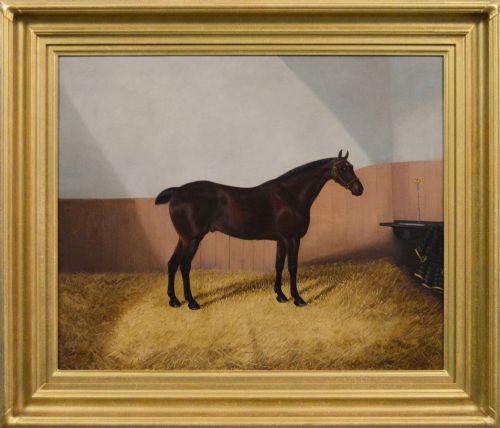
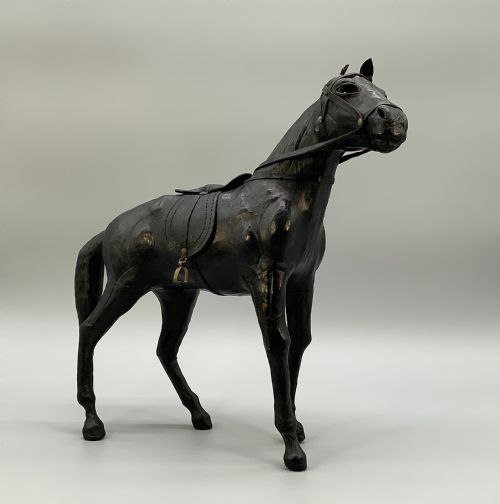
When you search for antique equine decor, you encounter a specialised selection of fine art and metalwork celebrating horses across the Georgian, Victorian, and Edwardian eras. These pieces capture the animal form through detailed oil paintings of chestnut hunters and bay horses in stables, alongside sculptural works and country house accessories.
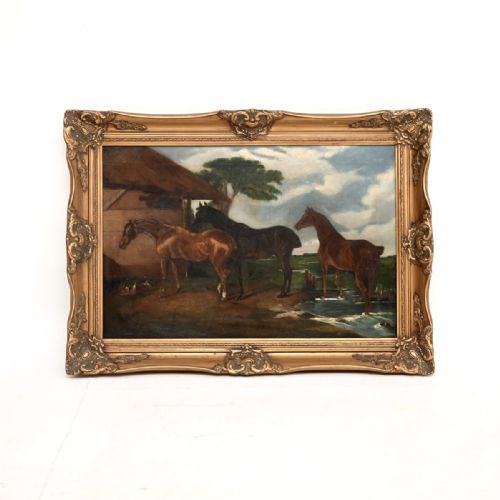
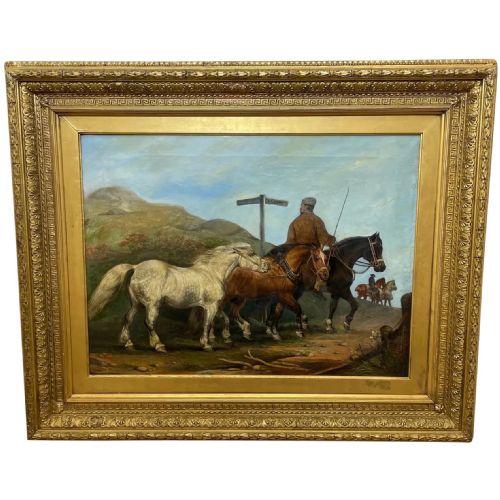
You are most likely to meet Victorian oil paintings depicting named racehorses or journey scenes on canvas and pine panels. Alongside these flat works, the category includes functional items such as cast iron hitching posts and pony hoof inkwells.
The origins span formal academic art by named painters to utilitarian architectural salvage. Each object records the deep cultural attachment to the horse in British life through different materials and domestic contexts.
Materials and methods
Makers utilised oil paint applied to canvas or pine panels to render realistic textures in coats and mannes. These paintings rely on layered pigments to achieve depth in stable interiors and landscape backgrounds.
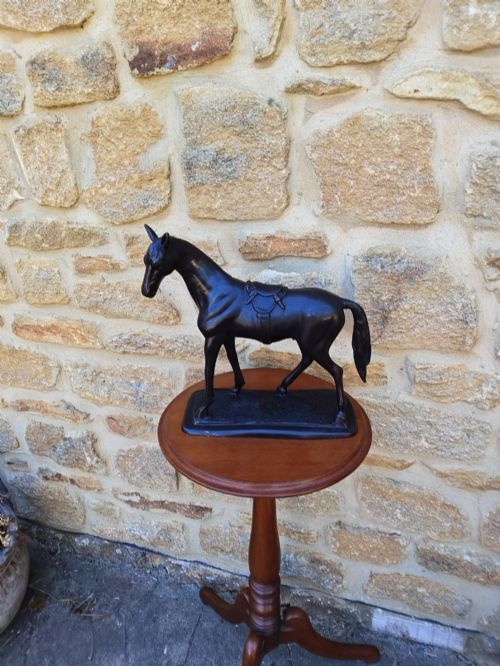
Metal objects demonstrate casting techniques in bronze and iron. Sculptures and architectural elements like hitching posts utilise molten metal poured into moulds, capturing muscular detail and surface realism.
Antique Equine Decor Retail Price Guide 2026
Typical asking prices for equine decor among the pieces listed under this phrase on Sellingantiques today, from the lower quarter to the upper quarter. They describe what is for sale here now, not the wider market.
One bronze fragment preserves only the nostril of a larger horse statue.
Assessing quality and execution
Anatomical precision and the handling of light separate superior works from simpler decorative items. In paintings, the correct depiction of equine bone structure, musculature, and expression marks the skill of the hand behind the brush.
In metalwork, the crispness of the casting defines the standard. Finer bronzes and cast iron pieces retain sharp details in the hair, harness, and surface anatomy without obscuring lines in the finishing stage.
Charles Bilger Spalding·Albert Clark·William Williams·Edward Lloyd·Benjamin Cam Norton
The Antique Equine Decor Glossary
- Animalier
- A nineteenth-century artistic movement focusing on the realistic portrayal of animals. Sculptors in this style studied living subjects closely to render natural movement and anatomy.
- Chestnut
- A horse coat colour ranging from red-gold to dark liver-brown. This specific hue appears frequently in nineteenth-century sporting portraiture.
- Pine Panel
- A rigid wooden support used by painters instead of canvas. Wood panels provided a stable ground for detailed oil pigments during the eighteenth century.
- Cast Iron
- A strong, hard alloy poured into moulds to create durable utilitarian objects. It was utilised for architectural fixtures and heavy garden items.
- Bay
- A horse coat colour characterised by a reddish-brown body with black points on the mane, tail, and lower legs. It remains a dominant subject in equine portraiture.
Antique Equine Decor: Frequently Asked Questions
What subjects are common in these paintings?
Canvases frequently depict named racehorses, hunters in stables, and coaching scenes on open roads. Artists recorded specific animals for owners who wished to document prized stock.
These works often include detailed stable accessories, grooms, or pastoral landscapes surrounding the central animal figure.
How were cast iron horse items used?
Cast iron pieces such as hitching posts served a practical function outside country houses and stables. They provided a sturdy anchor point for securing riding horses by their reins.
Over time, these utilitarian architectural fixtures transitioned into decorative elements within domestic spaces and gardens.
How do I identify a Victorian horse painting?
Victorian works often display specific narrative titles, named subjects, and distinct clothing or architectural cues from the nineteenth century. Pigment layering and canvas preparation methods align with this period.
Signatures, framing styles, and stretcher construction provide further physical evidence for dating the canvas accurately.
What is a hoof inkwell?
A hoof inkwell is a nineteenth-century desk accessory fashioned from a real pony hoof mounted with metal lids and collars. These items combined taxidermy elements with functional deskware.
Owners placed them in studies and libraries as a tribute to favoured riding animals or hunting companions.