





Antique Entryway Storage
Antique entryway storage brings together hall benches, cupboards and umbrella stands from the Georgian, Victorian and Edwardian periods.
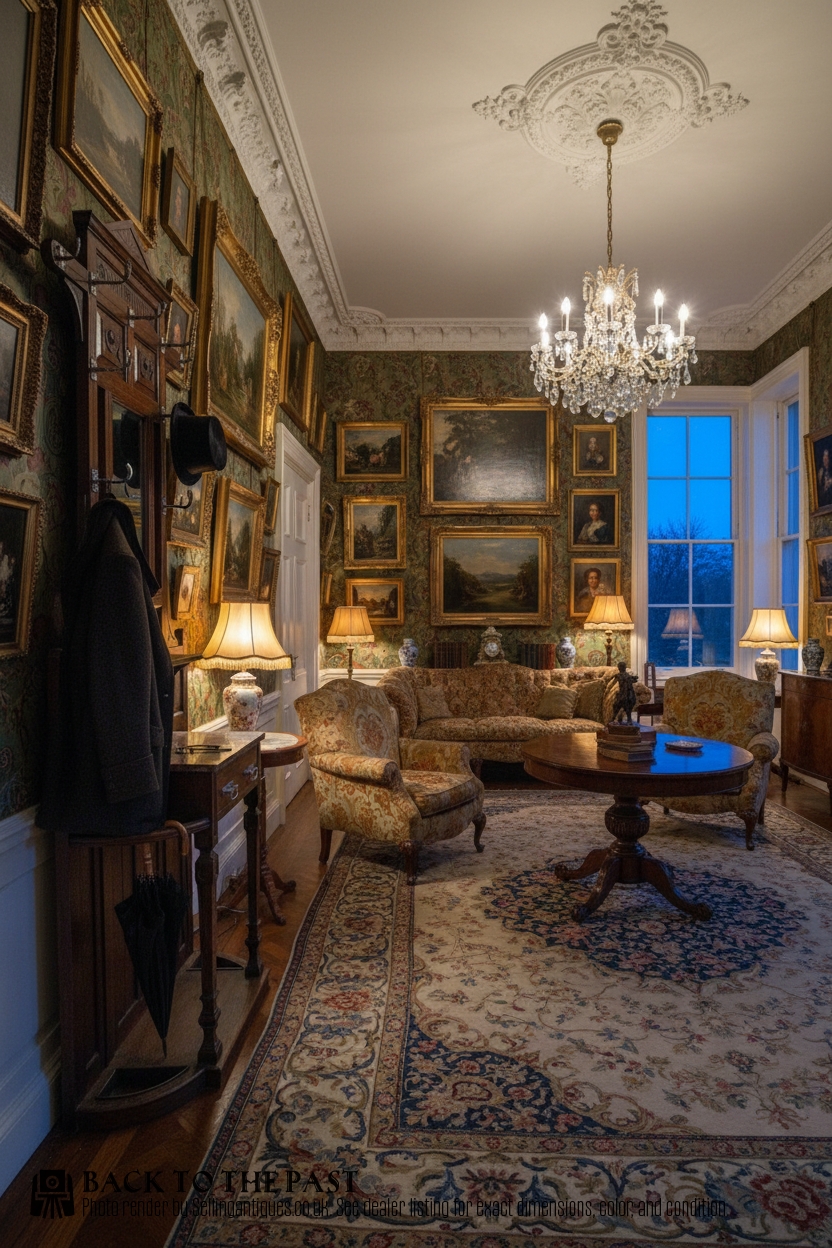
Antique Entryway Storage
When you search for antique entryway storage, you look at pieces designed to organise hats, coats, boots and sticks near a front door.
The pieces appearing on this page span the Georgian, Victorian and Edwardian periods, stretching from the seventeenth century through to the early twentieth century.
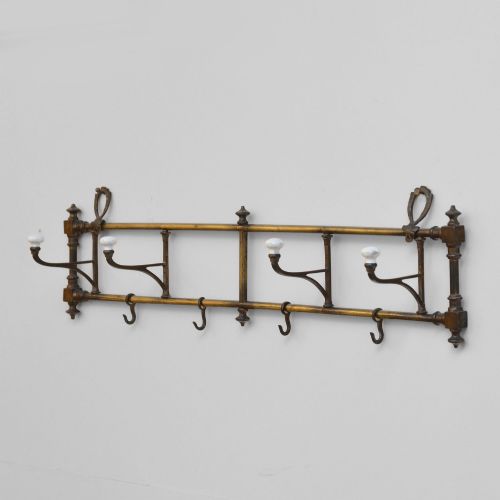
You will most commonly meet oak and pine box settles, hall stands fitted with brass or cast iron hooks, and umbrella stands in metal, bentwood or ceramic.
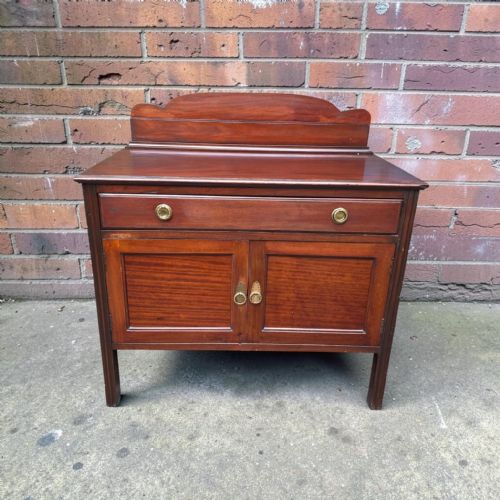
Formations range from compact hall seats with lift-up storage to large cupboards, wardrobes and multi-functional hall seat stands.
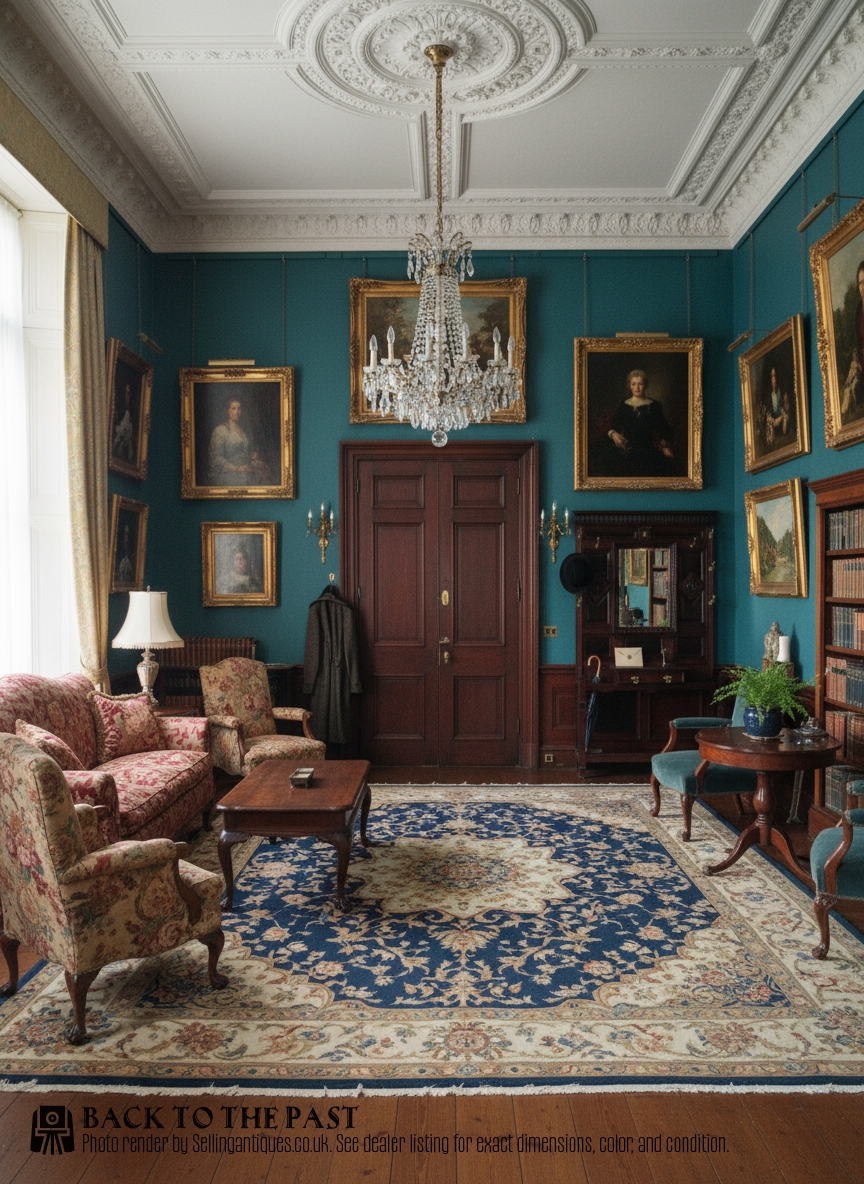
Materials and construction methods
Makers relied heavily on solid oak and pine, alongside walnut, mahogany, brass, cast iron, steel and bentwood for structural durability.
Joinery techniques include carved panels, marquetry inlay, waxed finishes and original painted surfaces, reflecting styles from Jacobean Revival to Arts and Crafts and Gothic Revival.
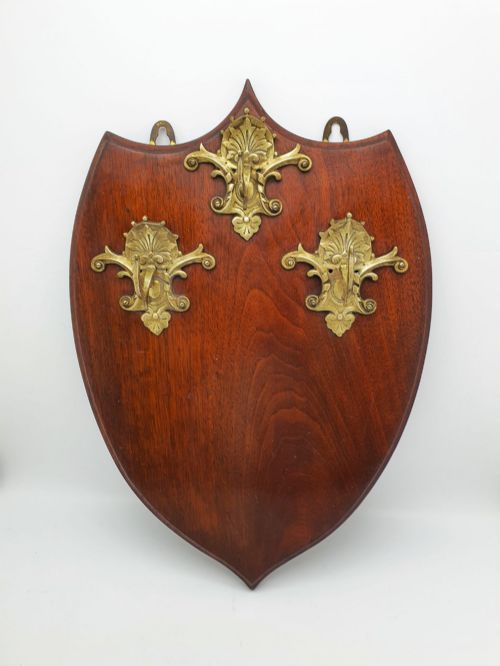
Functional hardware such as brass hooks, steel drip trays and mirrored panels were integrated directly into hall stands and umbrella holders.
Antique Entryway Storage Retail Price Guide 2026
Typical asking prices for entryway storage among the pieces listed under this phrase on Sellingantiques today, from the lower quarter to the upper quarter. They describe what is for sale here now, not the wider market.
Several hall seats include secret compartments originally intended for hiding muddy boots from strict Victorian housekeepers.
Distinctions in quality and execution
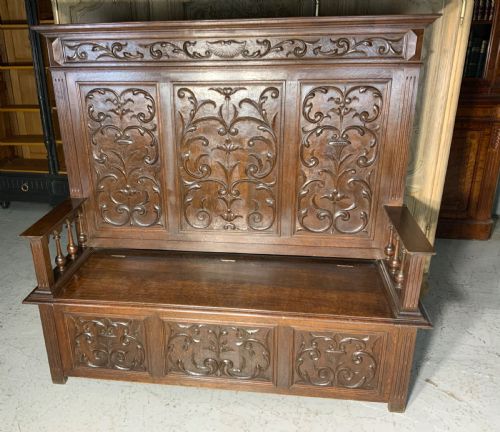
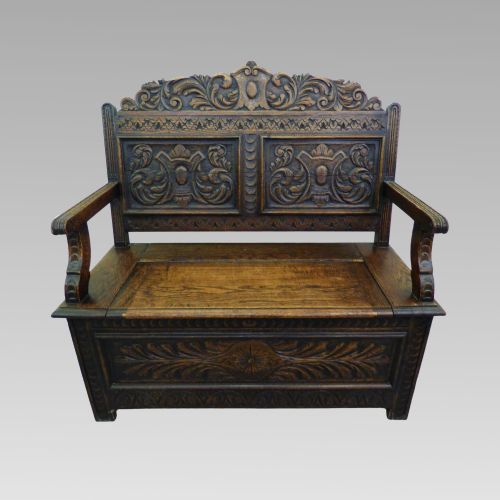
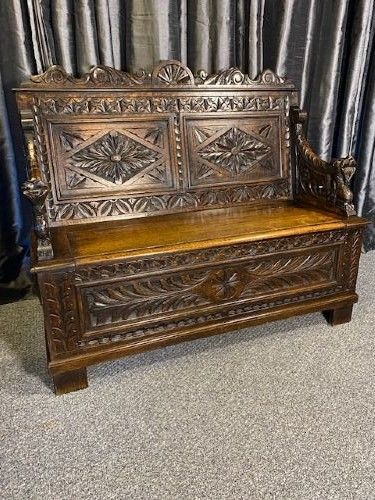
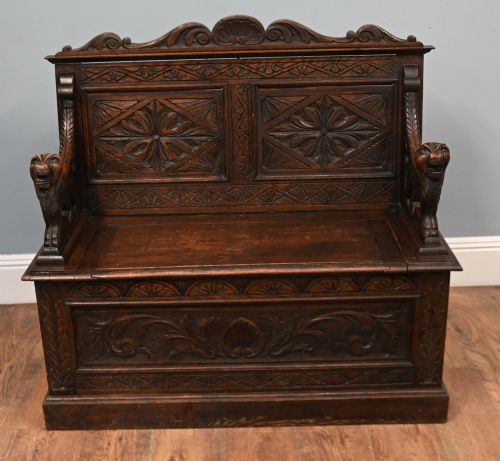
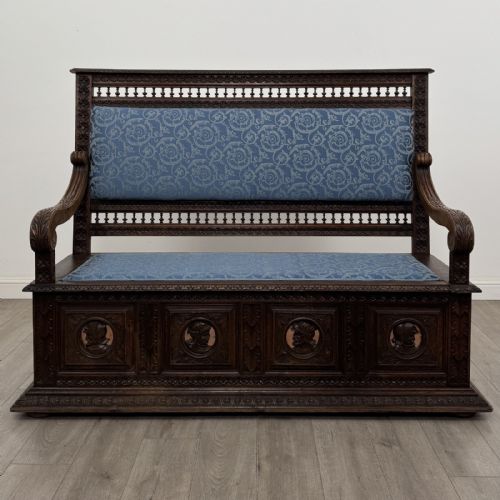
Quality rests on the depth and crispness of hand-carving, particularly on oak box settles featuring Green Man motifs or Renaissance Revival details.
Construction integrity separates standard utility items from superior pieces, evident in the weight of solid timber, original hardware and integrated storage mechanisms.
The presence of maker attribution, distinct regional vernacular forms, and untouched original waxed or painted surfaces elevate a piece above standard workshop production.
Shoolbred & Co·James Shoolbred & Co·Thonet
The Antique Entryway Storage Glossary
- Box settle
- A wooden bench featuring a high back, solid arms and a compartment beneath the seat for storage. These pieces date back centuries and served to keep draughts away from entranceways.
- Monks bench
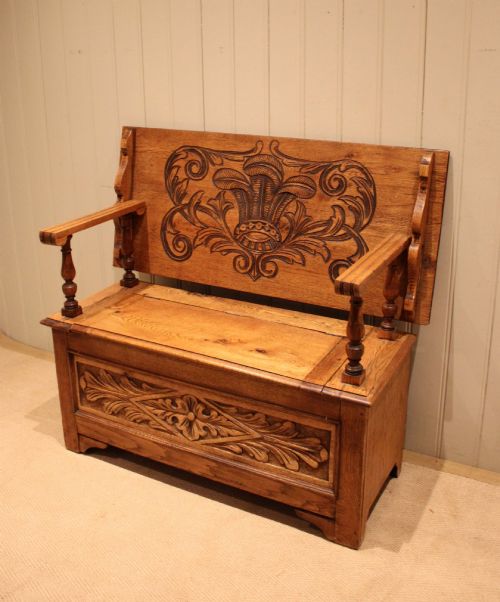
- A convertible piece of furniture that functions as a seat and can transform into a table by pivoting the backrest downward. They appear frequently in solid oak.
- Hall stand
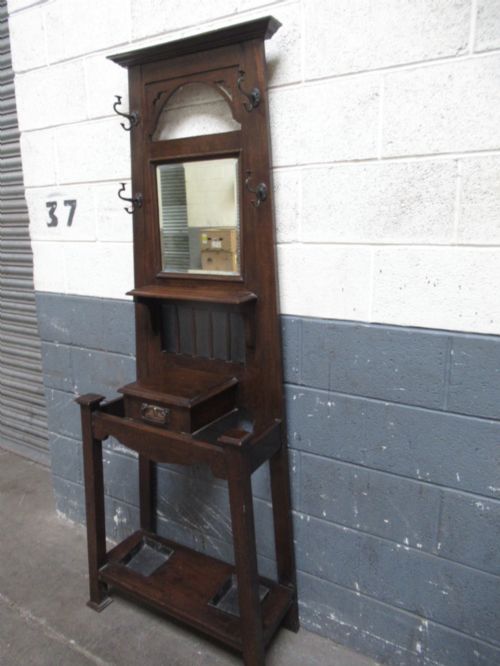
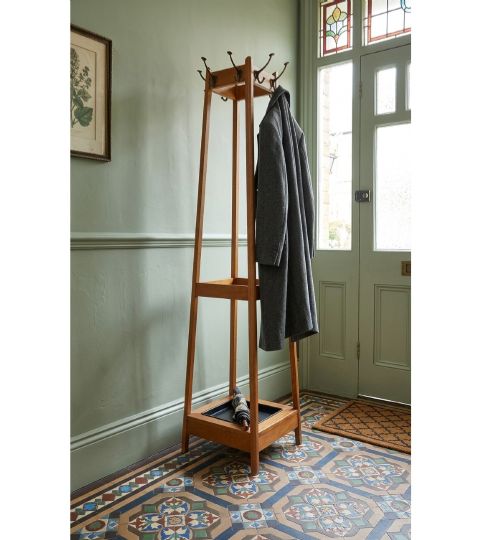
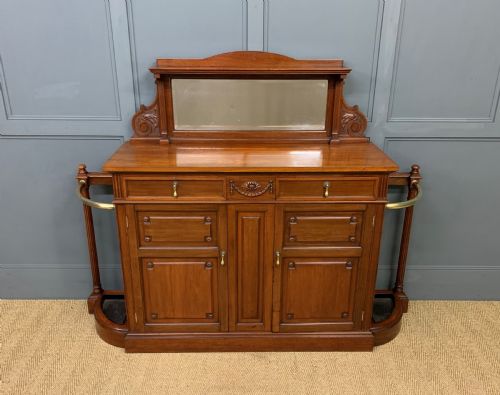
- A tall entryway fixture combining a mirror, coat hooks, a central glove drawer and an umbrella stand base with drip pans. They emerged strongly during the Victorian and Edwardian eras.
- Umbrella stand
- A dedicated holder for walking sticks and umbrellas, constructed from materials such as cast iron, brass, bentwood or faux bamboo. They often feature demi-lune designs to sit flush against a wall.
- Settle
- A wooden wooden bench with solid side panels designed to block cold air in hallways. Georgian and nineteenth-century examples often use pine or oak.
Antique Entryway Storage: Frequently Asked Questions
What is a box settle used for?
A box settle provides seating combined with concealed storage beneath the hinged lid. In older hallways, it kept boots, blankets and winter garments close to the door.
The high wooden back also acted as a barrier against cold draughts blowing in from unheated entrances.
How do I identify a Victorian hall stand?
Victorian hall stands typically combine dark carved oak, a central mirror and metal coat hooks. Many incorporate umbrella wells with removable metal drip trays at the base.
They lean towards revivalist aesthetics such as Gothic or Jacobean styles, prioritising heavy timber and functional utility.
Are umbrella stands waterproof?
Most antique umbrella and stick stands include built-in metal, brass or ceramic pans at the base to catch water. These trays protected wooden floors from dampness.
Buyers should check that the original liner tray remains inside the stand to ensure safe daily use.