

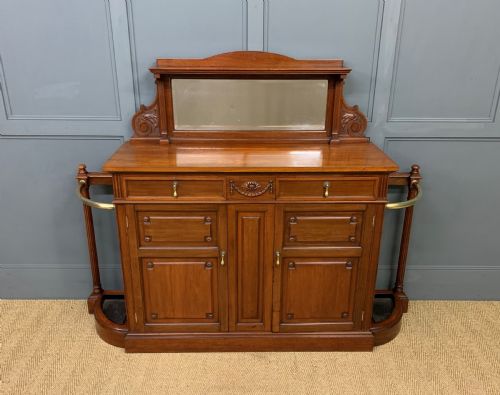
Antique Entryway Stand
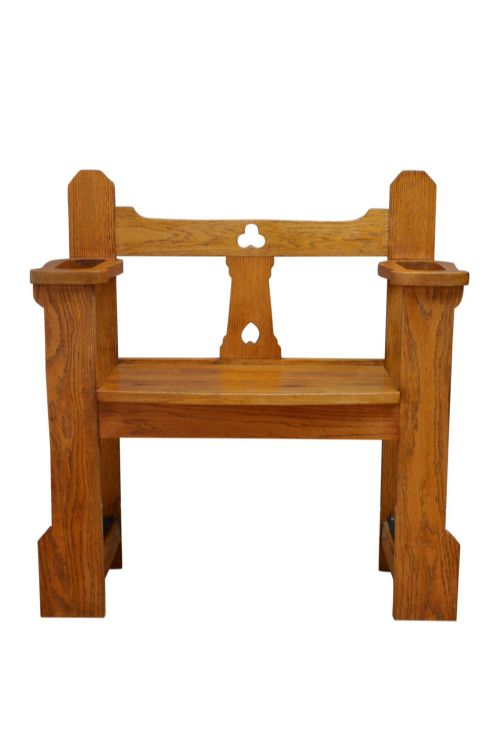
An antique entryway stand welcomes visitors with practical charm, offering a purposeful place for coats, hats and umbrellas.
What an antique entryway stand is
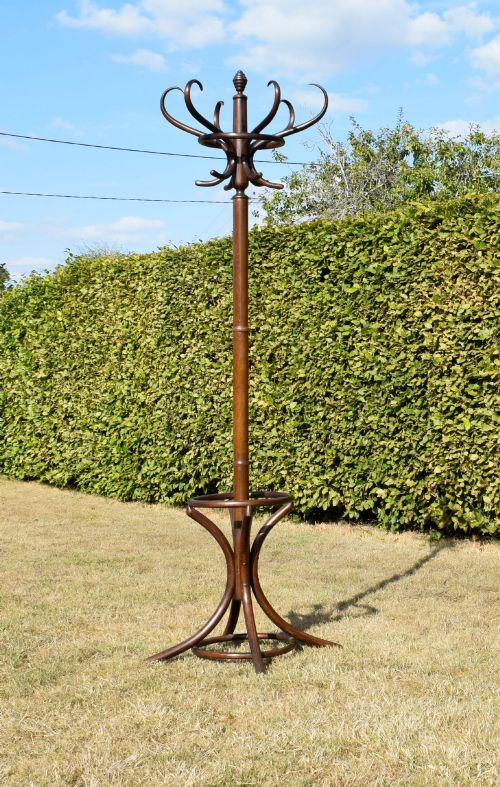
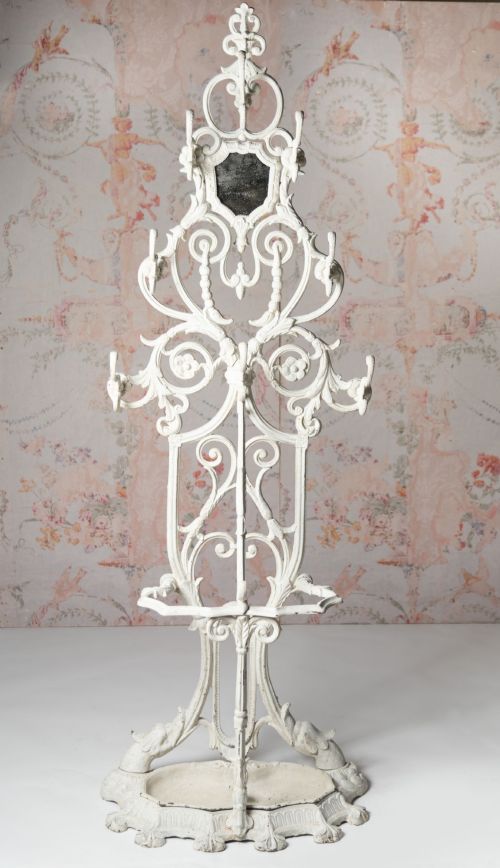
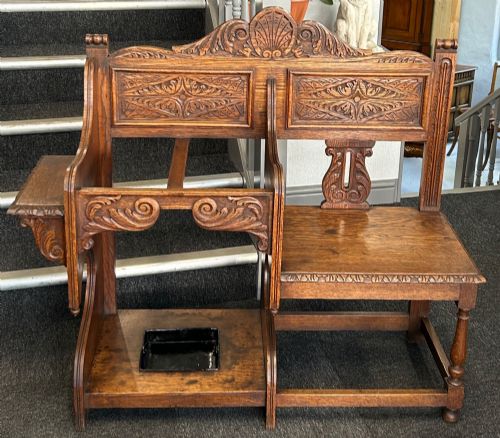
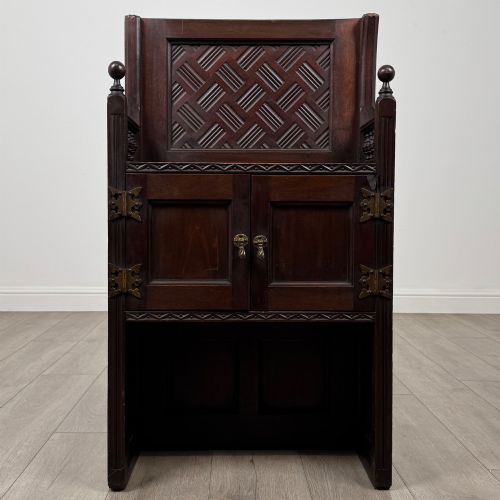
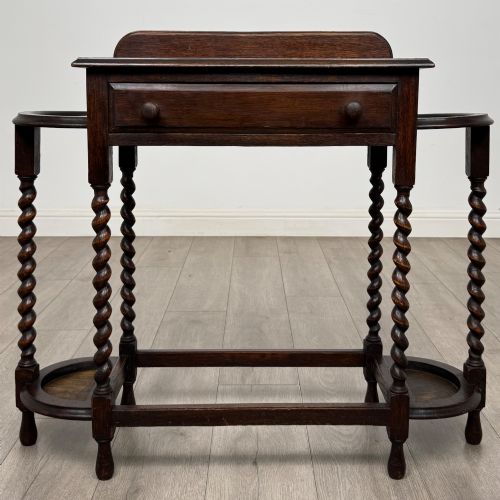
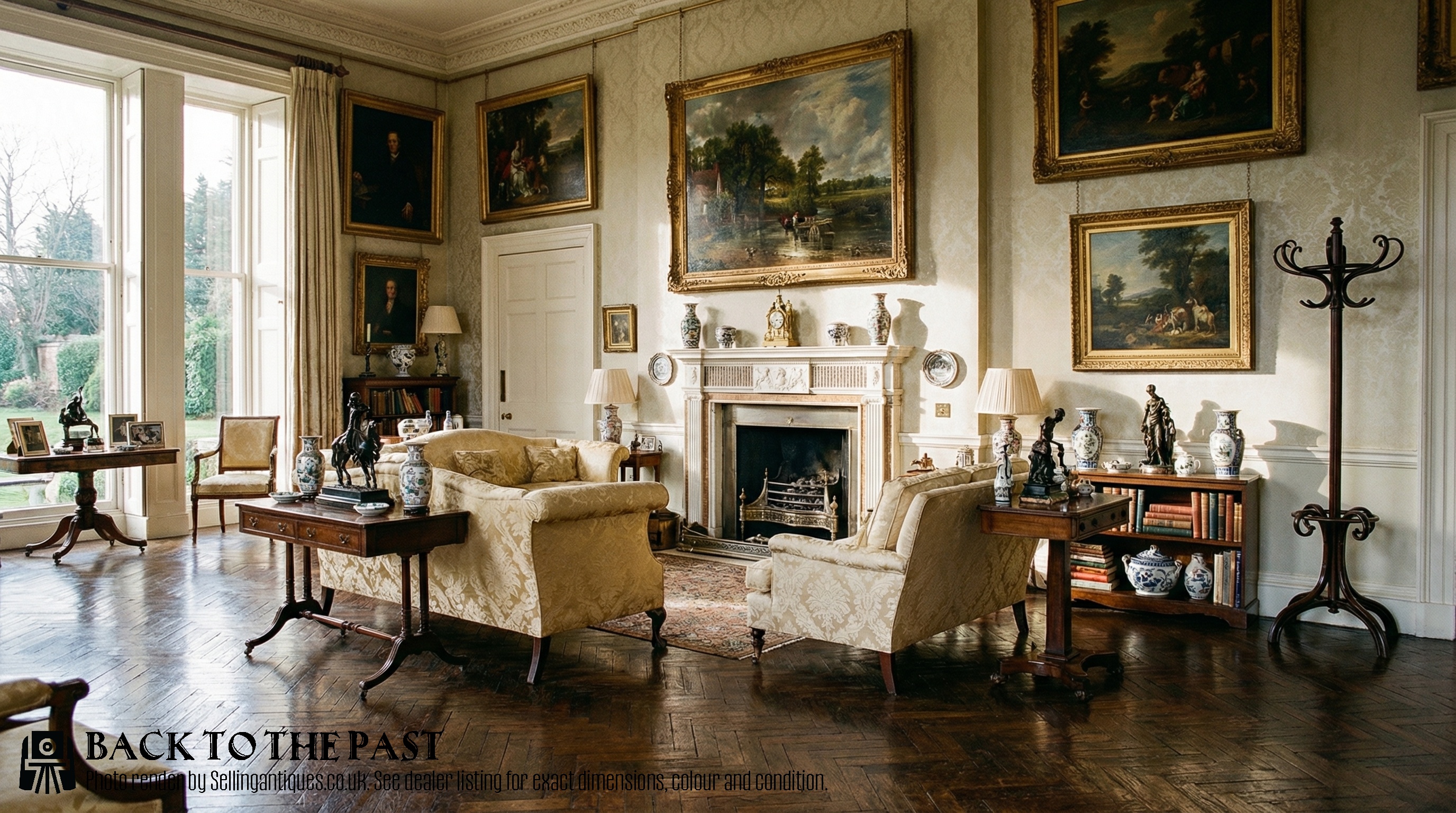
The antique entryway stand gathers coats, hats and umbrellas into one orderly piece of furniture placed near the front door. These furnishings organise the hallway while offering visitors a designated spot for outerwear.
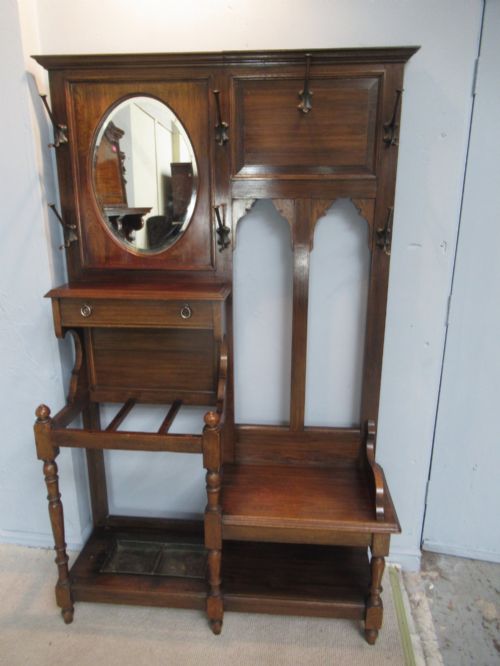
Most examples found here date from the Victorian era and the late nineteenth century. Common forms include hall stands and hallstands designed for daily household use.
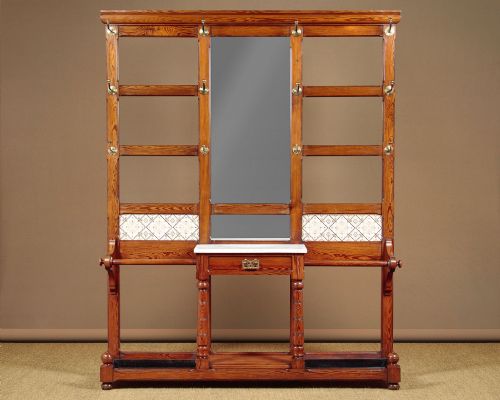
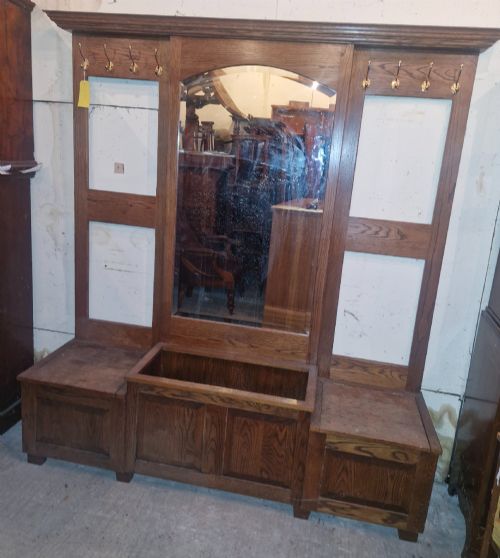
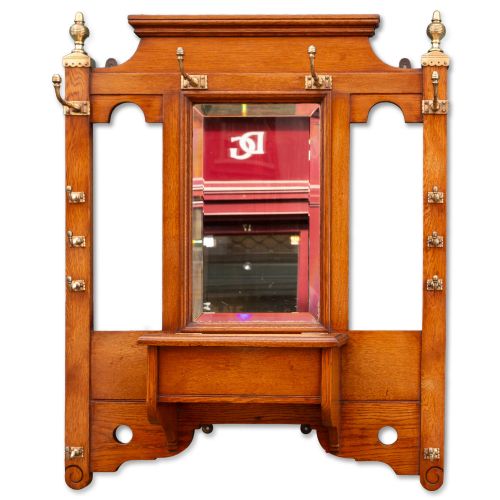
Makers produced these pieces using materials ranging from pine and oak to bentwood and cast iron. Many versions incorporate practical elements such as mirror glass and marble inserts.
How they were made
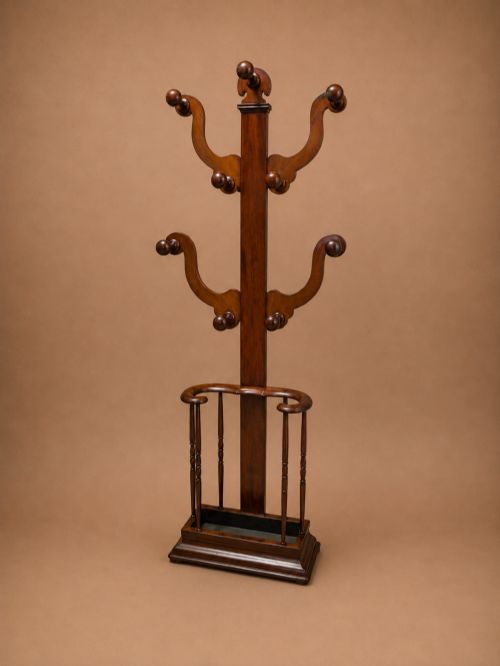
Craftsmen utilised sturdy timbers like pine and oak alongside bentwood techniques to shape the structural frames. These methods provided the necessary strength to support heavy coats and walking sticks.
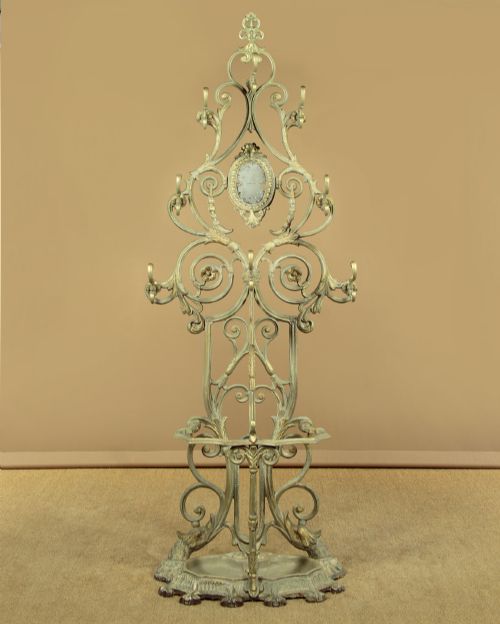
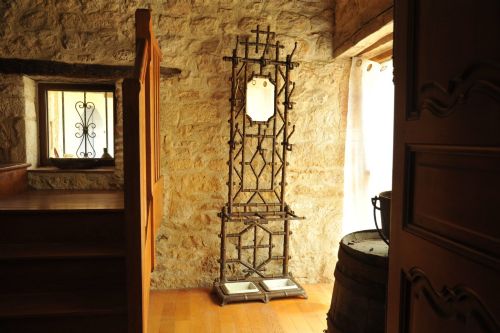
Foundries cast iron components, including drip trays and framework, while workshops fitted brass hooks for hanging garments. Certain designs integrated ceramic elements and mirror glass into the backing.
Marble surfaces appeared on specific models to provide a durable shelf or base. Woodworkers finished the timber components with traditional polishing methods to highlight the natural grain.
Retail Price Guide 2026
Typical UK retail prices for entryway stand, calculated from the Sellingantiques database of over a million retail prices indexed since 2003. This retail price guide relies exclusively on Sellingantiques data; no external sources or auction records are used, so the figures do not describe the wider market.
Materials recorded across the available selection include pine, oak, beech, cast iron, bentwood, brass, marble, ceramic and mirror glass.
What varies in quality
Construction methods determine the structural integrity, where solid timber frames and robust joinery separate superior pieces from simpler utilitarian items. Heavier castings in cast iron elements indicate greater substance.
The integration of decorative materials such as mirror glass, marble and brass hardware dictates the refinement of the piece. Elaborate bentwood manipulation and Foundry markings also elevate the standing of the work.
Falkirk Foundry
The Antique Entryway Stand Glossary
- Hallstand
- A piece of furniture designed for the entrance hall to hold coats, hats and umbrellas. These items often incorporate hooks and a mirror.
- Bentwood
- Wood softened through steaming and then bent into curved shapes. This technique creates lightweight yet robust frames.
- Cast iron
- Iron poured into a mould to create rigid structural components. This material frequently appears in the base or frame of heavy entryway furniture.
- Drip tray
- A shallow metal or ceramic container placed at the base of an umbrella stand to catch rainwater. It protects the floor beneath from moisture.
Frequently Asked Questions
What is an antique entryway stand used for?
These furnishings serve as a central storage point in a hallway for outerwear and walking accessories. They keep coats, hats and umbrellas tidy and accessible near the front door.
Historically, they provided households and visitors with an immediate place to deposit outdoor garments upon entering the home.
How do I place one in a modern home?
An entryway stand fits naturally against a hallway wall where floor space permits vertical storage. It anchors the entrance area while offering functional daily utility.
Ensure there is adequate clearance around the piece for hanging coats and retrieving items from the hooks.
What materials are common on these stands?
Common materials include structural timbers such as pine, oak and beech alongside bentwood frames. Many examples incorporate cast iron, brass hooks and mirror glass.
Certain designs also feature marble surfaces and ceramic components to enhance utility and appearance.
How do I identify a Victorian hall stand?
Victorian examples often display period characteristics like cast iron framing, turned timber spindles and carved woodwork. The presence of nineteenth-century construction methods helps confirm the era.
Foundry marks and specific timber selections further assist in dating the piece accurately.