

Antique Entry Hall Console
An antique entry hall console anchors a threshold with character, offering a surface for letters and keys that grounds the entire room.
Antique Entry Hall Console
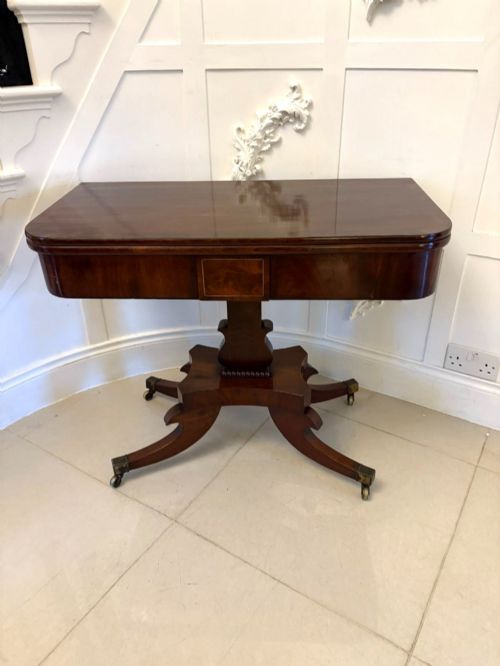
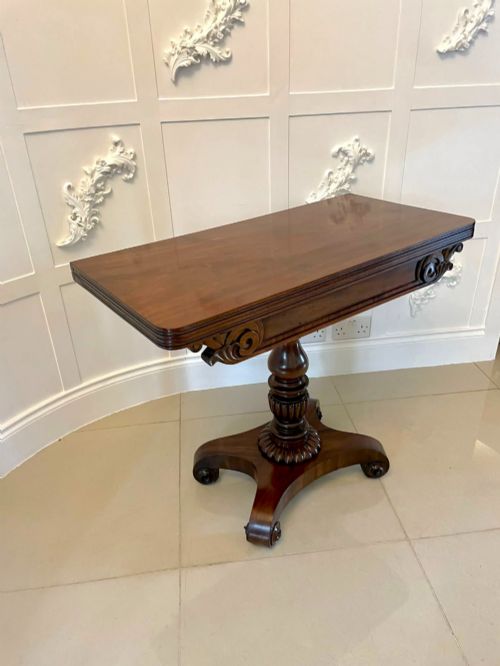
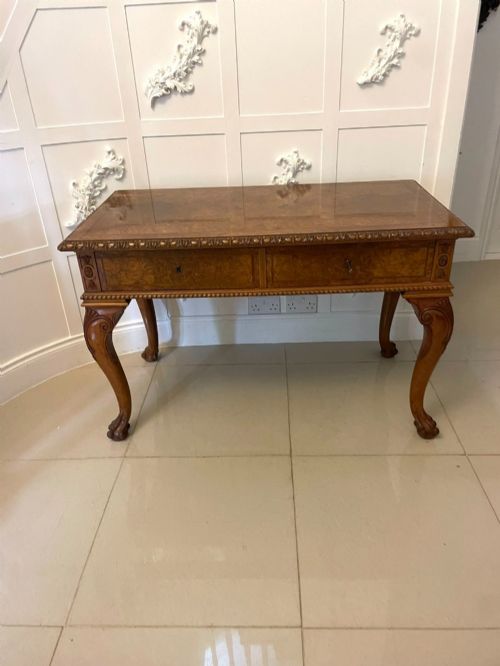
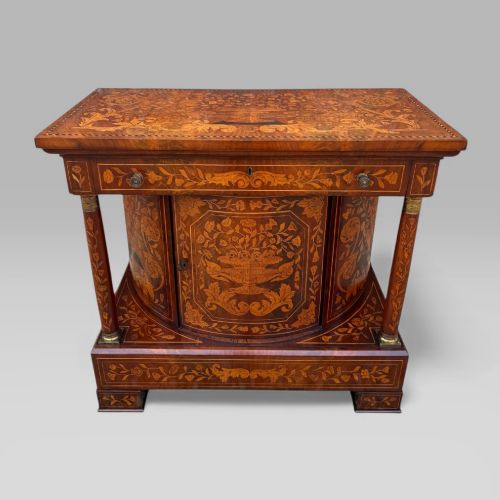
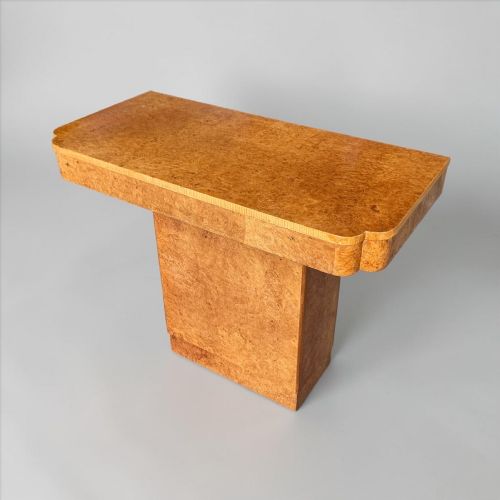
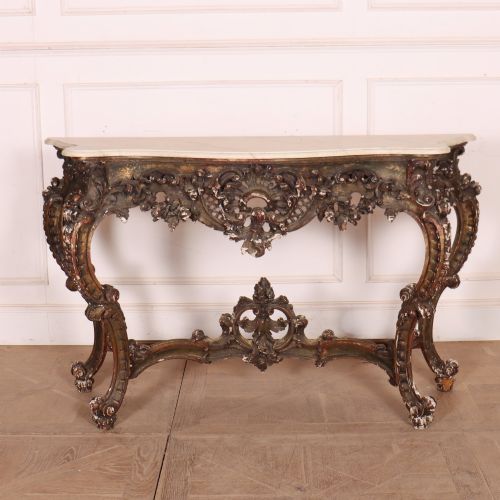
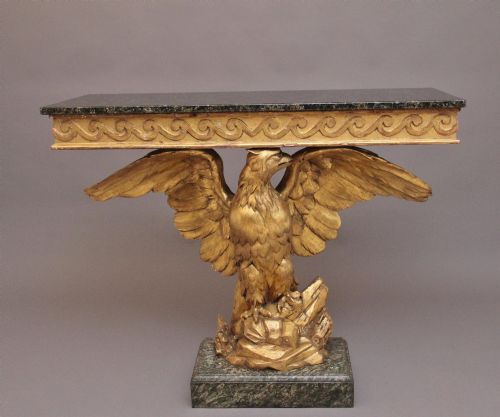
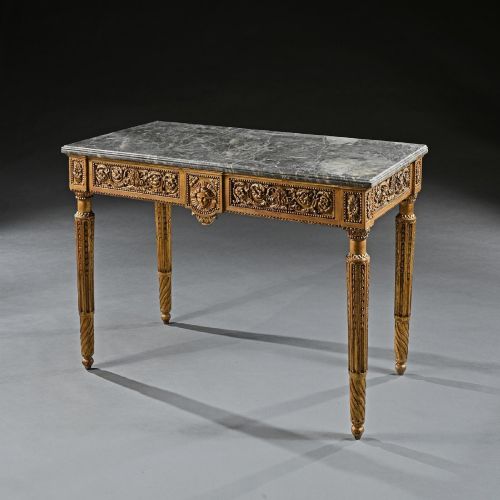
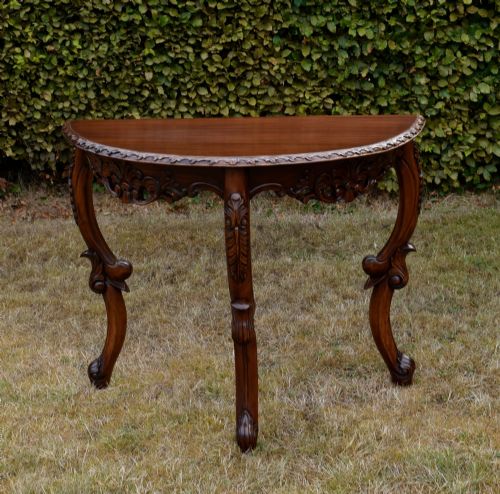
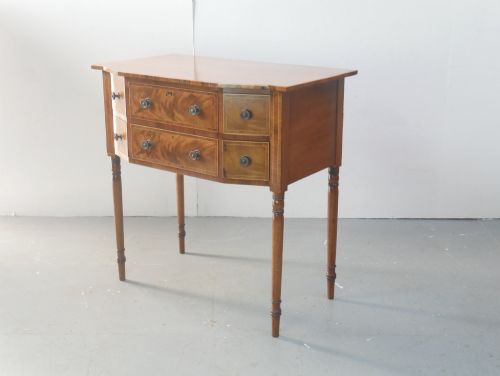
The antique entry hall console encompasses console tables, side tables, tea tables, and hall stands designed to fit narrow spaces against a wall. Examples range from 18th century Italian giltwood and Dutch marquetry pieces to Georgian mahogany, Victorian pitch pine, and 1920s Art Deco burr walnut.
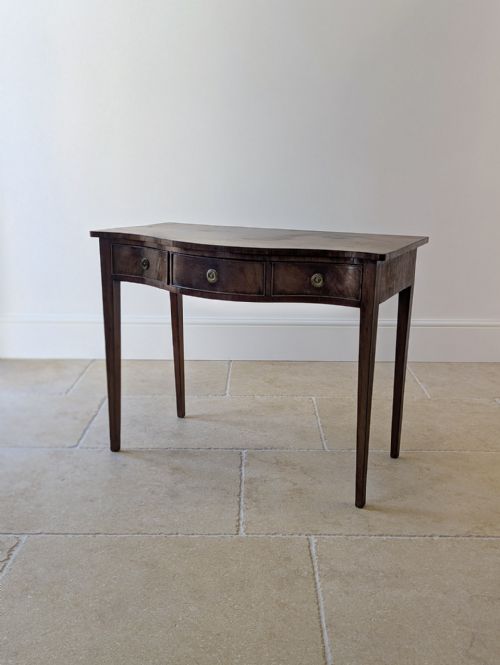
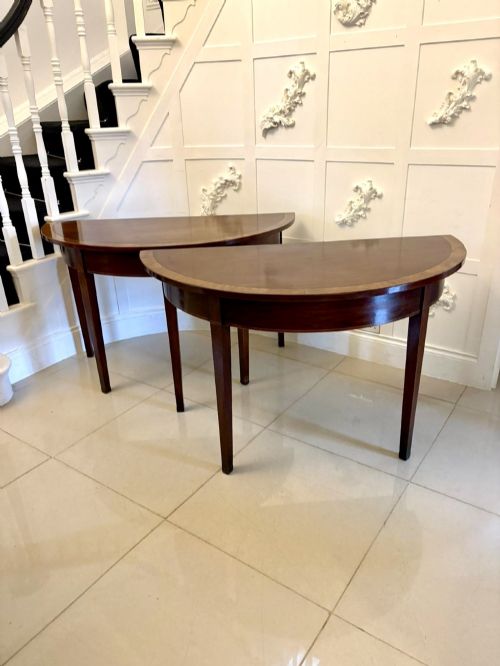
Buyers frequently encounter mahogany and oak forms featuring serpentine fronts, demilune shapes, or wall-fixed designs alongside marble-topped variants.
Origins stretch across British, French, and Italian workshops, reflecting periods from Queen Anne Revival and Regency to Edwardian times.
Materials and Technique
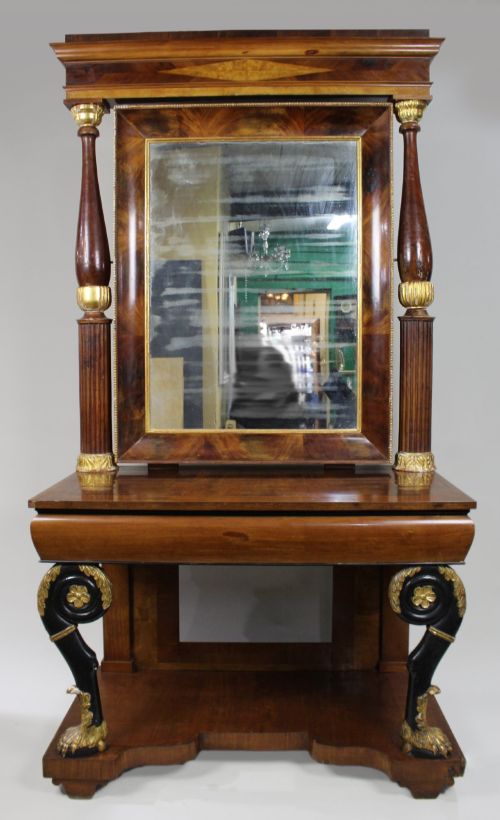
Cabinetmakers utilised dense timbers such as figured mahogany, burr walnut, and oak, often applying intricate marquetry or parcel gilt details to enhance the grain.
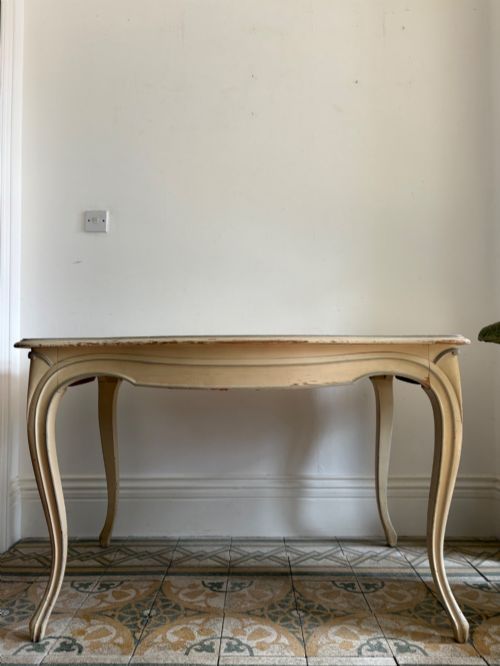
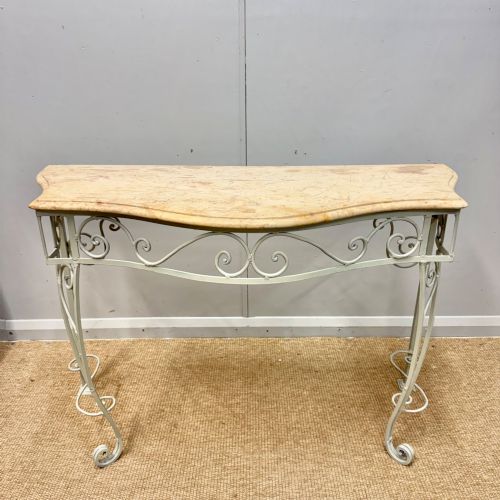
Structural surfaces frequently incorporate inset marble, giltwood, or hand-carved gesso, paired with wrought iron or cream painted finishes depending on the regional style.
Joinery techniques span traditional carcase construction for side cabinets to wall-mounted console brackets designed to support heavy stone tops.
Periods represented include 18th-century Georgian and Italian pieces, Victorian designs, and 1920s Art Deco works.
Distinctions in Execution
Differentiation at the top of the range rests on the depth of hand-carving, the selection of highly figured timber veneers like burr walnut, and the integration of original heavy marble slabs.
Simpler provincial pieces display straightforward oak or pitch pine construction, whereas works attributed to known makers exhibit refined proportions, precise marquetry, and original parcel gilt surfaces.
Felix-Alfred Ternisien·Hille
The Antique Entry Hall Console Glossary
- Console table
- A table designed to stand against a wall, frequently supported by wall brackets or two front legs. These tables traditionally served decorative and functional roles in reception spaces.
- Demilune
- A half-moon shape common in late 18th and 19th-century tables. This profile allows the furniture to sit flush against an entryway wall while saving floor space.
- Giltwood
- Wood that has been coated with gold leaf or a gold-coloured finish. This technique was widely utilised on ornate Italian and French frames and console bases.
- Marquetry
- Inlaid wood veneers forming decorative patterns or pictures. Craftsmen assembled contrasting timbers such as walnut and mahogany to create detailed surface designs.
- Serpentine
- A furniture front or edge shaped with a concave centre flanked by two convex curves. This undulating line adds visual movement to mahogany and walnut side tables.
Antique Entry Hall Console: Frequently Asked Questions
What is an entry hall console?
An entry hall console is a narrow table placed against a wall in a hallway or landing. It provides a practical surface for everyday items while establishing the decorative tone of the interior.
These pieces range from compact Edwardian oak tables to elaborate 18th-century Italian giltwood designs with marble tops.
How do I style a console table?
A console table works best when paired with a complementary wall hanging, such as a pier mirror or a framed artwork. Keeping the surface uncluttered highlights the timber grain or the marble top.
Heavier pieces like oak serving tables anchor a rustic hall, whereas giltwood and painted French versions bring lightness to a narrow corridor.
Are marble top consoles fragile?
Marble tops are durable stone slabs, but they require careful handling during placement and transport. The weight of the stone usually keeps it stable resting on the wooden or wrought iron base.
Routine maintenance involves wiping the surface with a soft, damp cloth and avoiding acidic cleaners that can etch the polish.
How can I tell a Georgian console from a Victorian one?
Georgian pieces often display restrained mahogany veneers, straight or tapering legs, and classic proportions associated with the 18th century. Victorian examples frequently utilise pitch pine, heavier turned supports, or Gothic revival carving.
Examining the underside, drawer linings, and timber patination helps clarify the period of manufacture.