




Antique Entrance Door
An antique entrance door sets the character of a building before anyone steps across the threshold.
Antique Entrance Door
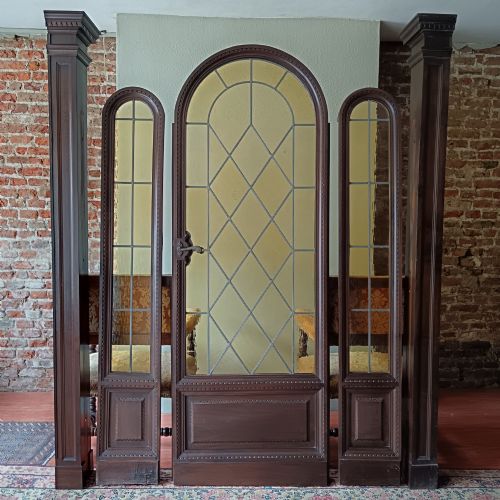
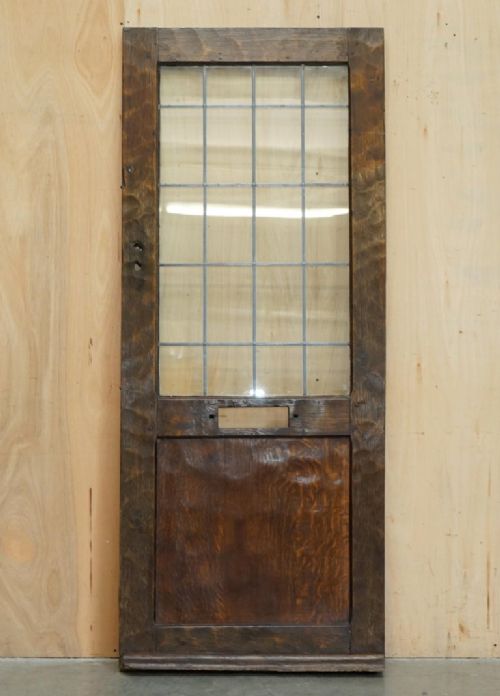
An antique entrance door encompasses substantial timber portals, architectural screens, and the heavy hardware that secures them. When you search for an antique entrance door, you encounter everything from grand double doors of pine and oak to complete vestibule assemblies.
The selection here draws primarily upon nineteenth-century and early twentieth-century examples, spanning Victorian, Georgian, and Arts and Crafts styles. Buyers find architectural salvage that includes chapel portals, french doors, and domestic front entrances.
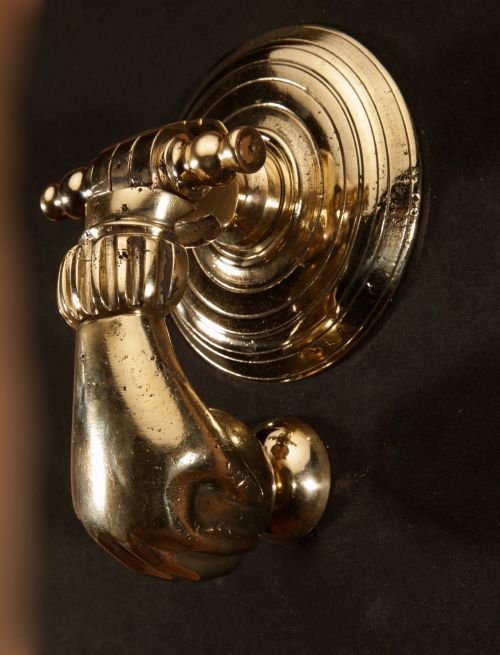
Alongside the structural timber doors, the category embraces essential ironmongery and hardware. Door knockers, handles, boot scrapers, and bell pulls complete the threshold fixtures necessary for period restoration.
Materials and construction
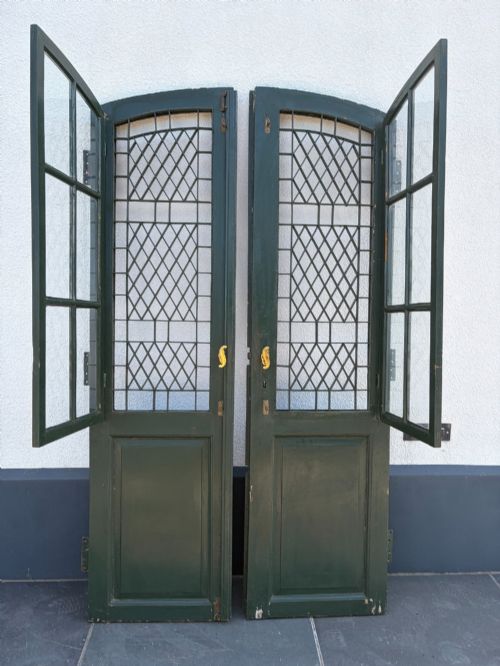
Makers built these structural doors from dense timbers like pine and oak, relying on traditional joinery to withstand decades of exterior exposure. Large doors often incorporate arched tops and heavy plank construction designed for institutional or country house use.
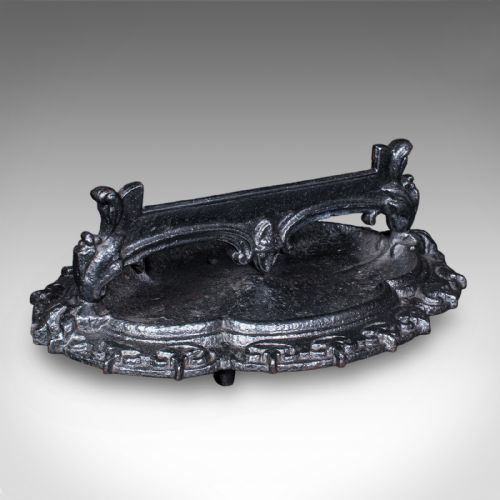
Metal components utilise cast iron, wrought iron, brass, and bronze. Founders shaped the heavy door knockers and handles using traditional casting techniques, while blacksmiths hammered and forged wrought iron braces and boot scrapers by hand.
Materials range from cast iron and wrought iron to pine, oak, glass, and polished bronze.
Judging quality in period hardware and timber
Quality rests in the weight of the metal and the integrity of the timber joinery. Solid cast brass and heavy gauge bronze demonstrate a substantial heft that hollow or later reproductions cannot replicate.
Original surface patination and untouched wrought ironwork distinguish superior examples. Pieces retaining their early fixings, structural bracing, and period glass provide a more authentic representation of their original period.
ROBERT MOUSEMAN THOMPSON
The Antique Entrance Door Glossary
- Boot scraper
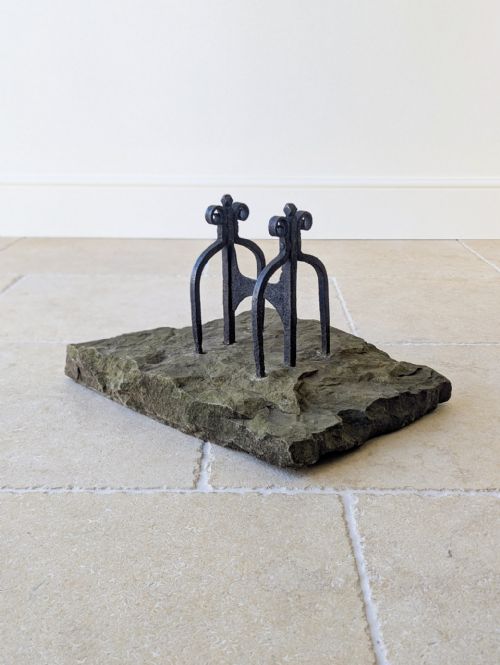
- An iron or steel blade fixed near a doorway for cleaning mud from footwear. These items date predominantly from the Georgian and Victorian eras.
- Vestibule screen
- An internal timber and glass partition creating a draught lobby inside a main entrance. They often incorporate double doors.
- Doctors knocker
- A specific style of door knocker featuring a pivoting vertical bar striking a lower plate. The design originated in the medical profession.
- Architectural salvage
- Building elements rescued from structures slated for demolition. This category includes doors, hardware, and stone boot scrapers.
- Door pull
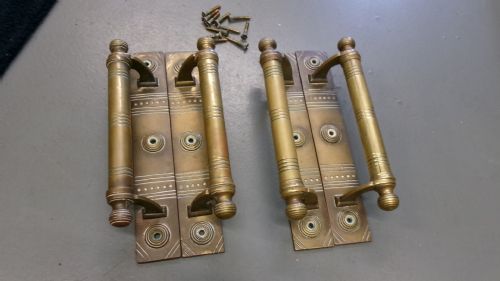
- A handle designed to draw a heavy door open rather than operate a latch mechanism. They appear frequently in bronze and brass on commercial and grand residential portals.
Antique Entrance Door: Frequently Asked Questions
How do I measure for an antique door?
Measure the exact structural opening rather than the old door itself, accounting for any out-of-square masonry typical in older buildings.
Allow tolerance for thresholds and weather seals without compromising the historic proportions of the frame.
Can I use an antique door outside?
Many of these doors stood on external building facades for centuries, constructed from durable timbers like oak and heavy pine.
Applying appropriate exterior finishes protects the wood and historic ironwork from modern weather conditions.
How do I clean antique brass hardware?
Wash brass components gently with warm soapy water and a soft brush to remove surface dirt without destroying the aged patina.
Avoid harsh chemical dips that strip the historical dark oxidation valued by collectors.
How do I date a cast iron boot scraper?
Examine the mounting lugs and the method of casting, as Georgian examples tend to feature hand-finished wrought iron stems alongside stone bases.
Victorian pieces often display more ornate cast iron ornamentation and maker registry marks.