
Antique Engraved Case
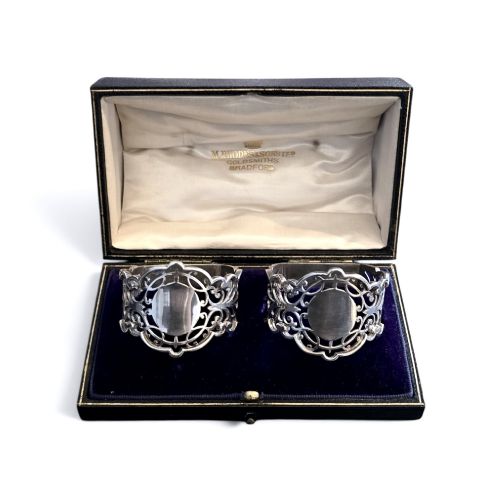
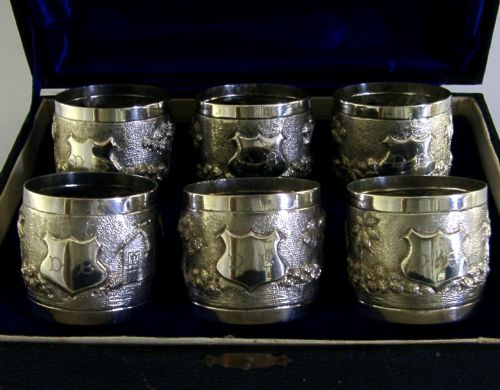
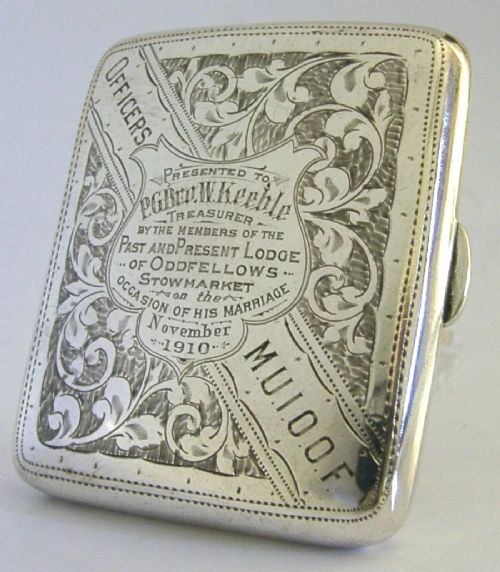
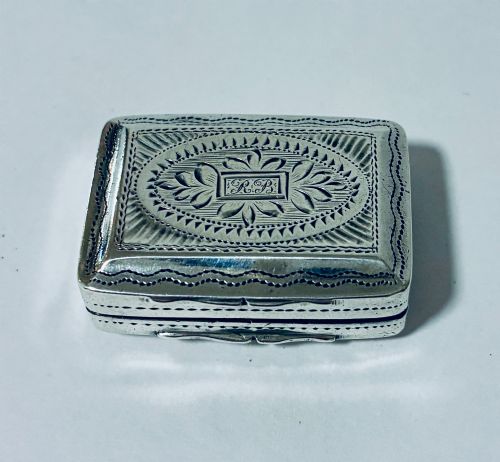
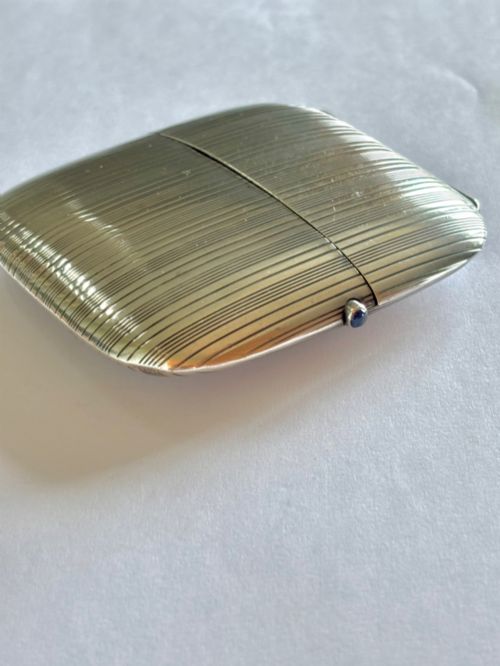
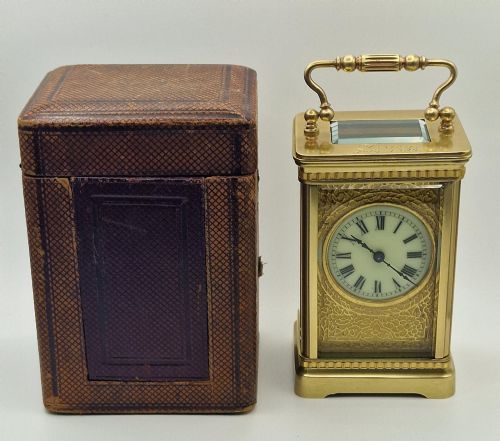
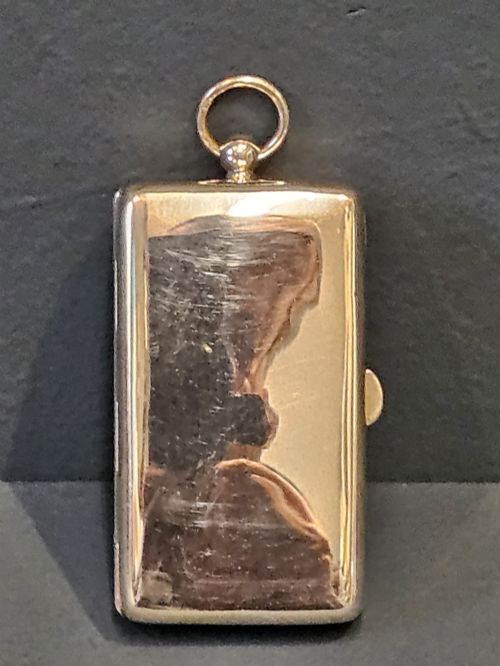
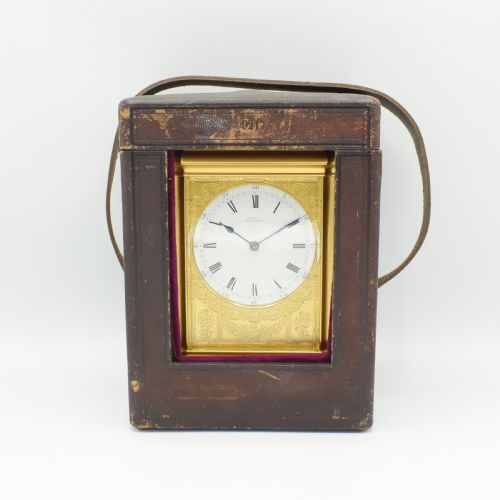
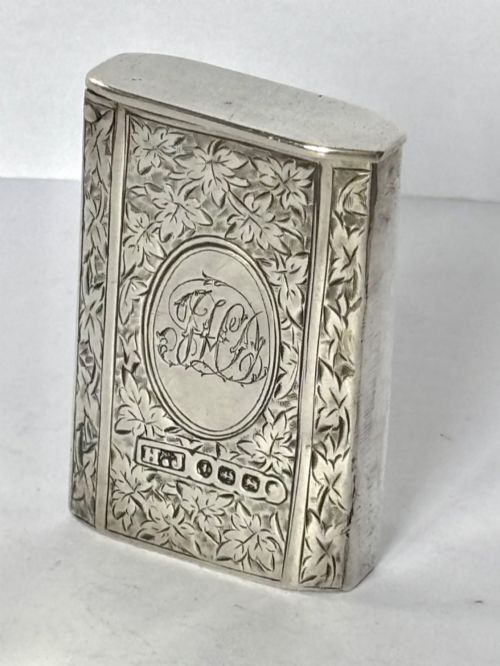
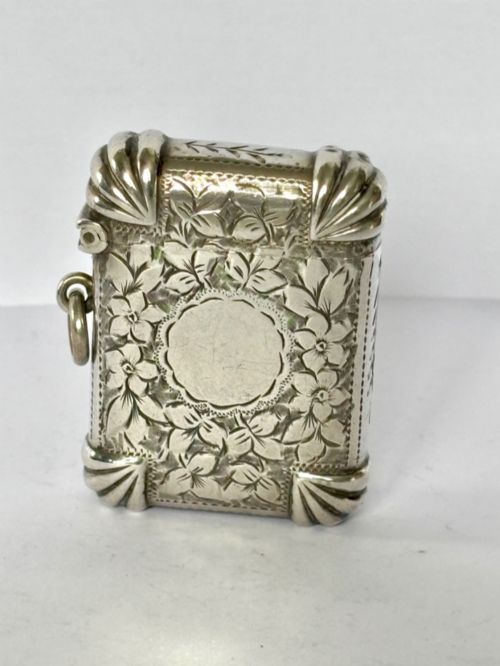
These pieces form an antique engraved case, protecting small personal objects with chased surface patterns from the Victorian and Edwardian eras.
Antique Engraved Case
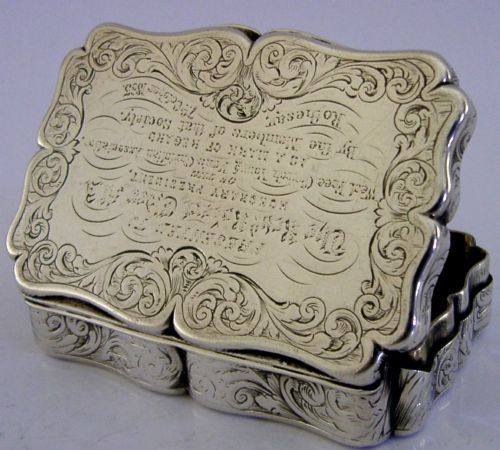
When you examine an antique engraved case on this page, you encounter utilitarian containers designed for tobacco, currency, calling cards, or matches. The selection leans heavily toward the Victorian and Edwardian periods, alongside Art Deco continental pieces and occasional Georgian or 18th-century items.
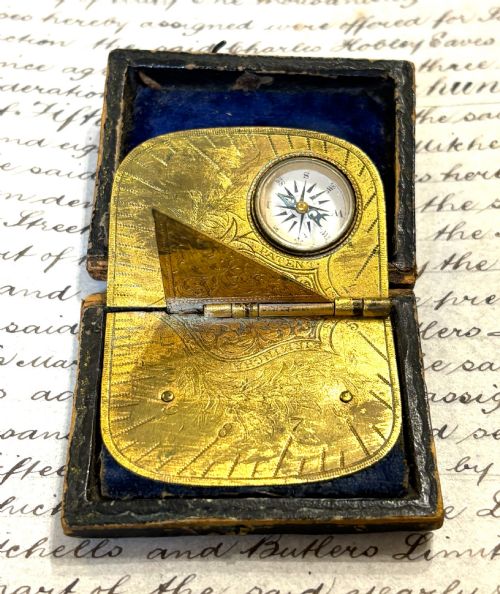
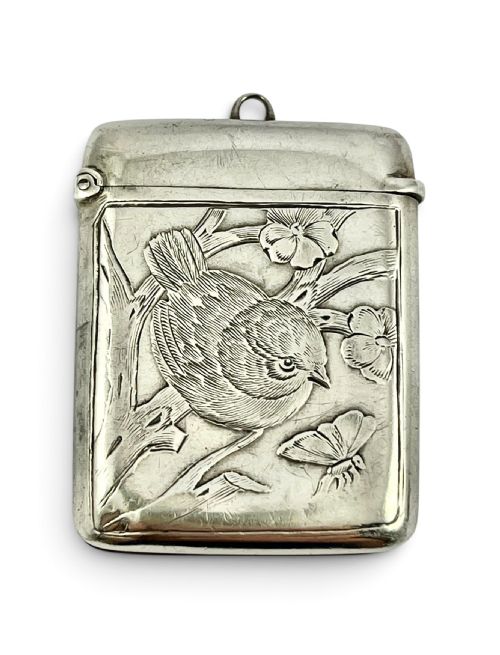
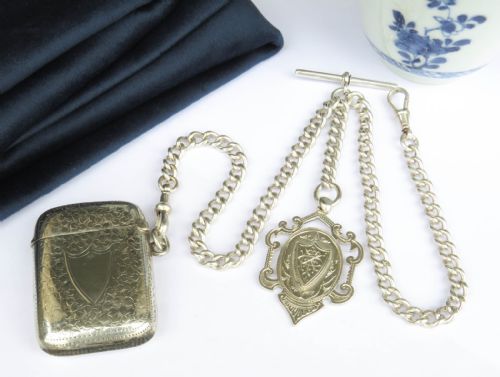
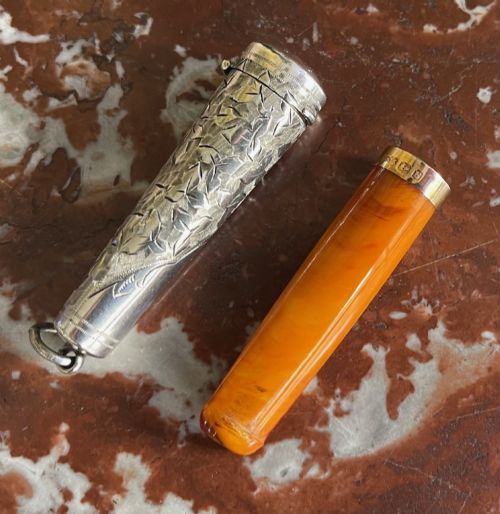
Vesta cases, card cases, and cigarette cases dominate the current offerings, often taking a pocket-sized rectangular form shaped from silver or silver plate. Alongside these, specialised vessels such as snuff boxes, cheroot holder cases, and travelling pen cases appear.
Origins stretch across English assay offices in Birmingham and Sheffield, alongside Scottish, Irish, continental European, and Ottoman workshops. Each format reflects the personal habits and social rituals of the nineteenth and early twentieth centuries.
Materials and construction methods
Sterling silver and silver plate provide the primary structural foundation for the majority of vessels, supplemented by brass, glass, leather, velvet, and enamel. Artisans formed these metals into hinges, flip-top lids, and spring-loaded clasps.
Surface ornamentation relies on hand-engraving techniques, including scrollwork, ivy motifs, and castle-top depictions pressed or cut into the metal. Gilding, blue cabochons, and amber mountings occasionally accent the primary metal chassis.
Listings feature sterling silver, brass, enamel, and glass across Victorian, Edwardian, and Art Deco styles.
Distinctions in craftsmanship and design
The distinction between standard production and superior work rests on the crispness and depth of the hand-chased surface patterns. Crisp architectural reliefs like castle-top views command greater attention than repetitive machine engraving.
The integrity of mechanical elements such as snap closures, hinge pins, and interior gilt washes dictates the grade of survival. Maker marks from prominent silversmiths elevate specific examples above unmarked counterparts.
Martin Hall & Co·Howard James Birmingham·EV Pledge & Son·FA Barrett·Sampson Mordan·Nathaniel Mills
The Antique Engraved Case Glossary
- Vesta case
- A small pocket container designed to hold matches, typically fitted with a striking stripe on the base. These items date predominantly from the Victorian and Edwardian decades.
- Castle top
- A decorative style featuring a detailed engraving of a specific building or landmark on the cover. Nathaniel Mills produced notable examples of this technique.
- Vinaigrette
- A small ornamental box containing a perforated grille, holding a sponge soaked in aromatic vinegar. They served to mask unpleasant odours in public spaces during the Georgian and Victorian eras.
- Cabochon
- A gemstone shaped and polished with a smooth convex surface rather than faceted. They often adorn clasps on Art Deco cigarette card cases.
- Assay mark
- A stamp indicating the purity of the precious metal and the office where it was tested. British pieces typically show a lion passant and a date letter.
Antique Engraved Case: Frequently Asked Questions
What fits inside an antique engraved case?
These vessels accommodate specific pocket items of their era, including paper currency, calling cards, vestas, cigarettes, or cheroot holders.
Their interiors often feature gilt washes, silk linings, or memo paper compartments tailored to these exact functions.
How do I date an antique engraved case?
Dating relies on hallmark stamps indicating the assay office, metal purity, and specific year of testing for British pieces.
Stylistic cues such as Art Deco geometry, Victorian scrollwork, or Edwardian proportions further clarify the decade of production.
Were these cases meant for daily pocket use?
Original owners carried them daily in pockets, reticules, or travelling sets to protect delicate personal goods from damage.
Sturdy silver and brass construction ensured the containers survived regular handling and transit.
How should I clean a silver case?
Maintenance requires minimal intervention to preserve the original hand-engraving and patination built up over decades.
Avoid abrasive polishes that wear away shallow chased lines, opting instead for a soft cloth.