


Antique English Silver Scoop
An antique English silver scoop is a tactile piece of domestic heritage, designed for the dining table or tea service.
Antique English Silver Scoop
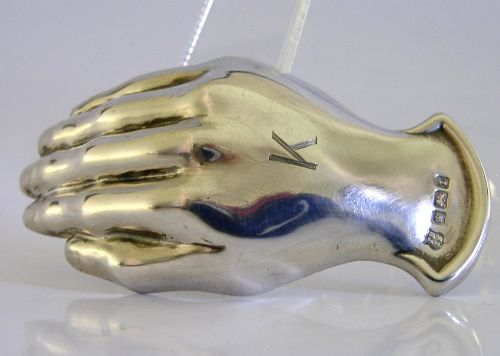
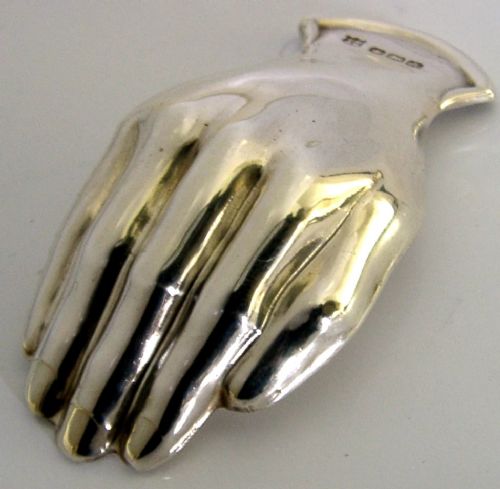
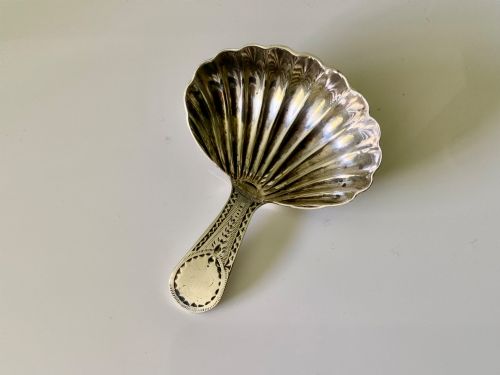
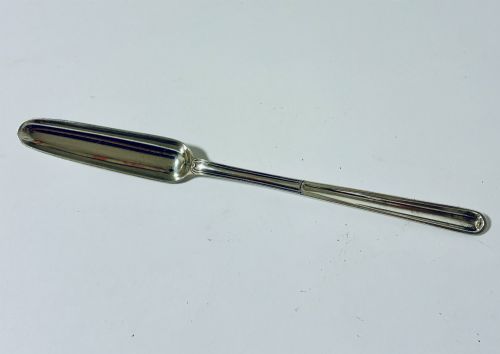
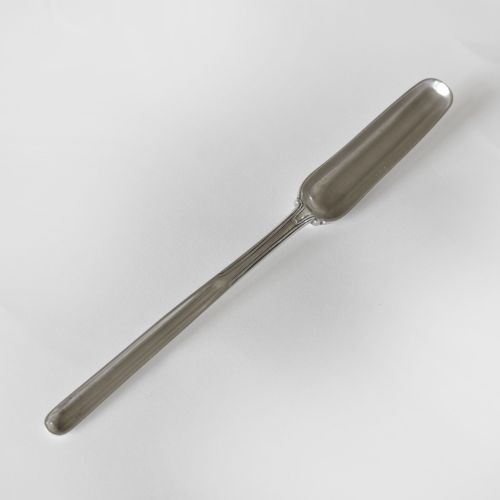
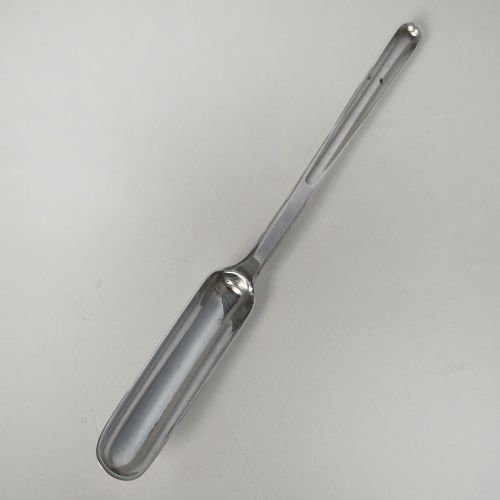
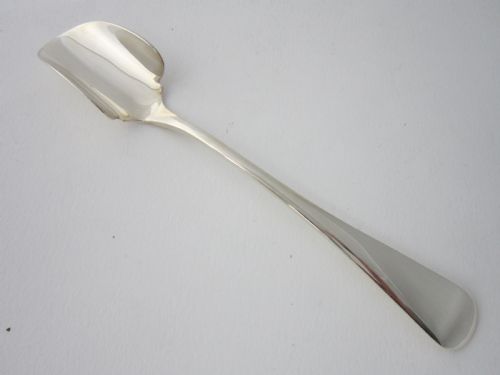
When you search for an antique English silver scoop, you encounter items ranging from deep marrow spoons and cheese scoops to small tea caddy spoons. The pieces on this page span several centuries, with Georgian examples appearing alongside 20th-century iterations.
The functional forms reflect changing dining habits, moving from marrow extraction and cheese service to leaf measurement in the tea caddy. Most specimens meet the eye in sterling silver or solid silver, forged in varying lengths and bowl configurations.
Materials and construction
The primary material across these pieces is sterling silver, alongside Britannia silver in earlier examples and solid silver constructions. Silversmiths formed the bowls and stems through traditional hammering and casting techniques, shaping elongated troughs for marrow or small concave leaves for tea.
Makers applied punches for hallmarks directly into the metal, recording the assay office, date letter and standard. Handles frequently received engraving, crest work or double-struck decorative patterns to finish the surface.
Listings span from Queen Anne and Georgian periods through Regency and Victorian eras into the 1930s and 1940s.
Distinctions in quality
Quality rests in the weight of the metal, the crispness of the hallmarks and the preservation of the original form without thinning from excessive polishing. Early pieces from the eighteenth century demonstrate refined balance and deliberate proportions in the stem and bowl.
The clarity of engraved crests and the integrity of joints on novelty or multi-part pieces further separate standard production from superior examples. A well-preserved surface retains sharp tool marks and legible assay stamps rather than softened edges.
Jonathan Hayne·Benjamin Watts·Thomas Johnson·George Smith·Plucknett
The Antique English Silver Scoop Glossary
- Marrow scoop
- A double-ended utensil featuring a long narrow trough for extracting marrow from bones and a smaller spoon at the opposite terminal.
- Caddy spoon
- A short-handled spoon created for measuring loose tea leaves from a caddy into a pot, often featuring a shell or round bowl.
- Stilton scoop
- A specialised utensil designed with a cylindrical or half-cylindrical blade for serving hard cheeses.
- Britannia silver
- A higher standard of silver alloy introduced by statute, containing a larger proportion of pure silver than standard sterling.
- Hallmark
- A series of stamped marks on precious metals indicating the standard of purity, assay office, maker and year of manufacture.
Antique English Silver Scoop: Frequently Asked Questions
What is a marrow scoop used for?
A marrow scoop served dining tables where roasted marrow bones formed a popular dish. The dual ends allowed diners to reach deep into the bone with the narrow trough and scoop smaller portions with the terminal.
Today these items function as decorative objects or serve in modern dining settings for spreads and condiments.
How do I identify a Georgian silver scoop?
Georgian pieces are identified through a combination of hallmarks, assay office stamps and stylistic markers associated with the reigns of the Georges. The presence of specific date letters and monarch duty marks helps narrow the decade of production.
Examining the weight and form provides additional context, as eighteenth-century examples differ perceptibly in proportion from later Edwardian or 1930s revivals.
How should I clean antique silver?
Antique silver benefits from gentle washing in warm water with mild soap and a soft cloth to remove surface residue. Avoid harsh abrasive dips or vigorous scrubbing that can wear away engravings and soften hallmark stamps.
Regular handling helps maintain a natural finish, while proper storage prevents excessive tarnishing between uses.