





Regency Sterling Silver Spoon
These regency sterling silver spoon examples combine Georgian utility with refined early nineteenth-century design, offering tactile history for your table.
Regency Sterling Silver Spoon
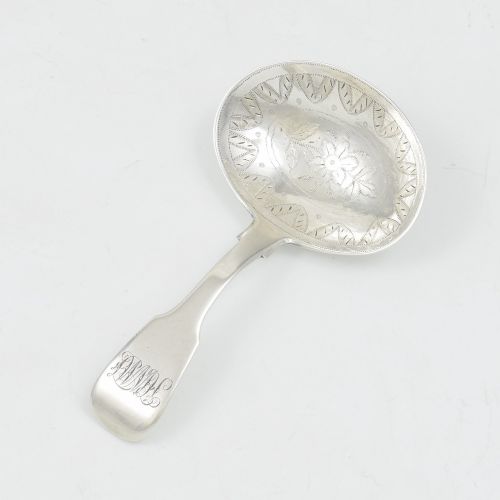
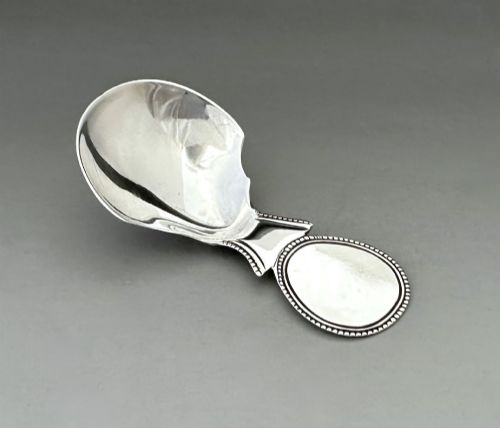
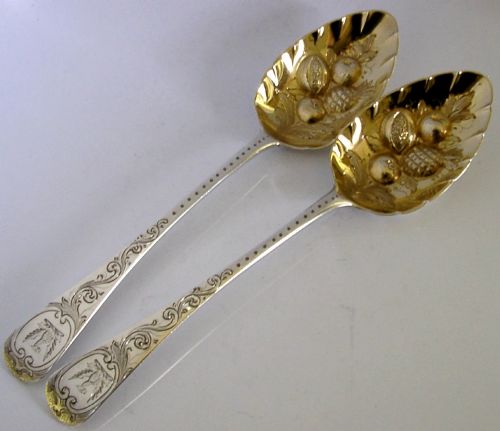
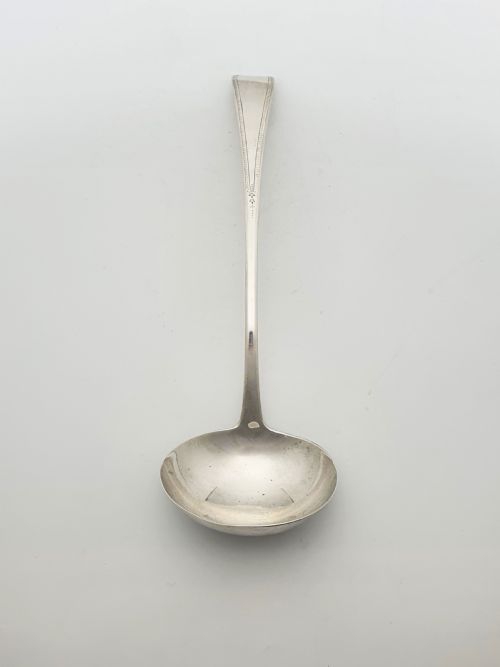
When you search for a regency sterling silver spoon, you encounter items shaped for specific dining and tea service tasks. The selection includes caddy spoons, serving spoons, soup ladles, and sifter spoons from the Georgian and Regency periods.
Caddy spoons appear frequently, alongside larger serving utensils and provincial Scottish ladles. These pieces originate from makers in London, Birmingham, and Inverness, spanning the years from eighteen hundred through the eighteen twenties.
The objects serve as functional tableware or display items housed in velvet and silk lined cases. Their forms range from small leaf-shaped tea caddies to heavy threaded border soup ladles.
Assessing quality
Quality rests upon the crispness of the original chasing and the preservation of parcel-gilt or silver gilt surfaces. Items featuring intricate details, such as vine leaf bowls or crested handles, demonstrate higher levels of silversmithing skill.
Completeness alters the character of the piece, particularly when items survive inside their original velvet and silk lined cases or form part of a matched egg cruet set. Maker marks and clear provincial or London hallmarks provide tangible proof of origin and standard.
Regency Sterling Silver Spoon Retail Price Guide 2026
Typical asking prices for regency sterling silver spoon among the pieces listed under this phrase on Sellingantiques today, from the lower quarter to the upper quarter. They describe what is for sale here now, not the wider market.
Joseph Willmore·Jamieson and Naughton
The Regency Sterling Silver Spoon Glossary
- Sterling silver
- A silver alloy containing ninety-two point five percent silver by mass and seven point five percent other metals, usually copper. This standard ensures durability for daily tableware.
- Caddy spoon
- A small spoon specifically designed for measuring tea leaves from a caddy into a teapot. These often feature decorative bowls shaped like leaves.
- Sifter spoon
- A utensil featuring a perforated bowl used for dusting sugar over food. The piercing patterns allow fine granules to pass through.
- Parcel-gilt
- A method where only specific portions of a silver object receive a thin layer of gold. This creates a contrasting two-tone effect on the metal.
- Provincial
- Refers to silver manufactured outside the main assay towns of London, Birmingham, or Sheffield. Scottish examples from Inverness represent this category.
Regency Sterling Silver Spoon: Frequently Asked Questions
What were caddy spoons used for?
These small spoons measured loose tea from storage containers into brewing pots during the nineteenth century. Their shallow bowls often matched botanical themes popular at the tea table.
Today, collectors prize them for their variety and manageable scale, which makes them ideal for cabinet display.
How do I identify a provincial spoon?
Provincial pieces carry maker marks and regional stamps applied outside the major official assay offices. Scottish examples from Inverness display distinct regional touchmarks.
These marks help distinguish local output from standard London or Birmingham production.
How should I care for antique silver?
Antique silver requires gentle cleaning with non-abrasive cloths and specialised polish formulated for precious metals. Avoid harsh chemical dips that strip the natural patina accumulated over centuries.
Store pieces in dry environments, and use velvet or silk lined boxes to prevent surface scratches.