



Antique English Silver Salts
These antique English silver salts bring practical elegance to the table, offering finely crafted vessels designed to hold condiments across centuries of dining.
Antique English Silver Salts
When searching for antique English silver salts, you encounter a variety of forms including open salt cellars, matched pairs, boxed sets with spoons, and multi-piece cruet stands. These items span periods from the Georgian era through the Victorian, Edwardian, and George V years.
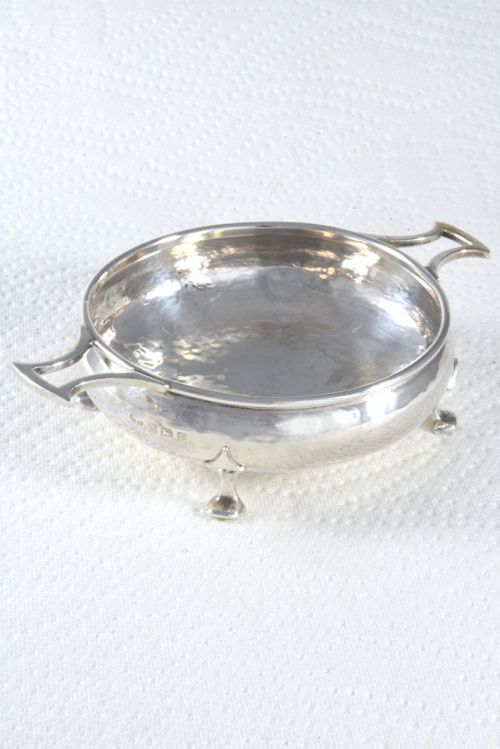
The salt cellars most commonly met on this page include sterling silver open designs, often paired with glass liners in cranberry or blue opaline, alongside silver plated condiment stands and novelty pieces.
Makers and silversmiths utilised traditional workshops to produce both functional table wares and decorative novelty salts shaped like musical instruments, butlers trays, or naturalistic flower designs.
What varies in quality
The distinction between tiers rests upon the thickness of the silver gauge, the crispness of the hand-chased detail, and the retention of original matching components such as spoons and glass liners.
Pieces bearing marks from renowned silversmiths demonstrate superior metallurgical purity and structural integrity compared to standard commercial silver plate wares.
The presence of original fitted cases, such as red Moroccan leather boxes, elevates the standing of an item by preserving the object through generations.
Antique English Silver Salts Retail Price Guide 2026
Typical asking prices for english silver salts among the pieces listed under this phrase on Sellingantiques today, from the lower quarter to the upper quarter. They describe what is for sale here now, not the wider market.
Dining tables of the late nineteenth century occasionally featured novelty salts shaped as tiny violins ready to hold your salt.
Samuel Pemberton Birmingham·Nathaniel Mills·William Bateman·Paul Storr·Wilmot Manufacturing Co·William Hutton and Sons·HJ Lias and Son
The Antique English Silver Salts Glossary
- Sterling silver
- A silver alloy containing 92.5 percent pure silver by mass, standard in high-grade English table wares.
- Silver plate
- A base metal manufacturing technique where a thin layer of silver is bonded to a supporting metal substrate.
- Open salt
- A small tabletop vessel designed to hold loose salt, typically used before the invention of free-flowing table salt.
- Cruet set
- A matched assembly of condiment containers, often including salt cellars, mustard pots, and pepper shakers mounted on a stand.
- Vinaigrette
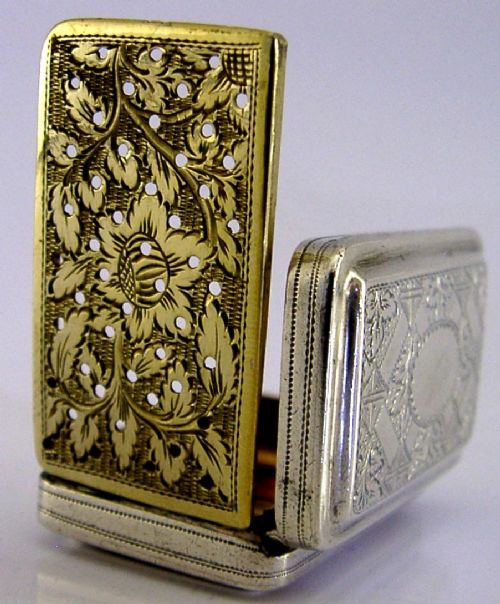
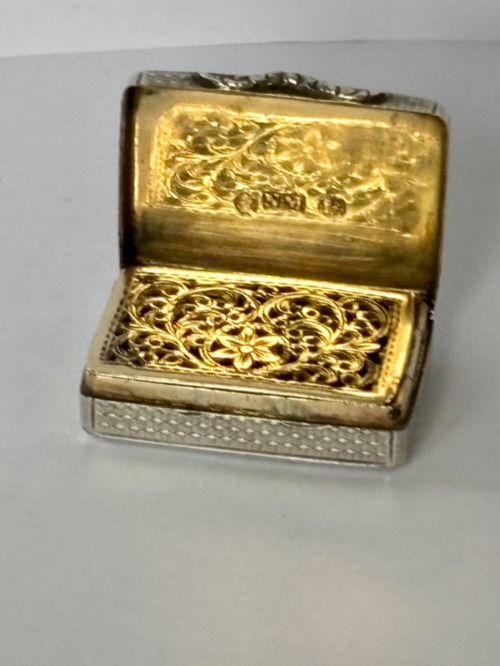
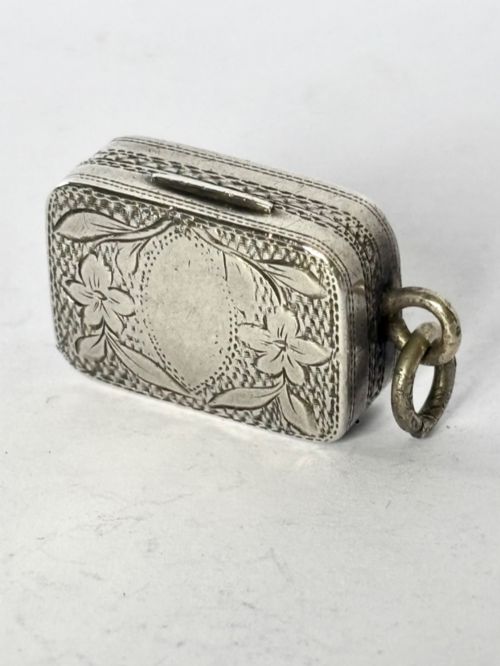
- A small ornamental box featuring a perforated internal grille, designed to hold a sponge soaked in aromatic vinegar.
Antique English Silver Salts: Frequently Asked Questions
How do I use antique silver salts today?
These open salt cellars serve well on modern dining tables for holding flake salt or specialty seasonings during meals.
Their compact size also allows them to function as small trinket dishes on a dressing table or desk.
How do I clean antique English silver salts?
Maintenance requires mild washing liquid and warm water, followed by careful drying with a soft cotton cloth to protect the metal surface.
Harsh abrasive dips should be avoided to preserve any original gilding or delicate engraved details.
Were all antique salts made in pairs?
While many surviving salt cellars appear as pairs or larger matched sets of four and five, single pieces also exist.
Cruet stands typically incorporate individual salt cellars as part of a larger fitted condiment assembly.
How do glass liners affect the salt cellars?
Glass liners made of cranberry or blue opaline protected the reactive silver metal from the corrosive nature of salt.
Finding a set with its original fitted glass liner intact adds significantly to the historical completeness of the piece.