


Antique English Seating Pair
An antique english seating pair brings matched historical presence to a room, offering functional comfort alongside centuries of craftsmanship.
Antique English Seating Pair
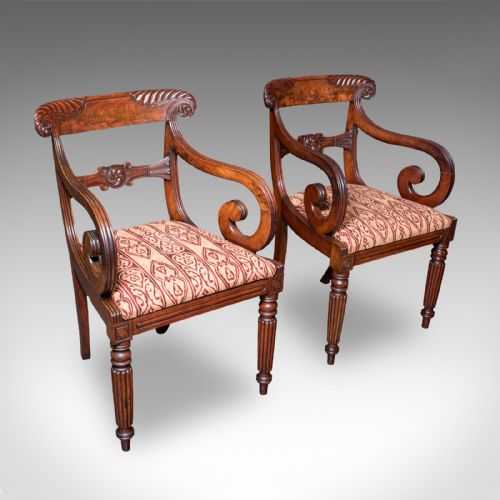
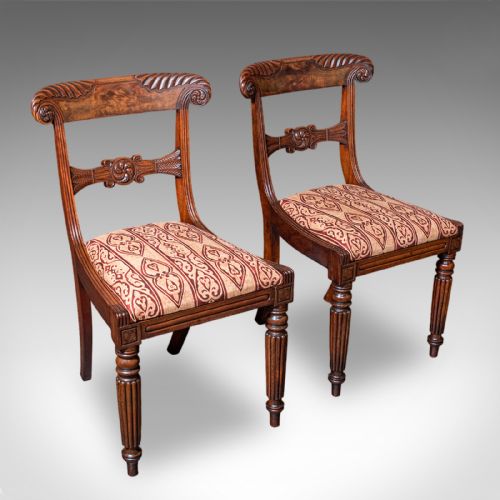
An antique english seating pair comprises two matched chairs, benches, or armchairs originating from periods such as the Georgian, Regency, and Victorian eras. These duplicates were often commissioned together for dining rooms, halls, or libraries, ensuring symmetrical interior arrangements.
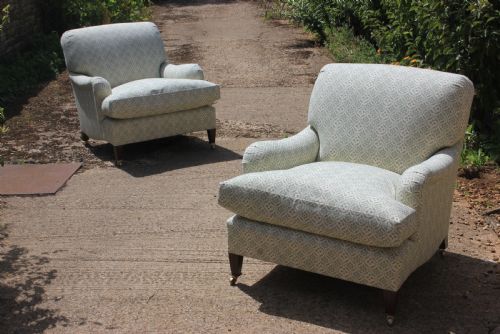
Originating across the eighteenth, nineteenth, and early twentieth centuries, these pairs reflect the changing domestic priorities of English households, moving from rigid formal reception seating toward upholstered country house comfort.
How they were made
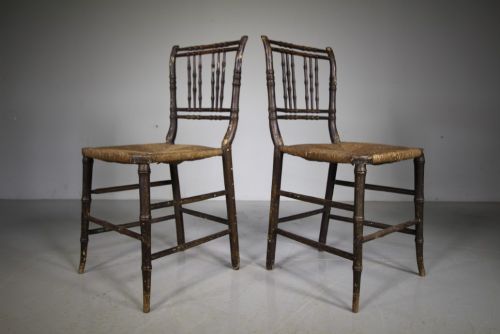
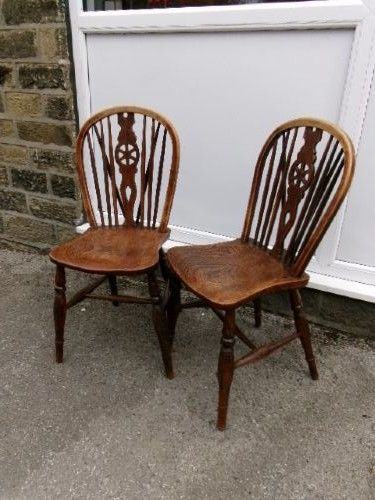
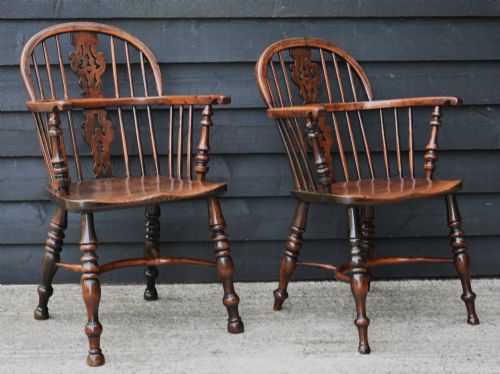
Traditional joinery forms the backbone of these pieces, utilising durable hardwoods like oak, mahogany, walnut, and beech for structural frames. Country seating frequently combines elm seats with yew or beech spindles and arms, capitalizing on the distinct properties of each timber.
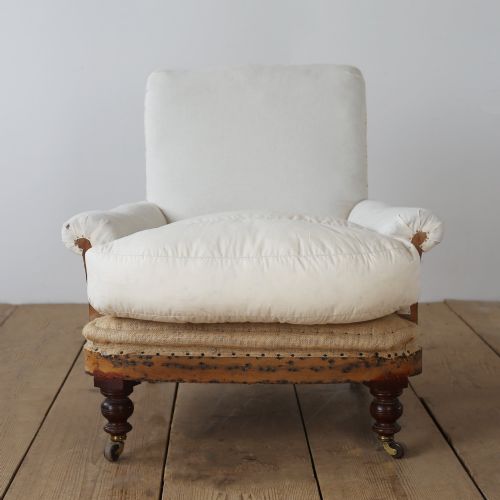
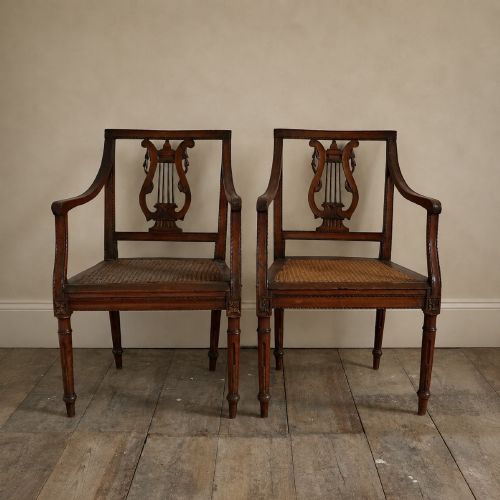
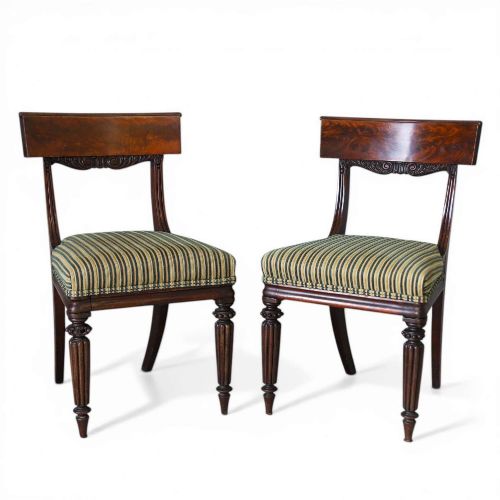
Upholstered variants rely on traditional stuffing materials enclosed in fabrics such as ticking, leather, or printed stripes, while cane seating incorporates intricate hand-woven natural strands into wooden frames.
Materials span domestic timbers like oak, elm, yew, and beech alongside imported mahogany and walnut.
What varies in quality
The distinction between ordinary and superior pieces rests upon the precision of the timber selection and the fidelity of the carved or turned details. Mahogany and walnut examples demonstrate the carver's skill through crisp fretwork and proportion, whereas Windsor chairs derive distinction from the balance of their spindles and the grain configuration of the elm seat.
Originality of surface finish and component parts heavily influences the standing of a pair, particularly when historical upholstery methods or authentic painted pine finishes remain intact without modern intervention.
Howard and Sons·Gillows·Charles Tozer
The Antique English Seating Pair Glossary
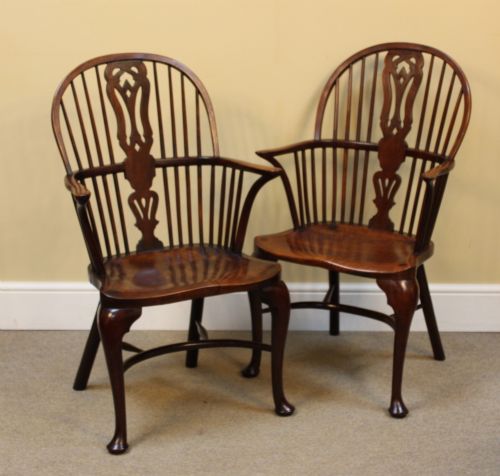
- Windsor chair
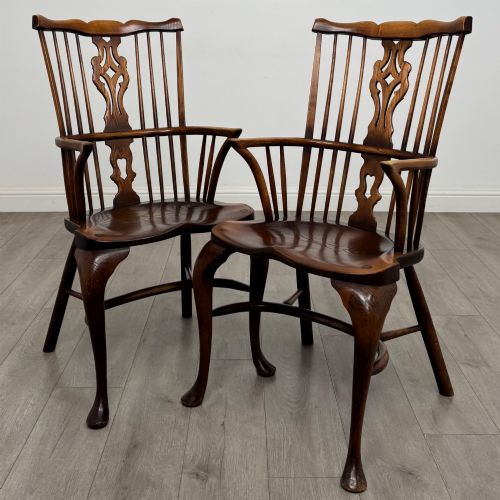
- A wooden chair constructed with a solid elm or timber saddle-shaped seat into which the legs and back spindles are directly wedged. This vernacular form developed significant regional variations across English workshops.
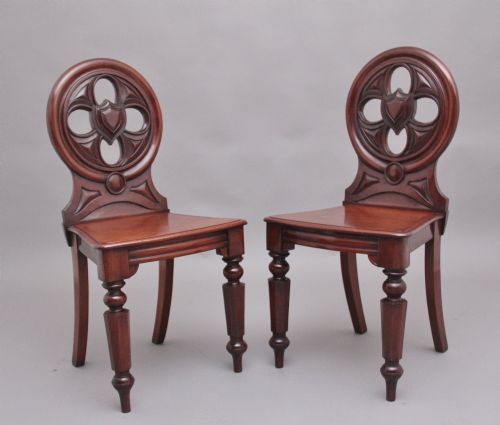
- Hall chair
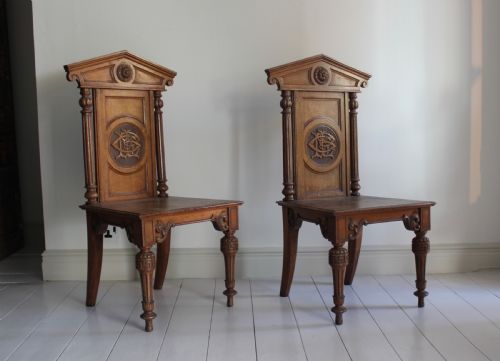
- A rigid, often un-upholstered wooden seat placed in entrance halls, typically featuring a carved or painted shield and crest on the back. These were designed for brief seating rather than sustained comfort.
- Bergère
- An enclosed upholstered armchair with wooden framing and cane-work sides or back panels. Originating in France, the style was widely adopted by English cabinet makers during the Regency period.
- Joint bench
- A sturdy wooden bench constructed using mortise and tenon joints secured by wooden pegs rather than metal nails. These early forms showcase foundational English carpentry techniques.
- Clobbered
- Refers to ceramic garden seats or vessels that have been over-glazed and re-fired in bright enamel colours to enhance decorative appeal. This practice altered traditional blue and white patterns.
Antique English Seating Pair: Frequently Asked Questions
How do I identify a true matched pair?
Examine the timber grain, turning marks, and dimensions closely to confirm that both pieces originated from the same workshop batch rather than being assembled later from mismatched single chairs.
Subtle inconsistencies in hand-carved details or tool marks often reveal whether two items grew up together in the same dining room or library.
Were these chairs meant for daily use?
Most of these pieces were engineered for domestic utility, ranging from robust elm kitchen chairs to formal reception seats designed to withstand regular household traffic.
Careful consideration of joint stability and upholstery condition will determine how actively a modern owner can integrate them into daily routines.
How do I distinguish Georgian from Victorian pieces?
Georgian examples generally favour restrained classical proportions, elegant mahogany framing, and lighter structural lines inspired by contemporary architects. Victorian alternatives often display heavier proportions, darker finishes, and more robust cushioning suited to changing domestic tastes.
Comparing the turning styles and structural underpinnings helps clarify the manufacturing era.
Where were these seats originally placed?
Depending on their form, these seats occupied spaces ranging from grand country house libraries and morning rooms to utilitarian farmhouse kitchens and entrance halls. Hall chairs greeted visitors, while elbow chairs and library armchairs offered comfort by the hearth.
Understanding the original context illuminates the functional design choices made by the maker.