




Antique English Pottery Jar
These antique English pottery jars span centuries of functional and decorative vessels, offering tangible pieces of domestic history.
Antique English Pottery Jar
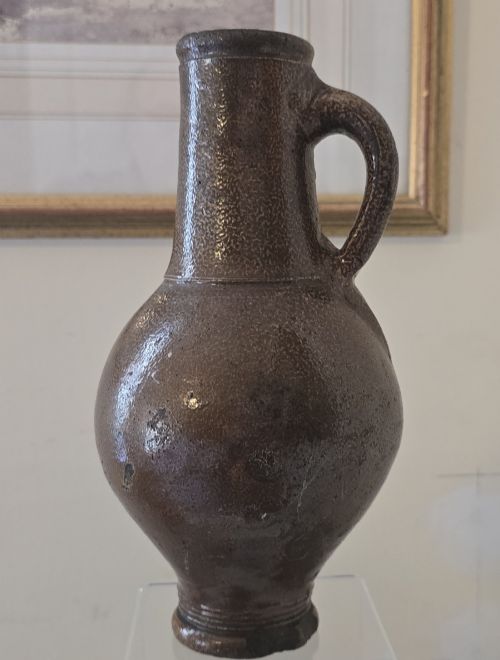
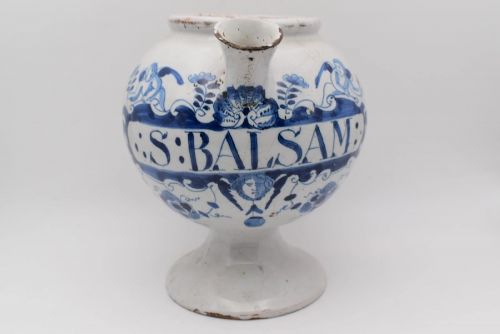
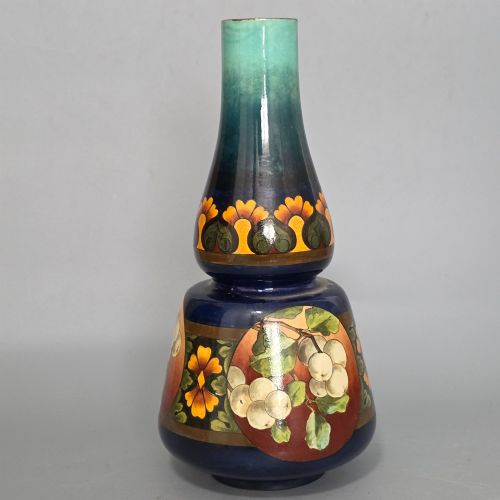
When you search for an antique English pottery jar, you encounter a diverse array of utilitarian and ornamental vessels spanning multiple centuries. The selection encompasses tobacco jars, apothecary wet drug jars, storage jars, biscuit barrels, and decorative vases.
The pieces on this page range from the Georgian and Regency eras through the Victorian and Edwardian periods, extending into Art Nouveau, Arts and Crafts, and Art Deco designs. Earthenware and stoneware forms predominate, shaped by centuries of British ceramic tradition.
Early examples include Delftware drug jars and salt-glazed preserve vessels, while later decades introduce vibrant faience, ironstone, jasper ware, and hand-painted porcelain. Each piece reflects the shifting domestic needs and aesthetic tastes of its specific era.
How they were made
Potters utilised fundamental earthen materials, shaping clay on the wheel or casting it into moulds before applying mineral glazes. Stoneware pieces underwent high-temperature firing with salt introduced to create a dense, impervious finish.
Decoration involved hand-painted enamels, applied slip, cream sprigging, and intricate transfer printing. Skilled artisans often added gold leaf highlights or specialised glaze effects such as the flowing cobalt of Mazarine blue.
Faience and majolica techniques allowed for vibrant surface decoration over opaque tin-glazes, while later factories perfected smooth earthenware bodies suited for intricate Art Deco patterns.
Antique English Pottery Jar Retail Price Guide 2026
Typical asking prices for english pottery jar among the pieces listed under this phrase on Sellingantiques today, from the lower quarter to the upper quarter. They describe what is for sale here now, not the wider market.
Listings feature earthenware, stoneware, and ironstone across styles spanning Georgian, Victorian, and Art Deco periods.
What varies in quality
Quality in these vessels rests upon the crispness of the moulding, the stability of the glaze, and the precision of any hand-painted or transfer-printed decoration. Superior pieces maintain clear details in sprigged reliefs and vibrant, unclouded enamel colours.
The reputation of the maker and the ambition of the form dictate the upper tier of the range. Exhibition-scale pieces, intricate hand-painted fruit scenes, and well-preserved lids or original covers elevate a vessel's standing among collectors.
Doulton Lambeth·Masons Ironstone·Wedgwood·Moorcroft Macintyre and Co·Royal Worcester
The Antique English Pottery Jar Glossary
- Delftware
- Tin-glazed earthenware produced in England from the seventeenth century onwards, typically featuring a white or pale blue surface painted with cobalt designs.
- Ironstone
- A patented heavy earthenware developed in the nineteenth century, valued for its durability and resemblance to porcelain.
- Stoneware
- A robust, vitrified ceramic fired at high temperatures, naturally impermeable to liquids and frequently finished with salt glaze.
- Jasper ware
- A fine-grained, unglazed stoneware developed by Wedgwood, most commonly recognised by white relief figures set against a coloured background.
- Sprigging
- A decorative technique where moulded clay reliefs are applied to the surface of an unfired ceramic body using slip as an adhesive.
Antique English Pottery Jar: Frequently Asked Questions
What were apothecary jars used for?
Apothecary jars held dry ingredients, wet drugs, syrups, and herbal remedies in dispensaries and apothecaries.
They kept medicinal substances sealed and protected from light and moisture before modern packaging existed.
Are tobacco jars airtight?
Tobacco jars featured fitted lids designed to maintain a stable interior humidity for leaf tobacco.
While some included rubber seals or ground-ceramic collars, historical lids primarily prevented the tobacco from drying out too quickly rather than creating a modern vacuum.
How do I date a salt-glazed jar?
Dating relies on examining the weight of the body, the texture of the salt glaze, and any stamped maker marks or inscribed lettering.
Earlier nineteenth-century pieces often display heavier potting and hand-incised details, while later production utilised standardised moulds and mechanical stamps.