


Antique English Light Fitting
These antique English light fitting examples span grand brass chandeliers and delicate glass pendants designed to illuminate period interiors with character.
Antique English Light Fitting
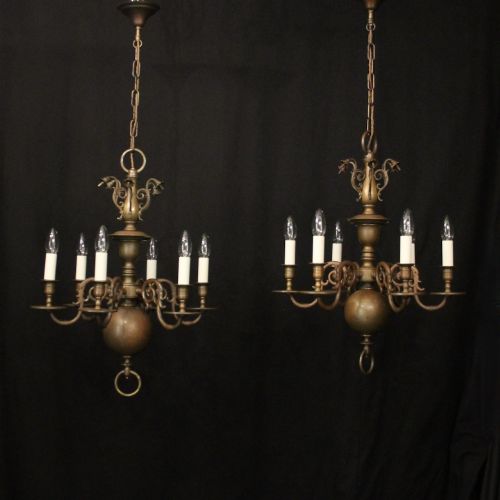
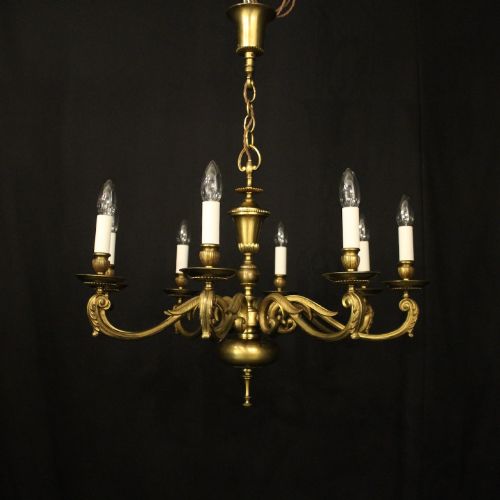
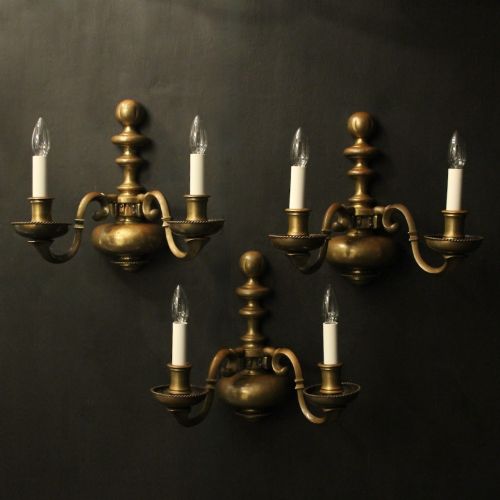
When you search for an antique English light fitting, you encounter a diverse range of ceiling lights, wall lights, and hall lanterns spanning the nineteenth and early twentieth centuries. These fixtures range from intimate single pendants to multi-arm chandeliers suited to large reception rooms.
The selection here encompasses Victorian, Edwardian, and later periods up to the nineteen-thirties, reflecting shifts in domestic architecture and interior illumination. Forms vary from simple glass shades to elaborate cut glass waterfalls and bronze chandeliers with numerous branches.
Materials and construction
Brass, bronze, and silver plate form the structural backbone of many metal fixtures, offering durable armatures for multiple-light arrangements. Gilded finishes and gilt bronze add a polished decorative sheen to period frames.
Glass components include cut glass, lead crystal, and plain glass used in pendants, waterfalls, and hall lanterns to refract and scatter light effectively.
Listings feature brass, bronze, silver plate, and cut glass across Victorian, Edwardian, and early twentieth-century periods.
Evaluating craftsmanship and design
The complexity of the metalwork and the depth of the casting separate simpler utilitarian fixtures from ambitious multi-light chandeliers. Heavier bronze frames and detailed chased brass demonstrate higher levels of workshop skill.
In glass pieces, the clarity of the crystal and the precision of the cutting dictate the quality of light refraction. Elaborate configurations with numerous arms and integrated crystal drops represent the more ambitious end of period production.
Faraday & Sons·Holophane
The Antique English Light Fitting Glossary
- Chandelier
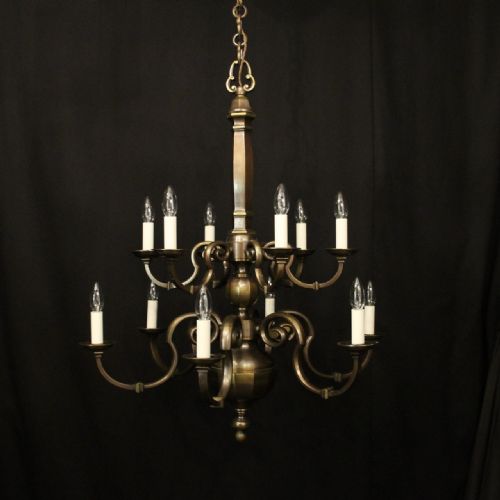
- A branched ceiling-mounted fixture designed to hold multiple lamps or candles. These large pieces often anchor grand rooms.
- Hall Lantern
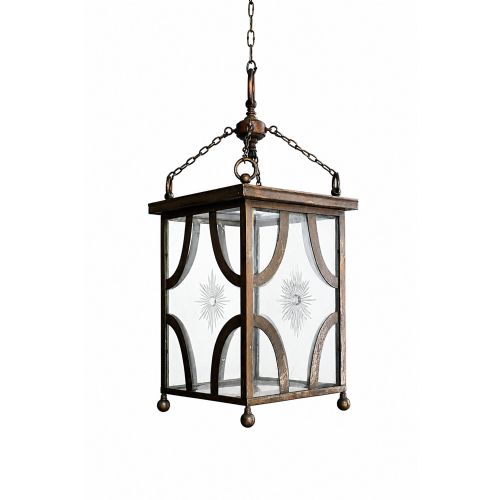
- An enclosed ceiling fixture suspended in an entrance hall or corridor. They frequently utilise glass panels and brass frames.
- Cut Glass
- Glass shaped and patterned by abrasive grinding wheels. This technique creates facets that catch and multiply light.
- Silver Plate
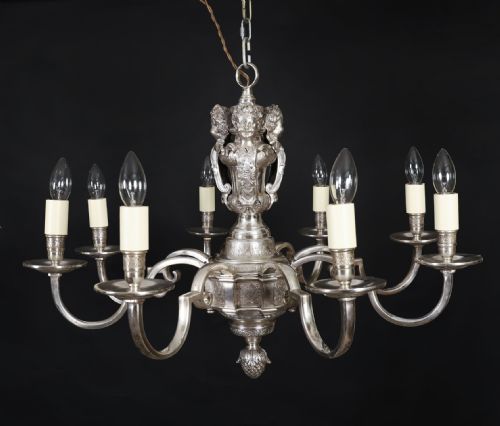
- A thin layer of silver applied to a base metal object. It provides the appearance of solid silver at a different scale of production.
Antique English Light Fitting: Frequently Asked Questions
How do I date an antique light fitting?
Dating relies on stylistic clues, manufacturing techniques, and materials characteristic of specific decades or eras like the Victorian and Edwardian periods.
Examination of the metal composition, screw threads, and wiring channels often helps place a fixture within its original period.
Can these old lights be rewired for modern use?
Most metal and glass fixtures can be adapted to meet current electrical safety standards by a qualified electrician.
Rewiring preserves the exterior aesthetic while ensuring the internal components function safely in a modern home.
Where were hall lanterns typically hung?
Hall lanterns were traditionally placed in entrance vestibules, stairwells, and narrow corridors to provide welcoming illumination.
Their enclosed designs protected the flame from draughts caused by opening exterior doors.