

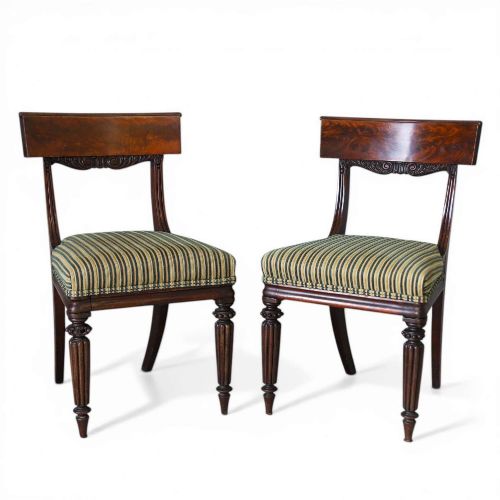
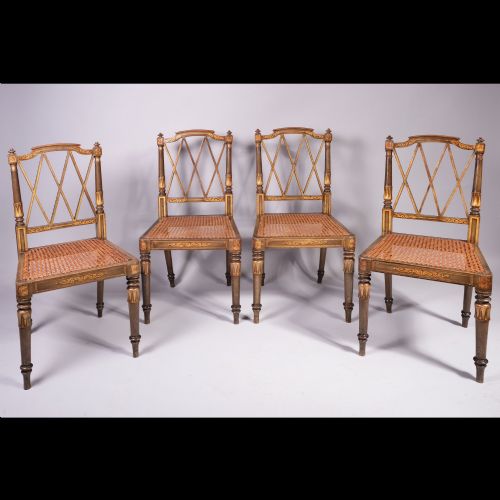
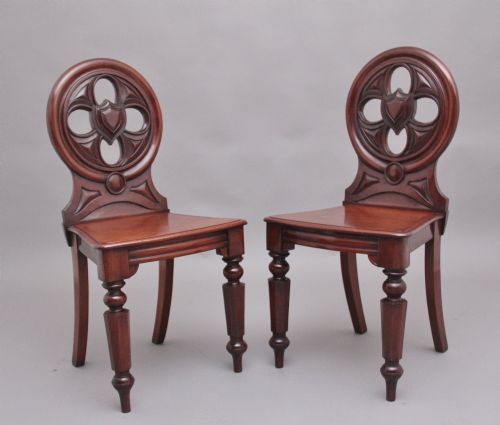
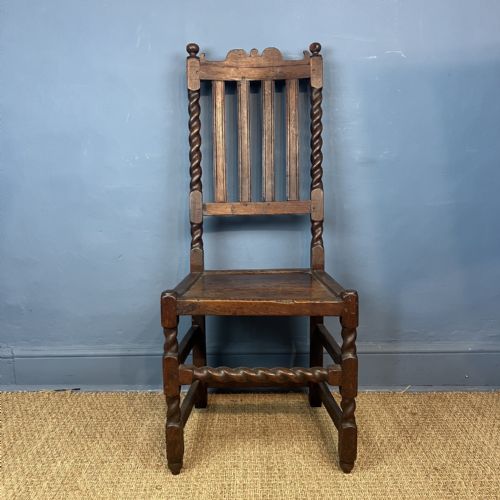
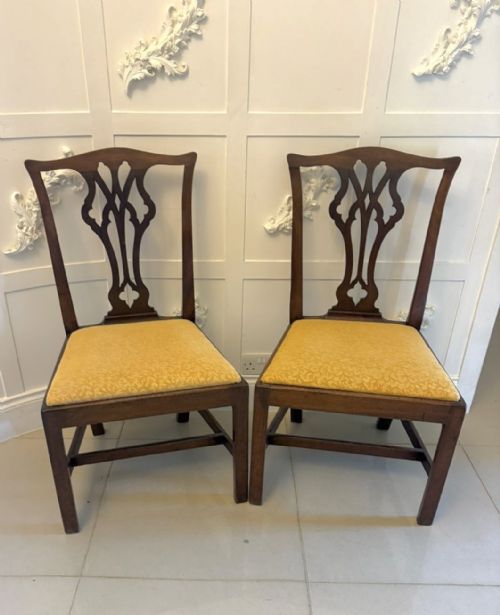
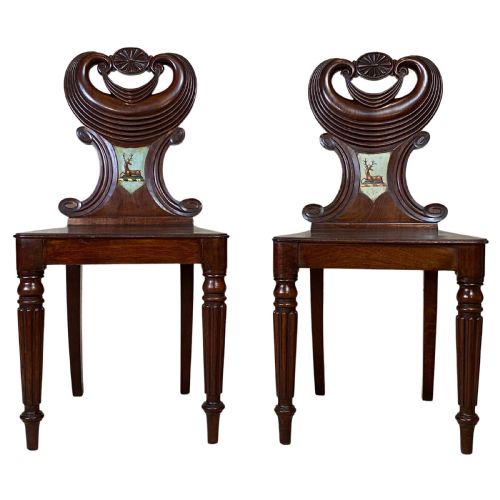
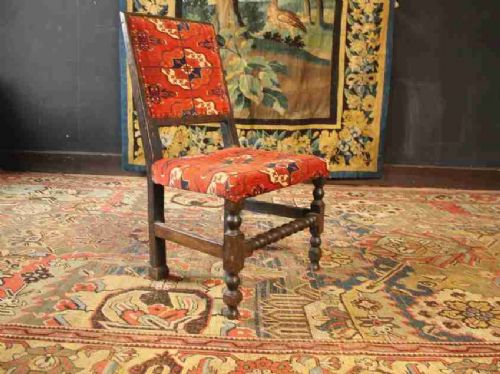
Antique English Hall Chairs
When you search for antique english hall chairs, you find sturdy timber seats designed to sit near an entrance.
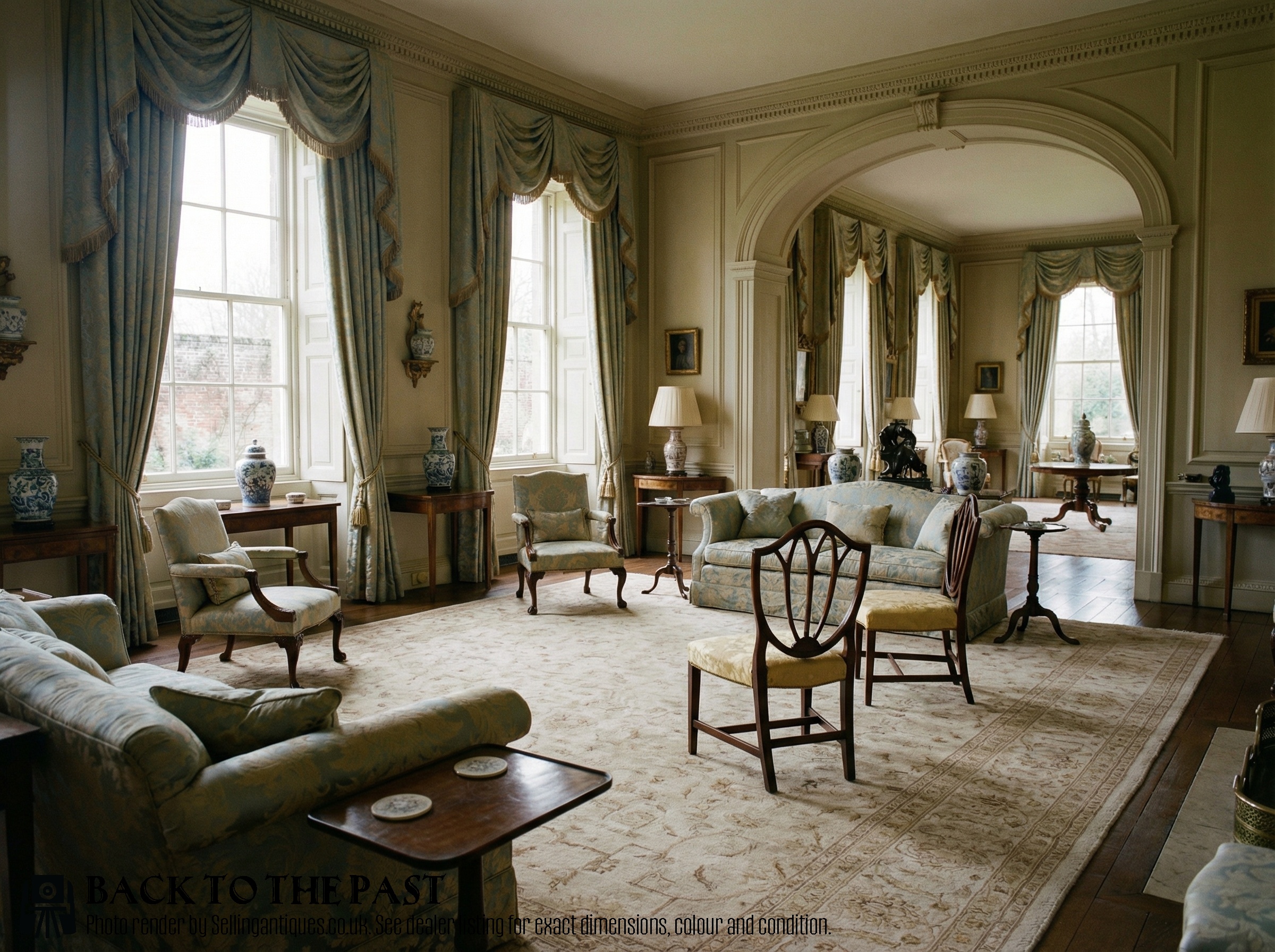
Antique English Hall Chairs
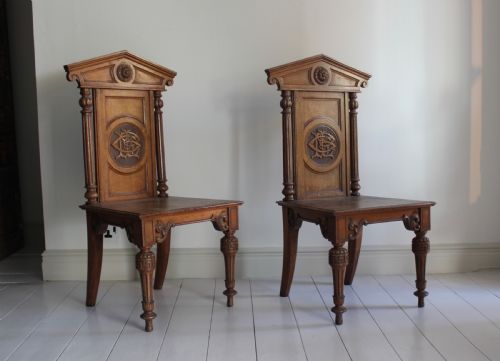
Antique english hall chairs encompass formal timber seating designed for entranceways and reception rooms across several centuries of domestic interior design. These items range from plain utilitarian timber models to heavily carved Gothic Revival statements meant to impress visitors upon arrival.
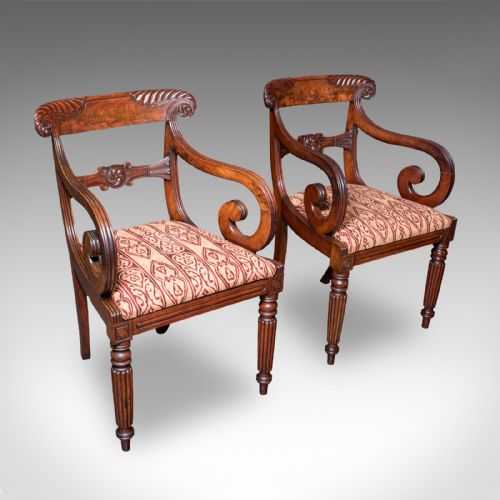
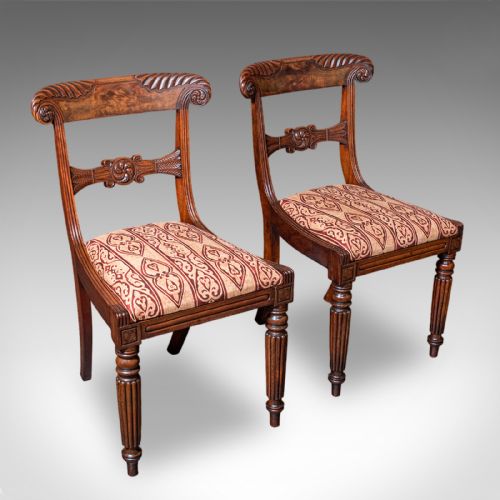
The selections available here lean heavily toward solid timber construction, featuring prevalent examples from the Georgian, Regency, and Victorian periods. Mahogany and oak dominate the offerings, appearing both as single items and in matched pairs or small sets.
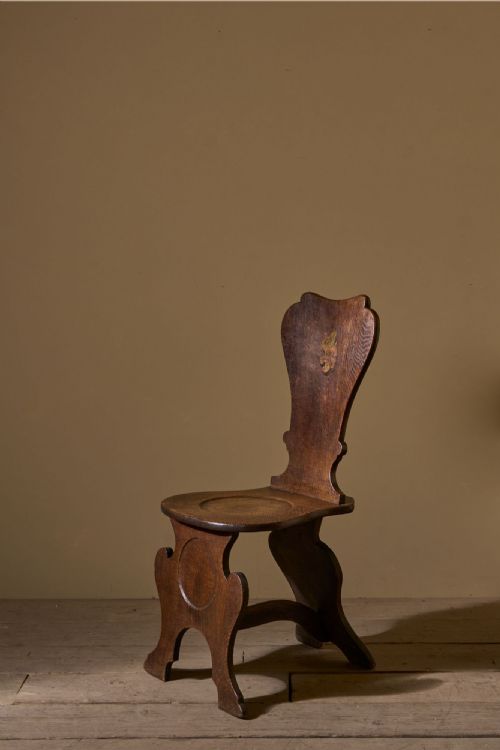
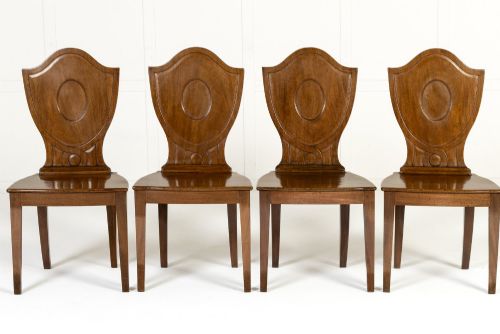
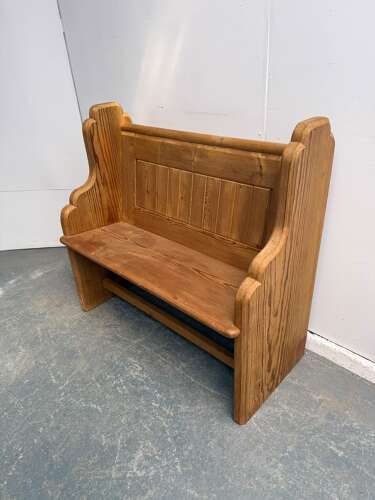
Makers often shaped these forms with solid wooden seats rather than upholstery, allowing them to withstand the wear of outer garments and passing traffic. Shield backs, carved crests, and panelled timber work frequently define the silhouette of these functional hallway furnishings.
How they were made
Cabinetmakers relied on durable native and imported hardwoods like oak, mahogany, walnut, and elm to build these rigid entrance seats. Carpenters joined legs and frames using traditional mortise and tenon techniques, often reinforcing joints to endure daily domestic use.
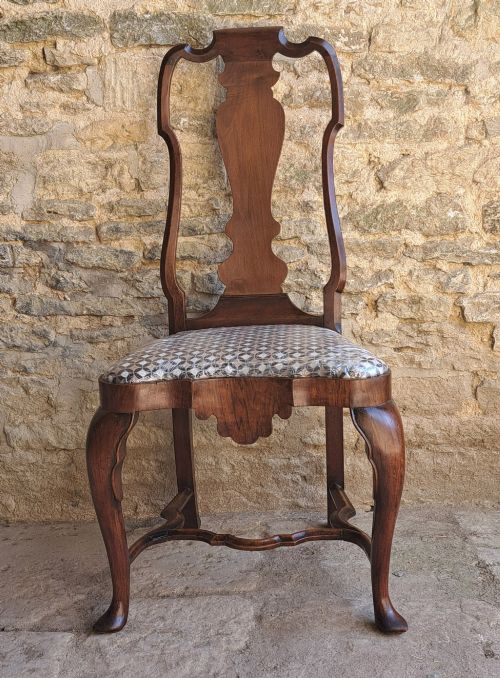
Surface decoration involved hand carving, paint application, or brass inlay, depending on the prevailing style of the period. Upholstery, where present on related side or morning room seats, utilised fabric, needlepoint, leather, or rush tied directly to the wooden frames.
Listings feature solid oak and mahogany across the 17th, 18th, and 19th centuries, alongside walnut, elm, and painted finishes.
What varies in quality
The grade of timber selected for the frame and the crispness of the hand carving set higher examples apart from standard workshop production. Dense, well-figured mahogany or richly patinated old oak indicates careful material selection by the original cabinetmaker.
Proportion and structural integrity dictate the distinction between ordinary utility seating and pieces designed for grander reception rooms. Finely turned elements, intact armorial crests, and balanced proportions reflect the skill invested during manufacture.
Gillows·Thomas Chippendale
The Antique English Hall Chairs Glossary
- Hall chair
- A rigid wooden seat intended for an entranceway or passage, frequently featuring a solid timber seat and a carved backrest displaying an armorial crest.
- Backstool
- An early form of upholstered or wooden single chair lacking arms, common in the seventeenth century before modern side chair designations took hold.
- Shield back
- A chair back shaped in the outline of a heraldic shield, popular during the Georgian period particularly in designs associated with Hepplewhite.
- Wainscot chair
- A heavy wooden armchair constructed primarily from oak with panelled backboards, originating in the seventeenth century.
- Bobbin turned
- A style of furniture leg or stretcher shaped on a lathe to resemble a string of beads or bobbins, characteristic of mid-seventeenth century joinery.
Antique English Hall Chairs: Frequently Asked Questions
Where were antique english hall chairs placed?
These chairs stood primarily in entrance halls, corridors, and large reception spaces where visitors waited before entering the main rooms of a house.
Because they were intended for brief seating rather than long lounging, their wooden designs prioritised upright posture and durability over comfort.
Why do most hall chairs lack upholstery?
Makers constructed these seats from solid timber so they could easily withstand dust, damp outerwear, and heavy daily traffic near an entrance.
Fabric cushions or fixed padding would have suffered quickly in unheated hallways, though some reception room variants did feature simple slip seats.
How can I tell a Georgian hall chair from a Victorian one?
Georgian examples generally display restrained classical proportions with mahogany shield backs or carved splats influenced by Chippendale and Hepplewhite designs.
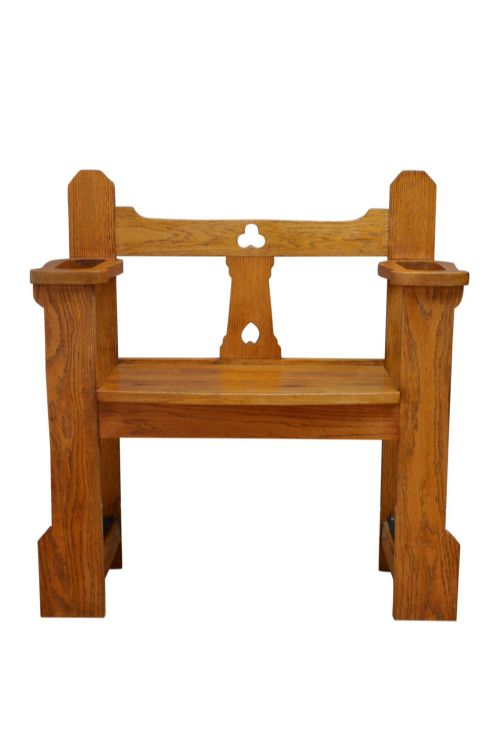
Victorian pieces often favour heavier Gothic Revival motifs, deep oak carving, and more robust dimensions inspired by medieval furniture styles.
Are these chairs comfortable for daily dining use?
Most of these seats feature rigid wooden panels and upright backs designed for short rests rather than relaxed dining.
While some buyers do utilise sturdy antique sets around a table, their original purpose was purely functional and decorative within a hallway setting.