



Antique English Green Glass
Antique English green glass brings vibrant colour and tactile weight to a room, ranging from deep Bristol tones to bright uranium hues.
Antique English Green Glass
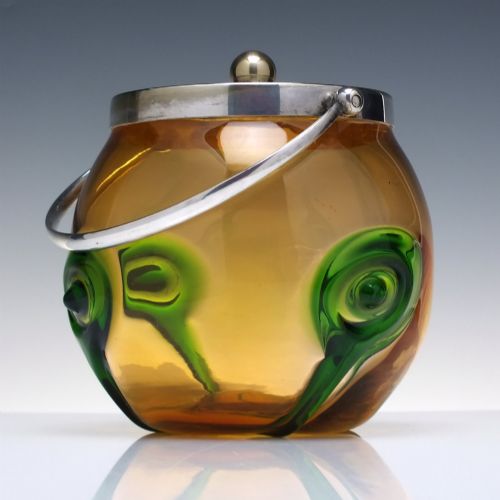
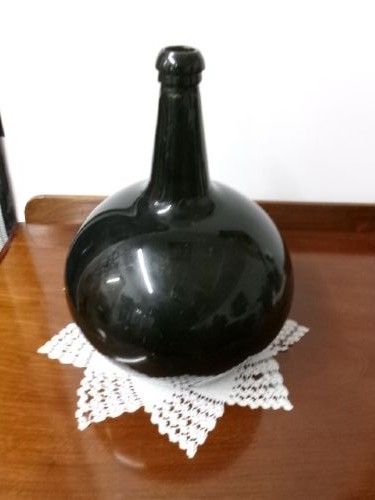
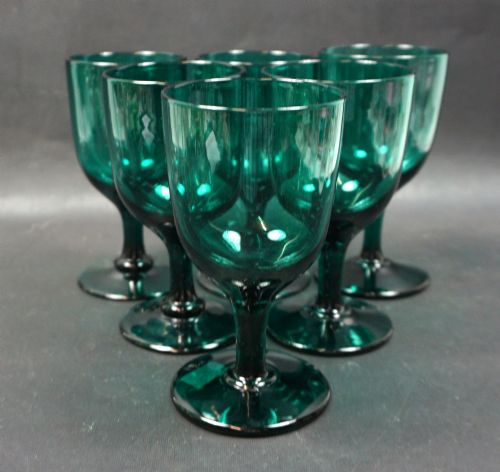
When you search for antique English green glass, you encounter a diverse array of domestic and decorative objects spanning the Georgian, Victorian, and later periods. These items include wine glasses, rummers, decanters, scent bottles, vases, and paperweight dumps designed for functional use or cabinet display.
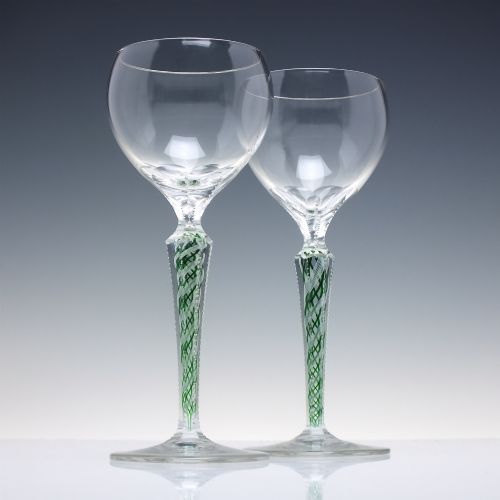
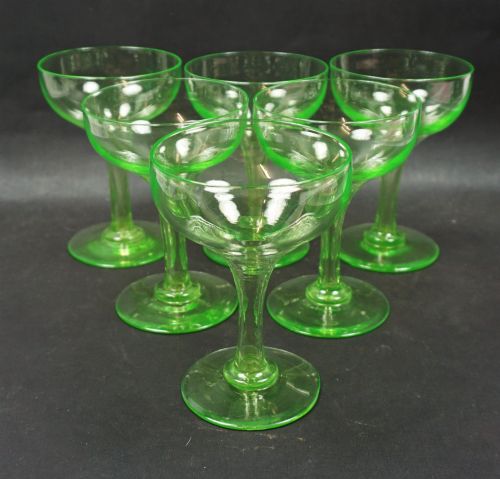
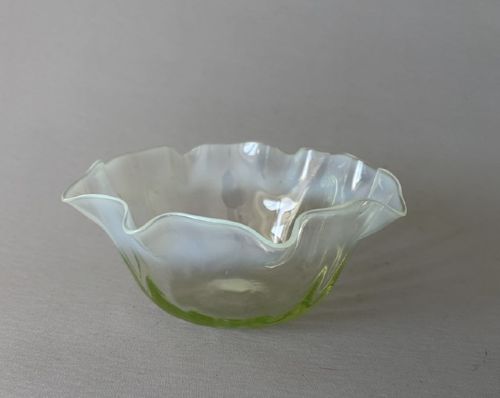
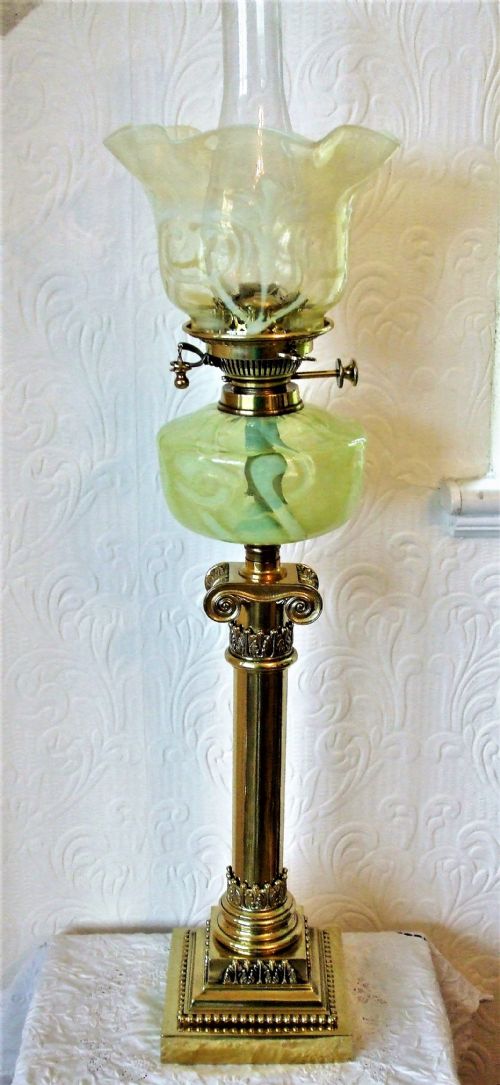
The pieces most frequently met on this page date from the nineteenth century, featuring rich shades achieved through traditional metal oxide mixtures in the glasshouse. Tableware such as wine glasses and champagne coupes appear alongside decorative vessels like epergnes, oil lamps, and apothecary bottles.
Materials and production methods
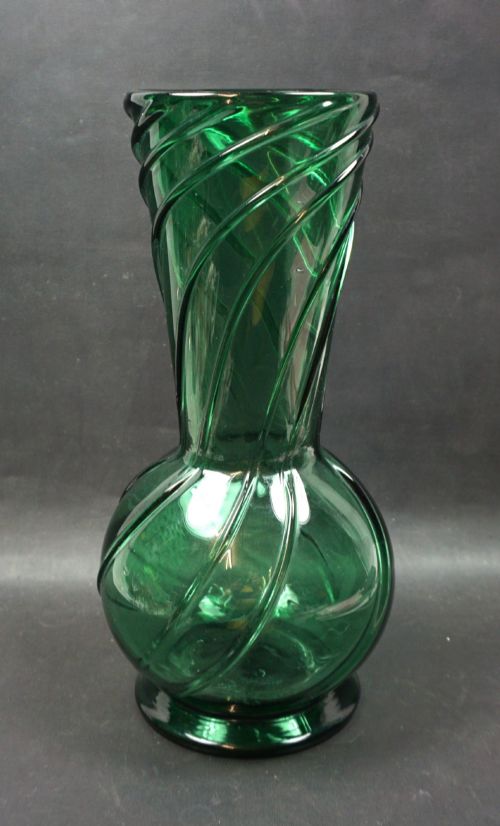
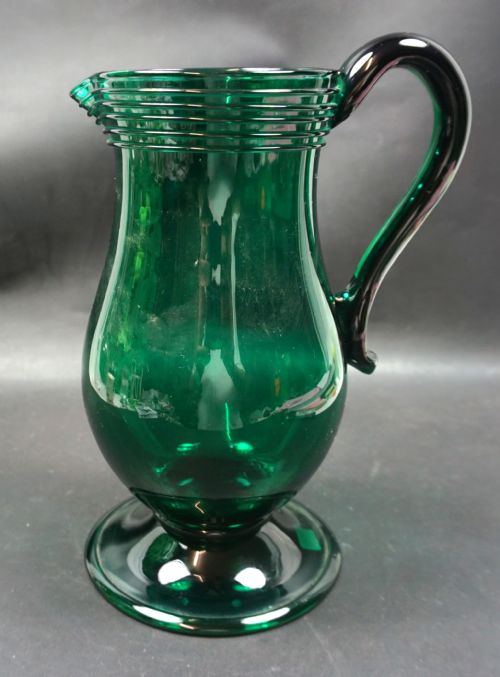
Glassmakers created these items using hand-blown techniques, often employing rib-moulding, wrythen twists, or folded feet to shape the molten metal. The characteristic green colour derived from mineral oxides added to the batch, producing tones from pale vaseline and uranium hues to dark bottle glass and bright turquoise.
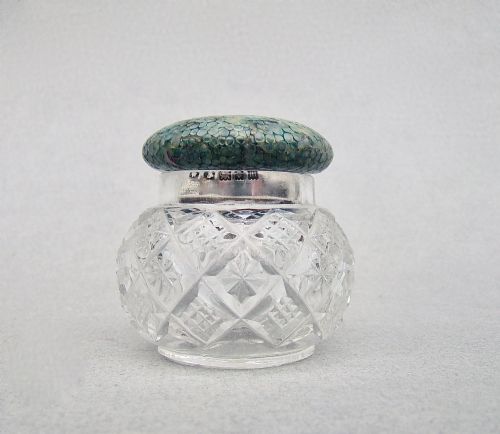
Mounts and embellishments incorporated sterling silver, silver plate, brass, pewter, and enamel, particularly on scent bottles, decanters, and oil lamps. Engraving, intaglio cutting, and sulphide inclusions added further decorative detail to standard blown forms.
Antique English Green Glass Retail Price Guide 2026
Typical asking prices for english green glass among the pieces listed under this phrase on Sellingantiques today, from the lower quarter to the upper quarter. They describe what is for sale here now, not the wider market.
Solid glass dumps served as heavy doorstops or garden ornaments, often hiding tiny ceramic thistles inside.
Distinctions in quality
Quality rests upon the crispness of the hand-blown form, the purity and depth of the green glass metal, and the finesse of any secondary materials like sterling silver collars or intaglio engraving. Pieces bearing attributable maker signatures or distinct stylistic traits from workshops show superior design execution.
The weight, balance, and lack of distracting surface distortion in the vessel wall differentiate standard utilitarian items from finer cabinet pieces and matched sets of tableware.
Stuart & Sons·Stevens & Williams·Whitefriars·Mappin & Webb
The Antique English Green Glass Glossary
- Bristol glass
- A term loosely applied to coloured lead glass produced in the Bristol area, particularly rich green vessels intended for wine and spirits.
- Uranium glass
- Glass containing small amounts of uranium dioxide, which glows a vivid green under ultraviolet light and was popular in Victorian and later tableware.
- Wrythen
- A decorative optical twist moulded into the body of glassware, creating a spiral pattern in the walls of jugs, decanters, and vases.
- Sulphide
- A small white ceramic cameo embedded within clear or coloured solid glass, often seen in nineteenth-century dumps and paperweights.
- Roemer
- A traditional heavy drinking vessel featuring a ribbed spherical bowl and a hollow cylindrical stem, common in export and tavern glassware.
Antique English Green Glass: Frequently Asked Questions
What is Bristol green glass?
Bristol green glass refers to deeply coloured dark green glassware traditionally associated with the West Country manufacturing centre during the Georgian and Victorian eras.
Such glass served primarily for wine bottles, finger bowls, and tableware designed to protect contents from sunlight.
How do I identify uranium glass?
Uranium glass displays a bright yellow-green tint in normal daylight and emits a distinct fluorescent green glow under an ultraviolet blacklight.
The historical inclusion of uranium oxide creates this optical reaction, which collectors test for when examining nineteenth and twentieth-century pieces.
Were these green glass items used daily?
Many items such as wine glasses, rummers, and decanters saw regular use on dining tables and in domestic serving routines throughout the Georgian and Victorian periods.
Other objects like glass dumps, floral pots, and epergnes remained static decorative ornaments within the Victorian parlour.
How should I clean antique glass?
Antique glass requires gentle hand washing in warm water with mild soap, avoiding harsh scrubbing or ultrasonic cleaning machines.
Sudden temperature changes must be avoided to prevent thermal shock and stress fractures in historical metal.