

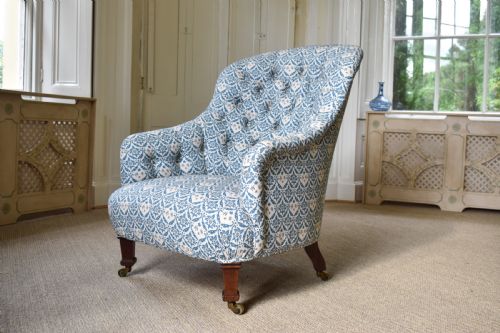
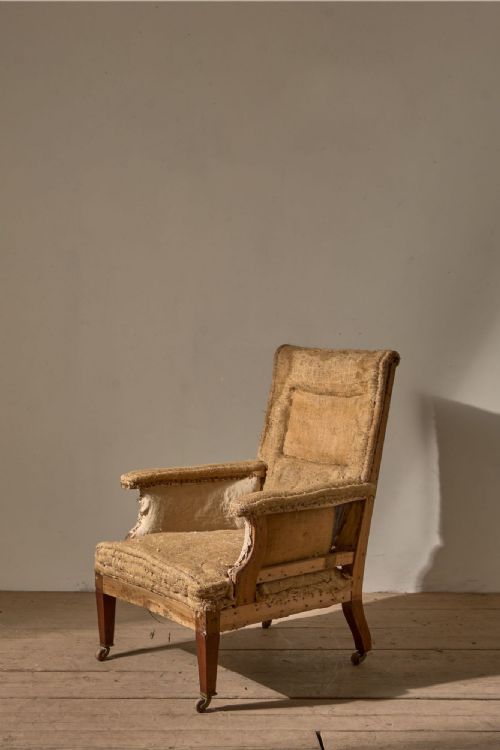
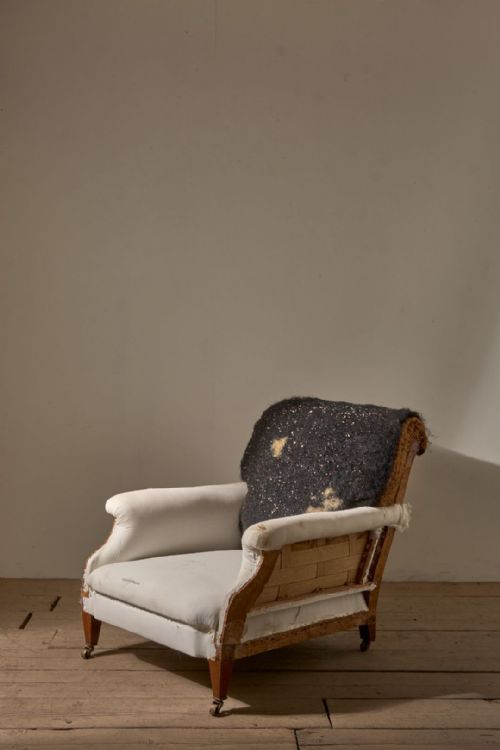
Antique English Easy Chair
An antique english easy chair offers deep comfort and traditional upholstery, bringing nineteenth-century sitting rooms to life.
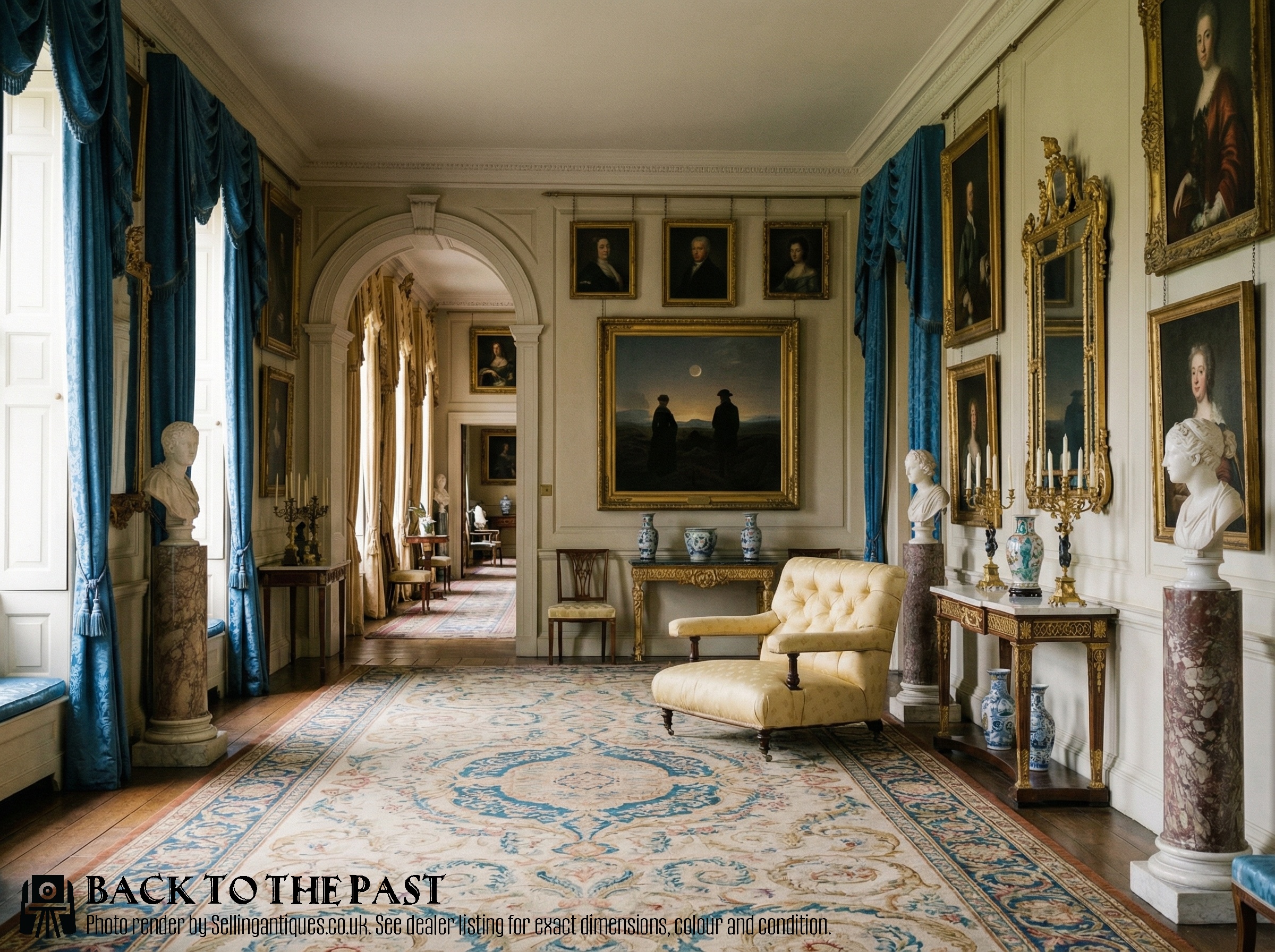
Antique English Easy Chair
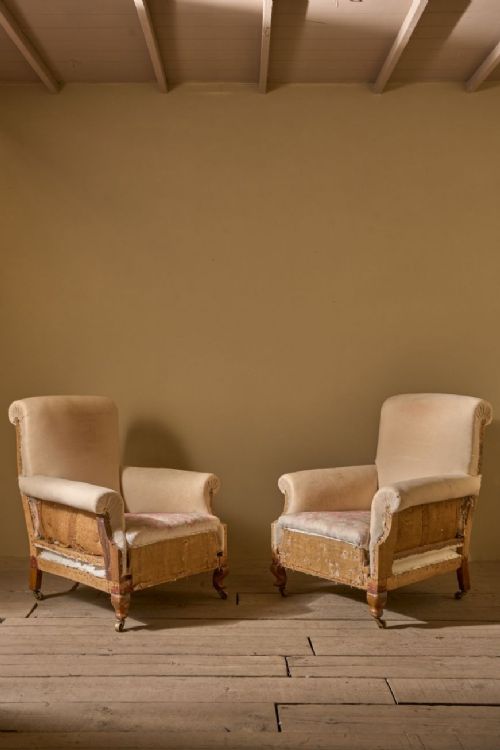
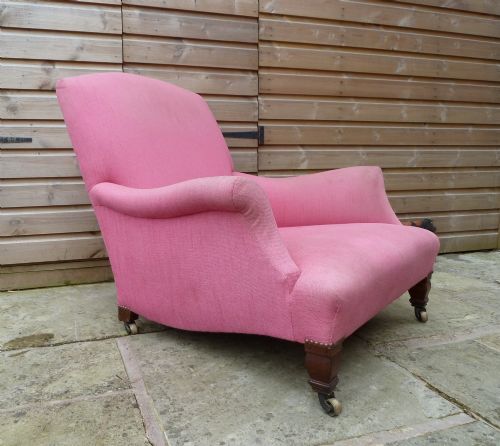
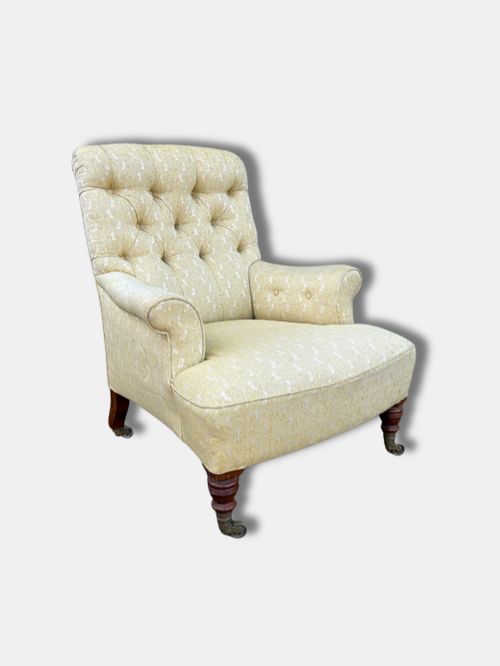
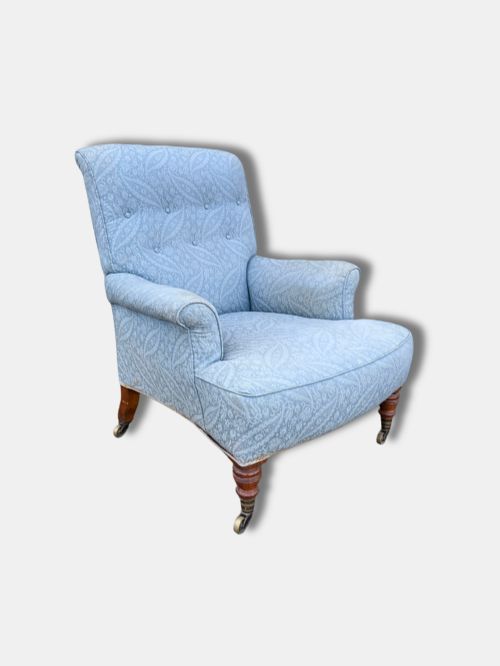
An antique english easy chair is a deeply cushioned seating form designed for relaxation, spanning nineteenth-century Victorian workshops to Edwardian drawing rooms. Buyers seeking this category encounter generous proportions, deep seats, and upholstered frames built for comfort.
The selections on this page heavily feature nineteenth-century and Victorian examples, alongside Edwardian and 1930s traditional forms. Makers and styles range from plain country house models to sophisticated upholstered armchairs.
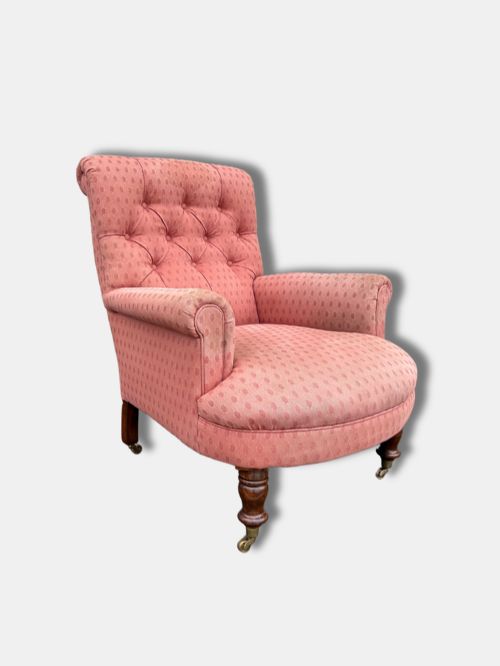
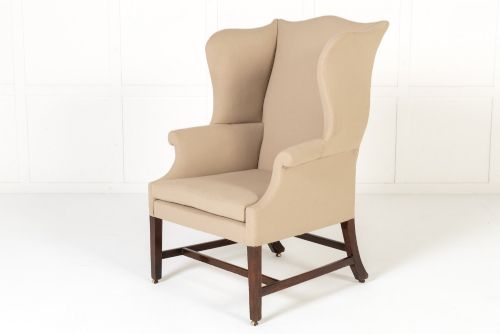
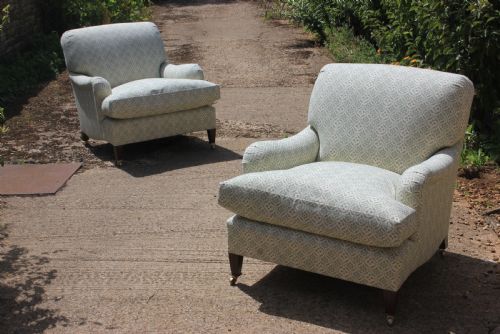
Forms include wingbacks, club chairs, and Bridgewater styles, often constructed with low seats and substantial armrests. Many pieces display specific stylistic revivals or bear attribution to prominent cabinet makers.
How they were made
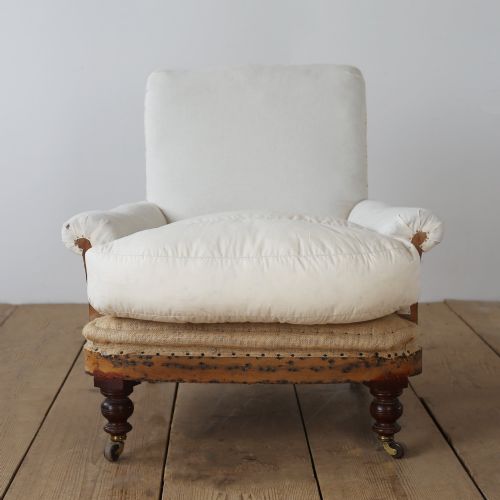
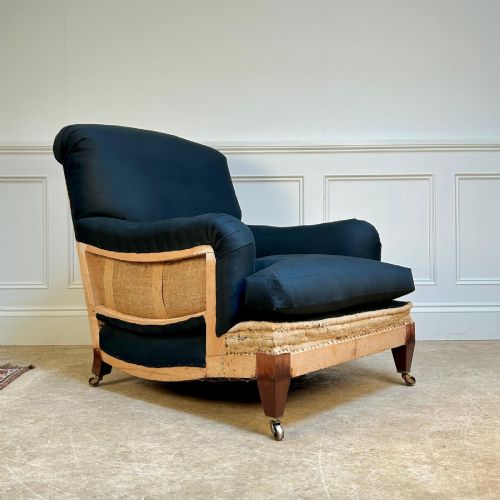
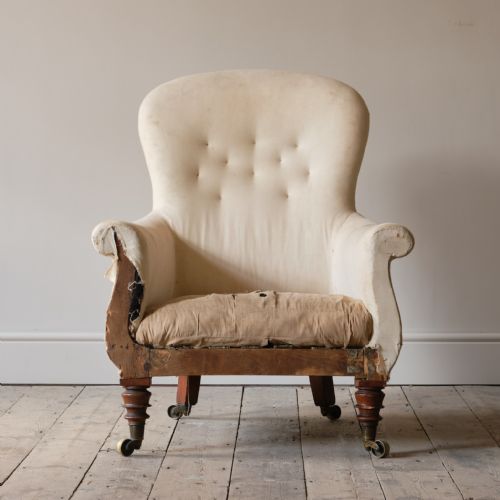
Frames rely on hardwood timbers such as mahogany, walnut, and general hardwoods, providing a sturdy skeleton for heavy upholstery. Visible woodwork on legs and arms is frequently polished or turned.
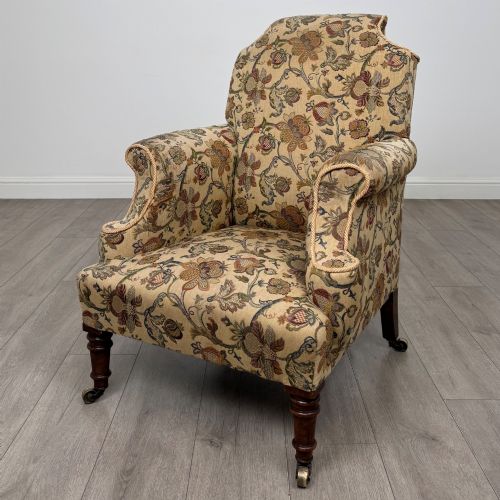
Upholstery techniques involve traditional stuffing materials enclosed in calico, ticking, or finished covers of velvet, leather, and fabric. Brass castors frequently support the legs for ease of movement across carpets.
Original brass castors often bear tiny stamped maker marks, revealing the hidden signatures of nineteenth-century hardware artisans.
What varies in quality
Quality rests in the integrity of the internal wooden frame and the depth of the proportions. Substantial timber construction provides lasting stability.
The finesse of the upholstery work and the choice of outer covering distinguish standard seating from exceptional examples. Pieces bearing maker stamps or specific attribution hold distinct provenance.
Howard and Sons·James Shoolbred·Trollope and Sons·Gillows·Hamptons and Sons·Mellier and Co
The Antique English Easy Chair Glossary
- Calico
- A plain-woven unbleached cotton fabric often used as the inner upholstery stage before final covering. It provides a tight foundation for buttoning and stuffing.
- Ticking
- A heavy, durable cotton or linen material traditionally woven in stripes, frequently utilised for country house loose covers and upholstery foundations.
- Wingback
- An armchair featuring side panels or wings attached to the armrests, designed originally to shield the sitter from draughts. These forms appeared frequently in nineteenth-century drawing rooms.
- Button back
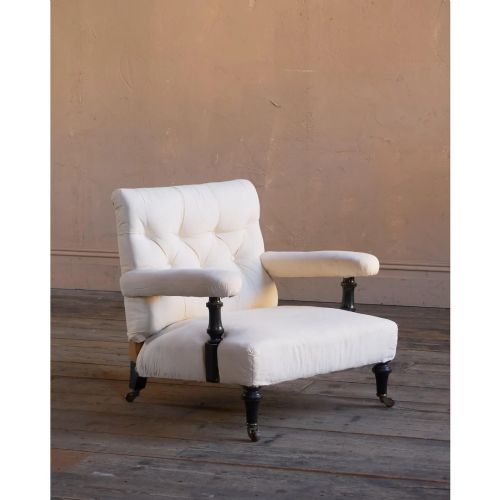
- An upholstery style where depressions are formed in the padding by pulling buttons deep into the stuffing. This secures the filling and creates a patterned grid.
Antique English Easy Chair: Frequently Asked Questions
What is an easy chair?
An easy chair is a deeply upholstered, comfortable armchair designed for lounging rather than formal dining or writing. These seats usually feature generous padding and low proportions.
Victorian and Edwardian examples dominate this category, offering sturdy wooden frames hidden beneath layers of traditional stuffing and fabric.
How do I identify a Howard and Sons chair?
Howard and Sons chairs typically feature low, deep seats, distinctive turned walnut legs on brass castors, and stamped markings on the castors or frame. Their designs prioritised supreme comfort.
Many pieces also appear in characteristic ticking covers or bear specific model names associated with the firm.
Where should I place an antique armchair?
These armchairs suit studies, drawing rooms, or reading corners where their generous proportions can be appreciated. Their traditional styling anchors a room with historic character.
Ensure adequate floor space is available, as nineteenth-century club and wingback forms often possess large footprints.
Are these chairs comfortable for daily use?
Yes, nineteenth and early twentieth-century easy chairs were built for sustained relaxation with deep springing and soft stuffing. Their ergonomic proportions rival modern seating.
Period pieces maintain structural resilience through robust hardwood frames and traditional hand-tied upholstery methods.