

Antique English Desk
An antique english desk brings tangible history into a study, offering time-worn timber and functional writing surfaces shaped by centuries of craftsmanship.
Antique English Desk
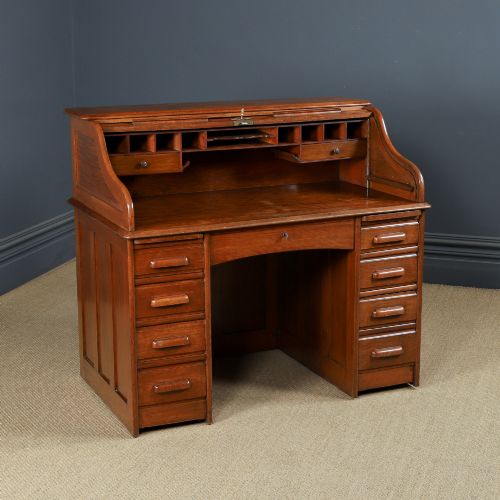
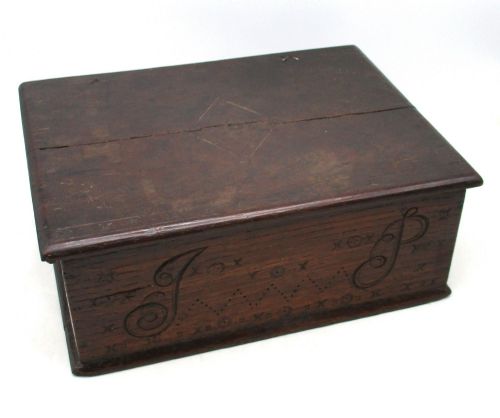
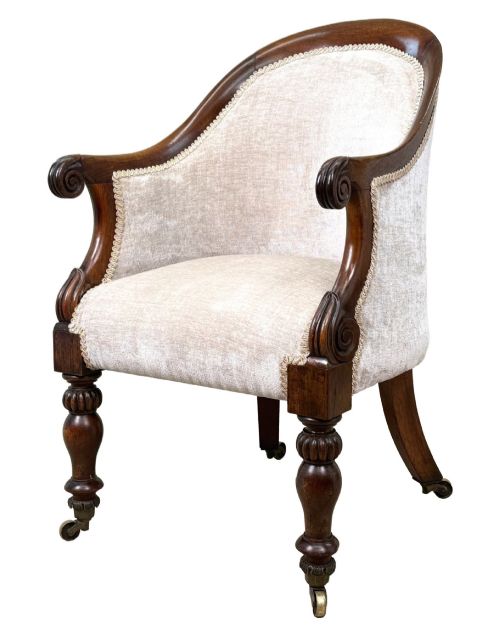
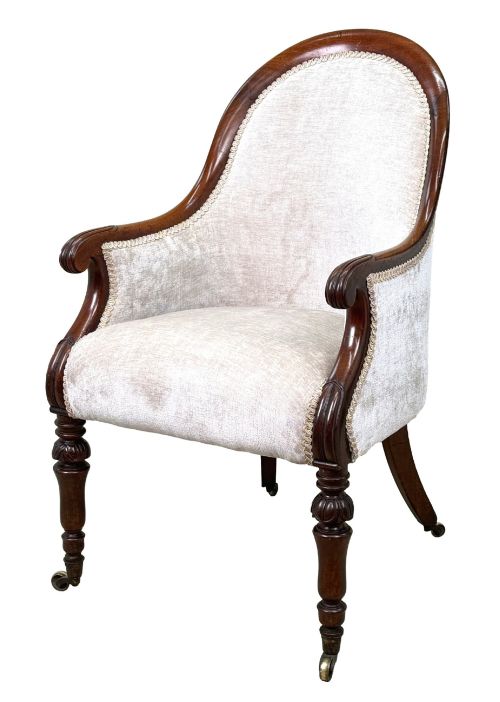
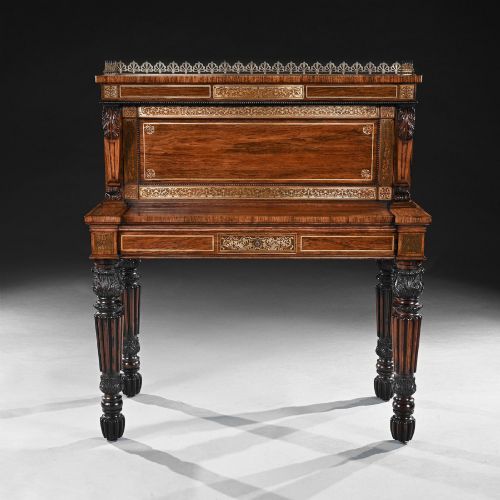
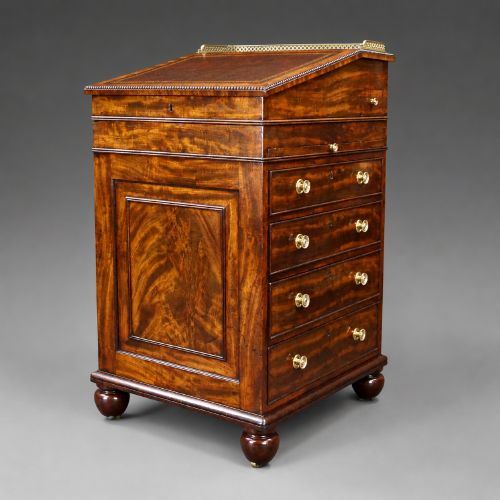
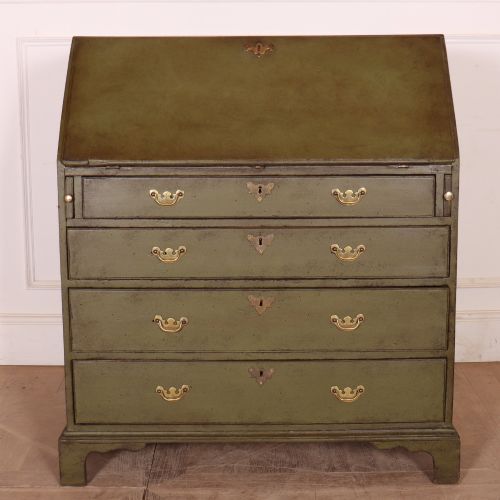
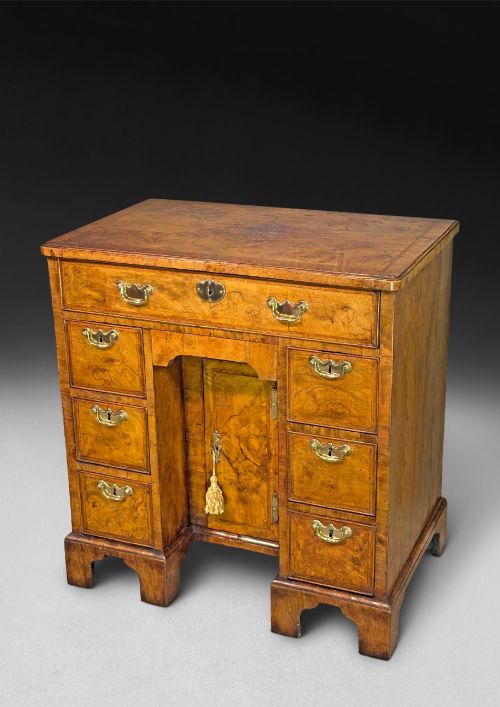
When buyers search for an antique english desk, they encounter form spanning multiple centuries, from austere 18th-century writing chests and kneehole desks to substantial Victorian pedestal desks and Edwardian revolving office chairs. The selection ranges from compact walnut bureaux and Davenport desks to twin-pedestal partner's desks designed for shared workspaces.
Georgian and Regency examples typically present clean architectural lines in mahogany and walnut, while later Victorian and Edwardian iterations incorporate utilitarian leather inserts and rotating mechanisms. Buyers frequently find walnut, mahogany, and oak variations spanning the Georgian, Victorian, and Edwardian periods.
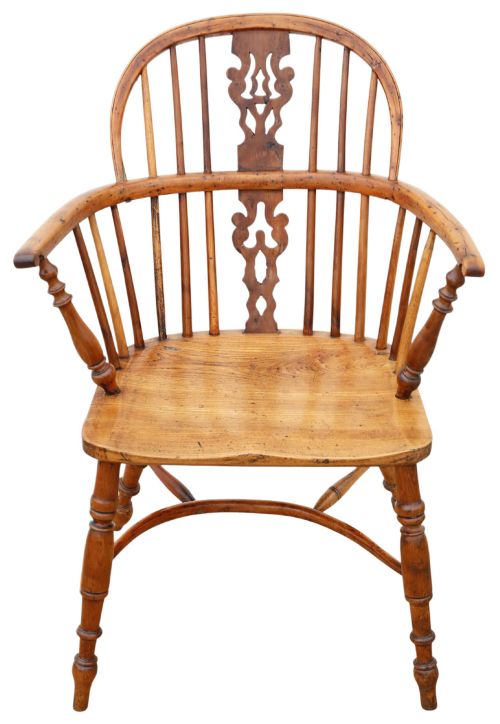
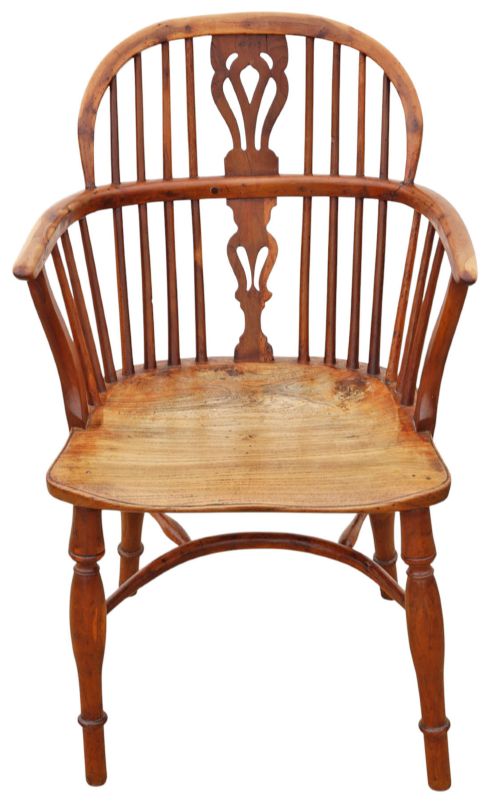
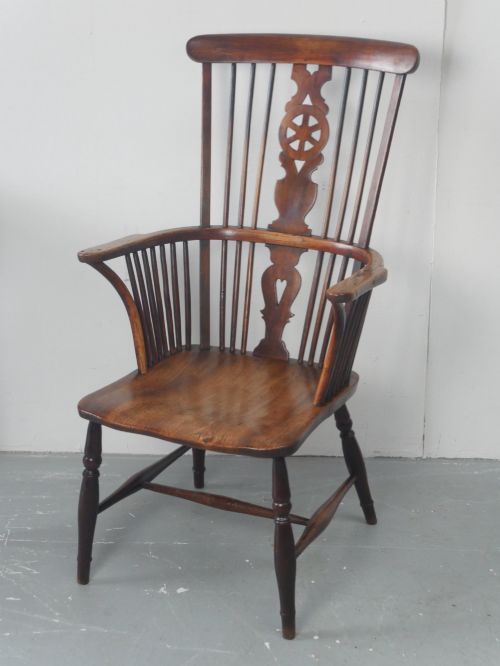
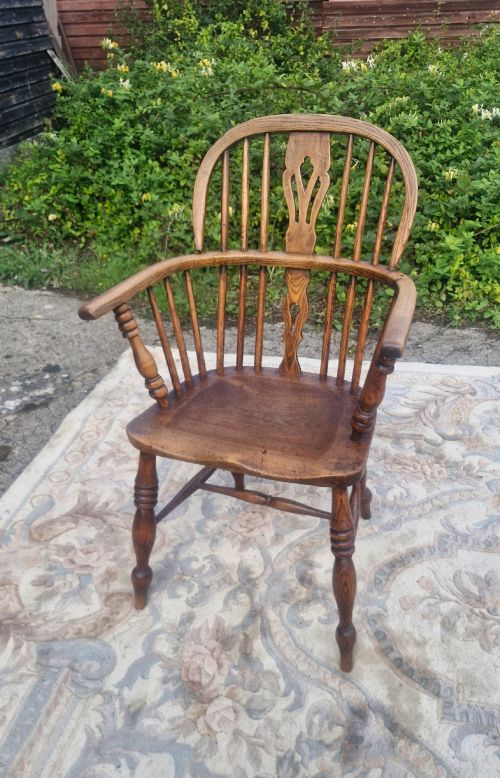
Country pieces constructed from elm, ash, and yew also appear, showing simpler vernacular traditions alongside metropolitan cabinet-making. These forms serve modern studies, libraries, and home offices while retaining period construction methods.
How They Were Made
Cabinet-makers relied on solid hardwoods like mahogany, oak, and walnut, frequently utilising figured veneers over secondary timbers for drawer fronts and writing surfaces. Joinery relied on precise dovetail joints for drawer construction and mortise-and-tenon frames for structural stability.
Secondary materials included brass for handles, escutcheons, and casters, alongside fitted leather panels inset into writing surfaces. Hand-rubbed wax finishes protected the timber while highlighting natural grain patterns.
Desks frequently harbour hidden secret compartments behind removable pigeonhole blocks, designed for storing private correspondence.
What Varies in Quality
Quality rests upon the selection of timber figures, the precision of dovetail joinery, and the retention of original brass hardware and leather surfaces. Superior pieces display thoughtful grain matching across drawer banks and harmonious proportions appropriate to their period.
Later alterations, replaced handles, or heavily sanded secondary timbers diminish desirability, whereas untouched patination and documented workshop attributions elevate standing among collectors.
Gillows Oxford Street Workshop·William Neale·Bell Barn Furniture·Arthur Simpson
The Antique English Desk Glossary
- Bureau
- A sloping writing flap enclosing fitted small drawers and pigeonholes above a chest of drawers. This form provides compact storage for correspondence.
- Kneehole desk
- A compact desk featuring a central recess for the sitter's legs, flanked by pedestals of small drawers. They emerged during the early Georgian period.
- Partners desk
- A large double-sided pedestal desk designed with drawers and cupboards on both opposing faces. It allowed two people to work opposite one another.
- Davenport
- A small compact desk featuring a sloping, hinged writing surface and a set of side drawers. They gained popularity during the Regency period.
- Dovetail
- An interlocking joint formed by interlocking wedge-shaped fingers. It secures drawer corners against tensile pull.
Antique English Desk: Frequently Asked Questions
How do I identify a Georgian desk?
Georgian desks typically exhibit rectilinear proportions, figured mahogany or walnut veneers, and brass swan-neck handles mounted on backplates.
Drawer construction uses hand-cut dovetails with oak or deal secondary linings inside the carcase.
What is a partner's desk used for?
Partner's desks were built with identical workspace configurations on both front and reverse sides, allowing two individuals to work face-to-face.
They offer extensive drawer and cupboard capacity within two supporting pedestals.
How should I care for leather desk inserts?
Leather writing surfaces require periodic cleaning with mild soap and conditioning with specialised wax or balm to prevent cracking.
Avoid placing damp items directly on historic leather to protect the underlying timber.