
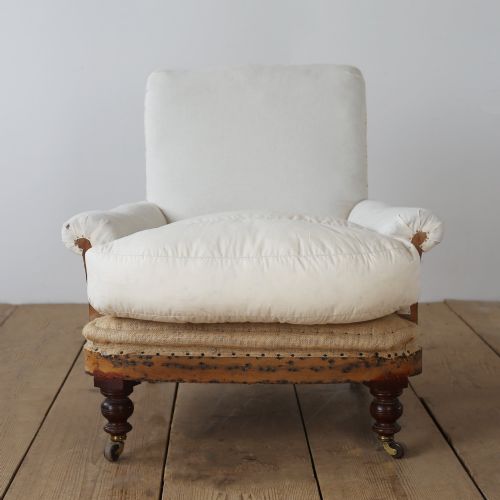
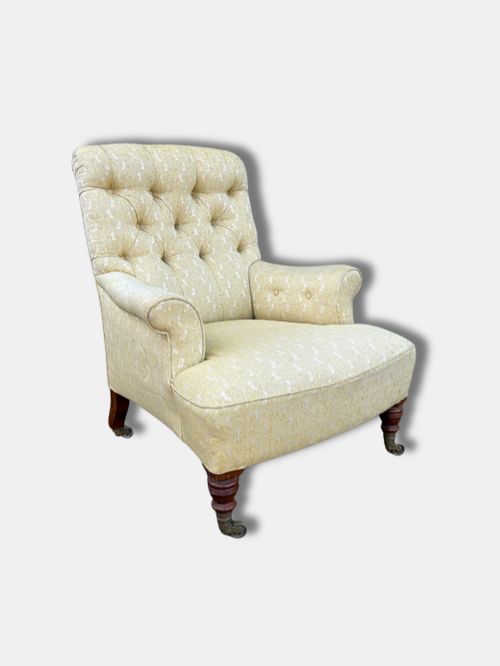
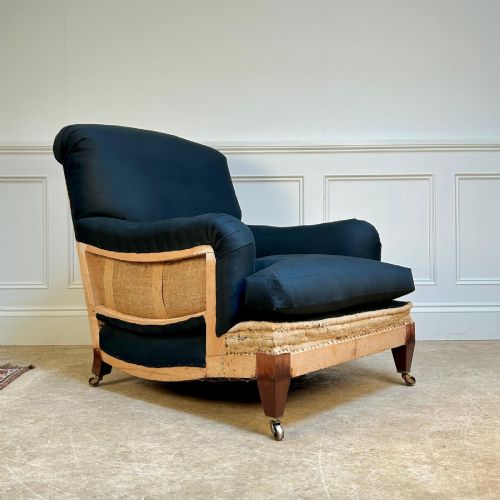
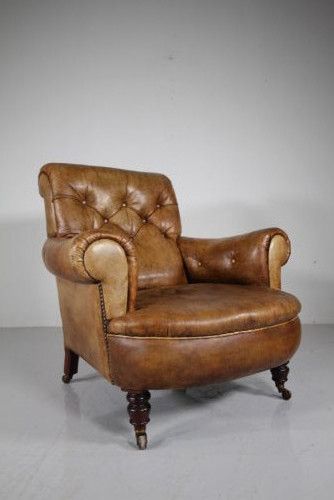

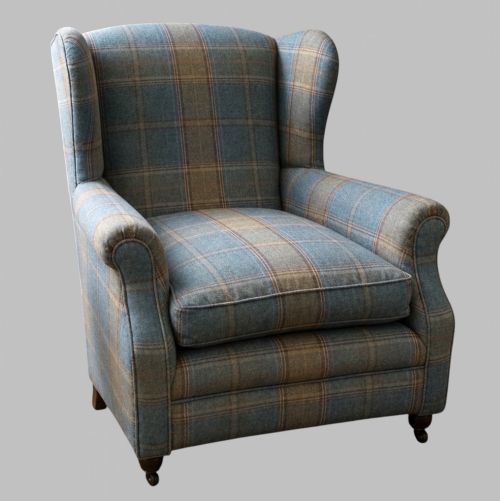
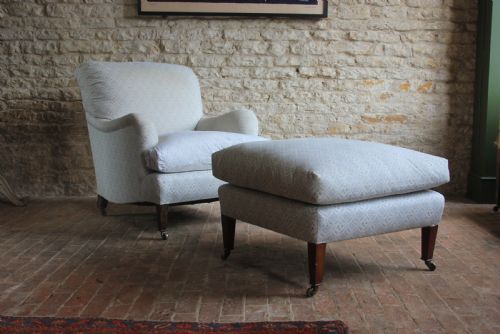
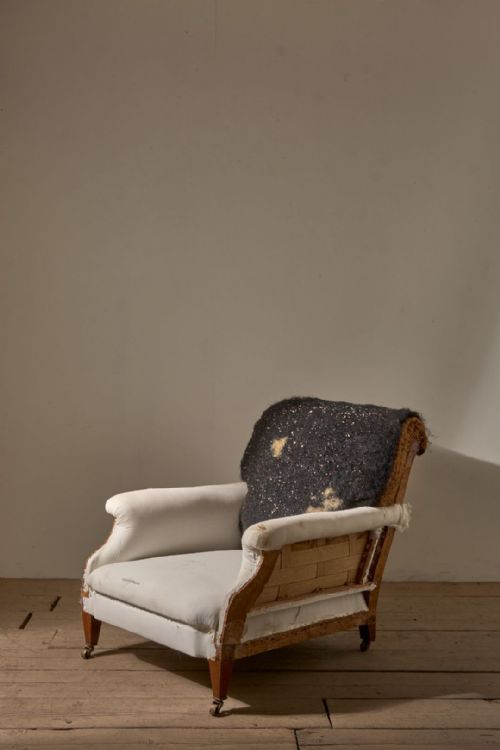
Antique English Club Chair
When you search for an antique english club chair, you seek deep, low-slung seating designed for sinking into after a long day.
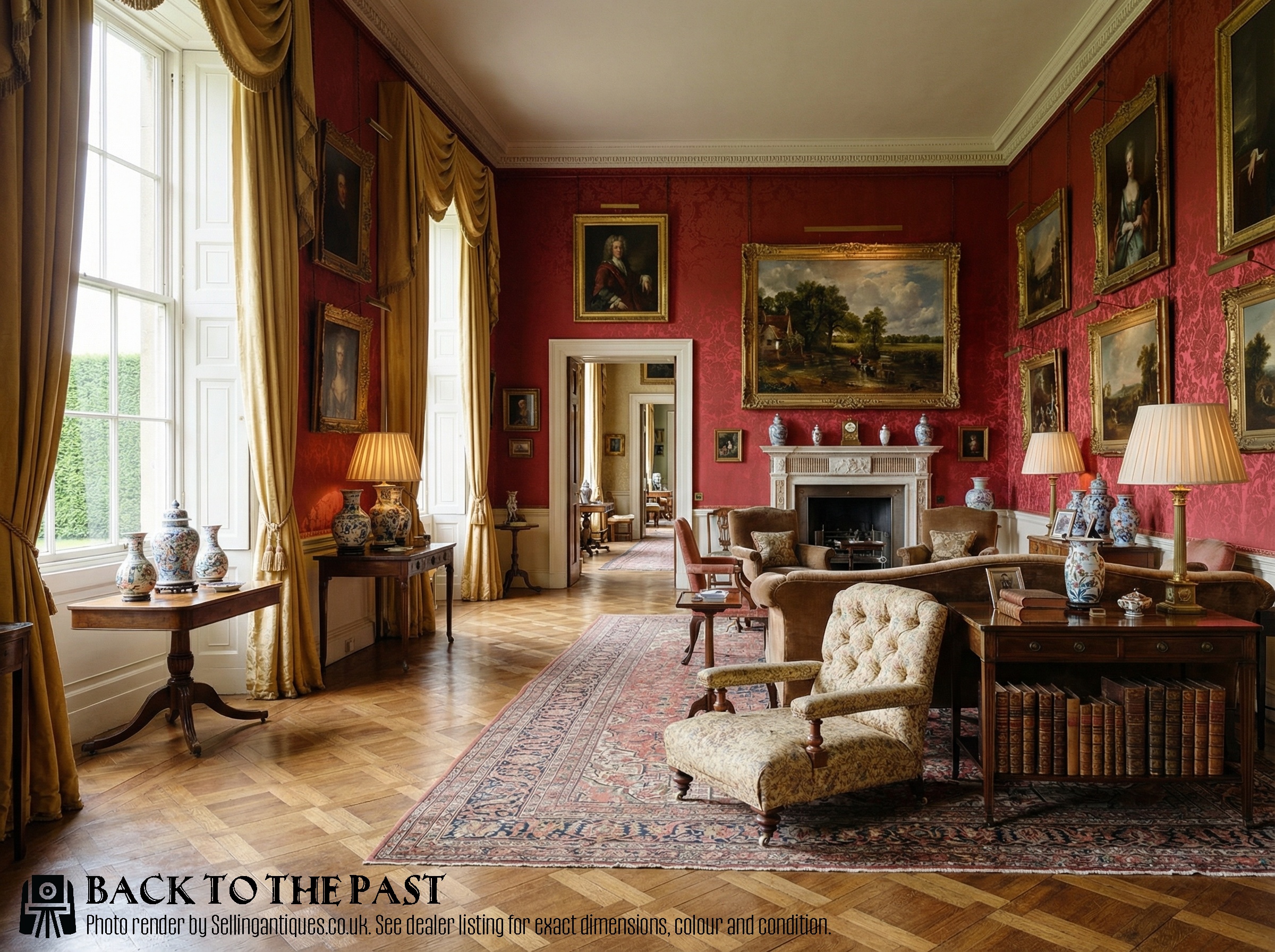
Antique English Club Chair
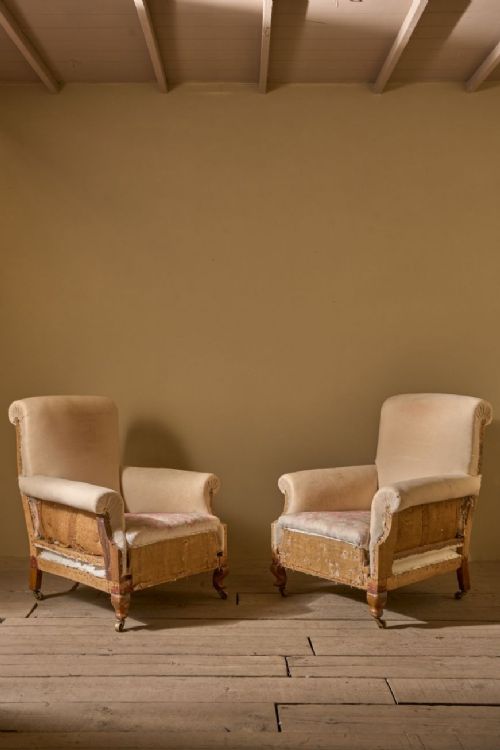
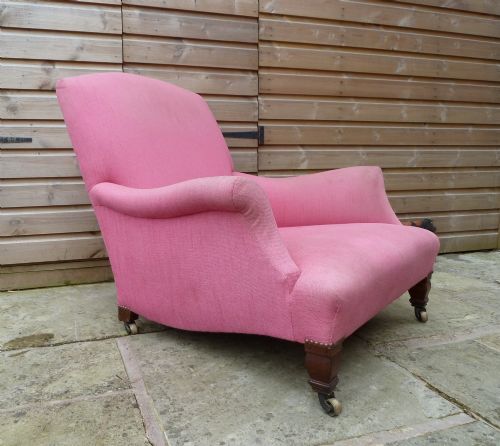
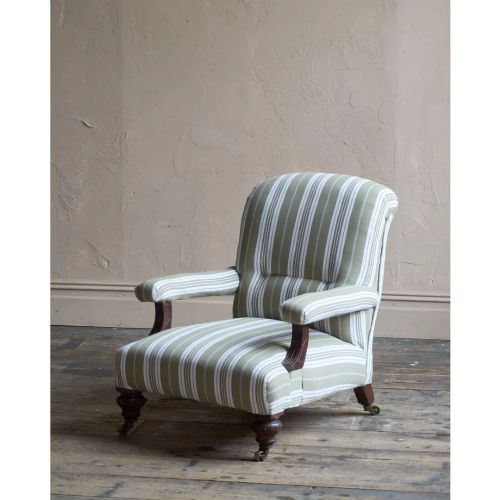
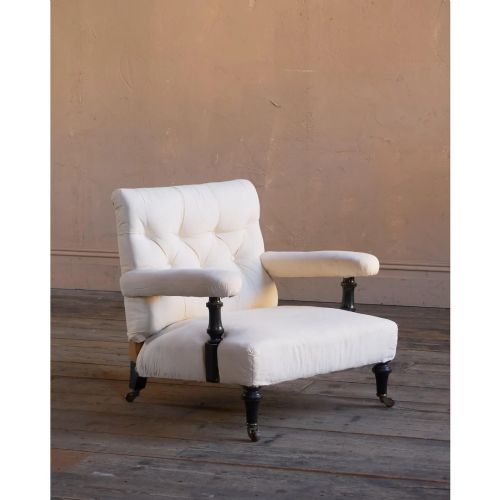
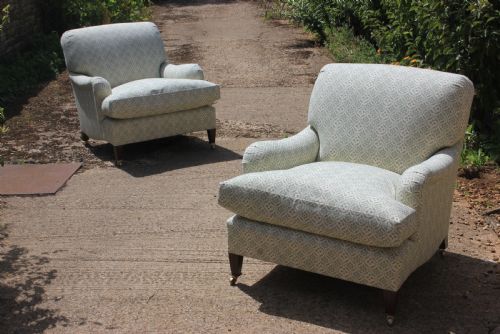
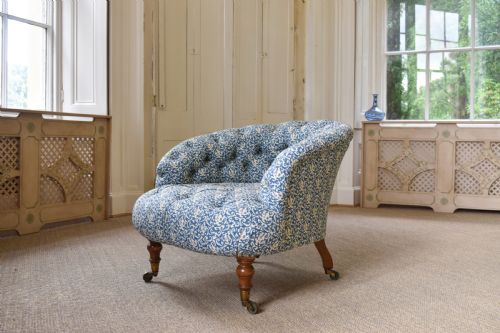
The search for an antique english club chair brings together low, deeply padded armchairs intended for prolonged relaxation in libraries, studies, and drawing rooms. These seating options emerge primarily from the nineteenth and early twentieth centuries, spanning Victorian, Edwardian, and Art Deco periods.
The pieces on this page range from compact library chairs to generously proportioned country house models and sophisticated London workshop productions. Many examples show the influence of prominent nineteenth-century makers, while others display the restrained elegance of traditional English country house taste.
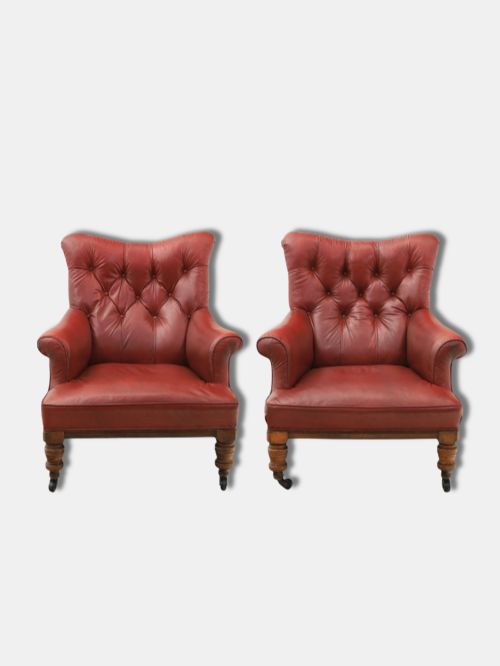
Buyers will encounter heavily sprung open armchairs, low lounge seats, and substantial models upholstered in deep-buttoned leather, calico, or heavy ticking. The most common survivals combine solid timber frames with generous padding designed to offer maximum physical comfort.
Materials and Construction
Makers built these frames using dense hardwoods such as mahogany, walnut, oak, beech, and elm to ensure structural stability under heavy daily use. These concealed wooden skeletons support complex coil-spring assemblies tied by hand to distribute weight evenly across the seat.
Upholstery methods relied on natural stuffings like horsehair, wool, and flock layered over springs before being secured beneath durable outer coverings. Outer materials vary widely across the inventory, encompassing full-grain leather, oxblood rexine, plush velvet, calico, and robust striped ticking.
Listings feature frames dating from the mid-nineteenth century through the 1930s, constructed in walnut, mahogany, oak, and beech.
Evaluating Quality
Superior examples reveal themselves through the integrity of their internal framing and the responsiveness of the original coil springing. Workshop execution dictates how well the upholstery retains its intended profile over decades of heavy habitation.
The selection of primary framing timbers and the precision of joinery separate utilitarian workshop output from exceptional commissions. Maker attribution, original upholstery components, and untouched patination on leather surfaces elevate specific specimens above standard production.
Howard and Sons·James Shoolbred·Trollope and Sons·Hamptons and Sons·Mellier and Co
The Antique English Club Chair Glossary
- Rexine
- A brand of leathercloth made from fabric coated with nitrocellulose mixture. It provided a durable, wipe-clean alternative to traditional hide during the early twentieth century.
- Ticking
- A heavy, tightly woven cotton or linen textile traditionally used as a strong foundation under loose covers or as an outer layer in country house interiors.
- Buttoned back
- An upholstery technique where indentations are formed by pulling twine or thread through deep padding to secure buttons at regular geometric intervals.
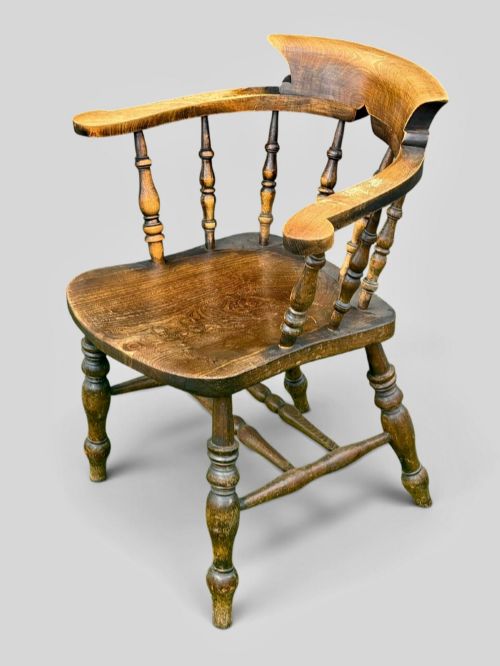
- Smokers bow
- A sturdy nineteenth-century wooden armchair featuring a low, rounded spindle back designed for domestic or tavern use.
- Club chair
- A heavily upholstered armchair characterised by deep proportions, a low back, and thick armrests designed for comfortable lounging.
Antique English Club Chair: Frequently Asked Questions
What defines an antique english club chair?
These seating forms are characterised by low profiles, generous depths, and thick padding intended for heavy domestic lounging. They typically emerge from Victorian and Edwardian workshops across England.
Constructed with robust internal frames and traditional stuffing materials, they prioritise physical comfort above formal parlour etiquette. Their scale allows them to anchor a room while offering exceptional support.
How do I care for leather upholstery?
Leather surfaces benefit from regular dusting with a dry cloth and occasional treatment with appropriate conditioning balms to prevent drying. Avoiding direct sunlight helps preserve the natural colour and suppleness of the hide.
Keeping these chairs away from intense heat sources prevents the historic material from cracking. Gentle maintenance ensures the patination remains stable over time.
Where were these armchairs originally used?
Such seating typically inhabited gentleman's clubs, private libraries, studies, and country house drawing rooms where relaxation took precedence. Their deep seats made them ideal for reading or resting for hours at a time.
Later Edwardian interiors also adopted these forms for informal morning rooms and lounges. Their versatility allowed them to transition easily from formal spaces to private quarters.
How can I distinguish Edwardian from Victorian examples?
Victorian specimens often display heavier proportions, darker walnut or mahogany frames, and frequently feature deep buttoning or turned timber legs. Their silhouette tends to be formal and substantial.
Edwardian iterations frequently introduce lighter woods, relaxed country house aesthetics, and simplified lines suited to less congested interiors. Upholstery styles also shift toward loose linen covers and softer cushioning.