
Antique Enamel Silver
Discover antique enamel silver pieces, where vitreous glazes meet precious metal to create functional and decorative objects from the late Victorian, Edwardian, and Art Deco eras.
Antique Enamel Silver
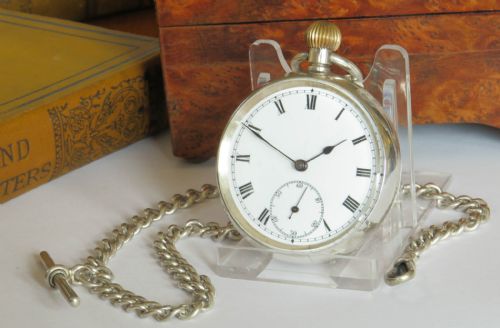
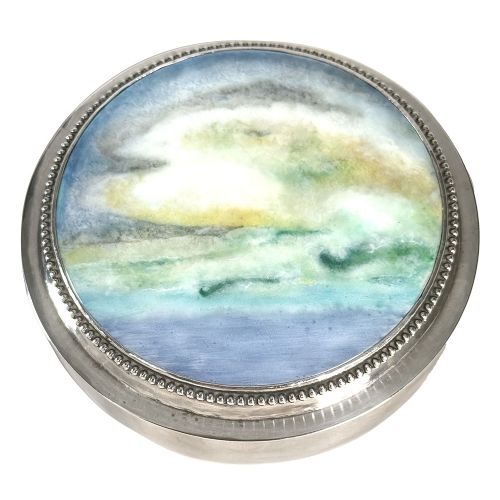
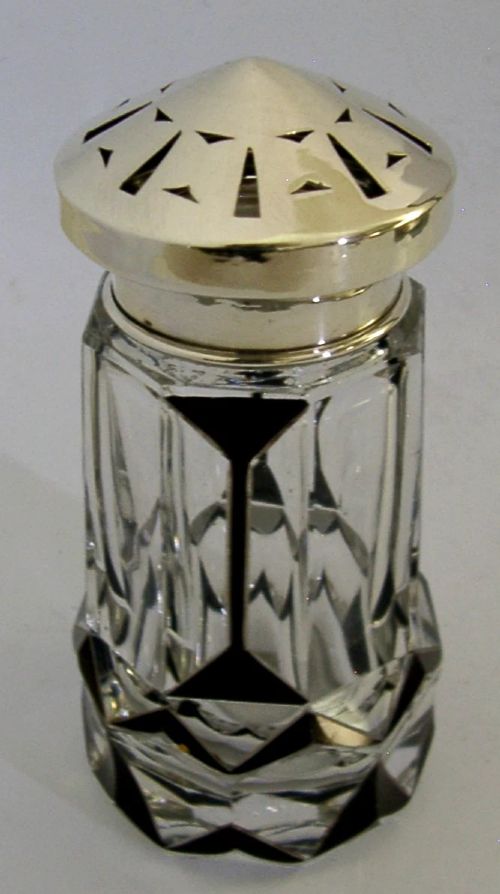
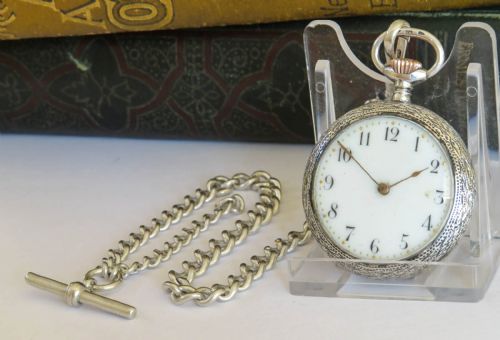
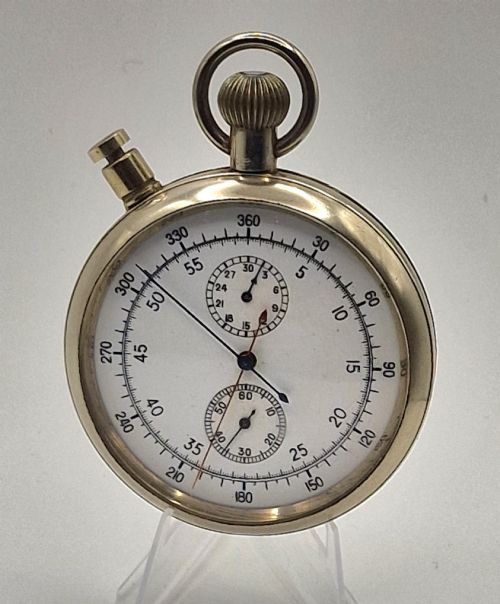
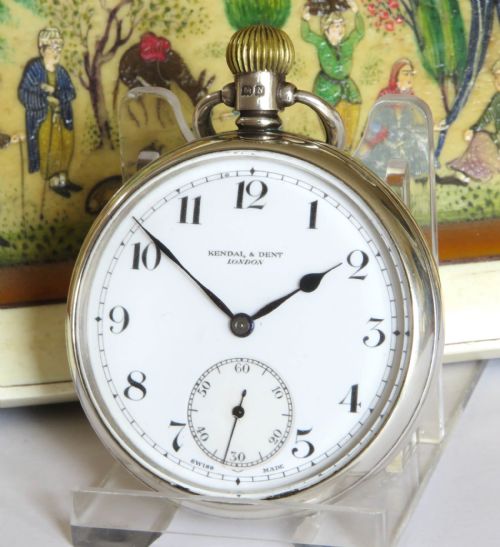
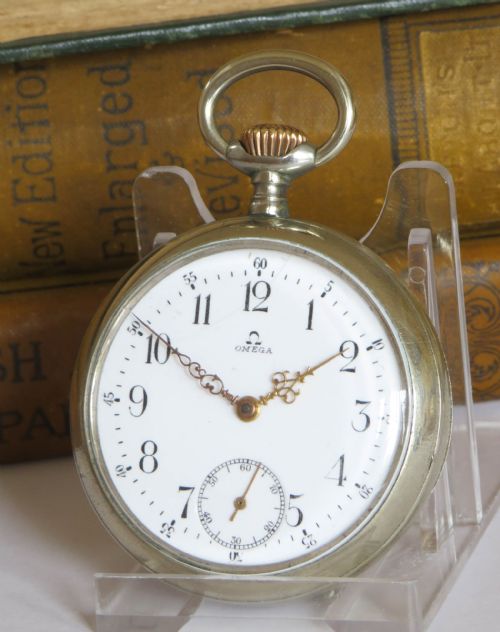
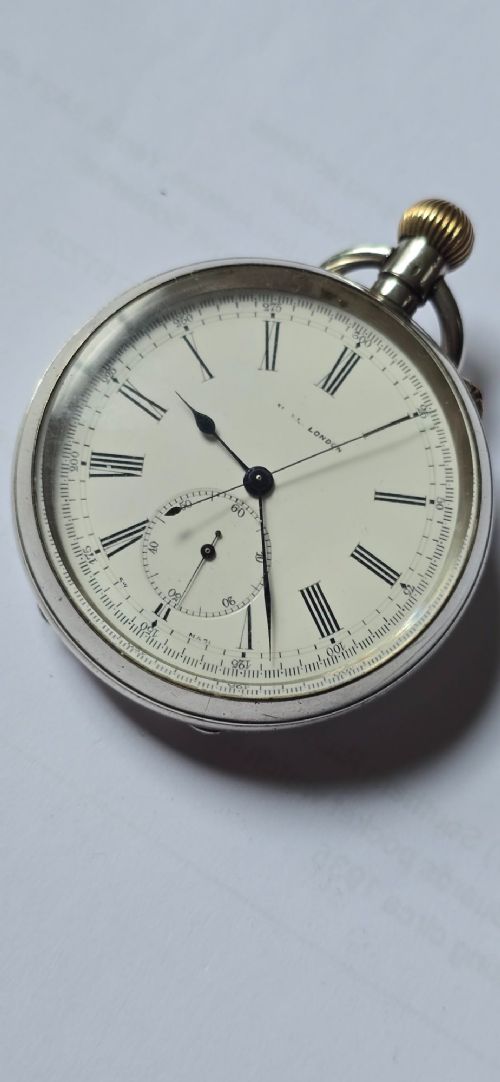
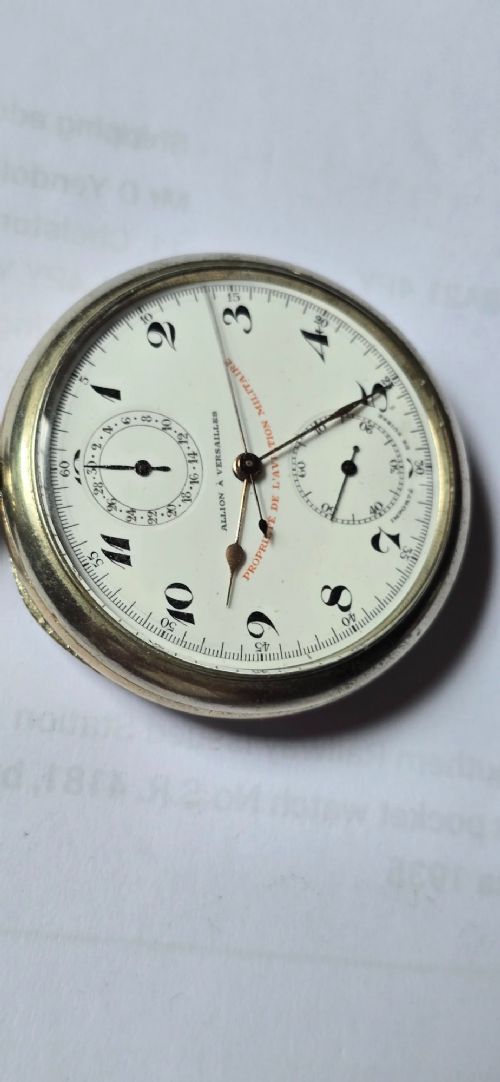
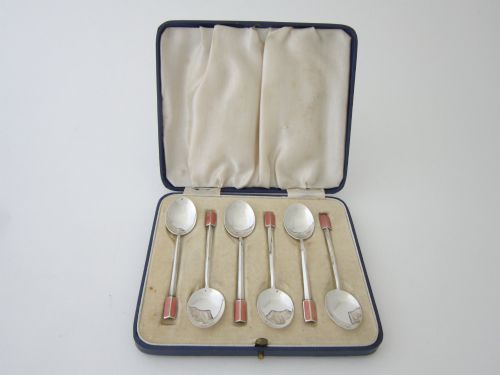
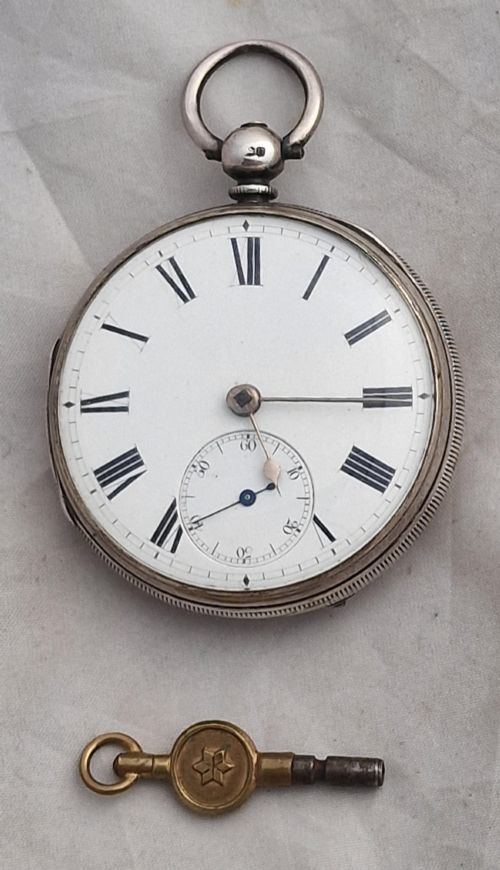
Antique enamel silver items span personal accessories, timepieces, and dressing table wares produced across the late nineteenth and early twentieth centuries. Collectors encounter pocket watches alongside intricate brooches, cigarette cases, compacts, and vanity jars.
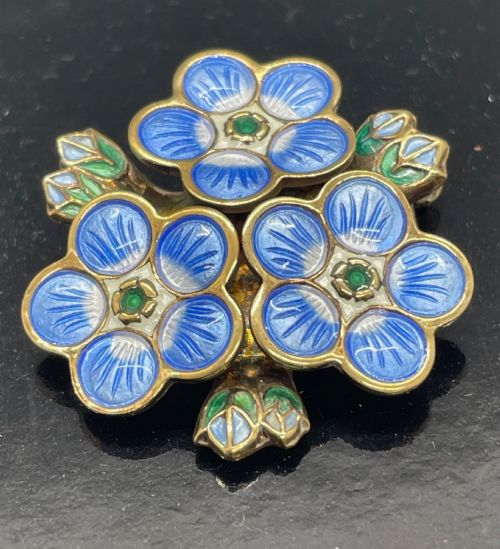
The selection reflects distinct design movements, including Edwardian refinement, Arts and Crafts handcrafting, and bold Art Deco geometry. Scandinavian workshops also contributed distinctive floral charms, thimbles, and holloware during these decades.
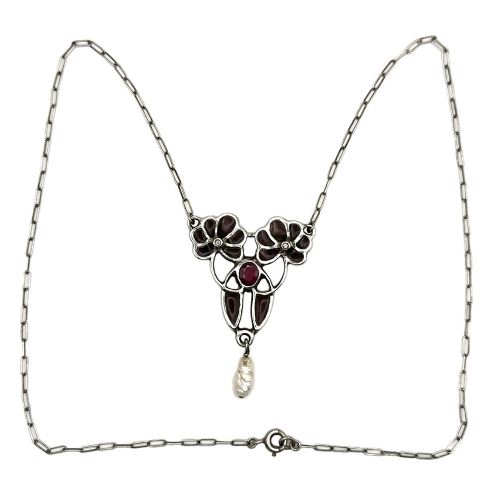
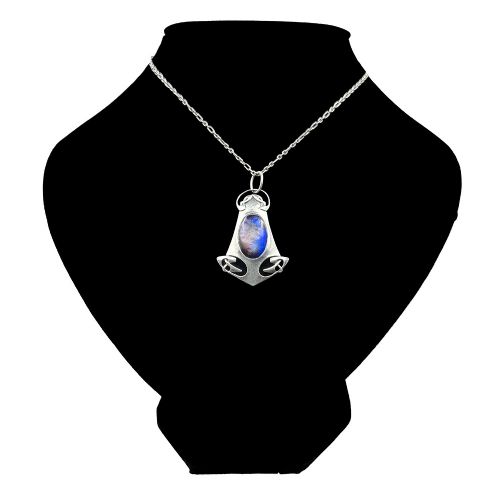
Smaller personal items such as vesta cases, pill boxes, and pendants dominate the available forms. Many carry hallmarks from Birmingham, Chester, or international assay offices that anchor their origins.
How they were made
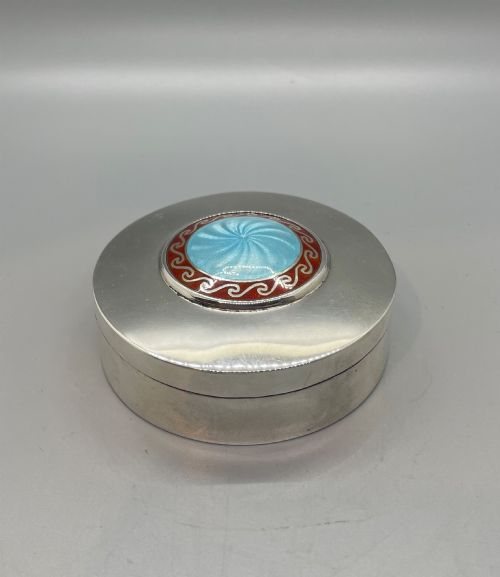
Craftsmen fused powdered glass directly onto sterling silver or silver gilt bases through high-temperature firing, creating durable vitreous surfaces. Guilloche techniques added precision machine-turned engraving beneath translucent enamels to produce shimmering geometric wave patterns.
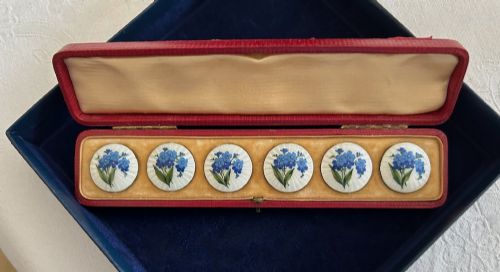
Hand-painted floral motifs and champleve cells frequently embellished compacts, brooches, and cigarette cases. Metalworkers combined these colourful glass glazes with cut glass bodies, brass components, and steel internal mechanisms in watches and travel clocks.
The inventory contains pocket watches, brooches, vesta cases, and vanity jars bearing Birmingham and Chester hallmarks.
What varies in quality
The sophistication of the enamel work dictates the distinction between standard production and master craftsmanship. Translucent guilloche grounds requiring flawless engine-turning contrast with simpler opaque or hand-painted surfaces.
Maker attribution and the complexity of the silver mountings further elevate a piece. Integrated designs where the enamel complements tailored precious metal housings represent superior execution.
Marius Hammer·Henry Clifford Davis·Barker Brothers·David Andersen·Bernard Instone·A E Jones·Maria Semenova
The Antique Enamel Silver Glossary
- Guilloche Enamel
- A decorative technique where metal is engraved with repetitive patterns and coated with translucent enamel. This method allows light to pass through the glaze and reflect off the worked surface underneath.
- Vitreous Enamel
- A material made by fusing powdered glass to a metallic substrate at high temperatures. The resulting compound provides a glossy, coloured coating that resists wear.
- Vesta Case
- A small pocket container specifically designed for holding matches and keeping them dry. These housings often feature detailed engraving or enamel decoration on sterling silver.
- Silver Gilt
- Silver that has been coated with a thin layer of gold on its exterior surface. This treatment provides a rich golden appearance while retaining a silver core.
Antique Enamel Silver: Frequently Asked Questions
What is guilloche enamel silver?
Guilloche enamel silver combines machine-engraved sterling silver bases with translucent glass coatings. The underlying geometric pattern shows clearly through the glossy coloured glaze.
This technique gained immense popularity during the Edwardian and Art Deco periods for vanity items, compacts, and pocket watch cases.
How do I date silver enamel items?
British pieces typically rely on Birmingham or Chester assay office hallmarks stamped directly onto the silver. These date letters identify the exact year of manufacture.
Stylistic cues such as Art Deco symmetry or Edwardian floral motifs also help narrow down the period of creation.
How should I clean antique silver enamel?
Clean these items gently using a soft, dry microfibre cloth to remove surface dust. Avoid harsh chemical dips, ultrasonic cleaners, and abrasive polishes that can scratch or crack the glass enamel.
Keep the pieces away from prolonged direct sunlight and moisture to preserve the integrity of the coloured glazes.
What objects were commonly made with enamel?
Enamel adorned a wide array of personal accessories, including cigarette cases, compacts, powder bowls, and pill boxes. Timepieces such as pocket watches and travel clocks also featured decorative enamel dials and cases.
Smaller items like brooches, pendants, and vesta cases frequently utilised coloured glass work for added visual appeal.