

Antique Enamel on Copper
Antique enamel on copper pieces are vibrant small boxes, plaques, and vessels fusing glassy colour to metal bases, offering miniature artistry for cabinets and desks.
Antique Enamel on Copper
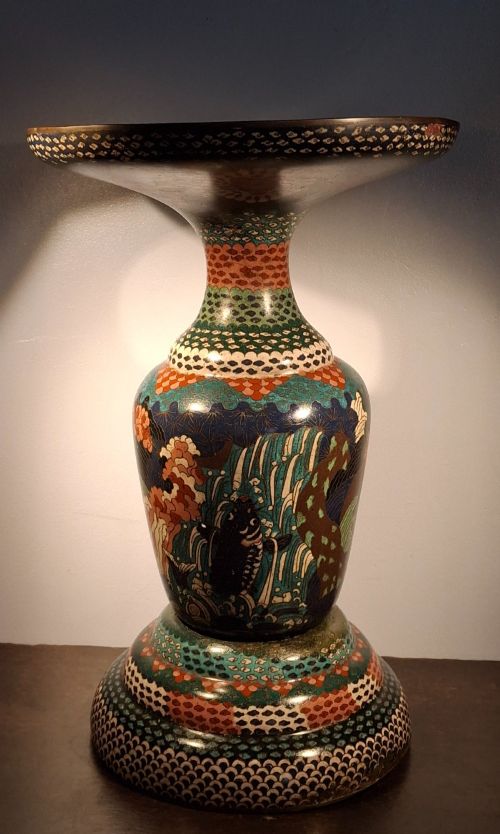
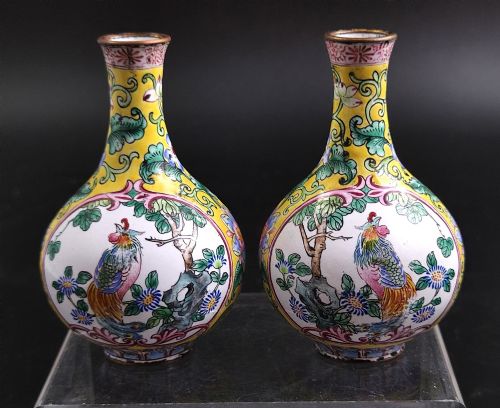
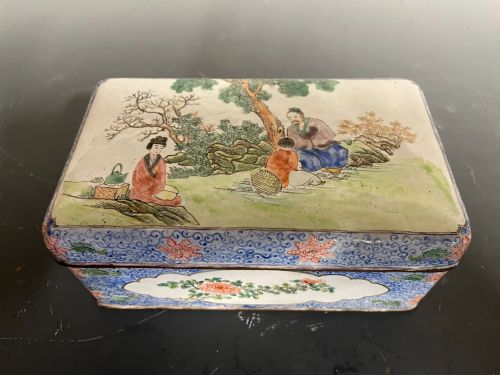
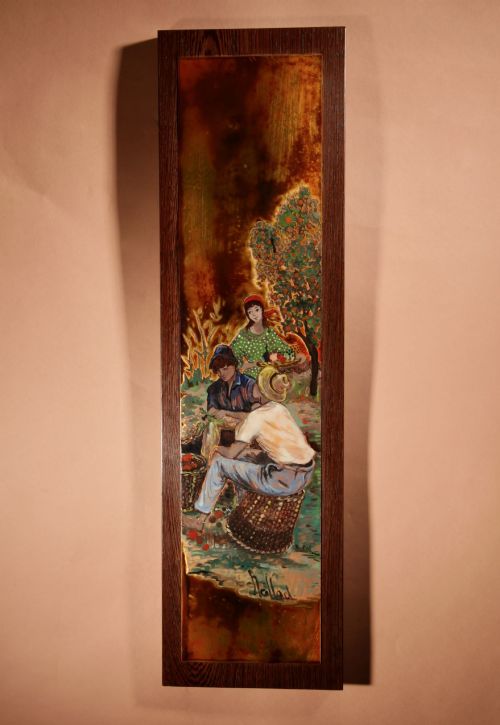
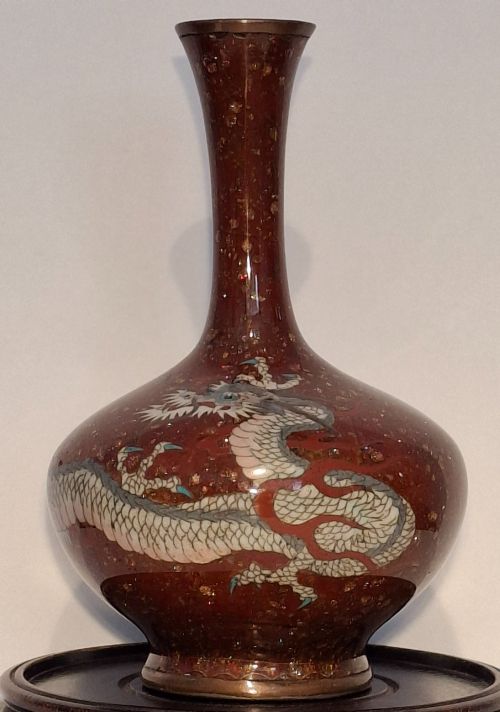
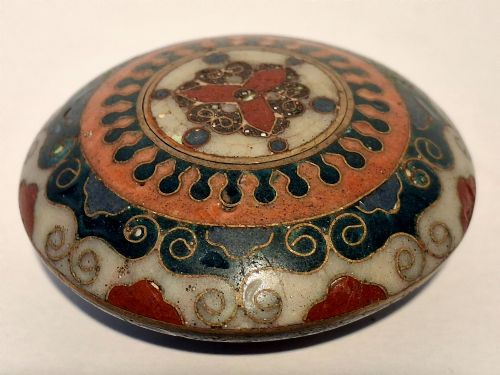
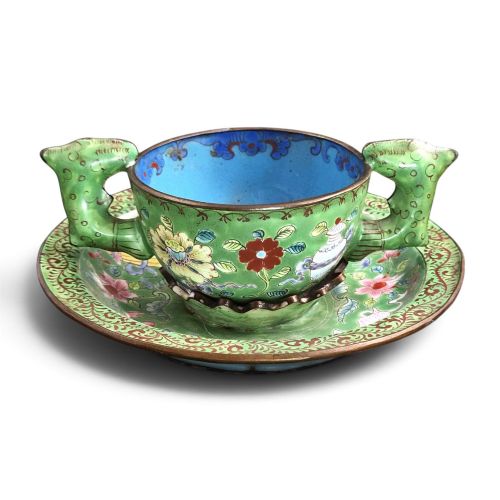
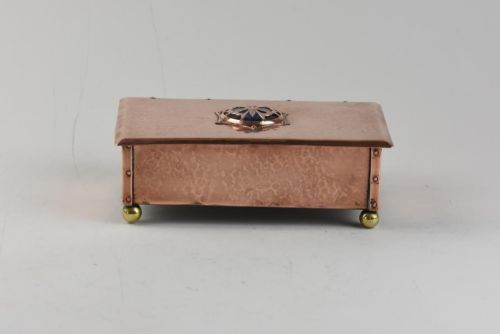
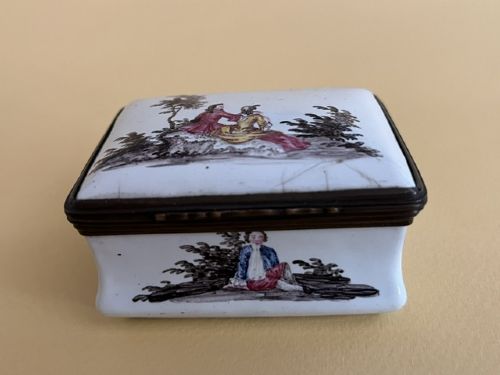
When searching for antique enamel on copper, buyers encounter everything from Georgian patch boxes to Japanese cloisonné chargers and Chinese Canton vessels. The most frequent discoveries on this page are eighteenth-century English patch and snuff boxes from Bilston and South Staffordshire, alongside late nineteenth-century Japanese cloisonné trays and plates.
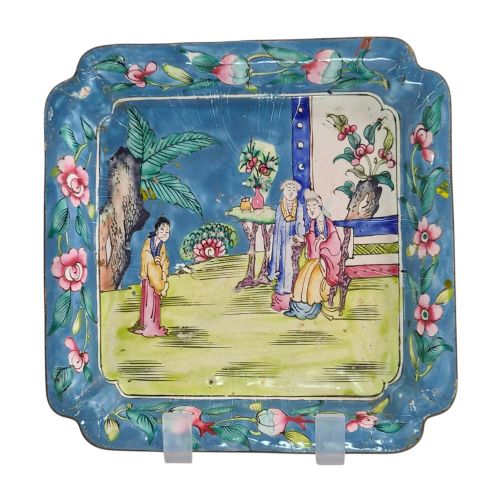
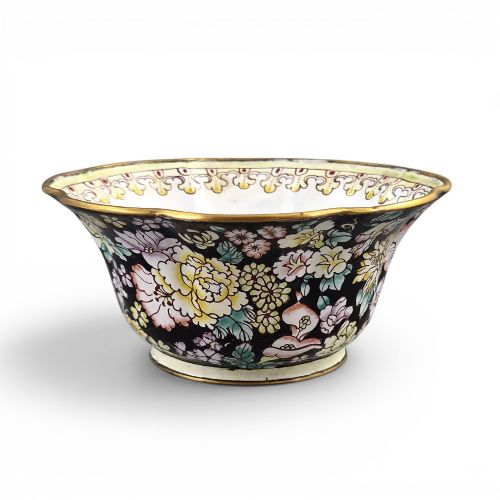
These works span domestic trinket containers, wall plaques, salt bowls, and curtain tie-backs, representing diverse global traditions. Eighteenth-century pieces predominantly originate from European workshops like Bilston, Limoges, and Staffordshire, while nineteenth-century items draw heavily from the Meiji period in Japan and the Qing dynasty in China.
The practical forms served specific historical functions, such as holding small beauty patches or perfumed snuff, whereas larger plates and chargers fulfilled decorative display purposes. Today, collectors value these enduring objects for their miniature painted scenes, intricate wirework, and preservation of vibrant metallic pigments.
How they were made
The creation of these objects begins with a shaped copper base, sometimes combined with brass wire or mounted in gilded metal frames. Artisans applied powdered glass pastes directly to the metal substrate before firing the pieces in kilns to fuse the enamel surface.
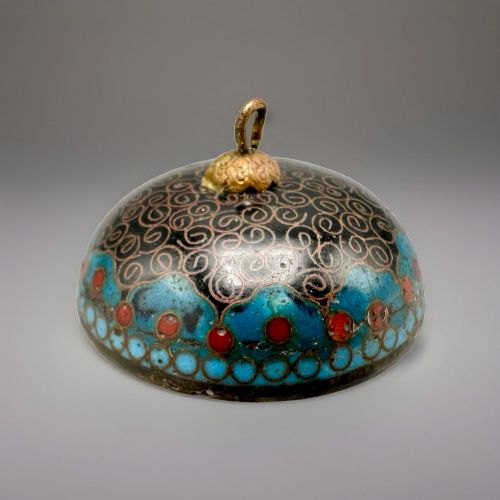
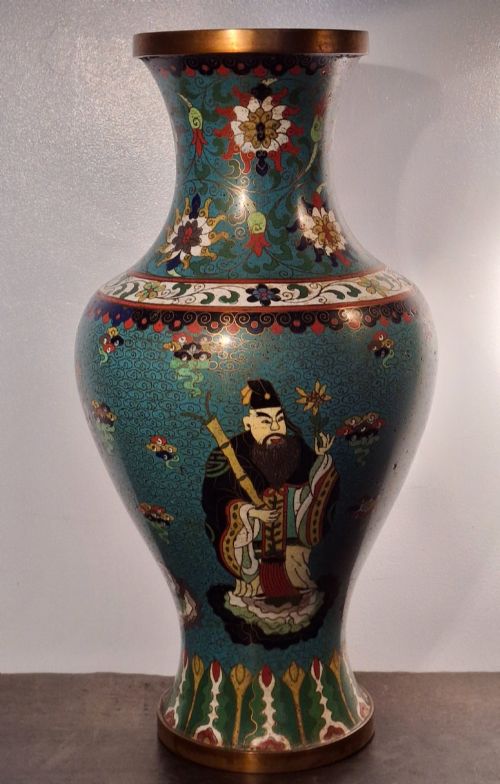
Techniques diverge significantly between regions, contrasting European painted enamels executed with fine brushwork against East Asian cloisonné methods. Japanese and Chinese makers utilised thin metal strips or wire partitions to create cellular compartments filled with coloured enamel pastes prior to firing and polishing.
Antique Enamel on Copper Retail Price Guide 2026
Typical asking prices for enamel on copper among the pieces listed under this phrase on Sellingantiques today, from the lower quarter to the upper quarter. They describe what is for sale here now, not the wider market.
The selection includes eighteenth-century European boxes alongside nineteenth-century Japanese trays decorated with flora and fauna.
What varies in quality
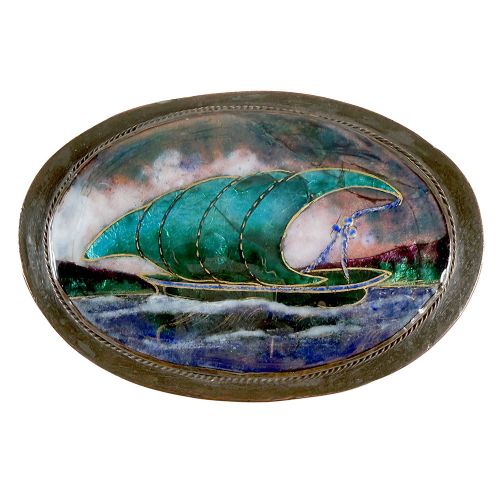
Quality rests in the precision of the miniature painting, the complexity of the wirework partitions, and the crispness of the final metal mounts. Superior examples display finely rendered figurative scenes, such as musicians in parkland or detailed avian motifs, executed with controlled brushwork and balanced colour palettes.
The refinement of the copper shaping and the clarity of the fired glass paste separate standard utility items from exceptional workshop productions. Pieces featuring elaborate gilt metal mounts, precise cloisonné cell work, and signed decorative compositions command greater artistic standing.
Tamura Yukio
The Antique Enamel on Copper Glossary
- Cloisonne Enamel
- A technique where thin metal wires are soldered to a copper base to form cells that hold coloured glass pastes.
- Patch Box
- A small container utilised in the eighteenth century to store cosmetic beauty patches made of silk or velvet.
- Plaque
- A flat or slightly curved decorative panel intended for wall hanging or mounting into furniture.
- Gaiwan
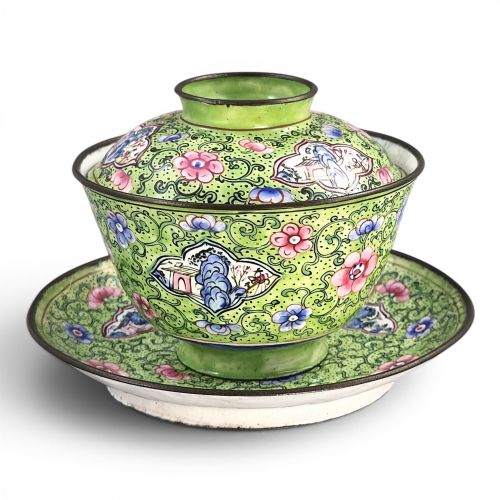
- A traditional Chinese lidded bowl used for brewing and drinking tea, sometimes produced in painted enamel on copper.
- Bonbonniere
- A small ornamental box designed to hold sweets or confectionery.
- Cabochon
- A gemstone or piece of enamel shaped and polished with a smooth convex surface rather than faceted.
Antique Enamel on Copper: Frequently Asked Questions
How do I care for antique enamel?
Keep pieces away from direct sunlight and extreme temperature changes to protect the fused glass surface and metal mounts.
Dust gently with a soft dry cloth and avoid harsh chemical cleaners or abrasive materials.
What is the difference between Limoges and Bilston?
Limoges enamel originated from French workshops known for sophisticated painted plaques and vessels on copper bases.
Bilston enamel refers to English production centred around Staffordshire, famous for hinged snuff boxes and patch boxes.
How can I tell Japanese cloisonné periods?
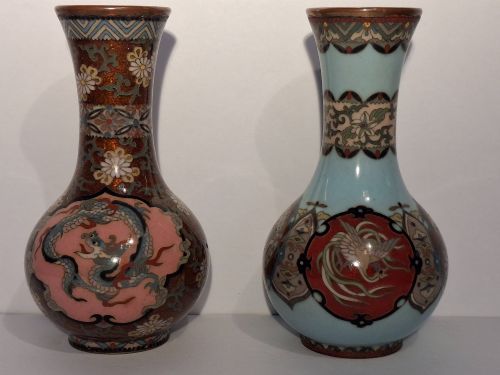
Meiji period pieces often feature dense wirework, naturalistic motifs like dragons or phoenixes, and exceptional technical precision.
Earlier nineteenth-century examples display broader cell patterns, while later Showa items utilise different finishing treatments.