
Antique French Wall Artwork
These antique french wall artwork selections bring the rich visual history of centuries of continental interiors straight into your home.
Antique French Wall Artwork
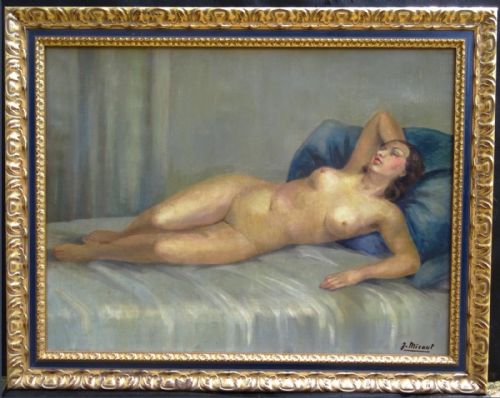
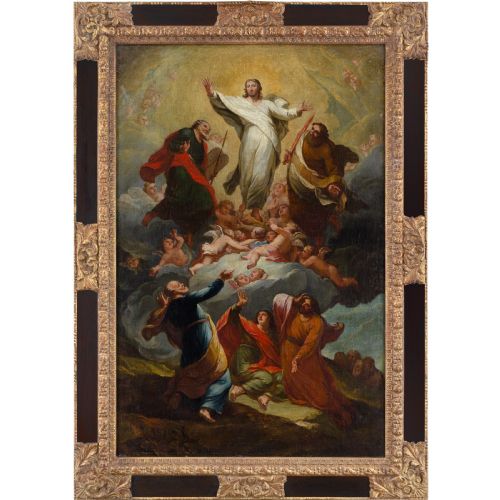
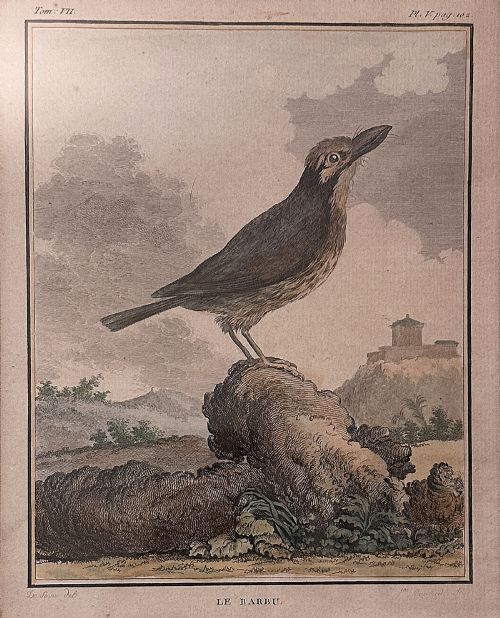
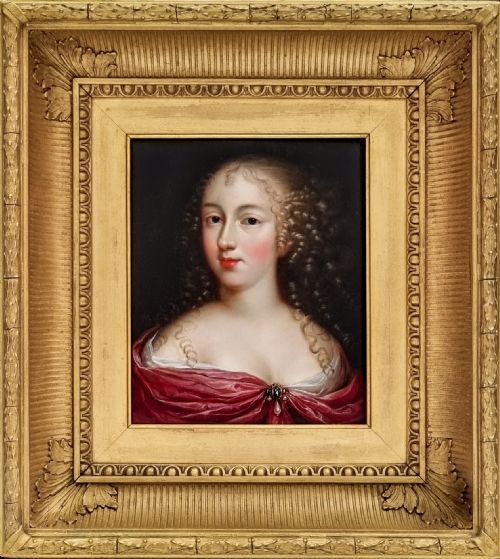
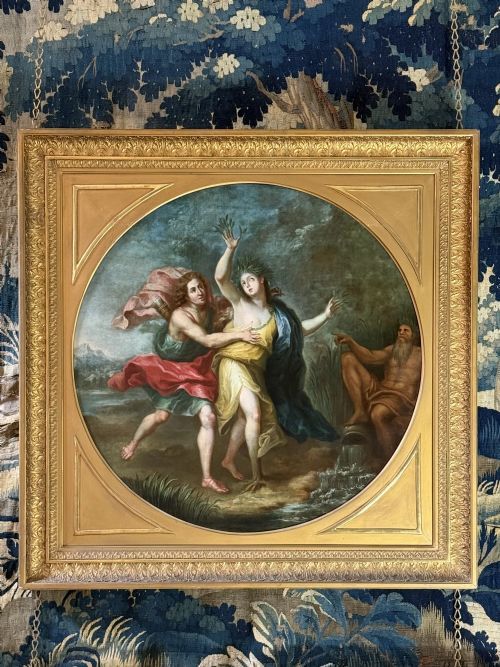
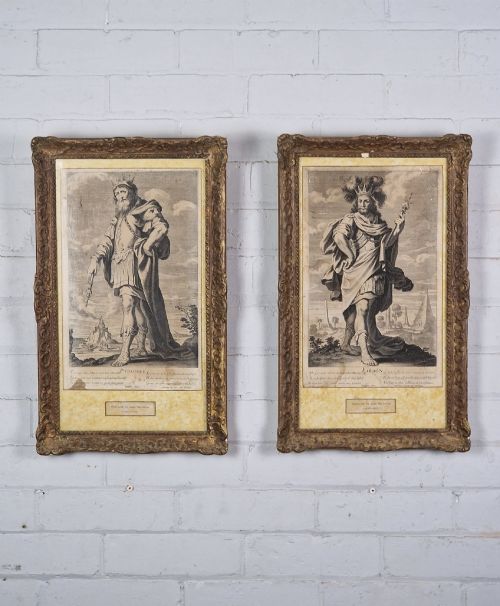
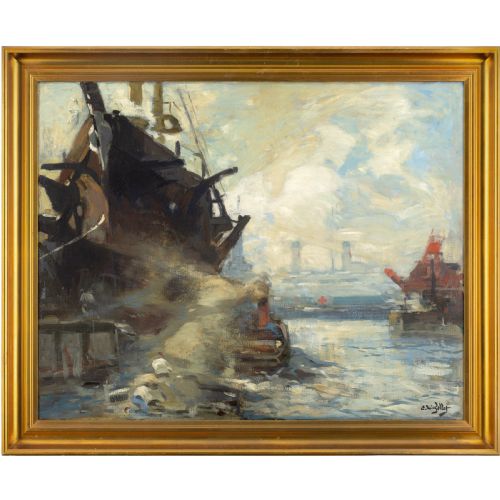
When you search for antique french wall artwork, you encounter a diverse selection of oil paintings, engravings, pastels, and framed prints. The pieces span from the seventeenth century through the early twentieth century, capturing distinct aesthetic shifts across different periods.
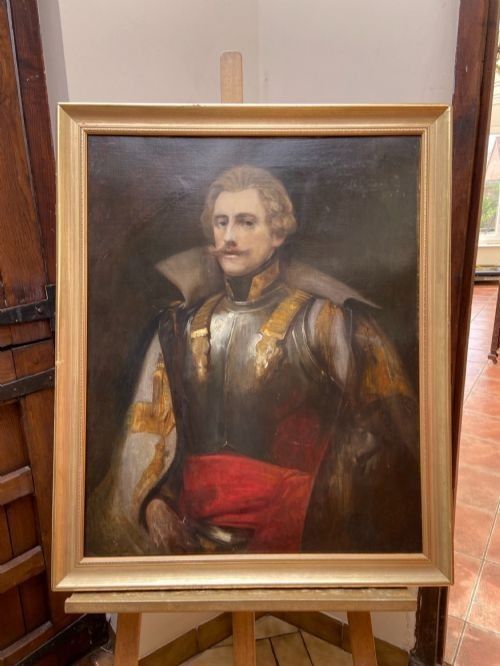
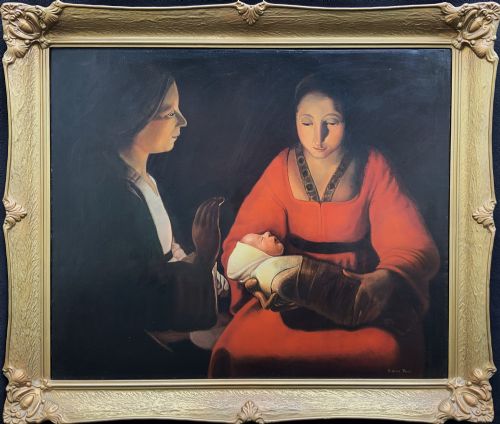
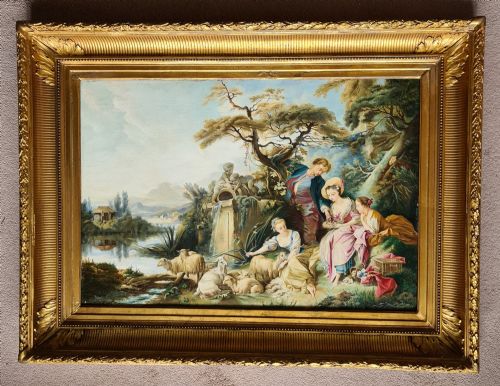
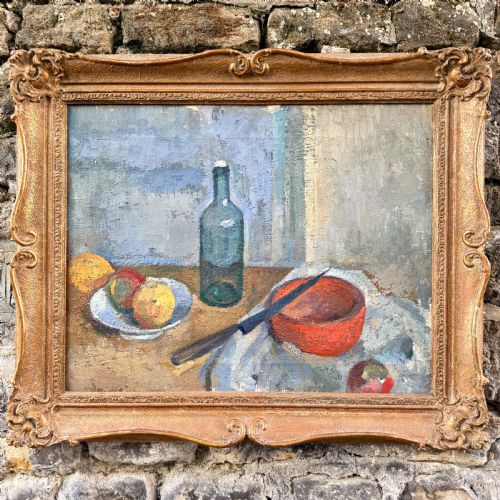
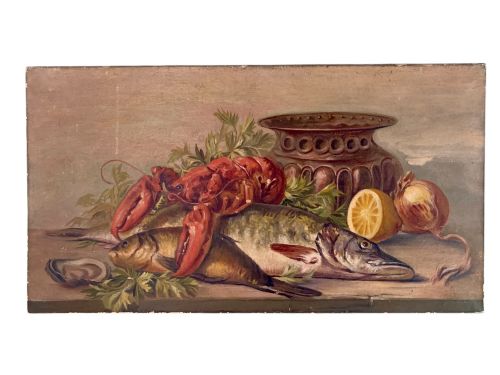
The most common items on this page are nineteenth-century oil paintings and eighteenth-century engravings. You will find portraits of military officers, judges, and noblewomen alongside still lifes, pastoral scenes, and architectural views.
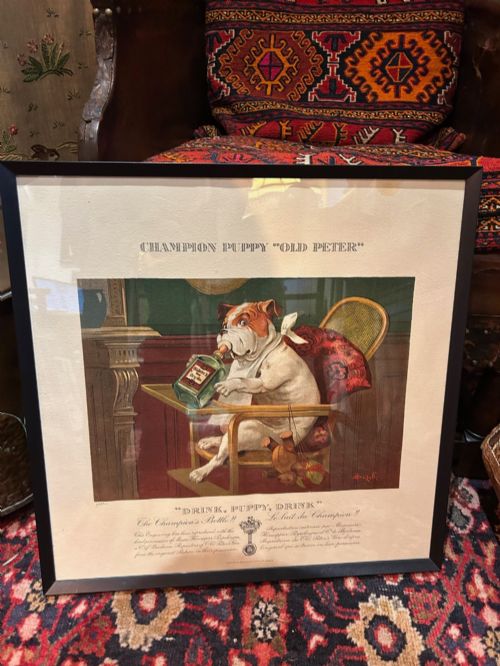
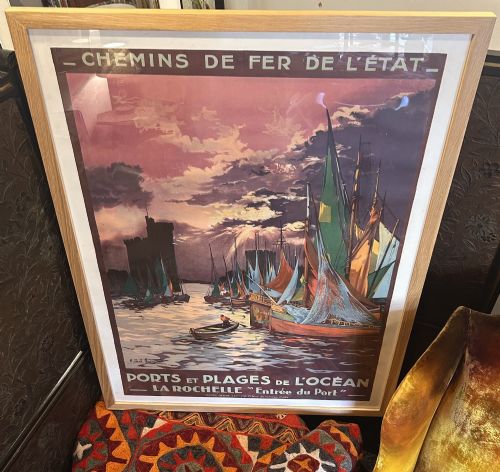
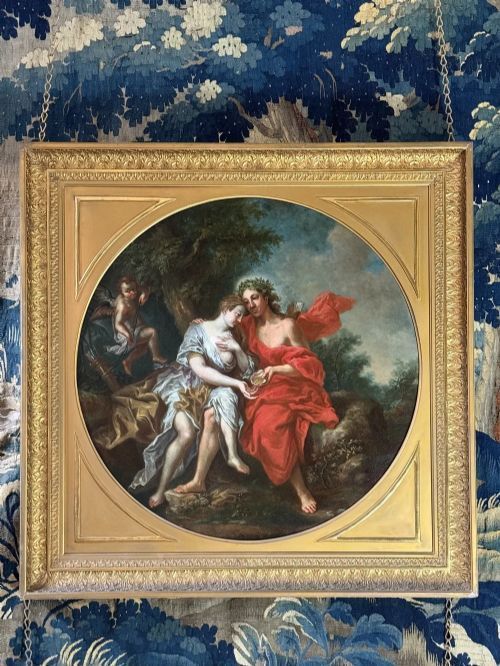
Many works draw inspiration from earlier masters or serve as period advertising and railway posters. These framed pieces offer a direct connection to French domestic and artistic traditions.
Materials and methods
The physical objects rely heavily on traditional supports such as canvas, wood panels, and heavy paper. Artists applied oil paint, pastel, and ink to build up rich surfaces that survive across generations.
Framing is an integral component of the construction, utilising wood, gilt wood, and gold leaf to house the canvases and engravings. Engravings and prints often sit behind glass to protect the delicate paper beneath.
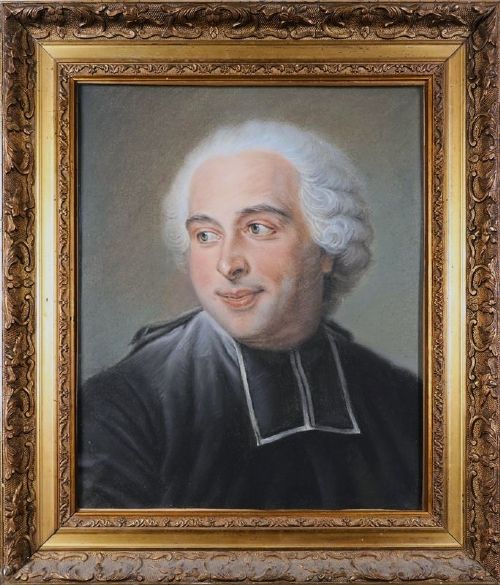
Several eighteenth-century portraits on this page stare down viewers with wigs tall enough to rival contemporary architecture.
Distinctions in craftsmanship
The distinction between standard decorative items and finer works lies in the execution of brushwork and draftsmanship. Superior pieces demonstrate confident handling of light, shadow, and anatomical precision.
The integrity of the original frame and the preservation of the painted or printed surface dictate the overall stature of a piece. Works bearing signatures from documented artists or workshops carry greater historical weight.
Charles Antoine Coypel·Eugène Louis Gillot·Edouard Pingret·Adelaïde Salles Wagner·Louis Icart
The Antique French Wall Artwork Glossary
- Engraving
- A printmaking technique where an image is incised into a metal plate, usually copper, to hold ink. These works often reproduce larger paintings for wider distribution.
- Grisaille
- A painting executed entirely in shades of grey or neutral monochromatic tones, frequently used to imitate sculpture or architectural relief.
- Chiaroscuro
- An artistic effect combining strong contrast between light and dark to give a sense of volume to figures and subjects.
- Pastel
- A medium consisting of powdered pigment and a binder, applied as a dry stick to paper to create velvety portraits and landscapes.
- Post-Impressionism
- An art movement extending impressionism while rejecting its limitations, focusing on more symbolic content and heavier use of distinct colours.
Antique French Wall Artwork: Frequently Asked Questions
How do I date an old painting?
Dating relies on stylistic clues, framing methods, and the type of canvas or panel used by the artist. Signatures, inscriptions on the reverse, and historical dress in portraits also help narrow the timeframe.
Examining the ageing of the materials provides further physical evidence. Pigments and varnishes change character over decades and centuries, offering reliable benchmarks for experts.
Where should I hang these artworks?
These pieces suit traditional reception rooms, studies, and hallways where traditional lighting highlights the oil paint and gilt frames. Placing them away from direct sunlight protects the pigments and paper.
Ensure the wall can support heavier framed oil canvases, particularly larger nineteenth-century works. Using appropriate picture hooks preserves both the wall and the integrity of the frame.
What is the difference between an oil painting and a print?
An oil painting is a unique, hand-painted creation featuring layered pigments on canvas or wood. Each brushstroke is singular and applied directly by the artist.
Prints and engravings are mechanically or manually reproduced from an original plate or block. While they can be hand-tinted or signed, they exist in multiple impressions rather than as a single piece.
How do I care for antique paper prints?
Antique paper and engravings require stable humidity levels and protection from intense ultraviolet light to prevent fading. Framing them behind glass with acid-free mounts prevents deterioration.
Avoid touching the paper surface directly with bare hands. Professional framing techniques keep the paper from resting against the glass, allowing the material to breathe safely.