
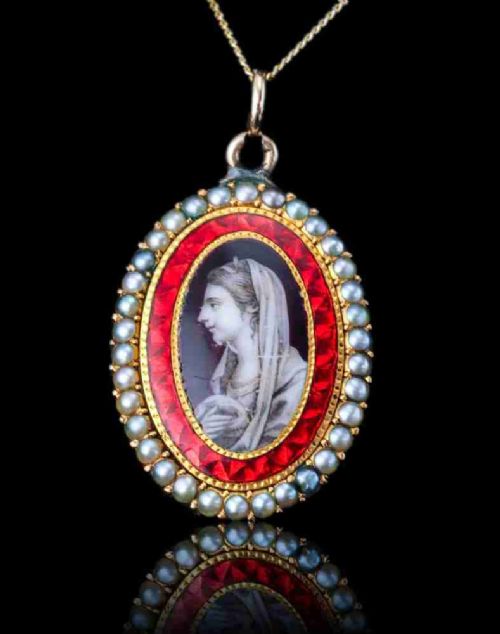

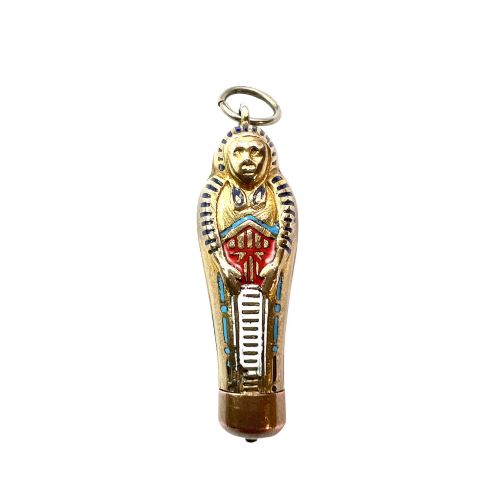


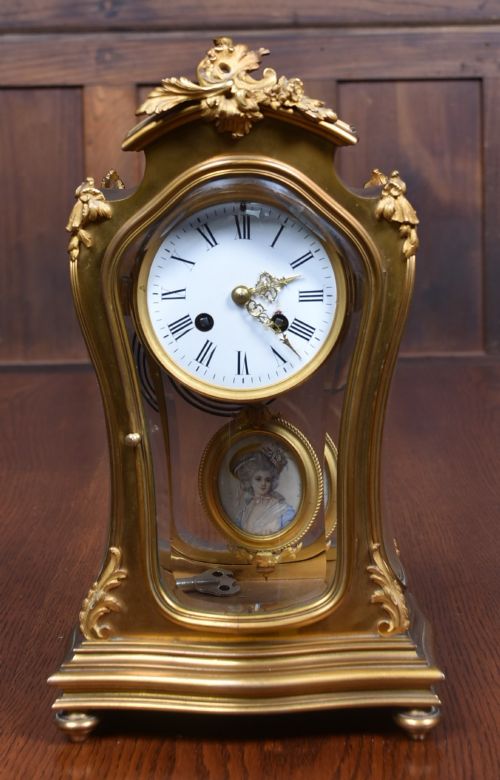


Antique Enamel Miniatures
These antique enamel miniatures offer exquisite portraits, delicate clocks and tiny vessels crafted across the eighteenth, nineteenth and early twentieth centuries.
Antique Enamel Miniatures
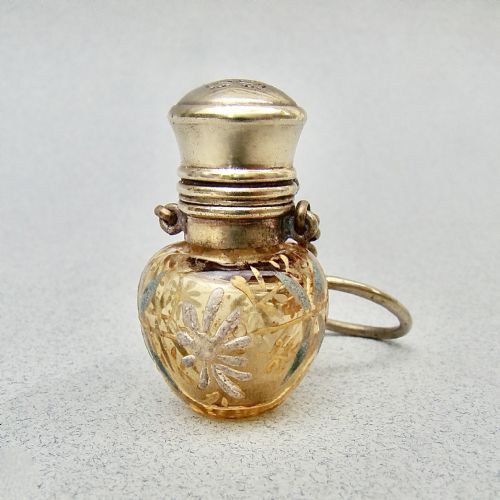
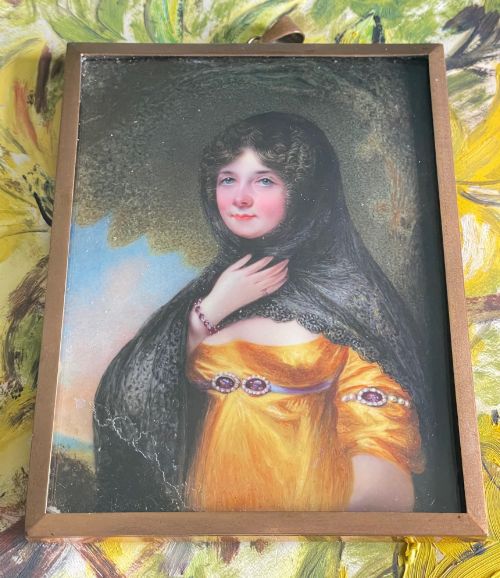
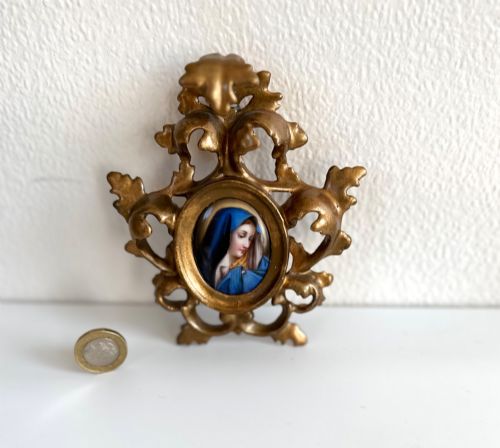
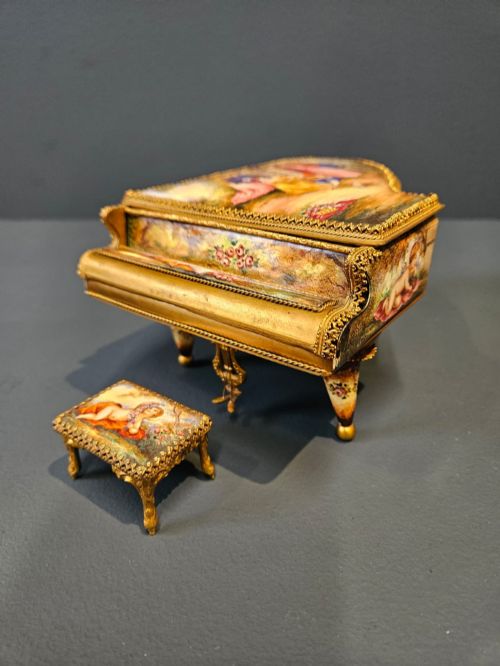
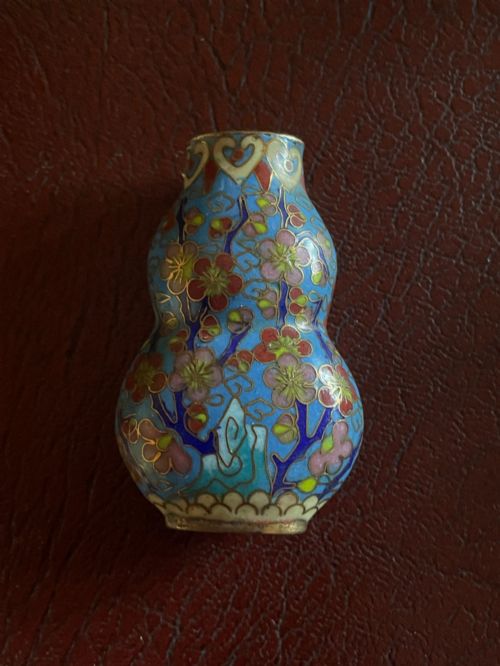
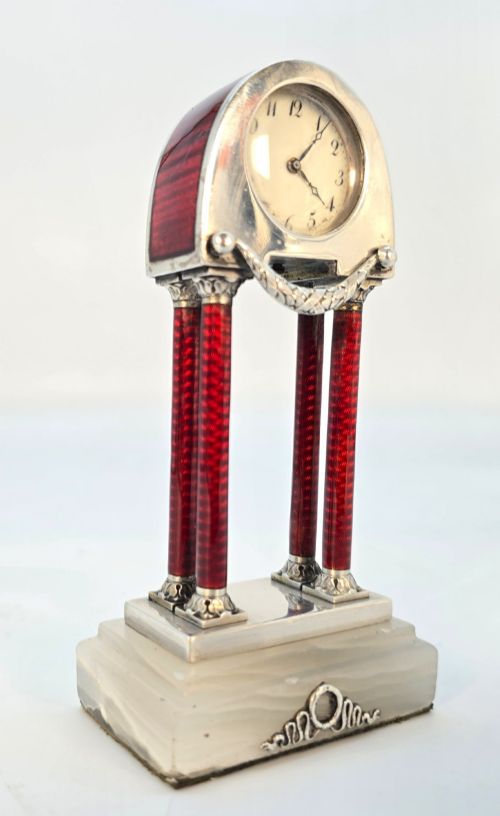
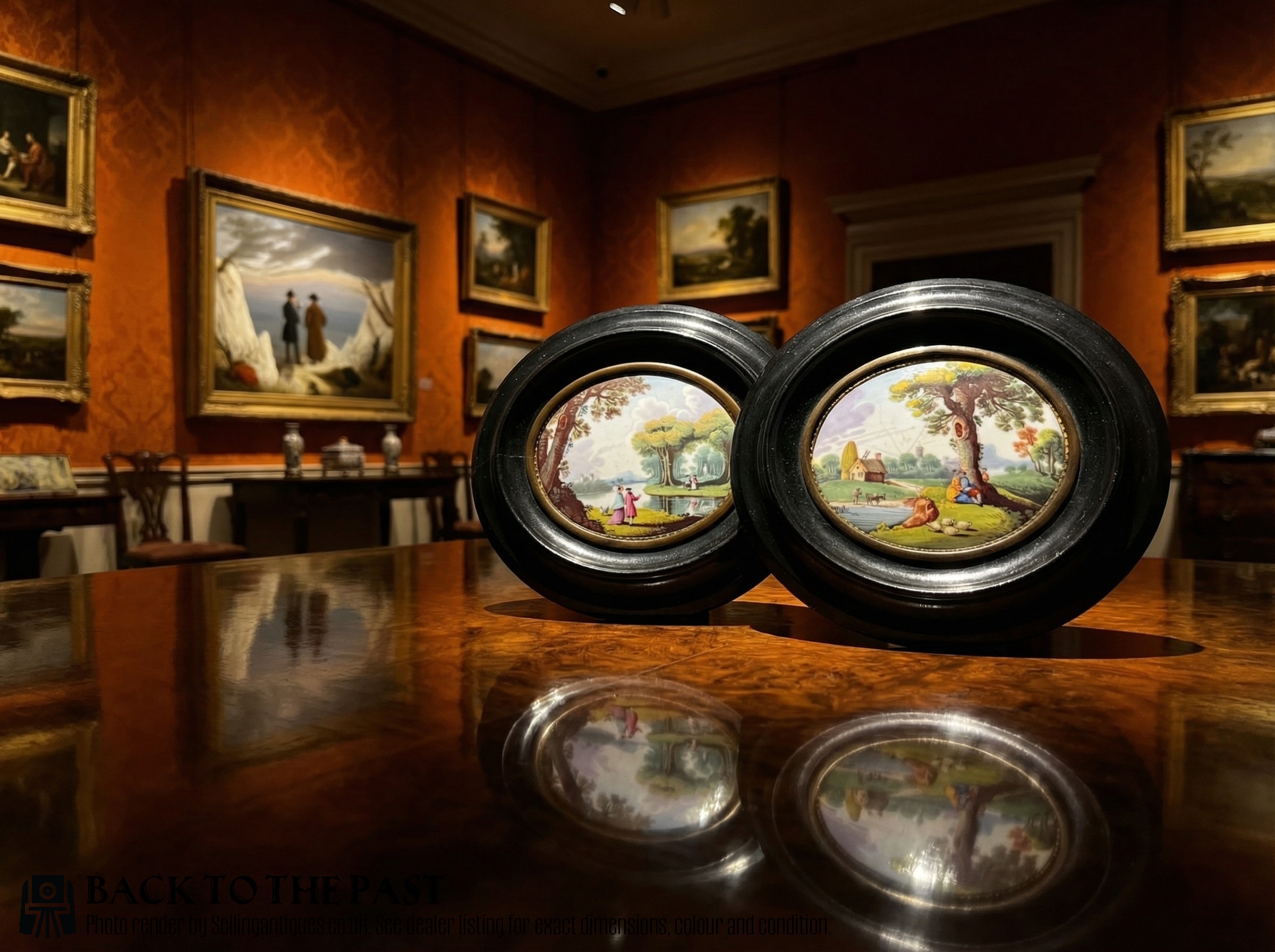
Buyers seeking antique enamel miniatures encounter a diverse array of small objects spanning multiple decades and stylistic movements. The selection encompasses portrait miniatures, pocket timepieces, scent bottles, trinket boxes and decorative wall plaques.
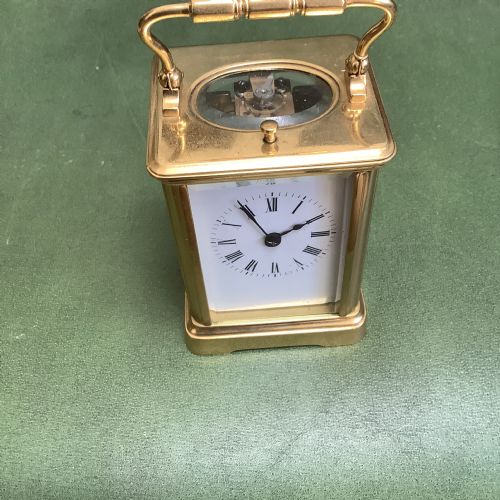
Many pieces originate from British, French, Austrian and Chinese workshops, dating from the eighteenth century through the Art Deco era. Portrait miniatures painted on enamel plates sit alongside functional items like gilt brass carriage clocks and silver compacts.
The objects reflect distinct periods including the Georgian, Victorian, Edwardian and Art Nouveau eras. Enamel work appears on brass, copper, silver and gold, frequently combined with glass, porcelain or gemstones.
How they were made
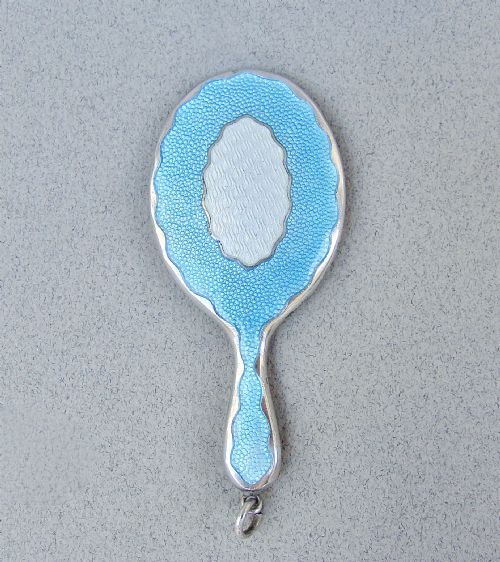
Craftsmen applied powdered glass to metal bases such as copper, brass, silver or gold, firing the pieces in kilns to fuse the vitreous coating. Techniques included champlevé, where enamel filled recessed channels, and guilloche, which layered translucent enamel over engine-turned metal engraving.
Portrait miniatures required meticulous hand-painting using specialised enamel pigments that retained their colour after high-temperature firing. Metalwork mounts, clock mechanisms and gilt brass cases were separately cast, engraved and assembled by specialist artisans.
The selection includes carriage clocks, scent bottles, trinket boxes, brooches and portrait miniatures from British, French, Austrian and Asian makers.
What varies in quality
The sophistication of the painted detail and the precision of the underlying metalwork dictate the standing of a piece. Finer portraits display subtle shading and accurate facial proportions, while superior enamel surfaces remain smooth without pitting or firing cracks.
The integration between the enamel panel and its metal housing indicates the maker's skill. High-grade items utilise solid silver or gold frames with crisp hand-engraving, whereas simpler pieces rely on gilded brass or base metals.
Henry Bone ARA·Horace Hone·Georg Adam Scheid·Henry Williamson
The Antique Enamel Miniatures Glossary
- Enamel
- A glassy substance fused to a metal substrate through firing. It provides a durable, glossy surface for miniature paintings and decorative objects.
- Guilloche
- A decorative technique where mechanical lathes engrave precise geometric patterns onto metal. Translucent enamel applied over this pattern creates shimmering light effects.
- Champlevé
- An enamelling method where troughs or cells are hollowed out of a metal plate and filled with enamel powder before firing.
- Ormolu
- Gilded bronze or brass mounts used extensively on nineteenth-century clocks and decorative boxes. It provides a rich gold-coloured finish.
- Portrait miniature
- A small, highly detailed painting depicting a specific person, frequently executed on enamel, ivory or vellum during the eighteenth and nineteenth centuries.
Antique Enamel Miniatures: Frequently Asked Questions
How were enamel miniatures used?
People carried portrait miniatures as tokens of affection, wore them as brooches or pendants, and kept them inside private pocket cases. Desk clocks and trinket boxes served practical and decorative functions in wealthy homes.
Wealthy patrons commissioned likenesses of family members or public figures. Precious boxes held snuff, cosmetics or small keepsakes.
How do I date an enamel miniature?
Dating relies on stylistic clues, clothing styles in portraits, hallmarks on metal mounts, and the specific enamelling techniques employed. Georgian and Victorian pieces show distinct shifts in colour palettes and mounting designs.
Makers' marks or stamps on silver and gold components provide the most precise chronological markers. Structural elements like clock escapements also help establish the decade of production.
How do I care for antique enamel?
Enamel requires gentle handling because the glass surface can chip or crack if dropped against hard objects. Cleaning should involve only a soft, dry cloth without harsh chemical solvents.
Keeping pieces away from direct sunlight prevents fading in certain historic pigments. Storing them in lined boxes or secure cabinets protects the delicate metal mounts and glass surfaces.