







Antique Enamel Container
An antique enamel container brings together centuries of fine metalwork and vibrant glass fusion, offering a desktop or dressing table piece with lasting colour.
Antique Enamel Container
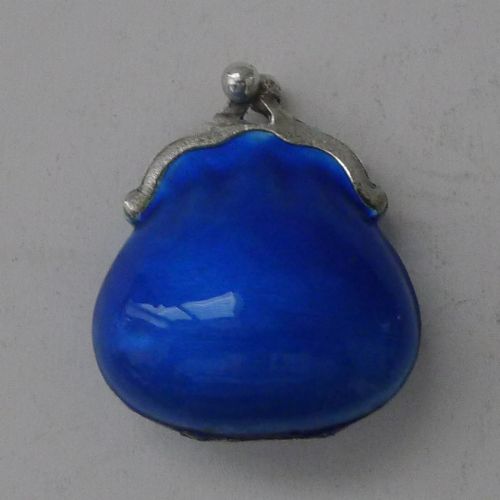
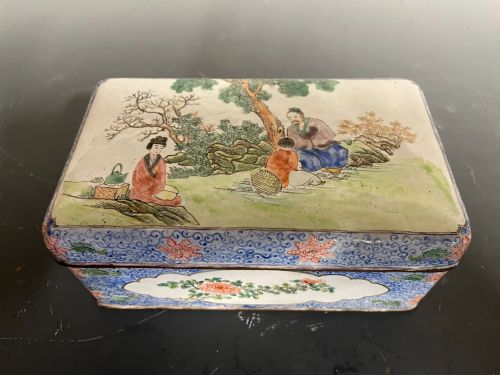
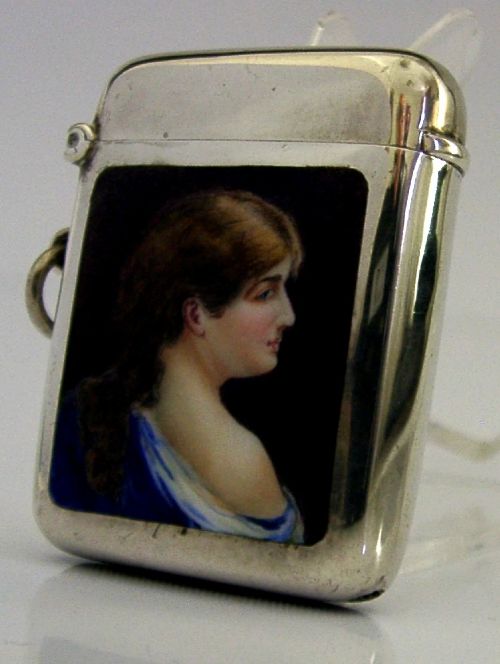
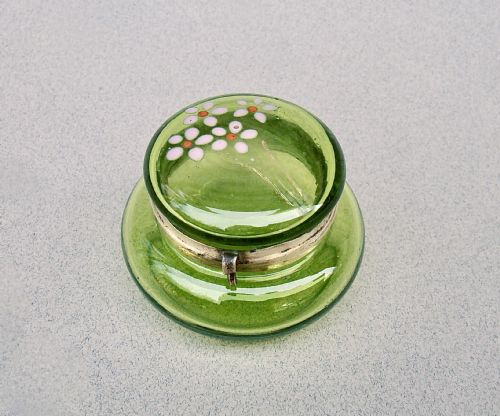
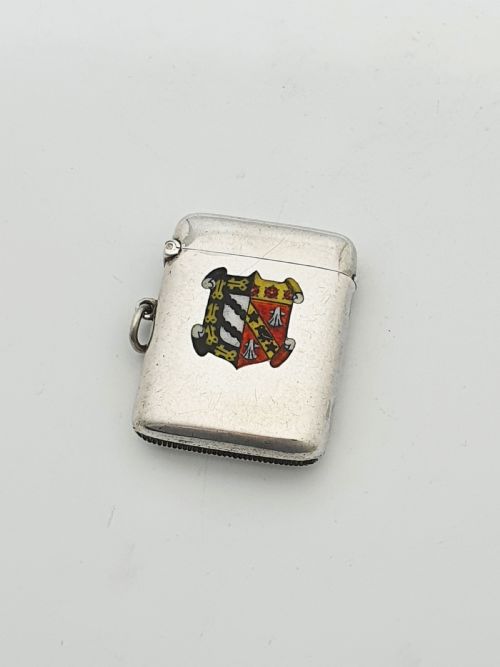
An antique enamel container encompasses small functional items and decorative vessels, from tiny patch boxes and vesta cases to larger biscuit barrels and ginger jars. These pieces emerge from various stylistic traditions spanning the eighteenth, nineteenth, and early twentieth centuries.
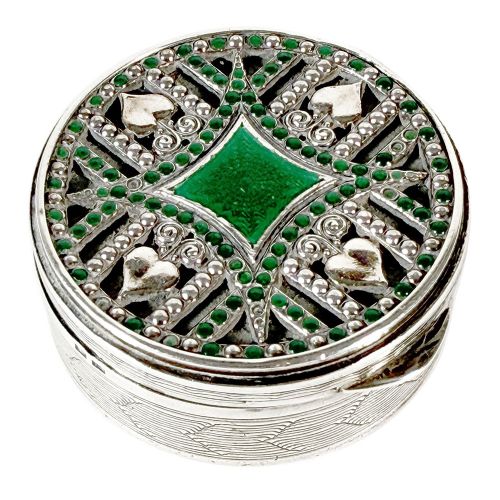
The version most commonly encountered on this page is the silver or base metal box decorated with guilloche or cloisonne enamel, often originating from European workshops or Asian export centres. Their diverse forms served specific domestic and personal uses, housing everything from matches and pills to powder and trinkets.
Examples date across multiple eras, including Georgian patch boxes, Victorian and Edwardian silver pieces, and Art Deco mesh compacts. Each period imparts distinct characteristics in shape, colour palette, and mounting techniques.
Materials and construction methods
Makers fused powdered glass onto metal bases - such as copper, sterling silver, brass, and bronze - by firing them at high temperatures. This technique locked vibrant pigments permanently onto the substrate.
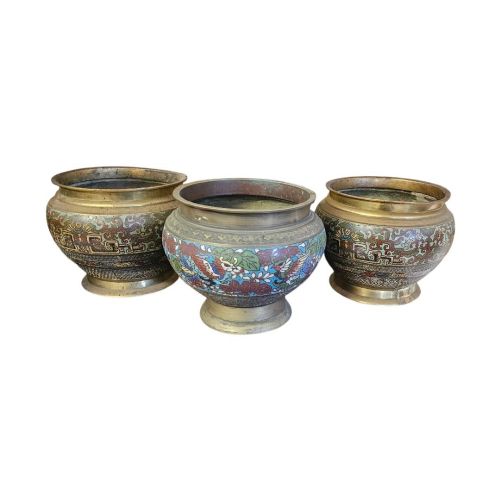
Workshops utilised distinct decorative methods, including cloisonne wire boundaries, champleve recessed cells, and machine-turned guilloche patterns beneath translucent enamel. Glass and jade additions occasionally complemented the metalwork.
Silver mounts and hinges were frequently cast and hand-finished to secure the enameled lids and bodies. This required precise alignment between the rigid metal framework and the vitrified glass surface.
Antique Enamel Container Retail Price Guide 2026
Typical asking prices for enamel container among the pieces listed under this phrase on Sellingantiques today, from the lower quarter to the upper quarter. They describe what is for sale here now, not the wider market.
Materials across these listings span sterling silver, copper, glass, bronze, and brass, paired with various styles from Art Nouveau to the Meiji period.
Distinctions in craftsmanship
The refinement of the metal mounting and the complexity of the enamel work dictate the tier of a piece. Finer items display meticulous wire placement in cloisonne or flawless, even translucent layers over engine-turned guilloche grounds.
Artisanal skill shows in the hand-painted details and the snugness of hinged closures on smaller boxes and vesta cases. Superior examples maintain crisp definition in their motifs and secure, well-fitted settings for any added stones or jade rims.
George Adam Scheid·Sampson Mordan·Goldsmith's and Silversmith's Co.
The Antique Enamel Container Glossary
- Cloisonne
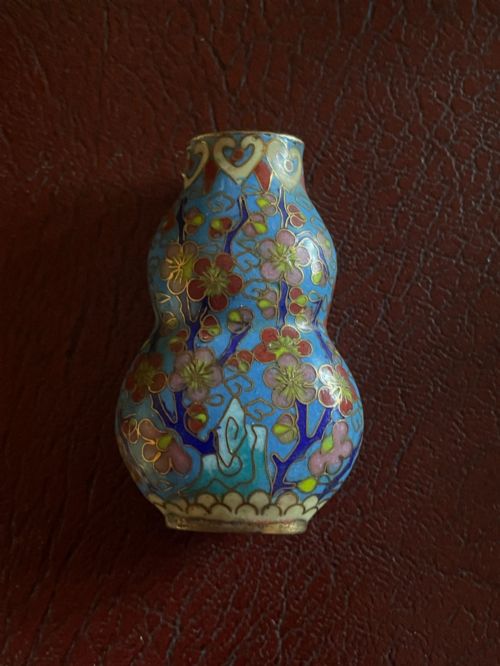
- A technique where thin metal wires are soldered onto a metal base to create compartments, which are then filled with enamel paste and fired.
- Guilloche
- A decorative engraving technique where a precise, intricate pattern is mechanically etched into a metal surface before translucent enamel is applied over it.
- Vesta case
- A small pocket box traditionally designed to hold wax matches, frequently fitted with a striking edge and hinged lid.
- Patch box
- A small eighteenth-century container originally used to hold cosmetic patches made of fabric that fashionable people applied to their faces.
- Champleve
- A method where troughs or cells are carved directly into a thick metal plate and filled with enamel before firing.
Antique Enamel Container: Frequently Asked Questions
What were small enamel boxes used for?
These compact containers served personal and domestic functions in daily life, holding items such as medicinal pills, beauty patches, or small trinkets.
Their portable nature made them common pocket accessories or dressing table ornaments for the well-to-do.
How do I identify a Georgian enamel piece?
Georgian boxes, such as Bilston or Staffordshire patch boxes, typically feature hand-painted copper bodies with delicate inscriptions or pastoral scenes.
They often exhibit characteristic copper pitting and simple hinged mounts distinct from later Victorian manufacturing methods.
What is the difference between cloisonne and guilloche?
Cloisonne relies on soldered wires to form raised surface boundaries that separate different blocks of coloured enamel paste.
Guilloche involves geometric machine-engraving directly into a metal disc, allowing translucent enamel to reveal the shimmering pattern underneath.
How should I care for an antique enamel container?
Keep these items away from direct sunlight and harsh cleaning agents to protect the vitrified glass surface from fading or chemical wear.
Handle them carefully by the metal mounts rather than applying pressure to the enamel panels, which can crack under stress.