


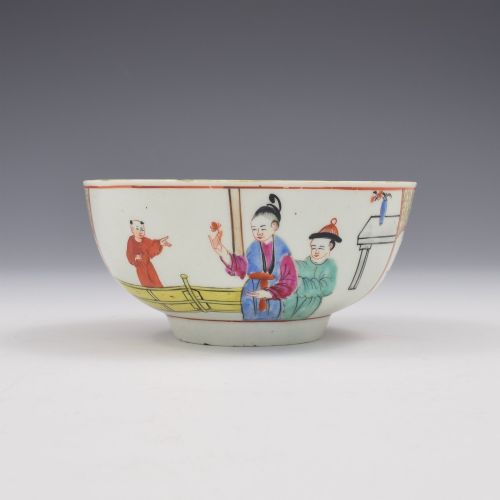


Antique Enamel Basin
An antique enamel basin brings vibrant colour and meticulous hand-painted detail to a room, offering both decorative presence and historical craftsmanship.
Antique Enamel Basin
When searching for an antique enamel basin, buyers encounter a diverse selection of vessels spanning multiple centuries, origins, and decorative traditions. These pieces include large punch bowls, jardinieres, wash basins, and decorative bowls originating from China, Japan, Persia, and Europe.
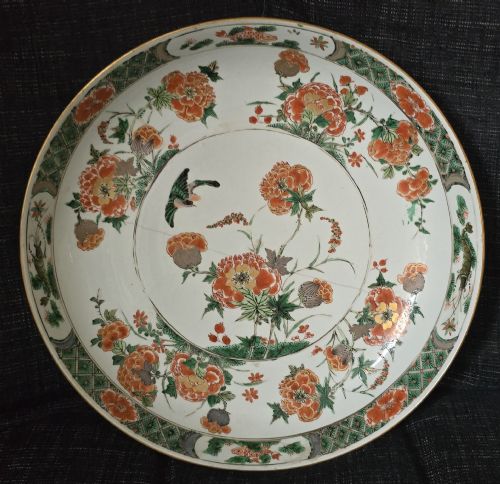
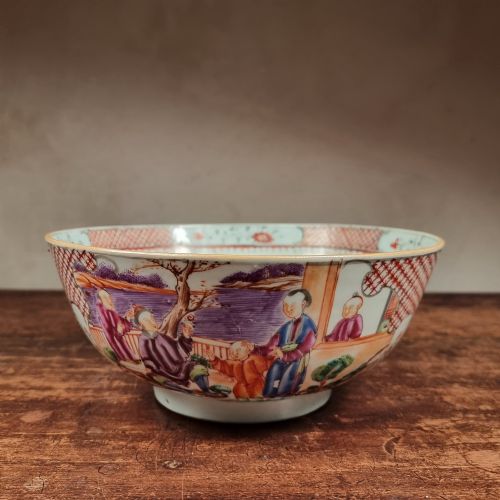
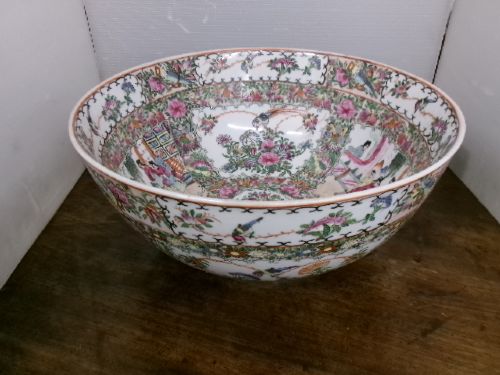
The inventory on this page ranges from nineteenth-century Japanese cloisonne and Imari porcelain to eighteenth-century Chinese Canton famille rose and European porcelain bowls. Forms vary from shallow scalloped dishes to substantial jardinieres and lobbed rectangular shapes.
Makers and artisans across these regions utilised distinct glazing and enamelling techniques, creating works intended for both utilitarian household tasks and prominent display in domestic interiors.
Materials and Techniques
The construction of these basins relies on durable substrates such as copper, brass, and hard-paste porcelain, each providing a stable foundation for decorative surface treatments. Artisans applied vitreous enamels, overglaze colours, and occasionally gold leaf or gilt accents to enrich the visual depth of the metal and ceramic bodies.
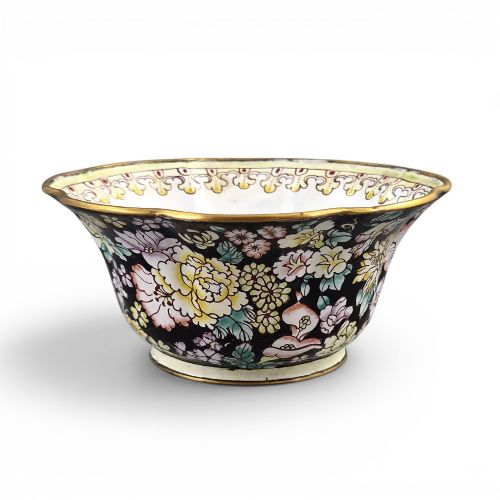
Techniques such as cloisonne involve soldering fine metal wires to a metal base to create cellular compartments filled with coloured enamel pastes before firing. Porcelain examples utilise hand-painted cobalt blue motifs, Canton enamel-on-copper methods, and detailed famille rose palettes executed with precision.
Antique Enamel Basin Retail Price Guide 2026
Typical asking prices for enamel basin among the pieces listed under this phrase on Sellingantiques today, from the lower quarter to the upper quarter. They describe what is for sale here now, not the wider market.
Several Japanese cloisonne bowls feature startled little birds frozen mid-branch among peonies, watching you inspect their enamel plumage.
Evaluating Execution and Preservation
Quality in these basins rests upon the crispness of the hand-painted detailing, the complexity of the decorative program, and the evenness of the fired enamel or glaze. Superior examples display disciplined brushwork, intricate bird or floral motifs, and harmonious colour saturation without blurring or clouding.
The precision of metalwork in cloisonne pieces, marked by tightly fitted wire cells and smooth polished surfaces, distinguishes masterwork production from simpler utilitarian wares. Preservation of the original surface, including minimal loss to gilding or enamel infill, maintains the integrity of the piece.
The Antique Enamel Basin Glossary
- Cloisonne
- A decorative metalwork technique where thin wires are soldered to a base to form compartments that are filled with enamel. This method creates defined partitions between varying colours.
- Famille Rose
- A palette of opaque rose-pink enamel introduced in Chinese ceramics during the Qing dynasty. It allowed for subtle gradations of tone in floral and figural designs.
- Imari
- A style of Japanese export porcelain characterised by a tripartite colour scheme of underglaze cobalt blue, iron red, and gilt highlights. Pieces often feature dense brocade and floral patterns.
- Slop Bowl
- A small basin historically used at the tea table for discarding dregs or cooling water. They appear in fine eighteenth-century porcelain services.
Antique Enamel Basin: Frequently Asked Questions
How were antique basins originally used?
Many of these vessels served practical roles in households, functioning as wash basins for personal hygiene or as punch bowls during formal gatherings. Others acted as jardinieres to hold potted plants within domestic living spaces.
Over time, larger decorative bowls and punch bowls transitioned from active utility to ornamental display pieces in dining rooms and parlours.
How do I identify a cloisonne enamel basin?
Cloisonne basins are identified by visible metal wires on the surface that outline the design elements, creating small cells filled with coloured enamel. Running a hand across the surface reveals a smooth texture where the glass paste and wires have been ground and polished flat after firing.
These pieces typically feature brass or copper foundations and exhibit intricate floral, bird, or geometric patterns across the interior and exterior walls.
What is the difference between Canton and Imari styles?
Canton style typically refers to Chinese export porcelain and enamelwork decorated in the famille rose palette, featuring hand-painted figures, birds, and abundant floral motifs in pink, green, and gold. Imari style originates from Japan and relies on a distinct palette combining deep underglaze cobalt blue with iron red and gilt.
While Canton pieces emphasise narrative scenes and pastel tones, Imari porcelain relies on strong geometric and botanical contrasts.
How should I care for an antique enamel basin?
Care for these pieces requires gentle handling and placement away from direct sunlight and extreme temperature fluctuations to protect fragile enamels and glazes. Dusting with a soft, dry cloth is usually sufficient for routine maintenance.
Avoid using liquid cleaners, abrasive pads, or immersion in water, particularly for metal-based cloisonne or overglaze painted items where moisture can seep into microscopic fissures.