



Antique Enamelware Bowl
An antique enamelware bowl brings vibrant colour and meticulous detail to a room, offering enduring craft through durable glazed surfaces.
Antique Enamelware Bowl
When you search for an antique enamelware bowl, you encounter vessels that span diverse origins, from Chinese workshops to Japanese kilns and Edwardian domestic settings.
The selections on this page feature decorative bowls, wash basins, teaware, and chargers dating across the nineteenth century, including pieces from the Meiji, Edo, and Qing periods.
You are most likely to meet Japanese cloisonné enamel bowls decorated with birds or dragons, alongside Chinese Canton painted enamel and cloisonné scholar's items.
How they were made
Makers formed these vessels using copper, brass, bronze, and copper alloy, often shaping metal bodies to receive vitreous glazes.
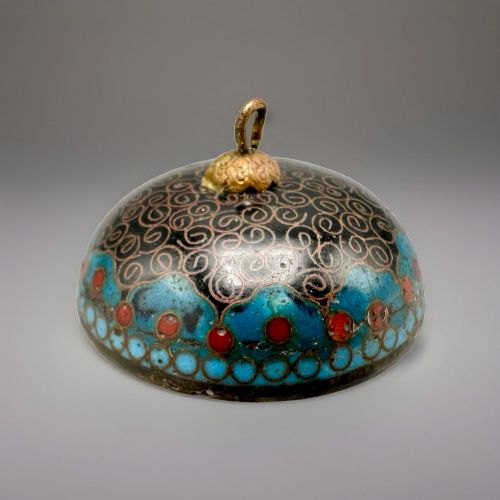
Cloisonné technique involves soldering fine metal wires onto the surface to create cellular compartments, which artisans filled with coloured enamel pastes before firing.
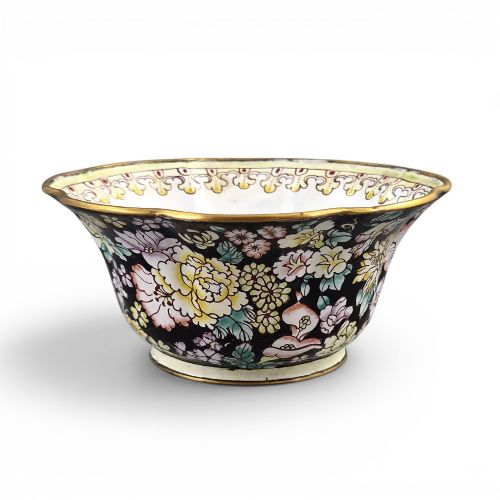
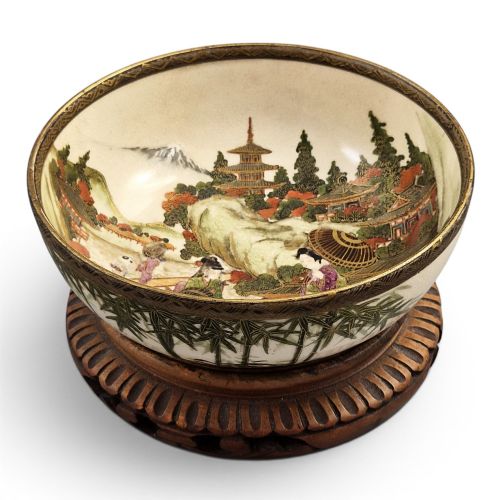
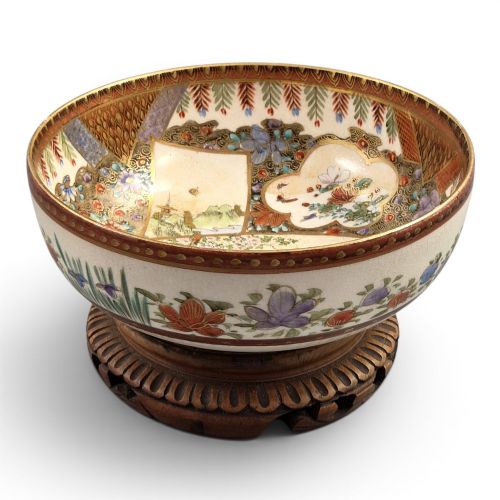
Painted enamel pieces display pigments applied directly onto copper surfaces, while Satsuma examples utilise earthenware decorated with enamels and gold leaf.
Antique Enamelware Bowl Retail Price Guide 2026
Typical asking prices for enamelware bowl among the pieces listed under this phrase on Sellingantiques today, from the lower quarter to the upper quarter. They describe what is for sale here now, not the wider market.
Small birds perch permanently upon several nineteenth-century cloisonné bowls, enduring quietly across the decades without requiring any seed.
What varies in quality
The refinement of the wirework and the precision of the cell-filling dictate the distinction in cloisonné pieces, where tighter compartments demand greater skill.
Painted Canton surfaces differ according to the crispness of the brushwork and the complexity of the polychrome palette applied to the copper base.
Signatures by recognised artists or master workshops elevate certain Japanese vessels, marking them out through superior control of firing and decoration.
The Antique Enamelware Bowl Glossary
- Cloisonné
- A decorative technique where metal wires form raised barriers on a vessel body to contain coloured enamel pastes before firing. This method creates intricate patterned cells across the exterior.
- Canton Enamel
- Painted enamelware produced in southern China, typically featuring colourful floral or figural motifs directly upon a copper substrate. These pieces reflect extensive international trade during the Qing dynasty.
- Satsuma Ware
- Japanese earthenware pottery finished with a crackle-glaze and detailed enamel and gold leaf decorations. It originated in Satsuma province and gained prominence during the Meiji period.
- Gaiwan
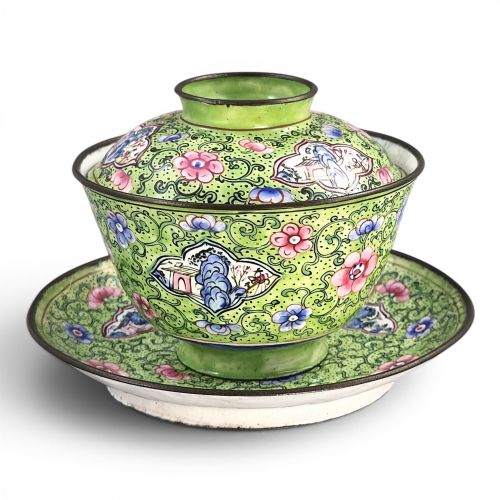
- A traditional Chinese lidded bowl used for steeping and drinking tea without a separate infuser. It consists of a saucer, bowl, and matching lid.
- Scholar's Brush Washer
- A small vessel designed for cleaning calligraphy brushes in East Asian studies. These items frequently employ refined materials such as cloisonné enamel on copper.
Antique Enamelware Bowl: Frequently Asked Questions
How do I clean an antique enamelware bowl?
Dust the surface gently with a soft, dry cloth to remove everyday particles without disturbing the glaze or metal elements.
Avoid immersing the piece in water or using harsh chemical cleaners, particularly on items containing exposed copper, brass, or delicate gold leaf details.
Can I use these bowls for food?
Most antique bowls are intended for decorative display rather than daily culinary use due to the age of the materials and potential composition of historical glazes.
Displaying them on tables or shelves preserves the enamel surface and prevents accidental wear from cutlery or moisture.
How do I distinguish Japanese cloisonné from Chinese cloisonné?
Japanese pieces from the Meiji period often display highly naturalistic bird and floral motifs set against dark, transparent enamels with exceptionally fine, flush wires.
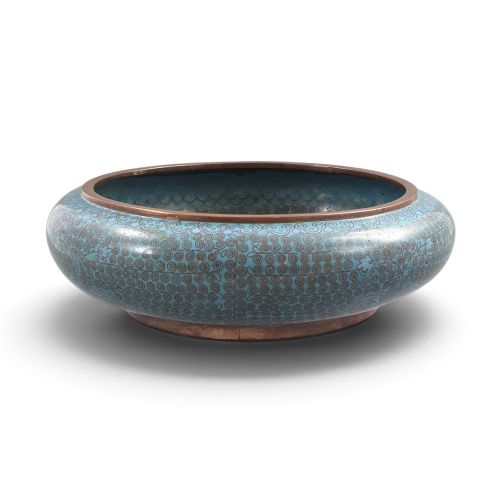
Chinese examples, such as nineteenth-century scholar's items, frequently utilise heavier brass wires and denser, opaque turquoise or blue grounds.
What is a charger?
A charger is a large decorative plate or shallow bowl traditionally used for ceremonial presentation rather than serving food at the table.
In nineteenth-century Japanese enamelware, these large circular pieces served to showcase complex pictorial designs like dragons.