
Antique Empire Furniture
Antique empire furniture brings formal architectural presence into a room through heavy mahogany, gleaming ormolu, and crisp classical proportions.
Antique Empire Furniture
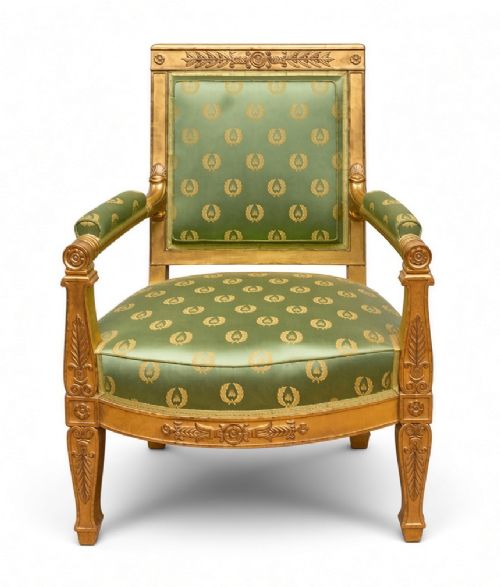
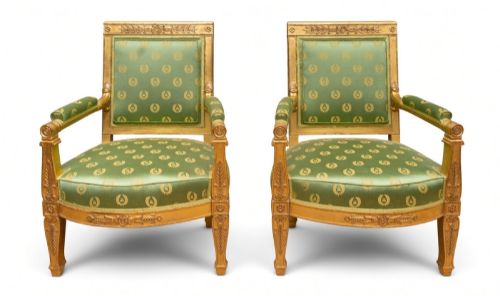
When searching for antique empire furniture, a buyer encounters formal case pieces, seating, and tables originating from the nineteenth century. These objects derive from French imperial design, Italian neoclassical traditions, and Regency influences.
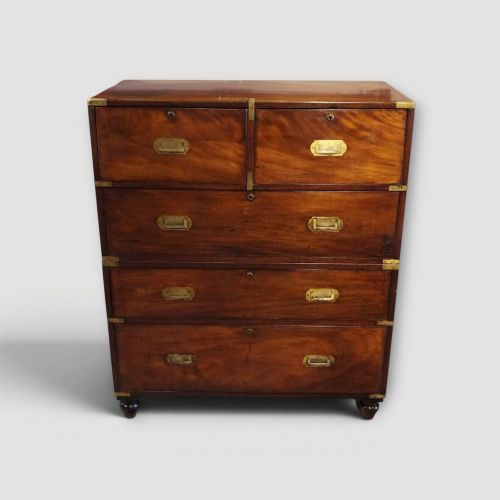
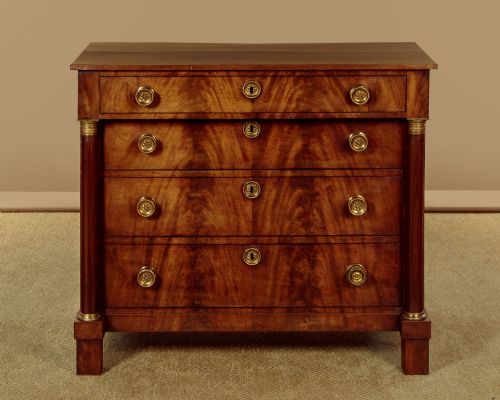
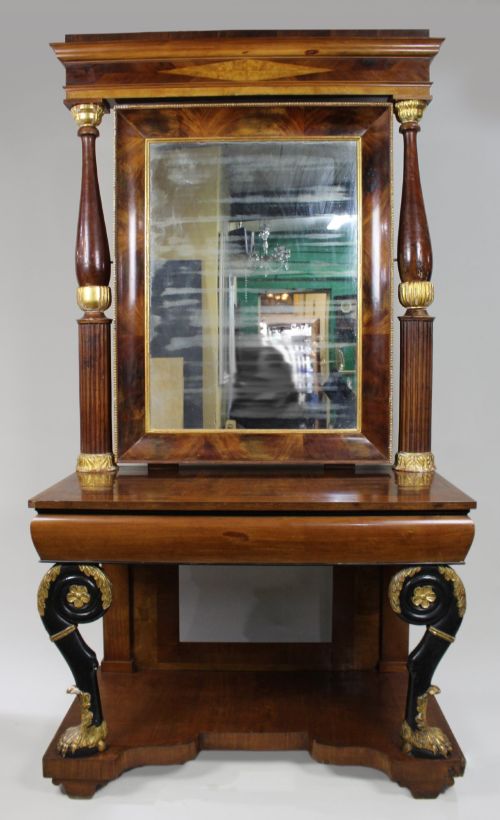
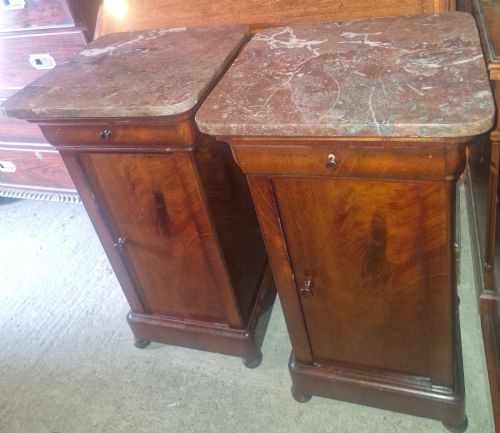
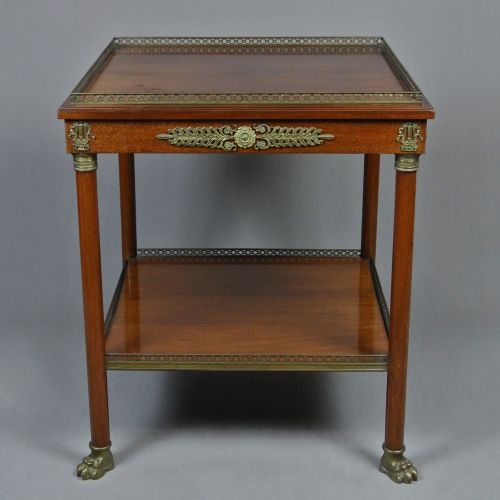
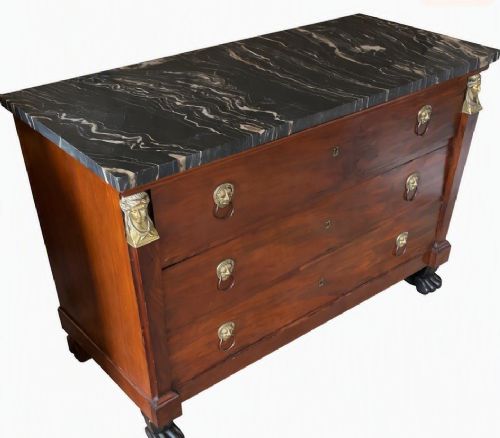
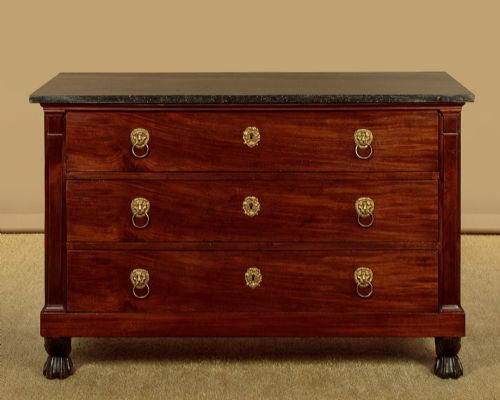
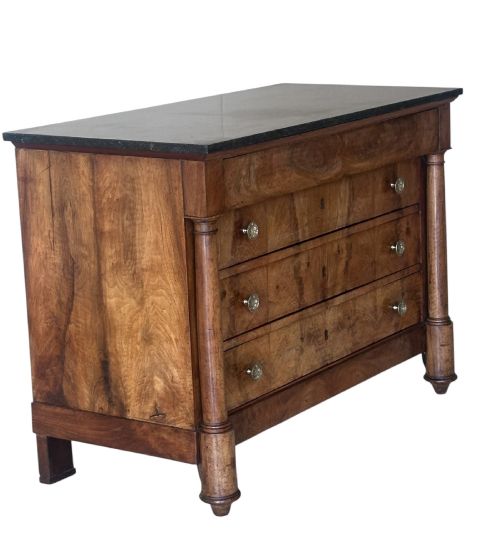
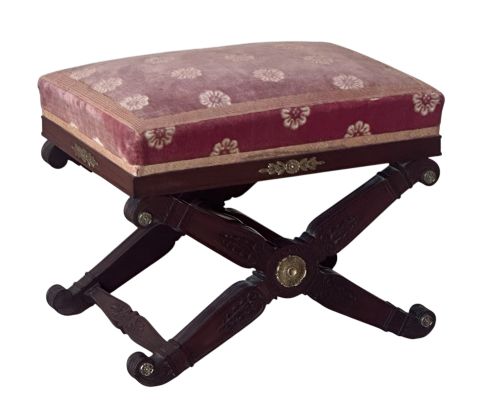
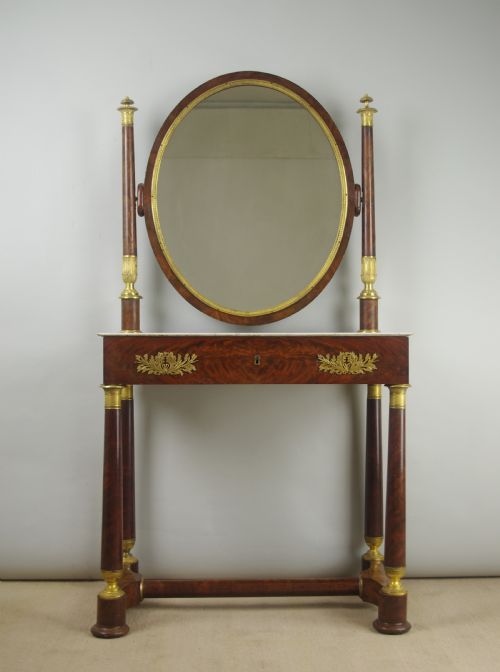
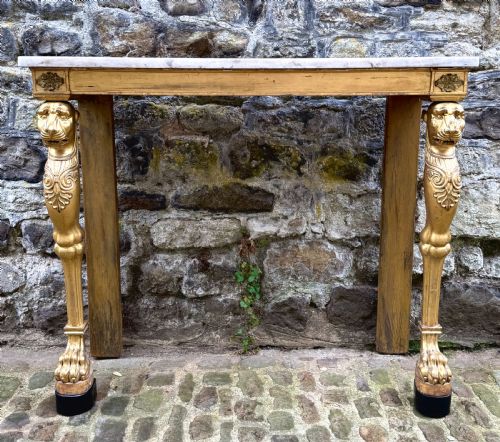
The most common forms on this page include mahogany commodes, console tables with marble tops, and dressing tables featuring classical mounts. Pieces often stem from French workshops or later nineteenth-century revivals.
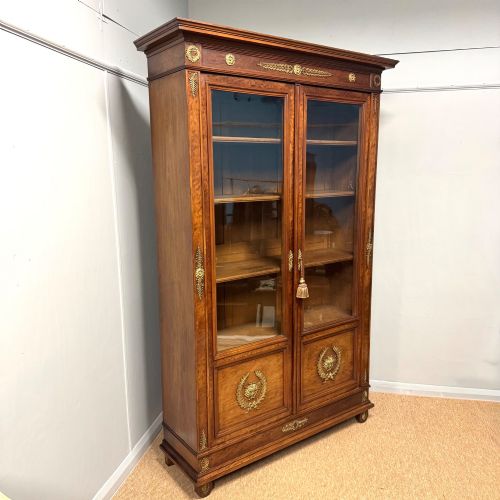
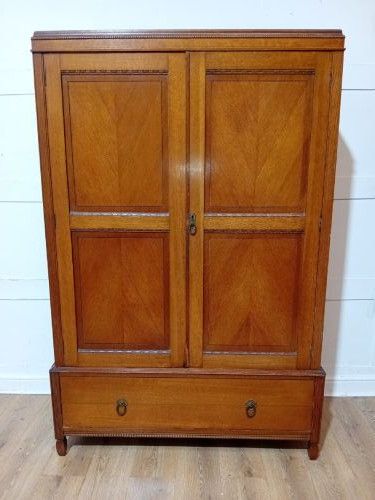
Cabinets, secretaires, and centre tables display the characteristic architectural mass and symmetrical layout associated with this neoclassical idiom.
Materials and Construction
Cabinetmakers utilised dense timbers like mahogany, flame birch, and walnut, frequently applying veneer over sturdy secondary woods to create smooth, sweeping surfaces. Marble slabs form the tops of many commodes and console tables.
Cast bronze ormolu mounts, parcel giltwood accents, and brass fittings provide the metallic contrast typical of the style. Structural joints rely on traditional joinery methods suited to heavy case furniture.
Listings feature nineteen-century pieces constructed from mahogany, walnut, and flame birch, accented with marble and ormolu.
Assessing Quality and Execution
Quality rests in the precision of the cabinetwork and the crispness of the cast bronze mounts. Superior pieces display seamless veneer matching, particularly on flame mahogany surfaces.
The integration of marble tops and the fidelity of neoclassical carvings separate standard production from exceptional examples stamped by known Parisian makers.
Jacob Desmalter·Mercier Freres·Krieger Paris
The Antique Empire Furniture Glossary
- Ormolu
- Gilt-bronze ornaments applied to furniture frames and drawer fronts. This technique involves coating cast bronze with a mercury-gold amalgam to produce a durable golden finish.
- Commode
- A low chest of drawers or cabinet designed for domestic use. These pieces frequently feature marble tops and heavy classical proportions.
- Secretaire à abattant
- A tall upright cabinet with a fall-front writing flap concealing small drawers and compartments. It combines storage with a compact writing surface.
- Console table
- A wall-mounted or freestanding table supported by decorative brackets or legs. They often incorporate marble tops and giltwood frames.
- Flame mahogany
- Timber cut from the fork of the mahogany tree to create a distinctive flickering grain pattern. Cabinetmakers prized this veneer for principal drawer fronts and tabletops.
Antique Empire Furniture: Frequently Asked Questions
How do I clean marble tops on empire furniture?
Use a soft cloth dampened with warm water and mild neutral soap to wipe the surface. Avoid acidic cleaners that etch the polished stone.
Dry the marble thoroughly afterwards to prevent water spots and preserve the original finish.
Where should I place a console table?
Console tables suit entrance halls, living rooms, or dining spaces where they sit flat against a wall. Pairing them with a pier mirror creates a traditional symmetrical display.
Ensure the floor is level so the heavy marble top rests evenly on its frame.
How do I care for mahogany veneer?
Dust the wood regularly with a soft, dry cloth and apply a microcrystalline wax periodically to nourish the surface. Keep pieces away from direct sunlight and radiators to prevent the veneer from drying out or lifting.
Avoid silicone-based polishes that build up over time and dull the grain.
What defines the French Empire style?
This design movement draws inspiration from ancient Roman, Greek, and Egyptian motifs. It emphasises symmetry, dark woods, and striking metallic mounts.
Monumental forms and architectural columns distinguish these pieces from lighter eighteenth-century styles.