
Antique Embroidery Tapestry
These antique embroidery tapestry pieces bring centuries of needlework, crewelwork and textile art directly into modern interiors as wall hangings and framed panels.
Antique Embroidery Tapestry
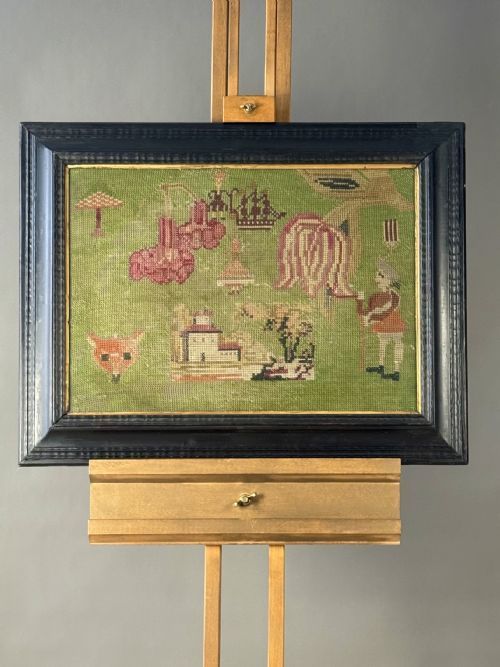
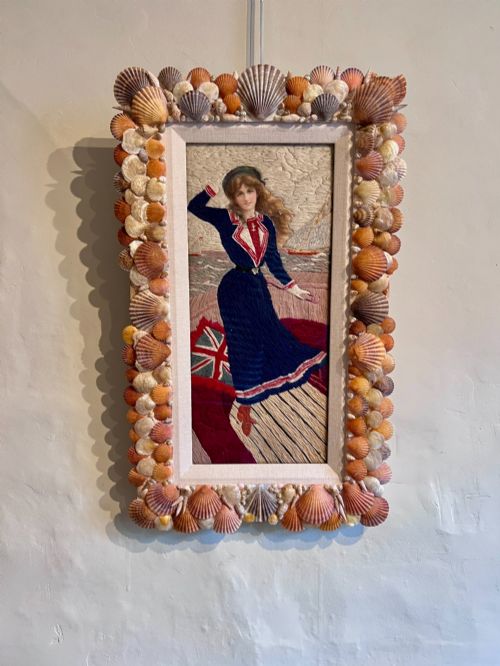
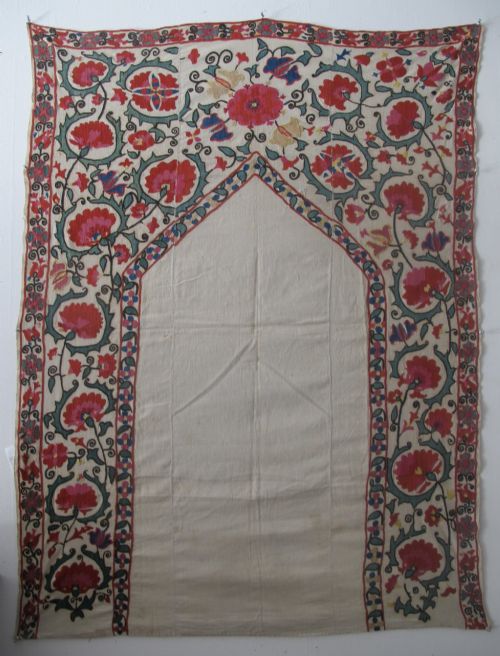
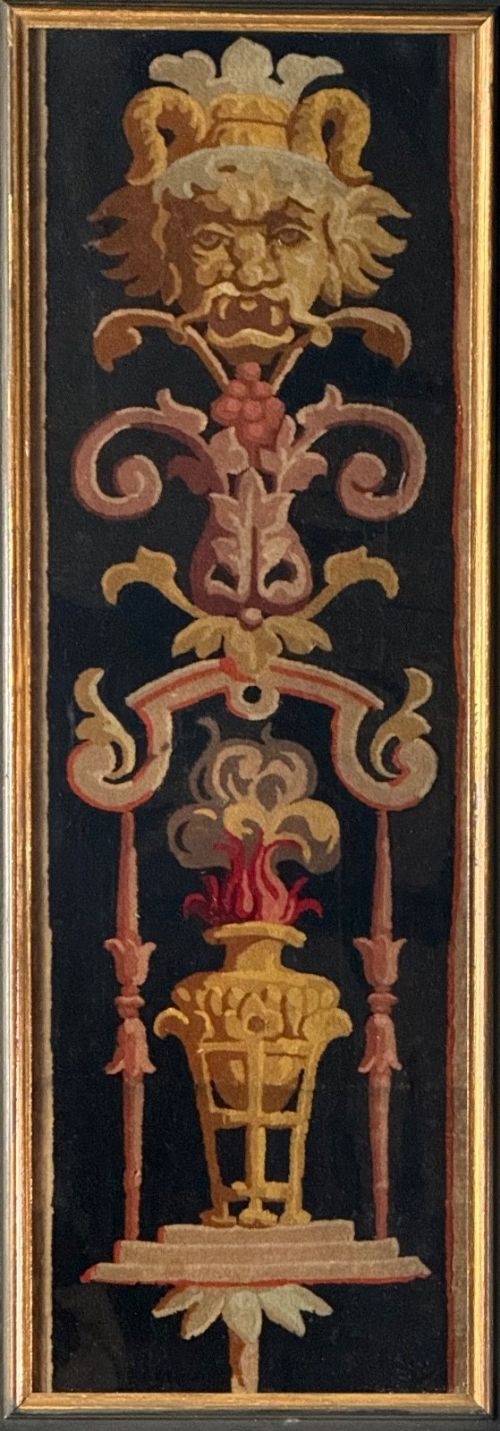
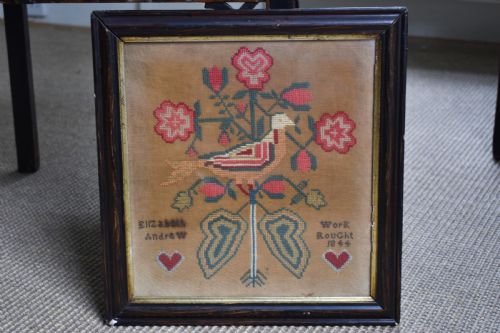
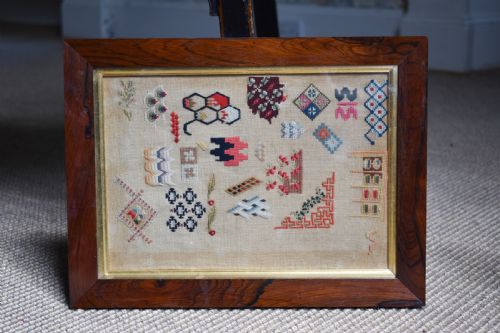
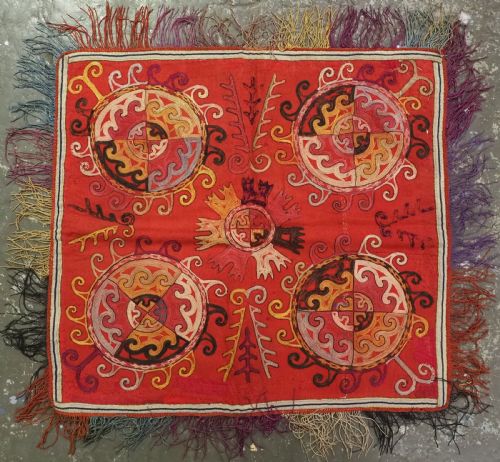
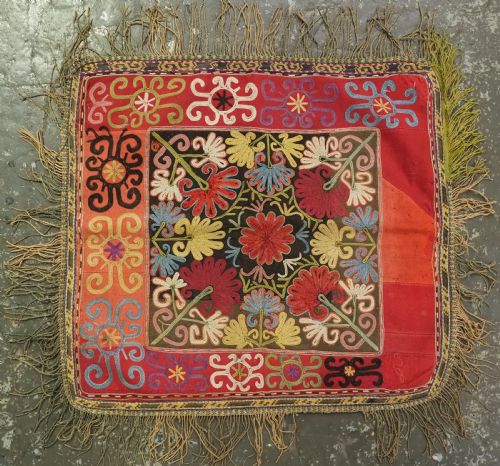
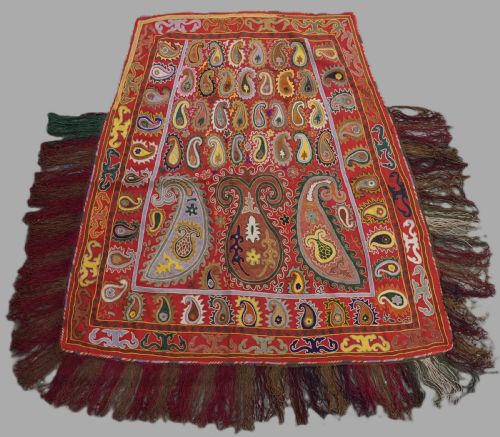
When you search for antique embroidery tapestry, you encounter a diverse array of textile works ranging from framed Victorian woolwork pictures to Central Asian tribal suzanis. These historical textiles encompass framed samplers, crewelwork panels, and embroidered wall hangings executed across various centuries.
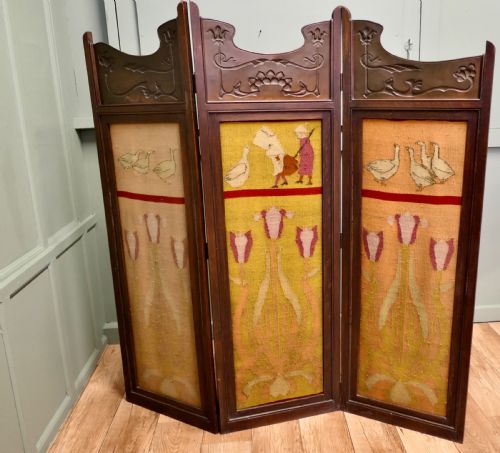
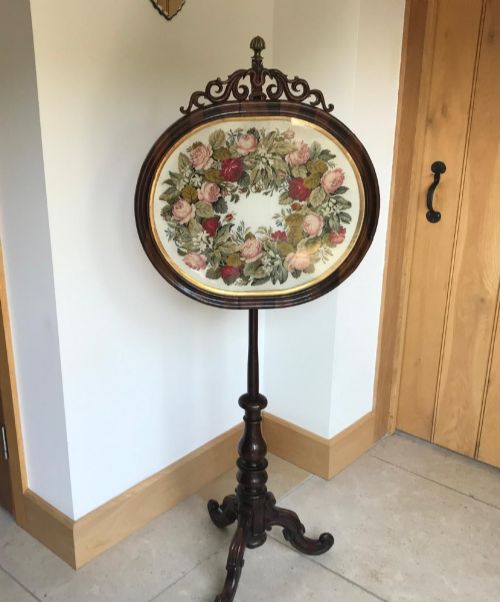
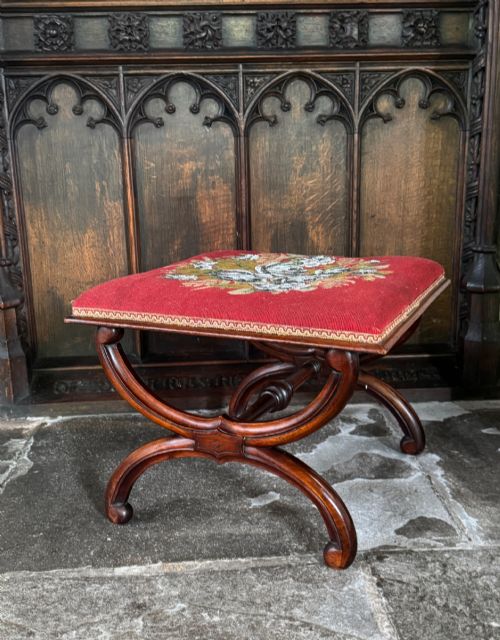
Domestic furnishings like fire screens, pole screens, and footstools also appear, integrated with embroidered panels or needlepoint seats. These functional objects combine woodwork with textile artistry, providing both decorative impact and historical utility.
Materials and construction
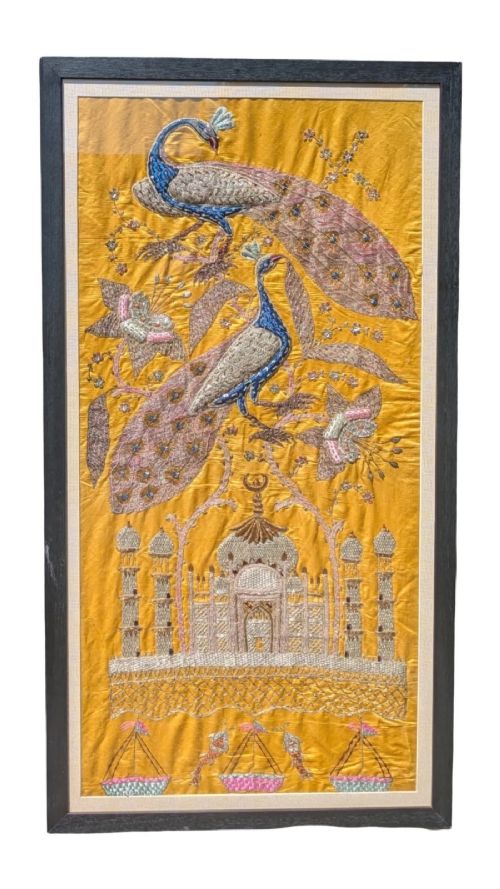
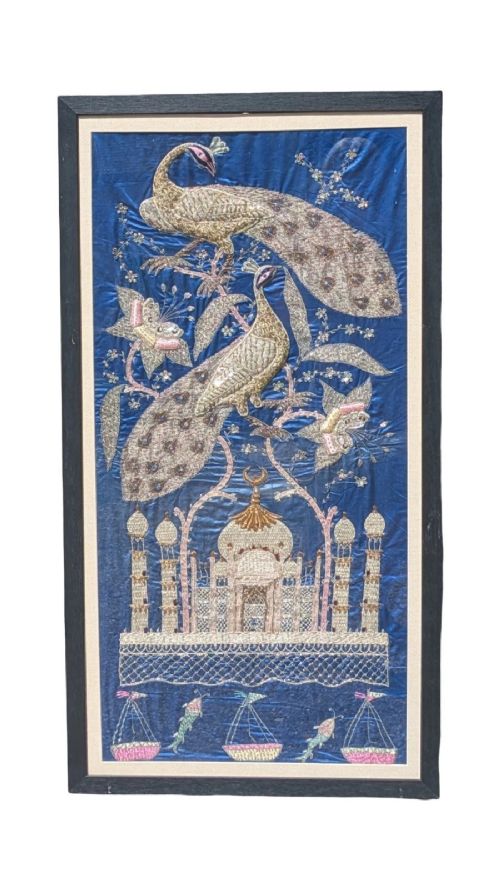
Makers utilised natural foundations such as linen, cotton, wool, canvas, and felt, working stitchery upon them with silk, wool, and metal threads. Many pieces incorporate glass beads or plushwork to create tactile depth and visual contrast within the embroidered surface.
Materials recorded across the inventory include silk, wool, cotton, linen, felt, glass beads, and various woods such as rosewood, walnut, and giltwood.
Assessing quality and execution
Quality rests heavily upon the precision of the needlework, the complexity of the design, and the survival of the original materials. Finer execution shows in the tight regularity of stitches, the subtlety of silk shading, and the dynamic rendering of figures, animals, or architectural motifs.
The preservation of the textile foundation and the originality of the mounting frame substantially elevate a piece. Early frames, original glass, and untouched backing materials preserve the historical integrity of needlework samplers and crewelwork panels.
The Antique Embroidery Tapestry Glossary
- Suzani
- A type of embroidered and decorative tribal textile made in Tajikistan, Uzbekistan, and other Central Asian countries. These large wall hangings typically feature bold floral and medallion designs stitched in silk.
- Crewelwork
- A traditional form of embroidery utilising wool yarn on a heavy linen or cotton twill fabric. This technique creates textured surface patterns seen in large historical wall hangings and panels.
- Sampler
- A piece of needlework produced by a beginner or child to demonstrate proficiency in various stitches and alphabets. These often include dates, names, and pious motifs.
- Berlin Work
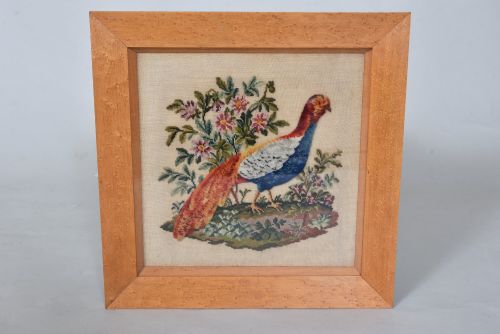
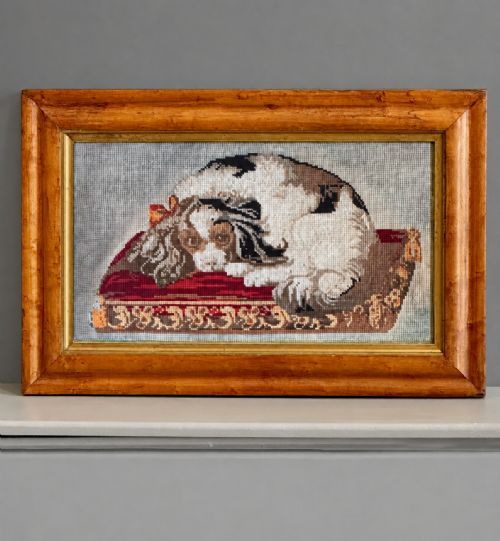
- A style of colourful needlepoint embroidery popular during the Victorian era, worked from charted grid patterns. It frequently depicts elaborate pictorial scenes, animals, or religious narratives.
- Plushwork
- A specialised Victorian needlework technique that leaves loops of yarn uncut or sheared to create a raised, velvety pile texture. It appears on pictorial subjects like animals and birds.
Antique Embroidery Tapestry: Frequently Asked Questions
How should I hang textile art?
Keep textile wall hangings away from direct sunlight to prevent fading of delicate silk and wool threads. Ensure they are mounted professionally with appropriate backing support to distribute weight evenly across the fabric.
For framed pieces, maintain stable indoor humidity levels to protect both the wooden frames and the delicate embroidery inside.
What is a suzani?
A suzani is a traditional embroidered tribal textile originating from Central Asia, specifically Uzbekistan and surrounding regions. They were traditionally made by brides as part of their dowry.
These large panels feature striking botanical and geometric designs hand-stitched in vibrant silk threads on cotton or linen foundations.
How do I date an antique sampler?
Samplers frequently include embroidered dates, maker names, and ages, providing direct evidence of their origin. Stylistic clues such as lettering fonts, border motifs, and the types of linen used also help determine the period.
Comparing the stitching density and thread types against known examples narrows down the decade of production.