


Antique Embossed Box
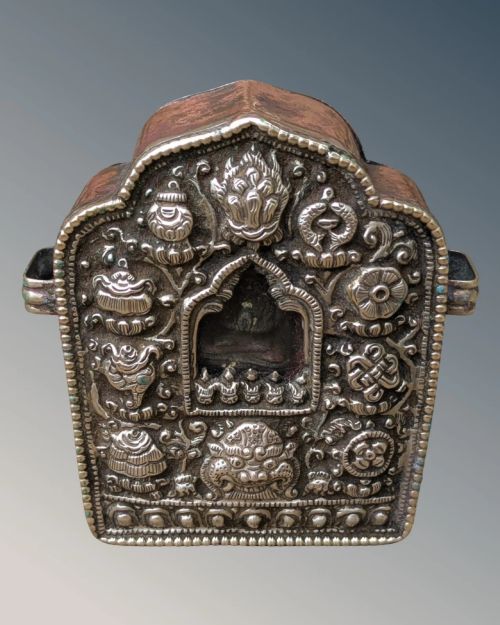
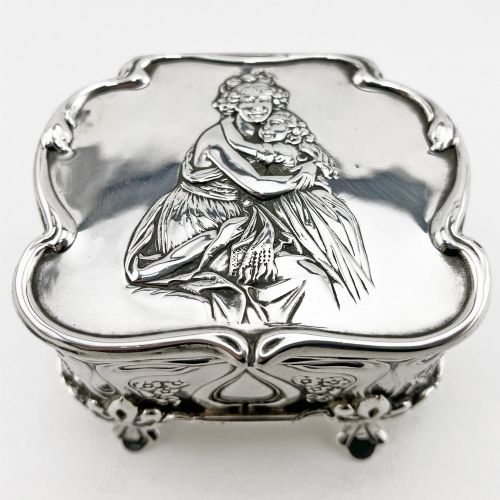
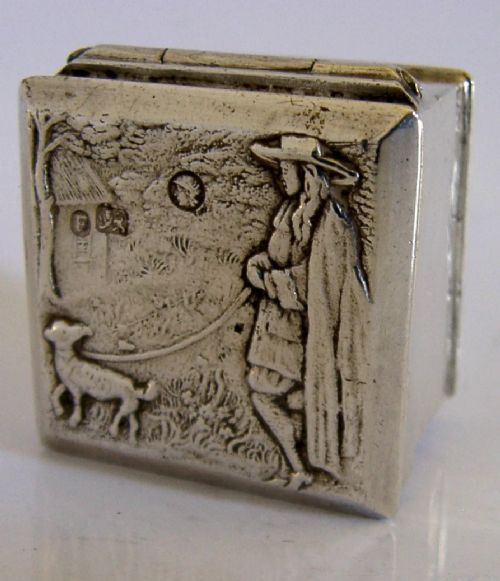
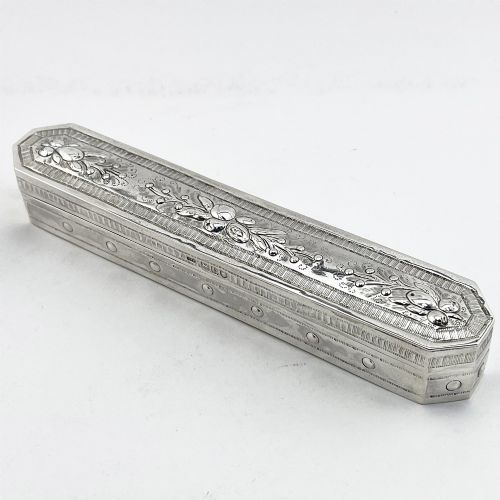
An antique embossed box brings raised ornamentation to small metal and wooden receptacles, offering tactile historical charm for holding trinkets, tea, or stamps.
Antique Embossed Box
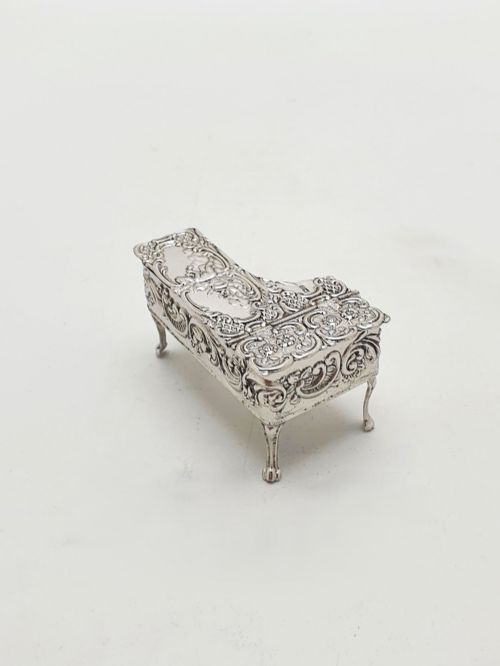
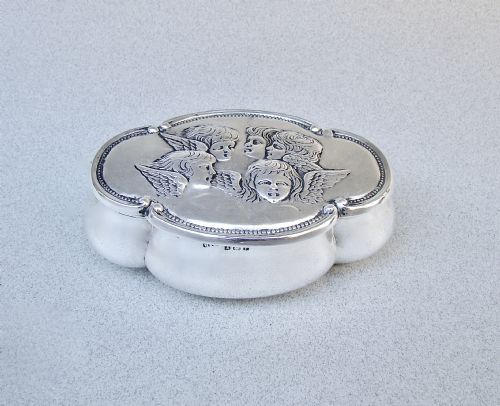
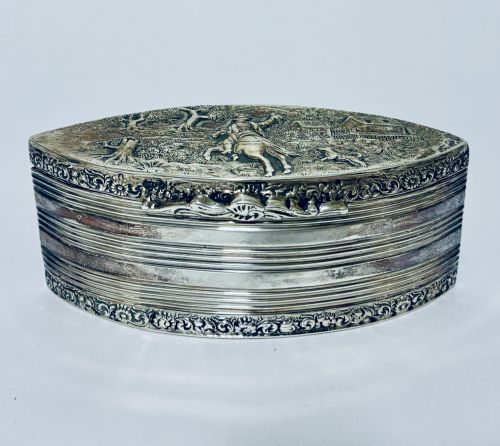
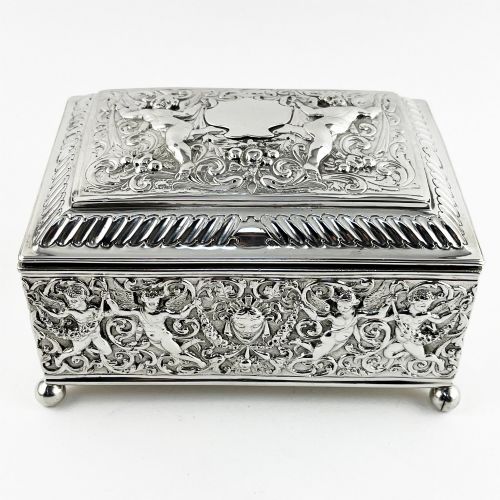
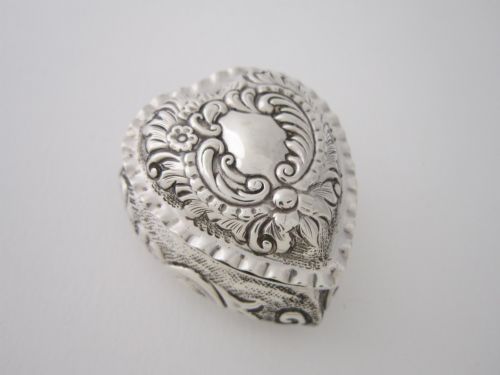
When you search for an antique embossed box, you encounter a diverse array of small lidded containers intended for domestic utility and display. The selection spans the Victorian and Edwardian eras alongside late nineteenth and early twentieth century Continental imports, encompassing forms such as trinket boxes, snuff boxes, tea caddies, and vesta cases.
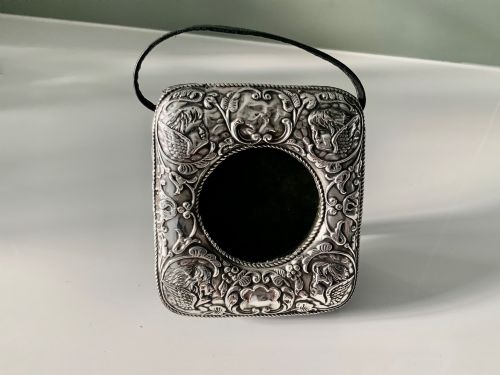
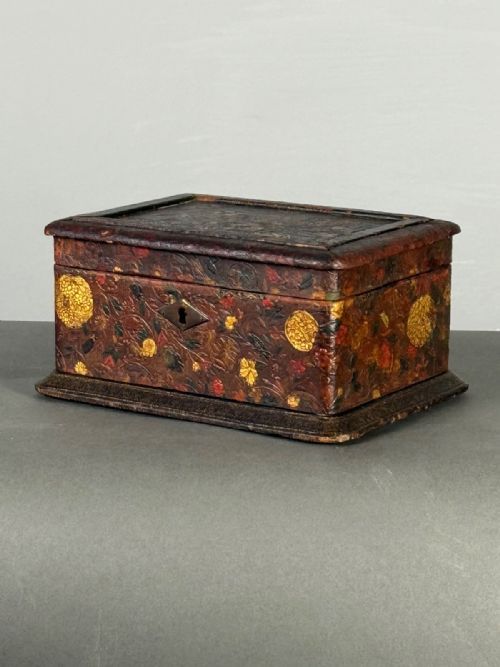
Most examples originate from British silversmiths working in major assay towns like Birmingham, London, and Chester, while others reflect Dutch, German Hanau, and Indian colonial production. Materials extend beyond solid silver to include brass, copper, bronze paired with glass, and occasionally leather with velvet or silk linings.
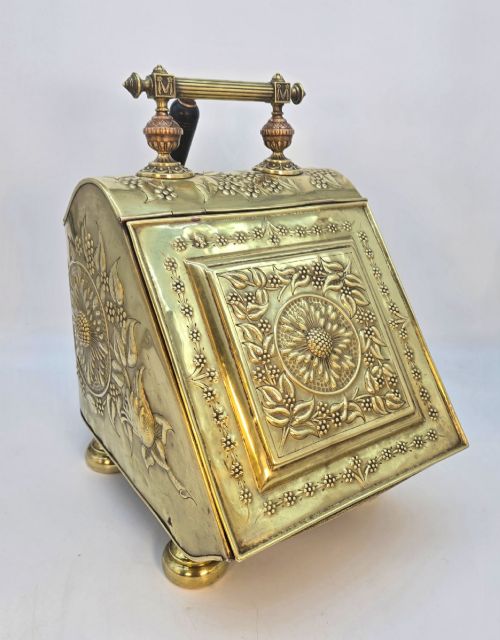
Functional pieces range from intimate pill boxes and desk accessories to larger table boxes and coal bins. Stylistic influences incorporate Rococo Revival curves, Dutch Rococo, Art Nouveau whiplash lines, and Anglo-Indian motifs.
Materials and Method
Metals form the core of these objects, with sterling silver, solid silver, and brass dominating the inventory alongside bronze, copper, and glass. Artisans utilised sheet metal of varying gauges, shaping the bodies through hammering, casting, or turning.
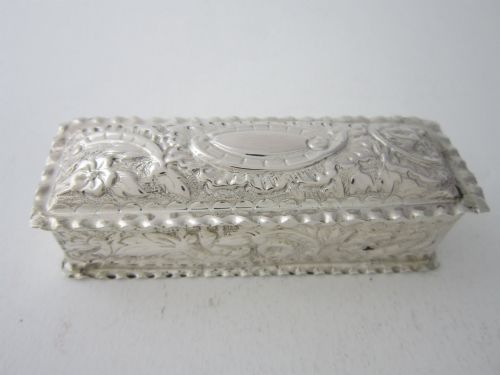
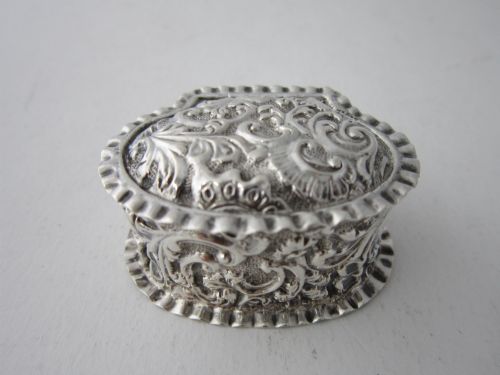
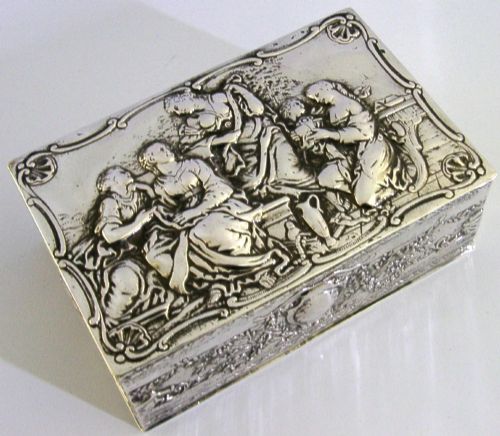
The raised ornament characteristic of these items relies on repoussé and chasing techniques, where smiths worked the metal from the reverse side to push the design outward before refining the details from the front.
Antique Embossed Box Retail Price Guide 2026
Typical asking prices for embossed box among the pieces listed under this phrase on Sellingantiques today, from the lower quarter to the upper quarter. They describe what is for sale here now, not the wider market.
Assessing Quality
Quality rests primarily on the crispness and depth of the raised ornamentation, separating sharp, hand-chased figural scenes from soft, worn press-work. The gauge of the metal also dictates substance and durability, distinguishing heavy, substantial table pieces from flimsy stampings.
Internal finishes matter significantly, such as the presence of a well-preserved gilt interior, clean hallmarks from recognised makers, or intact original fabric linings like silk and velvet.
William Comyns·Henry Matthews·A Bromet and Co·Thomas Hayes
The Antique Embossed Box Glossary
- Repoussé
- A metalworking technique where the artisan hammers the design from the reverse side to create a raised pattern on the front. This method gives the surfaces of these containers their tactile dimension.
- Vesta Case
- A small pocket container designed to hold matches and keep them dry. Many feature raised decoration and strike lines on the base.
- Tea Caddy
- A box or jar originally used for storing tea leaves securely. In this category, they often appear in solid silver with tight-fitting lids.
- Gilt Interior
- A thin layer of gold applied to the inside of a silver box. This protects the silver from tarnishing when holding sweet items or snuff.
- Hallmark
- An official stamp applied to precious metals indicating the standard of purity, the assay office, and the date letter. These marks help verify the origin of British silver pieces.
Antique Embossed Box: Frequently Asked Questions
What were antique embossed boxes used for?
These receptacles served various domestic and personal functions depending on their scale. Smaller examples held snuff, pills, or stamps, while larger versions accommodated trinkets, jewellery, or tea.
Heavier brass and metal variants often functioned as hearth accessories, containing coal or matches near the fireplace.
How do I date an antique silver box?
Dating relies primarily on the assay office hallmarks stamped directly onto the metal. These official marks usually include a date letter corresponding to a specific year of testing.
Stylistic cues, such as Art Nouveau curves or Victorian revival motifs, offer additional clues when hallmarks are rubbed or absent.
Are these boxes made of solid silver?
Many of the pieces feature solid sterling silver, typically marked with the lion passant for British items or numerical standards for continental silver. Some examples combine silver with glass, leather, or velvet.
Alternative materials like brass, bronze, and copper also appear frequently across the selection.
How should I clean a silver trinket box?
Cleaning requires a soft microfiber cloth and a gentle, non-abrasive silver polish formulated for antiques. Care must be taken around raised repoussé details and velvet or silk linings.
Aggressive scrubbing can wear away thin silver plating or soften the crisp edges of the embossed decoration.