


Antique Elm Carver
An antique elm carver brings robust vernacular character to a room, combining tactile timber grain with the generous proportions of regional seating traditions.
Antique Elm Carver
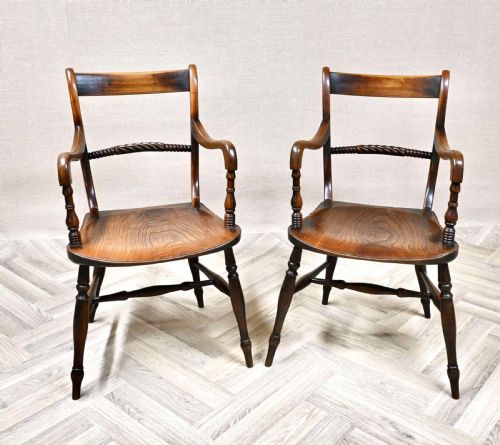
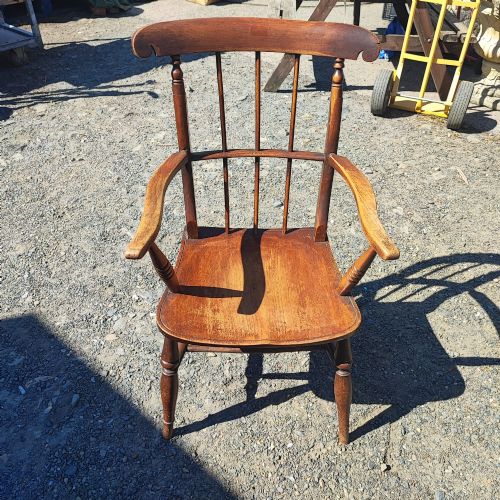
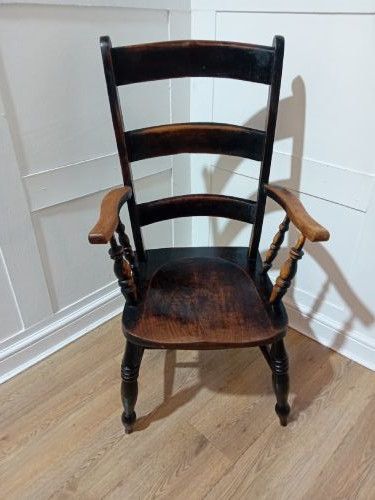
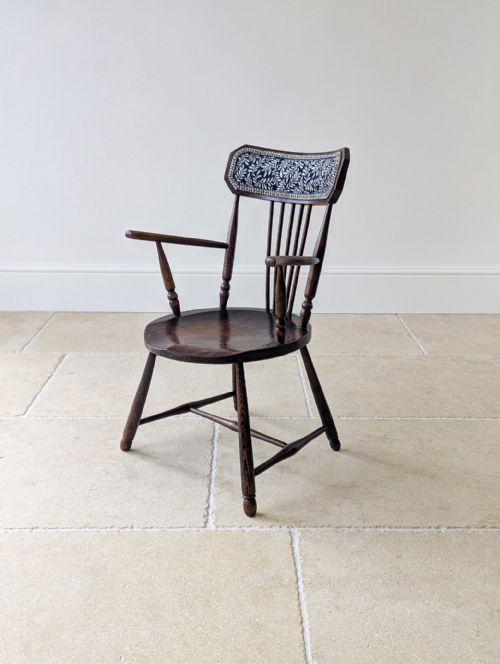
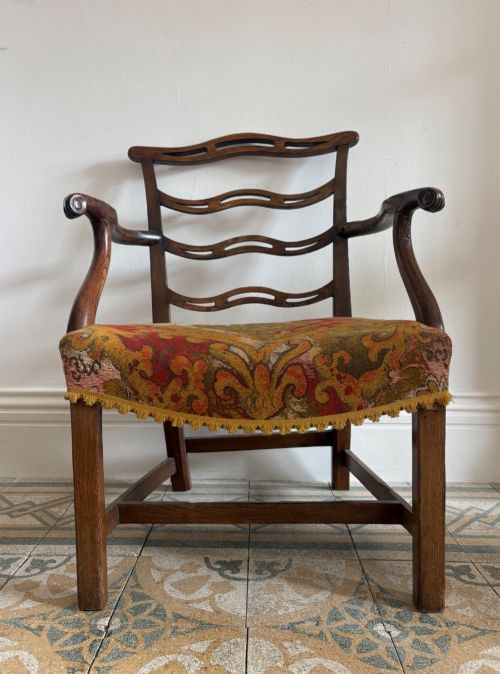
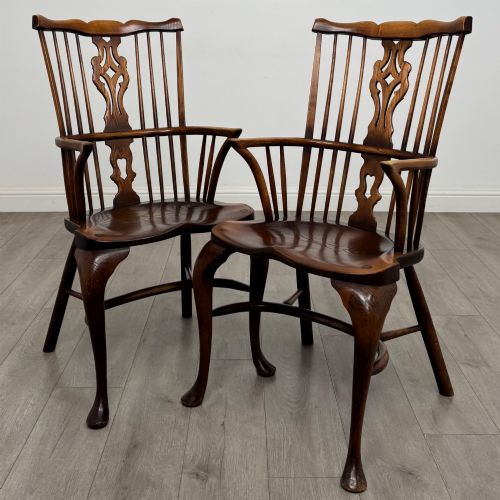
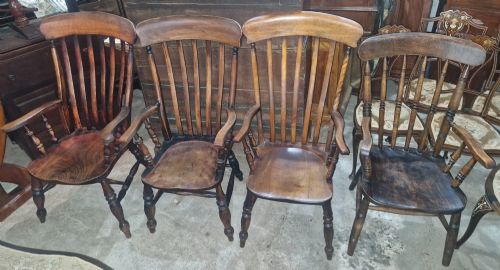
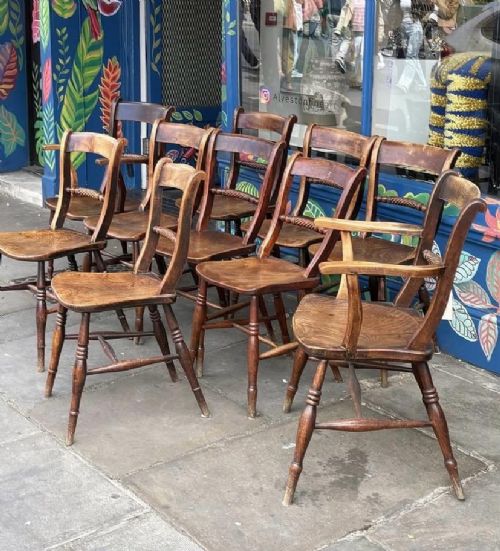
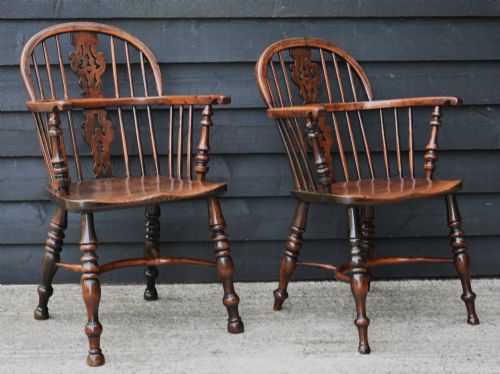
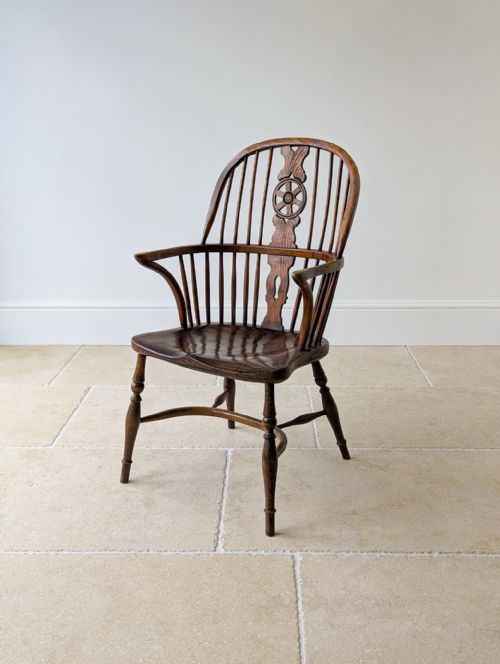
When you search for an antique elm carver, you encounter sturdy timber armchairs originating from country workshops and farmhouse kitchens across the 18th, 19th, and early 20th centuries. These seats appear in various regional styles, ranging from Windsor frameworks with spindle or wheel backs to ladderback and barback dining armchairs.
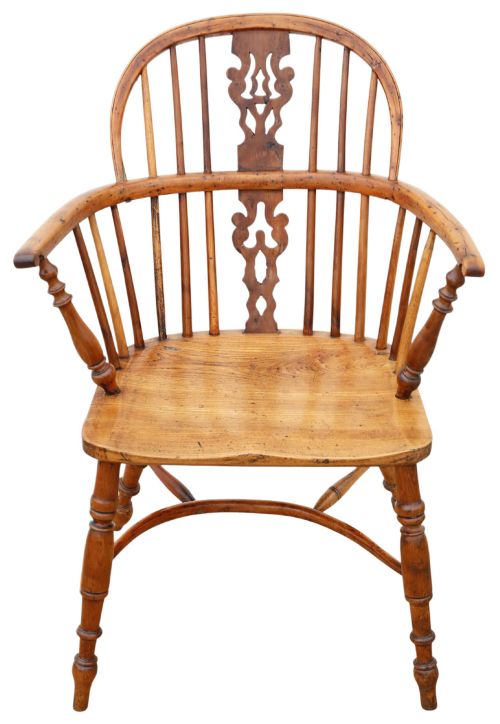
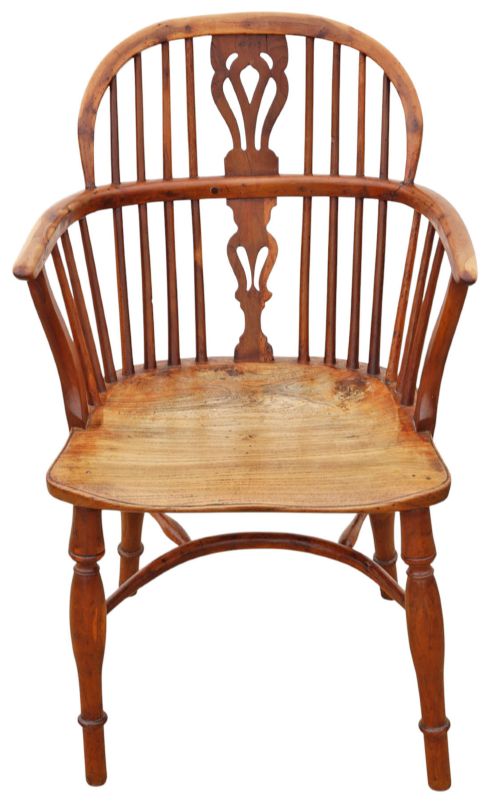
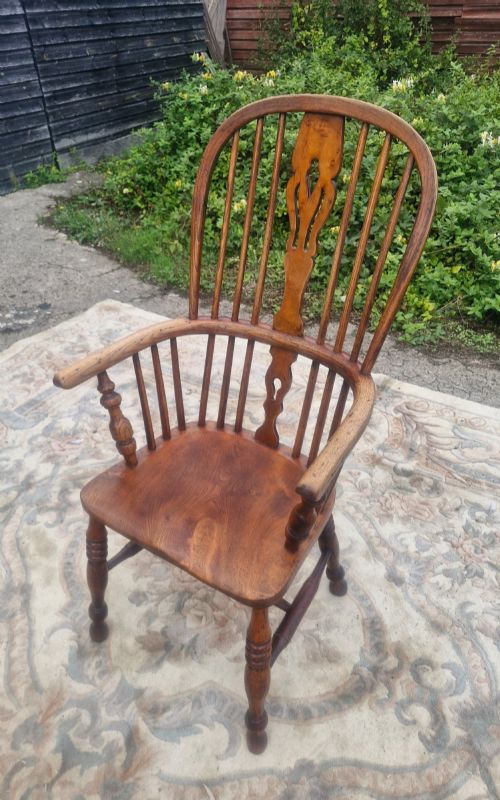
The version you are most likely to meet on this page is the English country Windsor carver, often constructed with a solid elm saddle seat paired with contrasting timbers like ash, beech, or yew for the bending parts and legs. Dining carvers and kitchen armchairs dominate the selection, offering substantial elbow room and vernacular charm.
How They Were Made
Maker-craftsmen built these chairs by combining solid elm for the sculpted seats with flexible timbers like ash and beech for steam-bent bows and spindles. Elm provided a tough, interlocking grain that resisted splitting when wedged with legs and arm supports, while yew and fruitwood offered rich colour and decorative contrast in higher-grade examples.
Construction relied on traditional green woodworking techniques, where turned components were driven into bored sockets and secured with wedges. Many examples incorporate rush seating or pegged joints, reflecting the practical methodologies of regional joiners and Windsor chair makers.
Listings feature regional variations spanning the Georgian, Regency, and Victorian periods, incorporating elm, ash, beech, and rush.
What Varies in Quality
Quality rests in the balance of timber selection and the depth of the sculpted elm seat, where superior examples display a deeply dished saddle that offers genuine ergonomic comfort. The integrity of the original joints, the retention of surface patination, and the elegance of the spindle or comb back turnings separate utilitarian seating from finer regional craftsmanship.
The choice of secondary woods also signals grade, with combinations of yew and elm commanding greater respect than basic beech and elm utility builds. Retaining original colour and uncompromised structural stretchers preserves the integrity expected by discerning collectors.
Ernest Gimson
The Antique Elm Carver Glossary
- Carver
- An armchair designed to match a set of dining chairs, usually featuring open arms and a wider seat. These pieces often sat at the head of the table.
- Windsor
- A chair constructed with a solid wooden seat into which the legs, back spindles, and bow are directly tenoned. This structural method creates a resilient, unified frame.
- Vernacular
- An object made by local tradesmen following regional traditions rather than formal pattern books. These pieces prioritise practical function and available local materials.
- Comb back
- A Windsor chair variation where the vertical spindles extend upward to support a horizontal top rail resembling a traditional hair comb. This style frequently appears in 18th-century forms.
- Rush
- Dried marsh grass twisted into cords and woven tightly to form a supportive seat pad. It represents an ancient seating method common in country furniture.
- Crinoline stretcher
- A curved under-framing brace linking the legs of a chair together, named after the shape of Victorian hoop skirts. It adds lateral stability to the base.
Antique Elm Carver: Frequently Asked Questions
How do I tell different regional styles apart?
Regional variations often reveal themselves in the turning of the spindles and the choice of secondary woods. Thames Valley and Lincolnshire chairs show distinct back designs, such as wheelbacks or high bar backs, reflecting local maker preferences.
Examining the undercarriage turnings and the contour of the arm supports helps identify the specific rural workshop tradition behind the piece.
Can I use an antique carver for daily dining?
These armchairs were originally built for heavy daily use in farmhouses and country homes, making them exceptionally sturdy for modern dining setups. Their generous proportions provide comfortable seating around a dining table.
Ensure the height clears your table apron, and check that the seat and joints remain stable before placing them into regular service.
How do I care for an elm and rush seat?
Elm responds well to occasional applications of beeswax to nourish the timber grain and preserve its historic patination. Keep the wood away from direct heat sources and drastic humidity changes to prevent splitting.
Rush seats benefit from gentle dusting and should be kept dry to maintain the natural strength of the woven marsh grass.