


Antique Elephant Figurine
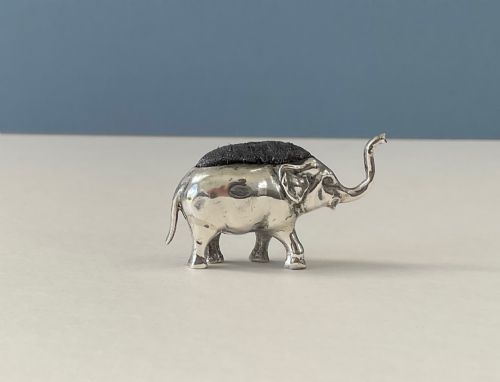
These antique elephant figurine examples span European porcelain, Japanese bronze, and Indian carved timber, offering collectors a diverse range of sculptural forms.
Antique Elephant Figurine
The selection includes practical desk accessories such as bookends and paperweights alongside large decorative figures, ceremonial groups with keepers, and complex action studies involving tigers. Works originate from diverse cultural traditions including Anglo-Indian workshops, Japanese studios, and continental European factories.
Materials and construction methods
Bronze forms depend on the lost-wax casting technique, often finished with detailed chiselling and patination to articulate skin texture and harness trappings. Japanese bronzes from the Meiji period frequently integrate multiple components, such as ivory tusks or separate tiger figures locked in combat.
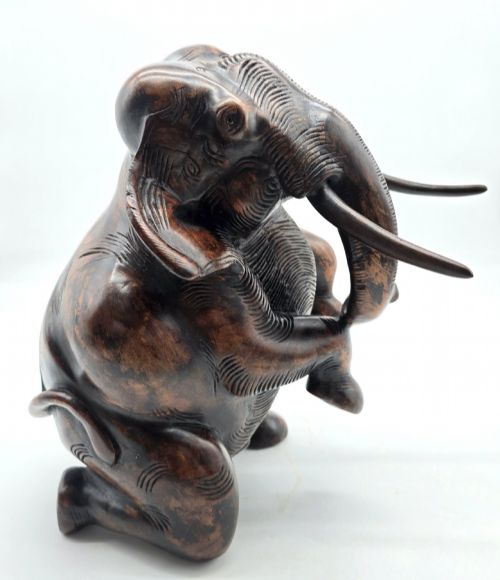
Carved timber pieces utilise dense tropical hardwoods including teak and ebony, shaped with hand gouges to capture the folds of skin and ornate ceremonial drapery. Porcelain examples from European factories combine high-temperature firing with hand-painted enamel decoration and gilded ormolu mounts.
Listings feature nineteenth-century bronzes, carved hardwoods including teak and ebony, and European porcelain figures spanning the Victorian era and the nineteen-twenties.
Assessing craftsmanship and detail
Quality rests upon the naturalism of the carving or casting, particularly in the rendering of muscle structure, weight distribution, and facial expression. Finer bronzes show meticulous surface chasing rather than flat, machine-smoothed finishes.
In carved timber and ivory pieces, superior examples exhibit deep undercut work and crisp rendering of decorative blankets and ceremonial attendants. The presence of artist signatures on Japanese okimono or well-known factory marks on European porcelain also elevates a piece.
Rene Lalique·Carl Thieme·Kizan
The Antique Elephant Figurine Glossary
- Okimono
- A Japanese freestanding display carving intended for interior decoration. These Japanese pieces often depict natural subjects and dramatic animal combats.
- Opium Weight
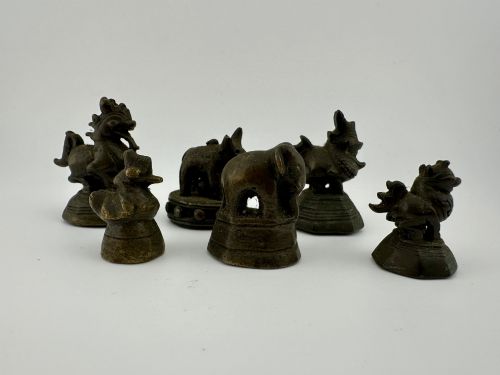
- A small cast metal weight used in Southeast Asian trade, frequently cast in animal forms including elephants. Burmese and Thai examples typically show stylised zoomorphic shapes.
- Ormolu
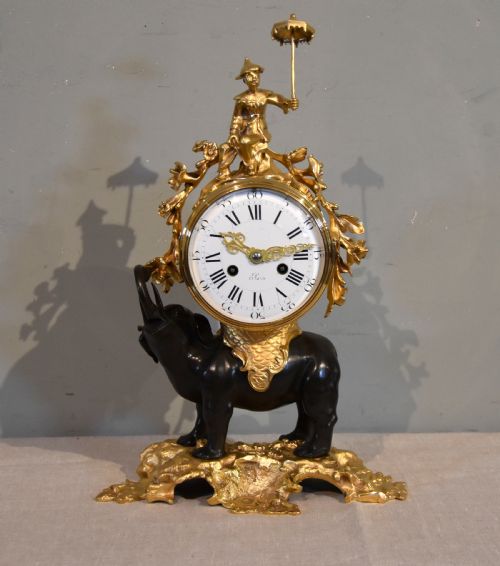
- Gilded bronze mounts used decoratively on clocks and sculptures. French mantel clock housings frequently integrate this gilt metal alongside cast bronze elements.
- Meiji Period
- The era of Japanese history lasting from eighteen sixty-eight to nineteen twelve, noted for high-precision bronze animalier sculpture. Bronzes from this era often display fierce action scenes with tigers.
- Raj Period
- The era of British administration in the Indian subcontinent spanning the nineteenth and early twentieth centuries. Carved teak and ebony figures originate predominantly from this cultural context.
Antique Elephant Figurine: Frequently Asked Questions
How do I clean an antique bronze elephant?
Dust gently with a dry, soft brush to protect the patinated surface from abrasion. Avoid chemical cleaners or water, which can damage historic finishes.
Apply a very thin coat of microcrystalline wax if the metal requires protection against atmospheric moisture. Buff lightly with a clean cloth after application.
What distinguishes Japanese Meiji bronzes?
Meiji period bronzes display exceptional naturalistic detail, often capturing dynamic movement such as tigers attacking an elephant. The casting technique achieves subtle surface textures and deep chemical patination.
Many examples bear artist signatures or foundry marks on the underside. The proportions are typically anatomically observant, reflecting close study of the animal.
How are wooden elephant figures dated?
Dating relies on timber shrinkage, tool marks left by hand gouges, and the style of decorative trappings. Raj period carvings often show specific regional wood choices like ebony or teak.
Examine the base for signs of historic wear, oxidation, and dry age in the grain. Original patination built up through handling provides a reliable indicator of age.
Where were porcelain elephant figures made?
European porcelain factories such as Meissen and Dresden produced decorative animal models during the nineteenth century. These often depicted historic scenes, including Alexander the Great.
Factories applied underglaze blue marks or impressed numbers to identify the model and workshop. The enamels used on these figures required multiple kiln firings.