




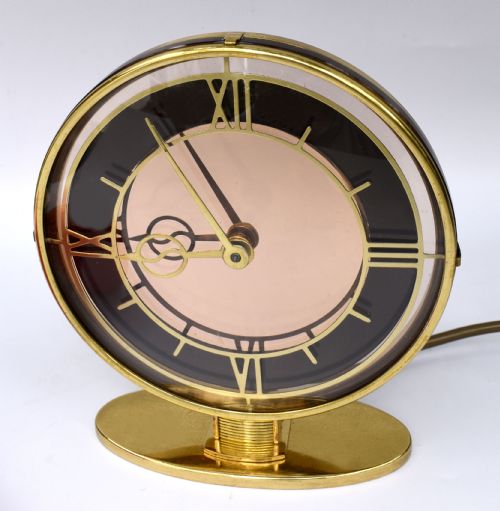
Antique Electric Mantel Clock
An antique electric mantel clock brings early twentieth-century innovation to the shelf, combining decorative style with the novelty of electrical movement.

Antique Electric Mantel Clock
An antique electric mantel clock sits among the domestic innovations of the early twentieth century, spanning the 1920s and 1930s. When you search for an antique electric mantel clock, you encounter early electrical timepieces housed in architectural wooden cases and distinctive glass domes.
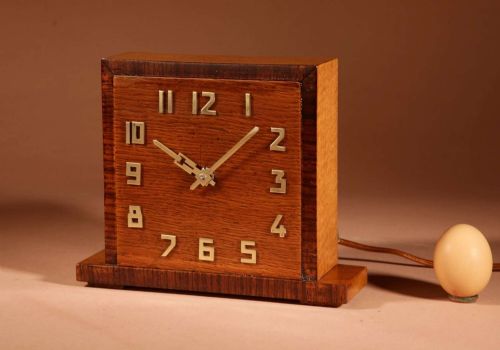
The pieces appearing on this page draw on recognisable design movements of the era, notably Art Deco and the Amsterdam School. These styles shape the character of the dial surrounds and the geometry of the cabinetry.
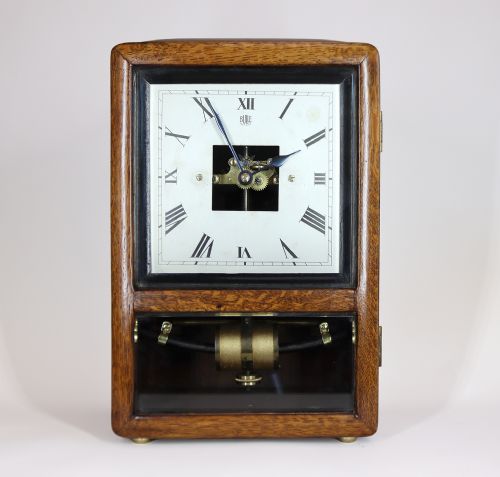
Makers such as Bulle and Smiths dominate the mechanical and branded output of the period. Alongside them, individual makers and French glassworks such as René Lalique contribute specialised models to the category.
How they were made
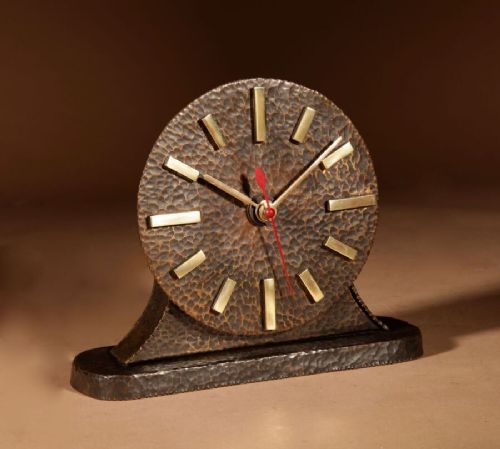
Casework relies heavily on selected hardwoods such as oak, walnut and rosewood, shaped to reflect the prevailing geometric tastes of the interwar decades. Metal components frequently utilise brass, patinated brass, chrome and mixed metals for bezels, hands and decorative mounts.
Materials recorded across these listings include glass, brass, chrome, oak, walnut, rosewood, and patinated brass.
What varies in quality
The refinement of the housing separates standard production pieces from exceptional design examples. Sculptural use of coloured glass or fine cabinet-making in rosewood and oak elevates the visual presence of the clock.
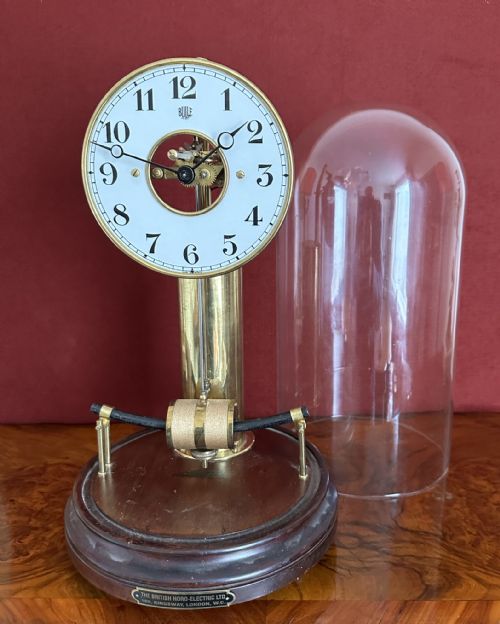
Originality of components, particularly the survival of glass domes and signed dials by makers like P.M. Favre or Smiths, defines the standing of an individual piece within the category.
Bulle·Smiths·P.M. Favre·Rene Lalique
The Antique Electric Mantel Clock Glossary
- Bulle clock
- An electric clock utilising a movement invented by Marcel Bulle, featuring an electromagnetic pendulum. These systems represent a major technological step in domestic timekeeping during the early twentieth century.
- Amsterdam School
- An architectural and design movement originating in the Netherlands, characterised by rounded forms, traditional masonry patterns, and expressive brickwork or woodwork. In these clocks, it translates to robust, sculptural wooden cases.
- Patinated brass
- Brass that has developed a subdued surface sheen or artificial oxidation through age or deliberate treatment. This finish softens the metallic glare and highlights the hammered textures favoured by period designers.
- Mystery clock
- A timepiece where the drive mechanism is concealed or suspended in a way that creates an optical illusion, making the hands appear to move without a visible connection to the works.
Antique Electric Mantel Clock: Frequently Asked Questions
How do early electric clocks work?
These pieces use an electromagnetic system where a battery-powered circuit keeps the pendulum swinging without manual winding.
This technology represents an early domestic bridge between traditional clockmaking and modern electrical engineering.
What periods do these clocks represent?
The selection spans the 1920s and 1930s, capturing the height of Art Deco design and Amsterdam School craftsmanship.
Earlier experimental pieces from around 1900 also appear, showing the formative stage of electric timekeeping.
Are glass domes original to the clocks?
Many Bulle models and decorative glass designs retain their original protective covers, which were designed to shield the delicate pendulums from dust.
The presence of an original dome adds significantly to the historical integrity of the piece.
How do I identify an Amsterdam School clock?
Look for heavy, expressive woodwork using oak or rosewood combined with hammered brass elements.
The aesthetic prioritises sculptural forms and traditional craftsmanship over stark industrial minimalism.