




Vintage Electric Desk Clock
A vintage electric desk clock brings mechanical curiosity and striking period design straight to your workspace.
Vintage Electric Desk Clock
A vintage electric desk clock represents an intriguing intersection of early electrical experimentation and domestic utility from the early twentieth century. These timepieces take the form of mantel clocks and desk accessories designed to sit prominently on surfaces.
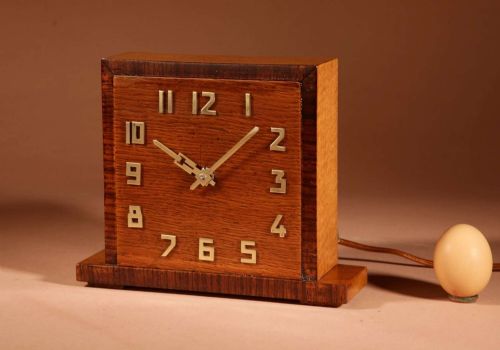
The examples gathered here span from the Edwardian era through the Art Deco and Mid-Century Modern periods, capturing rapid shifts in industrial design. Amsterdam School aesthetics and clean modernist lines appear alongside whimsical automaton movements.
Most pieces date from the 1920s, 1930s, and 1940s, utilising early electromechanical technology before quartz movements transformed timekeeping. Buyers encounter everything from glass mystery clocks to hammered brass and see-through skeleton designs.
How they were made
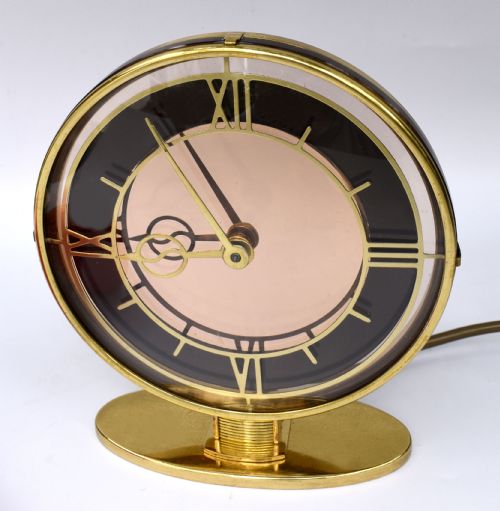
Maker workshops combined traditional cabinetmaking timbers like mahogany, oak, walnut, and rosewood with modern industrial materials. Cases frequently paired brass and chrome plating with moulded glass or early plastics such as bakelite.
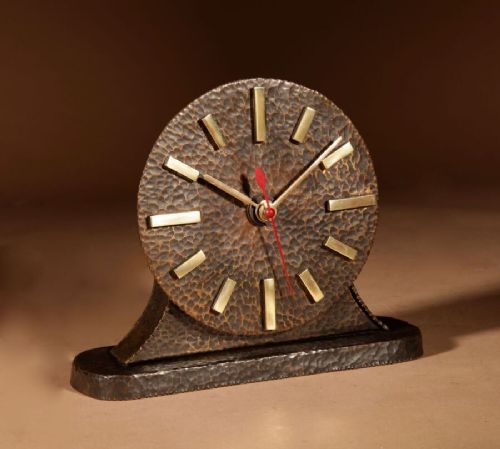
Movements relied on early electric battery systems and mechanical gears housed within architectural metal or wooden housings. Surface decoration included hammered patinated finishes, mirrored panels, and signed glass dials.
Listings feature clocks spanning the 1920s to the 1950s, incorporating glass, brass, chrome, bakelite, and exotic hardwoods.
What varies in quality
Quality rests upon the sophistication of the movement and the integrity of the housing materials. Pieces bearing signatures from known makers or prominent designers demonstrate superior manufacturing ambition compared to standard production models.
The refinement of the materials dictates the overall standard, such as thick cast brass, heavy polished chrome, and unblemished glass panels. Original components and signed dials distinguish finer examples from altered or heavily restored items.
Maurice & Marcel Moulin Favre-Bulle·P.M.Favre·Smiths Clocks·Vitascope Isle Of Man·Rene Lalique·Jaeger-LeCoultre
The Vintage Electric Desk Clock Glossary
- Bakelite
- An early synthetic thermosetting plastic formed from phenol and formaldehyde. It appears frequently in modernist clock housings and bezels.
- Automaton
- A mechanical device that imitates human or animal action. These clocks incorporate moving elements like ships alongside the timekeeping mechanism.
- Mystery clock
- A timepiece where the drive mechanism is concealed, making the hands appear to float transparently across the glass dial.
- Skeleton clock
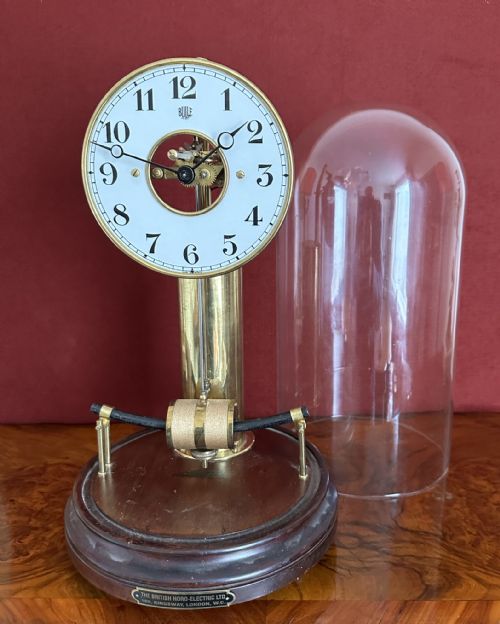
- A clock designed with transparent or open plates to expose the entire gear train and movement to view.
Vintage Electric Desk Clock: Frequently Asked Questions
How do electric clocks work?
Early electric clocks utilise battery-driven electromagnetic impulses to maintain the motion of the balance wheel or pendulum. This bridged the gap between traditional weight-driven movements and modern quartz technology.
These systems often feature visible coils and contacts that reflect early twentieth-century innovation in domestic power management.
Where should I place a desk clock?
These clocks suit office desks, study mantels, and side tables where their mechanical details remain visible. Placing them away from direct sunlight protects vulnerable wooden cases and glass components.
Ensure the surface is stable and level to allow the electromechanical movement to operate reliably without interference.
Are these clocks suitable for daily use?
While operational, vintage electric clocks require gentle handling and appropriate power sources matching their original specifications. Many owners choose to run them periodically rather than continuously.
Regular care by a specialist familiar with early electric movements helps preserve the delicate internal wiring and mechanical contacts.