


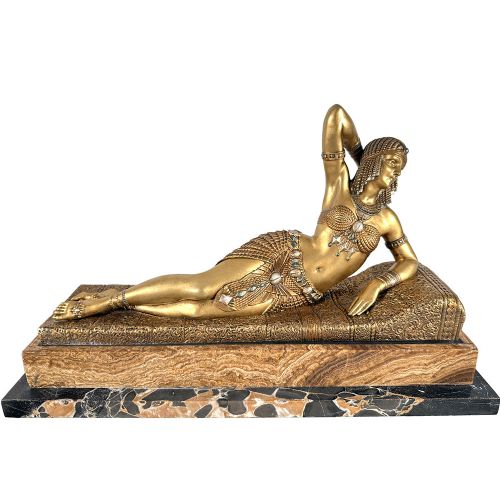


Antique Egyptian Sculpture
Antique egyptian sculpture brings neoclassical ambition and revivalist mystery into interiors through bronze, marble, and gilt figures.
Antique Egyptian Sculpture
When you search for antique egyptian sculpture, you encounter a fascinating interplay between ancient Nile iconography and European decorative arts from the eighteenth century onwards. These objects range from Grand Tour souvenirs and Regency sphinxes to Art Deco dancers and functional obelisks.
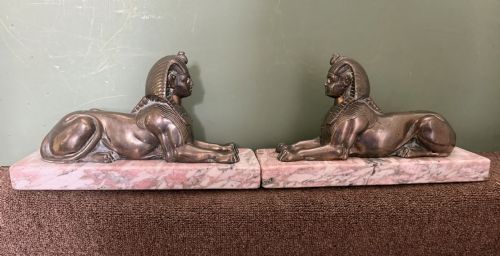
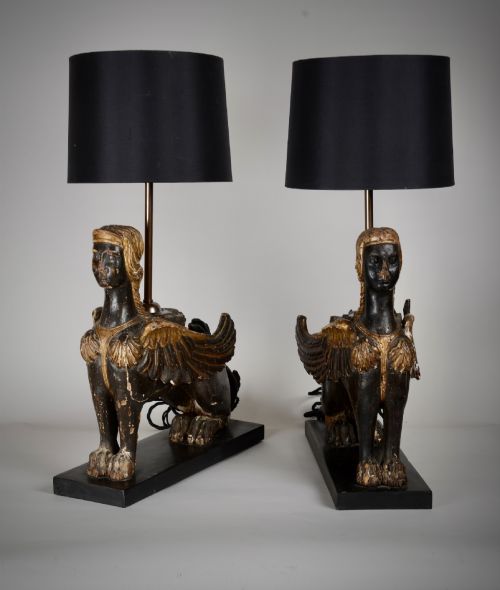
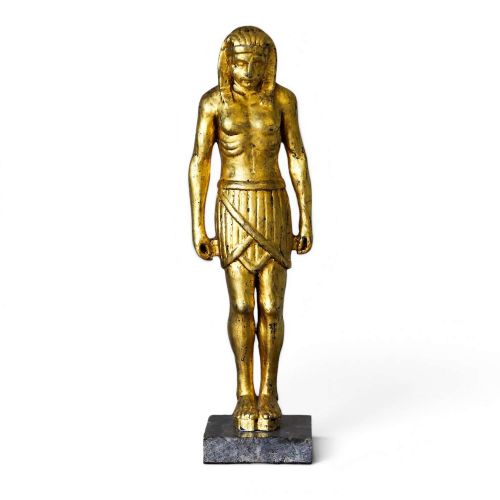
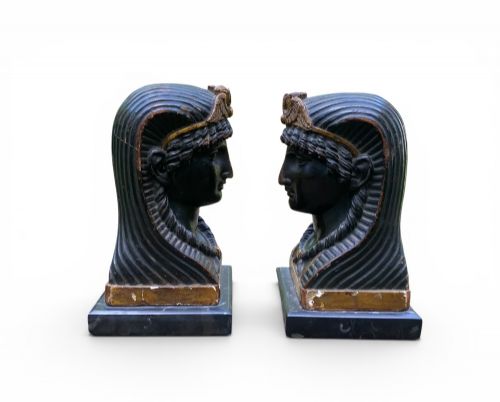
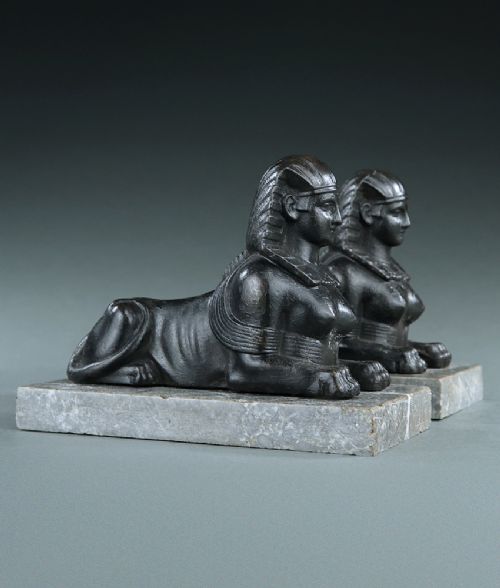
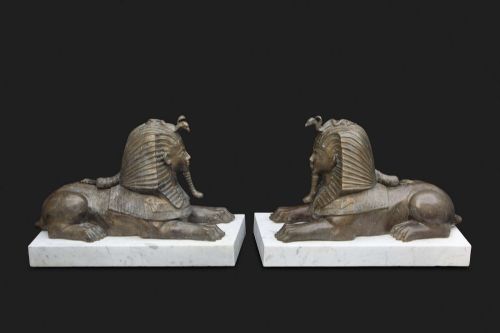
The pieces on this page are predominantly European interpretations of Egyptian motifs, spanning the Victorian era, the nineteenth century, and the early twentieth century. You will frequently find figures of sphinxes, shabtis, and deities rendered in bronze, wood, and marble.
How they were made
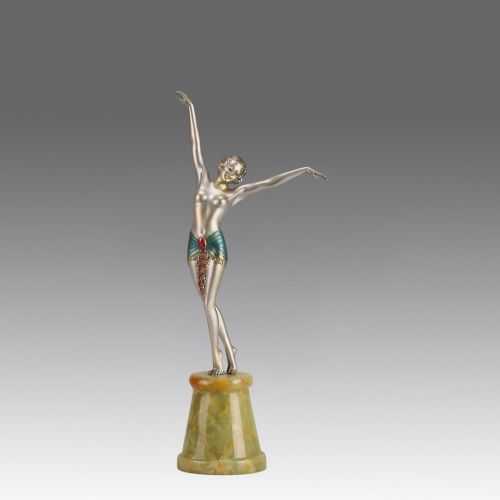
Foundry casting using the lost-wax method produced many of the detailed bronze figures, often finished with cold-painting, gilding, or patination. Artisans combined these metals with heavy stone plinths such as Carrara marble, green onyx, and Ashford marble.
Listings feature periods spanning from the eighteenth century through to the Art Deco era of the 1930s, alongside nineteenth-century Victorian pieces.
What varies in quality
The selection of base materials matters significantly, as high-grade veined marble, custom granite bases, and intact cold-painted polychromy elevate the integrity of the piece. Proportion, balance, and the weight of the metal determine the overall presence of the sculpture.
Josef Lorenzl·Thomas Hope·Alfred Dubucand·James Hadley·Ivan Zaiec·Franz Bergman·Demetre Chiparus
The Antique Egyptian Sculpture Glossary
- Sphinx
- A mythical creature with the body of a lion and a human or animal head, frequently depicted in pairs as guards for furniture or mantelpieces. These decorative interpretations became immensely popular during the Regency and Victorian periods.
- Shabti
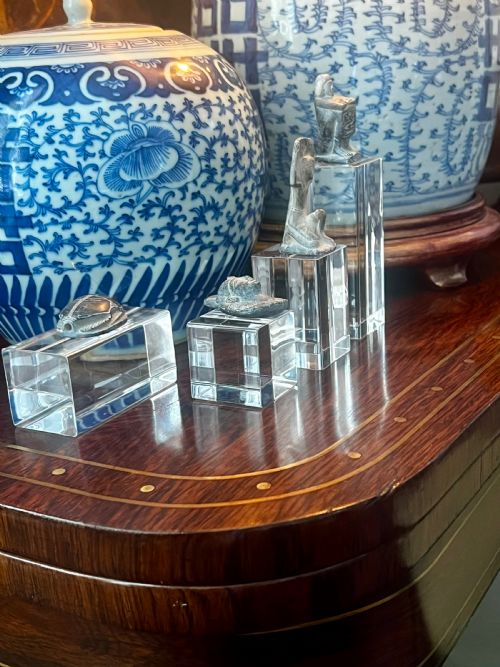
- A small funerary figurine placed in Egyptian tombs to act as a servant for the deceased in the afterlife. European makers reinterpreted these forms as decorative gilt figures mounted on marble bases during the nineteenth century.
- Grand Tour
- A cultural journey of Europe undertaken by wealthy young men in the eighteenth and nineteenth centuries to collect classical and exotic antiquities. Many bronze figures and architectural models originated as souvenirs from these travels.
- Obelisk
- A tall, four-sided, narrow tapering monument which ends in a pyramid-like shape at the top. Victorian and Art Deco makers scaled these down into desktop ornaments and lamp bases using brass, onyx, and marble.
- Cold-painted bronze
- A technique where bronze sculptures are painted with several layers of unfired oil-based paint or enamel. This method was widely used by Viennese foundries to create vibrant surface decoration on human and animal figures.
Antique Egyptian Sculpture: Frequently Asked Questions
What is Egyptian Revival?
Egyptian Revival is a nineteenth and early twentieth century artistic style that borrowed motifs, figures, and architectural forms from ancient Egypt. It emerged strongly following archaeological discoveries and Napoleon's campaigns.
Makers applied these ancient symbols to domestic items, furniture, and sculptures, creating dramatic pieces that appealed to Victorian and Edwardian tastes for the exotic.
Are these pieces actually ancient?
Almost all pieces found under this search are European interpretations created between the eighteenth and twentieth centuries rather than authentic ancient antiquities. They reflect the romantic fascination with Egypt during periods like the Regency, Victorian era, and Art Deco movement.
True ancient artefacts rarely appear in standard decorative arts selections and require specialised archaeological provenance.
How do I identify a Grand Tour piece?
Grand Tour sculptures are typically high-quality miniature bronzes, marbles, or alabasters produced in European workshops for travellers visiting historical sites. They often feature rich patination and are mounted on heavy stone plinths to display classical monuments and figures.
These items date predominantly from the nineteenth century and reflect the educational travels of the European elite.