

Antique Ecclesiastical Wooden Art
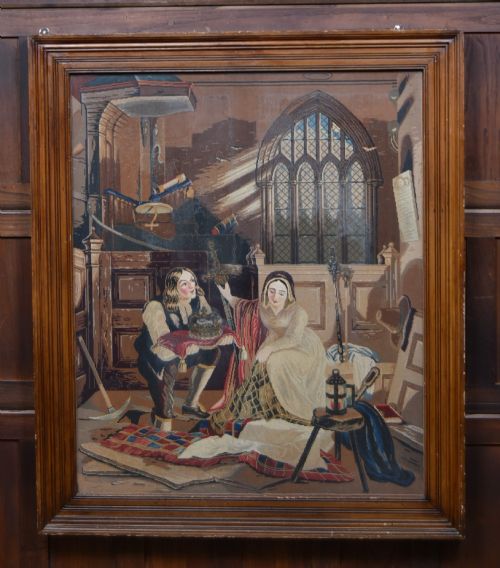
These pieces of antique ecclesiastical wooden art bring centuries of devotion into a room, spanning carved saints, altarpieces, and church furnishings.
Antique Ecclesiastical Wooden Art
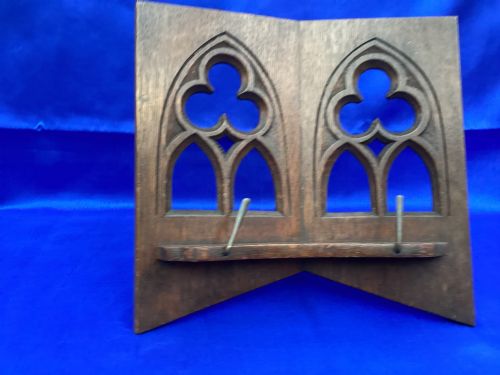
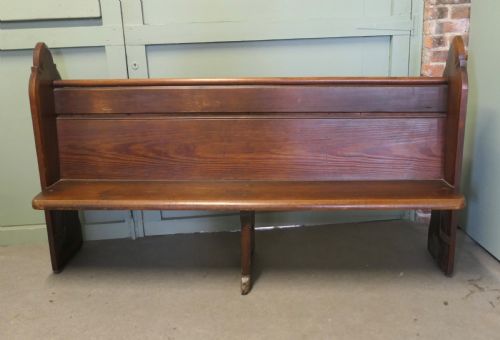
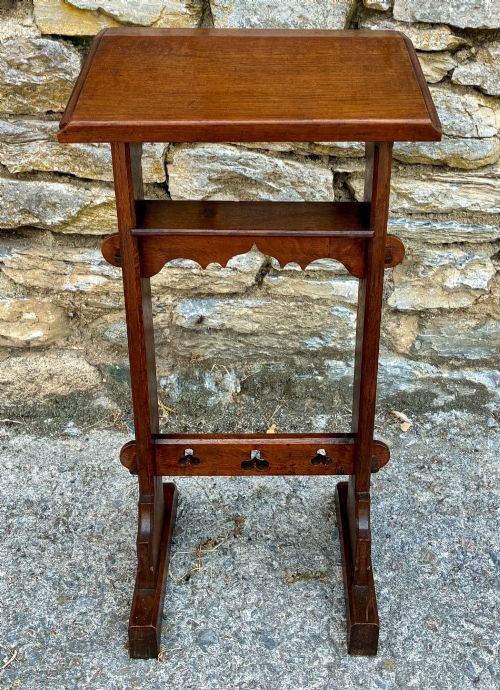
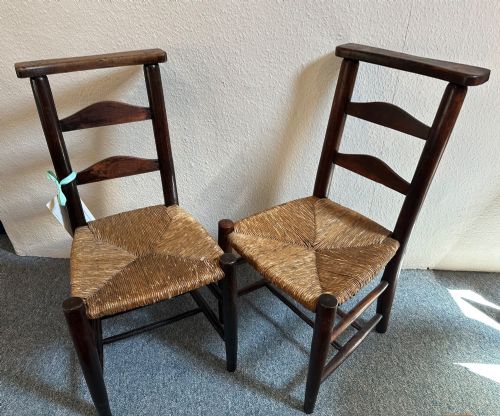
When you search for antique ecclesiastical wooden art, you encounter sacred sculptures, panels, and furniture removed from churches and private chapels over the centuries. These objects range from pre-sixteenth-century medieval figures to later Gothic Revival church pews, lecterns, and mirrors.
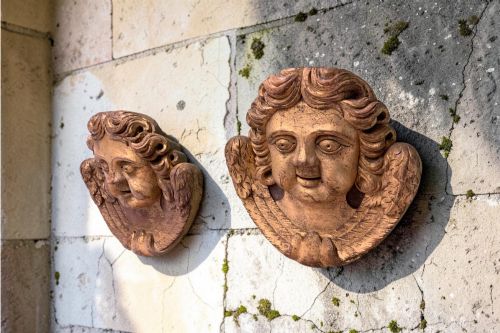
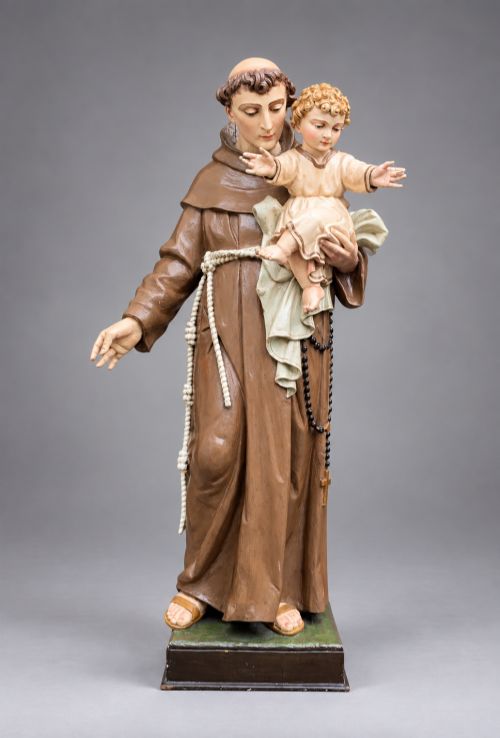
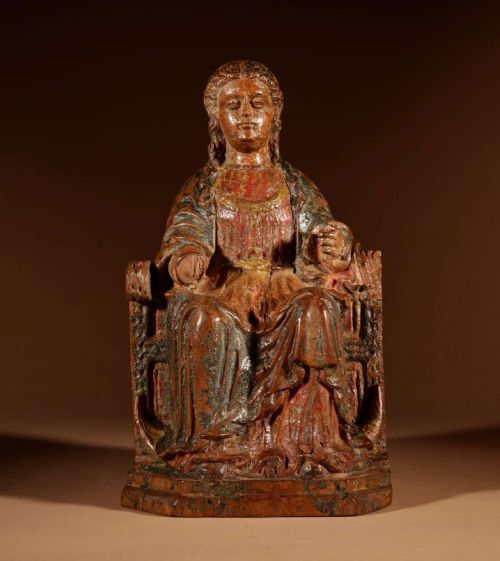
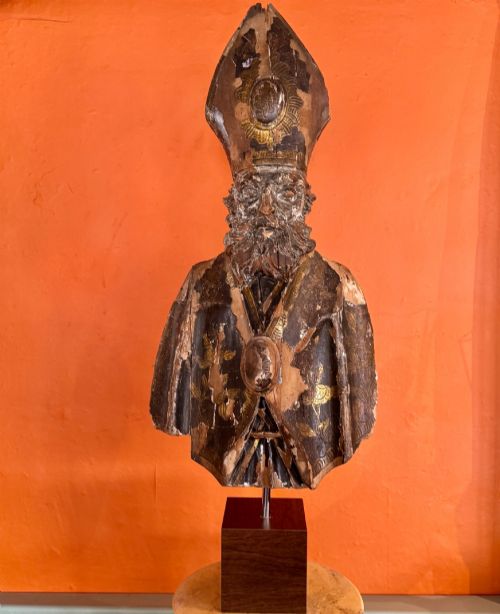
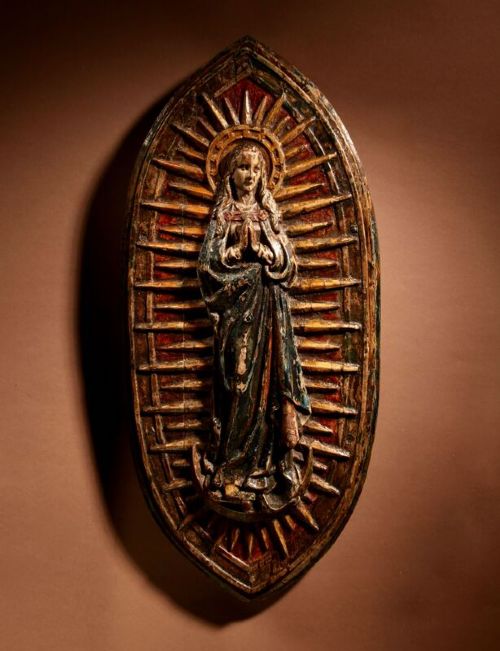
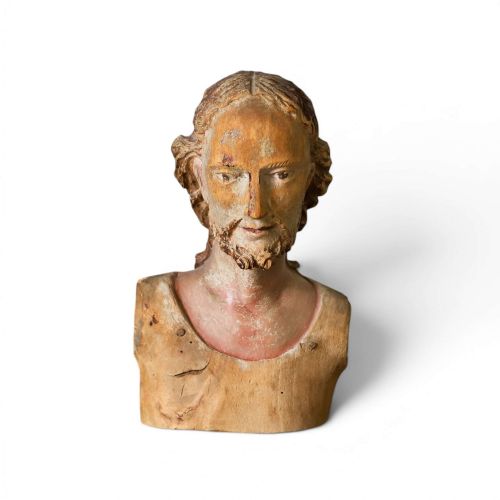
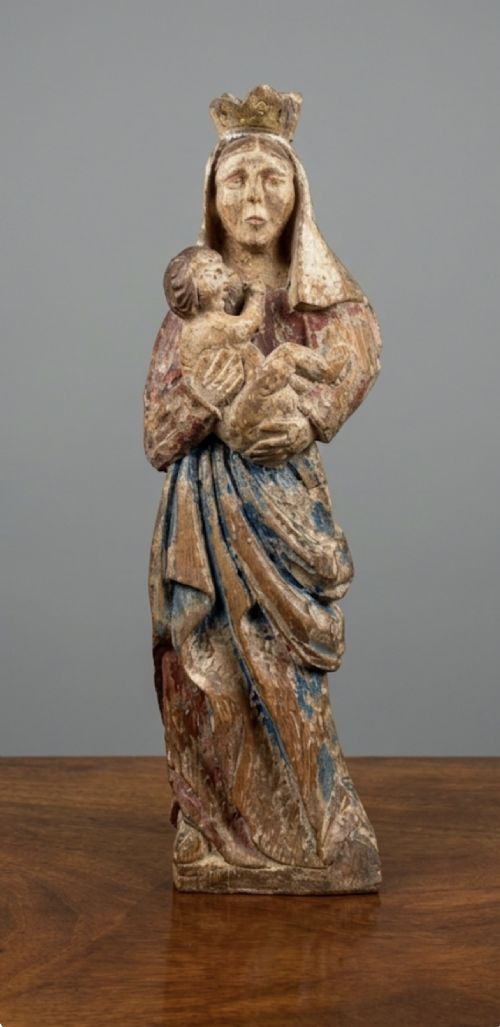
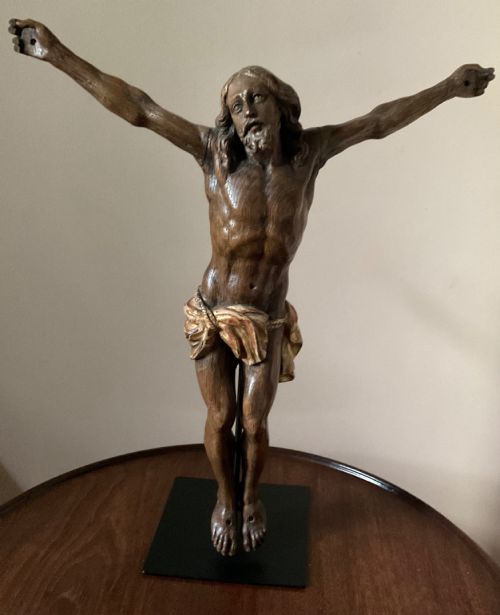
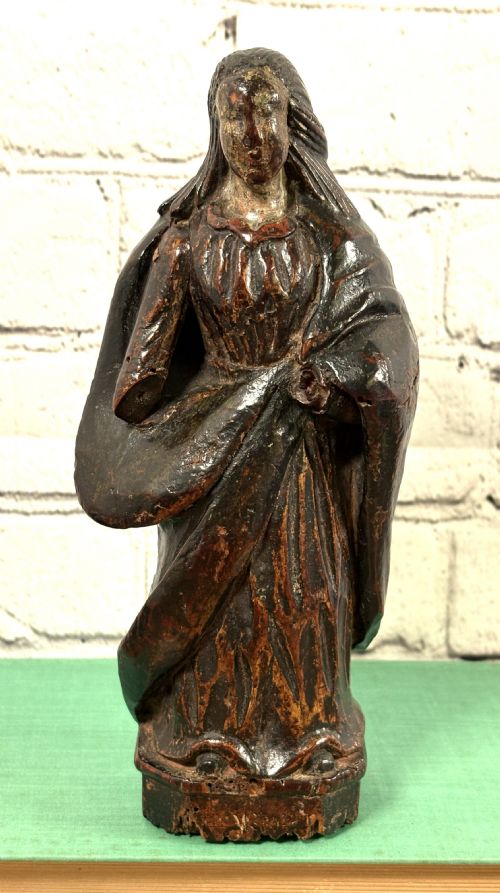
The items most frequently met on this page include carved wooden figures of saints, Madonnas, and bishops, alongside architectural church panels and altar furnishings. Oak and pine dominate the larger furniture pieces, while softer woods appear in detailed figural sculptures.
Origins stretch across European workshops, with Italian, Flemish, German, and English pieces reflecting regional devotions and local woodcarving traditions. Whether a small sixteenth-century Madonna or an Edwardian book stand, each object carries the weight of liturgical history.
Materials and construction methods
Carvers utilised native hardwoods like oak, walnut, applewood, and limewood, selecting timber for density and grain to suit intricate figural work or robust church furniture. Solid oak provides the structural foundation for heavy items such as church pews, altars, and architectural panels.
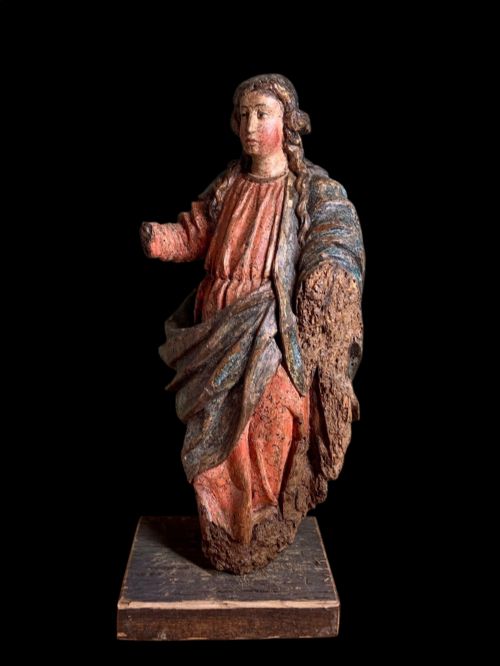
Many figural sculptures received layers of gesso, gold leaf, and polychrome paint to enhance their visual impact in dim sacred spaces. Over centuries, these painted and gilded surfaces developed characteristic crackle and wear, revealing the underlying wood beneath remnants of pigment.
Listings span from pre-sixteenth century medieval pieces through the Renaissance, Baroque, and Arts and Crafts movements up to the Edwardian era.
Distinctions in quality and execution
The division between standard workshop production and master craftsmanship rests in the anatomical precision and expressive depth of the carving. Superior figural sculptures display fluid drapery folds, lifelike facial expressions, and confident hand-chiselling that bring stillness or emotion to saints and angels.
Condition and originality dictate the standing of a piece, particularly regarding the preservation of original polychrome paint and gilding versus later overpainting. Pieces retaining their primary surfaces and structural integrity without excessive later intervention command greater appreciation among collectors.
The Antique Ecclesiastical Wooden Art Glossary
- Polychrome
- Decorated in multiple colours. This term describes wooden sculptures and panels painted with pigments, often over a gesso ground.
- Corpus Christi
- The body of Christ on the cross. These carved wooden figures focus on the depiction of Jesus during the Crucifixion.
- Gesso
- A plaster mix applied to wood surfaces. It served as a smooth preparation layer for gilding and painting in religious art.
- Tracery
- Openwork ornamental stone or woodwork. In ecclesiastical contexts, it often decorates panels and screens with geometric patterns.
Antique Ecclesiastical Wooden Art: Frequently Asked Questions
What is ecclesiastical art?
Ecclesiastical art encompasses objects created for Christian worship, decoration, and liturgy within churches, abbeys, and chapels.
These pieces include statues of saints, altarpieces, architectural panels, and functional furniture intended to aid spiritual contemplation.
How do I date wooden carvings?
Dating relies on tool marks, stylistic conventions of the period, wood shrinkage patterns, and the wear on any applied gesso and paint.
Examinations of joinery techniques and comparative analysis with dated church inventories help narrow the century of creation.
Where were these pieces made?
The items originate from workshops across Europe, with strong representations from Italy, Germany, Flanders, and Britain.
Regional preferences in timber, such as olive wood in Italy or limewood in Germanic areas, often point to the place of origin.
How should I care for antique wood?
Maintain stable indoor humidity and temperature to prevent the timber from drying out, cracking, or warping over time.
Avoid direct sunlight to protect fragile polychrome paint and gold leaf, dusting gently with a dry, soft cloth.