





Antique Dutch Vessel Painting
These antique dutch vessel painting works and ceramic vessels bring centuries of maritime heritage and refined craftsmanship into your home.
Antique Dutch Vessel Painting
When you search for antique dutch vessel painting, you encounter a curated selection of maritime oil paintings, watercolours, and glazed ceramic vessels. These works capture the seafaring history and artistic traditions of the Netherlands across the seventeenth, eighteenth, and nineteenth centuries.
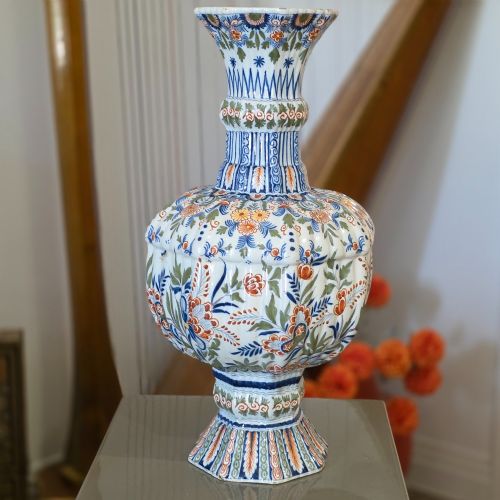
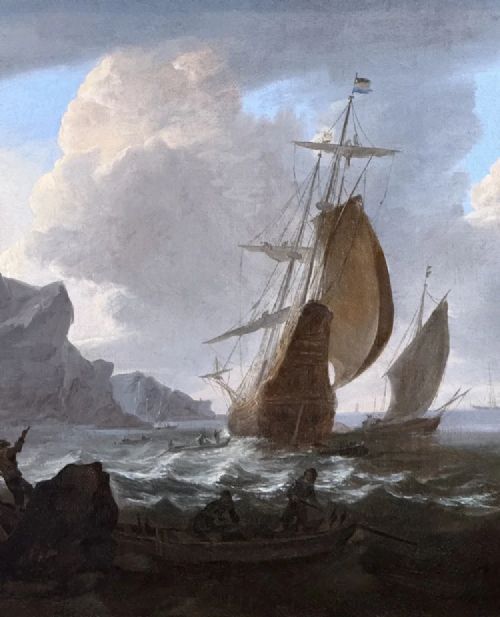
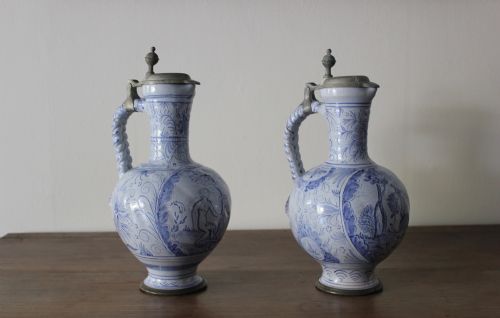
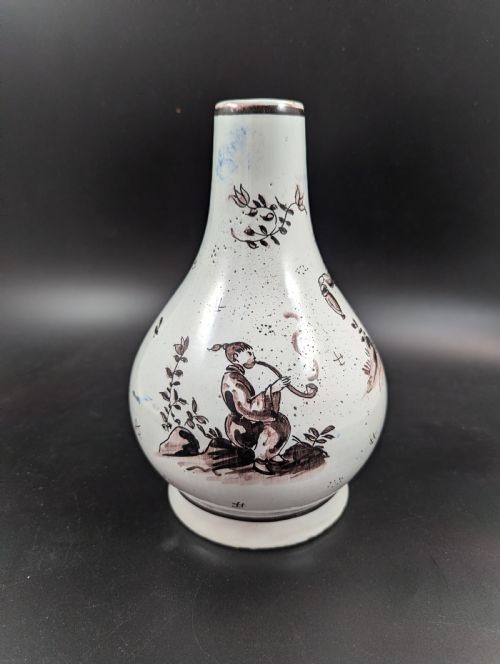
The oil paintings and watercolours depict Dutch boats, fishing vessels, and marine scenes rendered by notable artists and schools. Alongside them, the ceramic pieces comprise tin-glazed earthenware vases, blue glazed vessels, and puzzle jugs from Delft potteries.
You are most likely to meet nineteenth-century oil paintings of marine subjects and eighteenth-century Delftware on this page. Each object reflects the enduring fascination with maritime commerce and coastal life that defined Dutch artistry.
How they were made
The paintings on this page utilise oil on canvas or watercolour applied to support surfaces by skilled hands. Artists employed fine brushes to capture the movement of water, the play of light on sails, and the atmospheric conditions of gales and calm seas.
The ceramic vessels are formed from earthenware and finished with tin glaze or tin-glazed earthenware. Potters shaped clay on the wheel or in moulds before applying the characteristic blue glaze and firing the pieces to a durable finish.
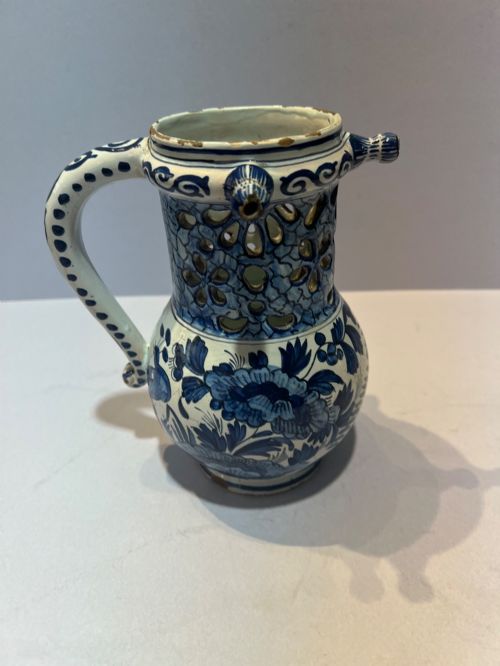
Puzzle jugs were designed to spill on the unwary drinker unless they discovered the secret channels hidden within the hollow rim.
What varies in quality
Quality in the oil paintings rests upon the handling of light, shadow, and maritime movement by the artist. Works attributed to named painters or established schools demonstrate superior command of composition and atmospheric detail compared to anonymous studio pieces.
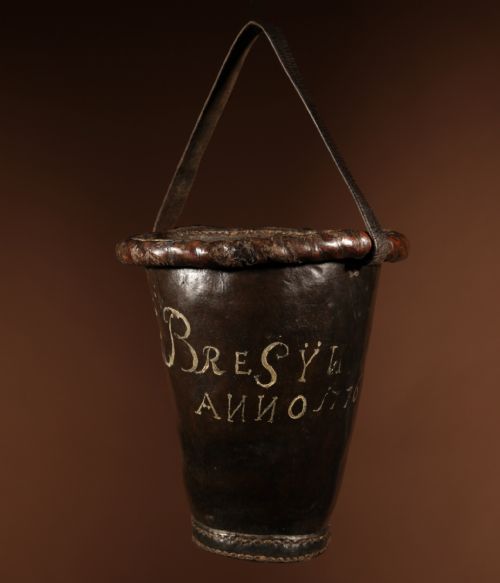
Among the ceramics, the finesse of the tin glaze, the clarity of the blue pigment, and the crispness of the moulded or thrown form distinguish finer examples. Leather fire buckets show quality in the integrity of the stitched construction and the preservation of the dated surface finish.
BONAVENTURA PEETERS·Hendrik Willebrord Jansen·Paul Jean Clays·Fred Mayor
The Antique Dutch Vessel Painting Glossary
- Tin-Glazed Earthenware
- Pottery covered with a ceramic glaze containing tin oxide that turns opaque white upon firing. This surface provided a smooth ground for painting in blue and other colours.
- Delftware
- Tin-glazed earthenware made in the city of Delft and other Dutch centres from the sixteenth century onwards. It often imitated Chinese porcelain or depicted European maritime scenes.
- Puzzle Jug
- A type of ceramic drinking vessel with a perforated neck that prevents normal drinking, requiring the user to solve a riddle of hidden spouts and channels. These novelty items tested the dexterity of guests at social gatherings.
- Marine Art
- Genre of painting that focuses on ships, shipping, and the sea. This artistic tradition flourished in the Netherlands as maritime trade and naval power expanded.
- Impressionism
- A nineteenth-century art movement characterised by relatively small, thin, yet visible brush strokes and an emphasis on accurate depiction of light. Works in this style capture the transient effects of weather on water.
Antique Dutch Vessel Painting: Frequently Asked Questions
What periods do these paintings and vessels cover?
The pieces span from the seventeenth century through the nineteenth century, with specific examples dated to the eighteenth century and nineteen ten. This range encompasses the Dutch Golden Age and subsequent nineteenth-century marine schools.
Collectors find works reflecting both historical maritime traditions and later interpretations of coastal life by European artists.
How do I care for tin-glazed earthenware?
Tin-glazed ceramics require gentle handling to protect the brittle glaze from chips and surface scratching. Keep them away from damp environments and clean them only with a dry, soft cloth.
Avoid using water or chemical cleaners on antique earthenware to preserve the integrity of the original glaze.
Where should I display an oil painting?
Oil paintings on canvas need stable indoor environments away from direct sunlight and sudden temperature shifts. Hang them on interior walls where humidity remains moderate to protect the canvas and pigment layers.
Proper placement ensures the longevity of the stretcher frame and prevents the paint surface from cracking over time.
What subjects appear in the marine paintings?
The artworks predominantly feature Dutch boats, fishing vessels, and shipping scenes set against coastal or open water backdrops. Some compositions portray dramatic moments such as vessels navigating gales.
These maritime subjects document the historical importance of the sea in Dutch culture and commerce.