
Antique Dutch Fine Art
Antique dutch fine art brings together centuries of canvas oil paintings and carved wood objects from northern European workshops.
Antique Dutch Fine Art
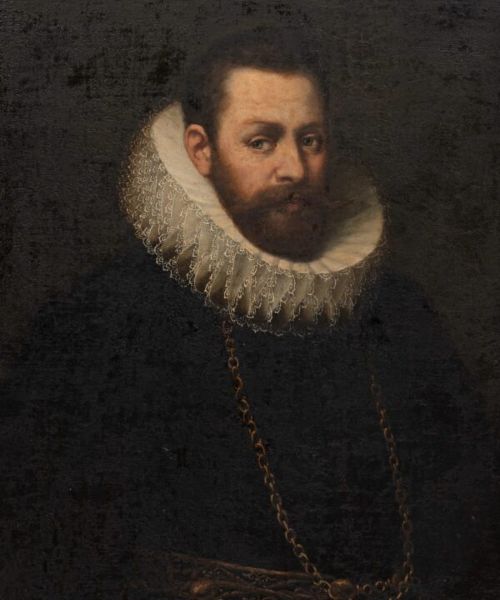
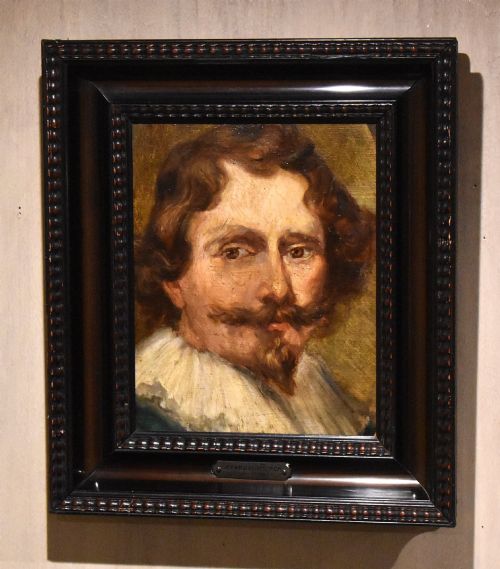
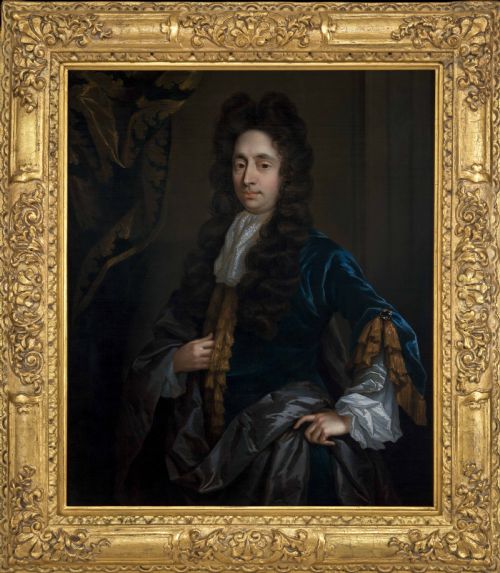
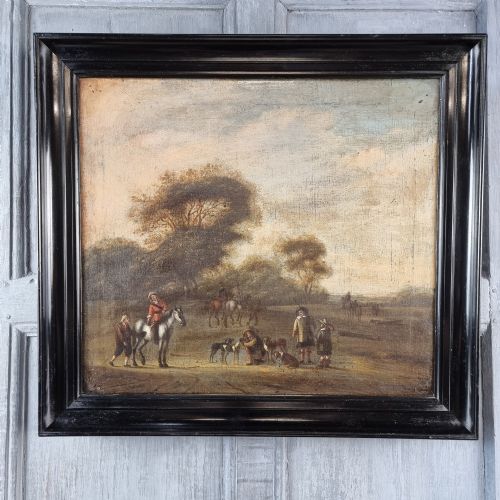
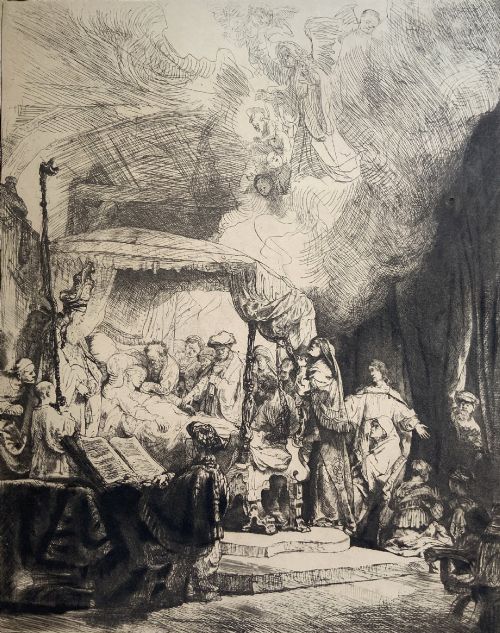
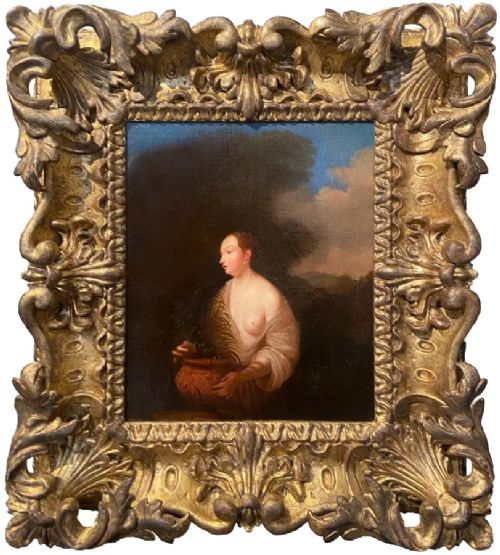
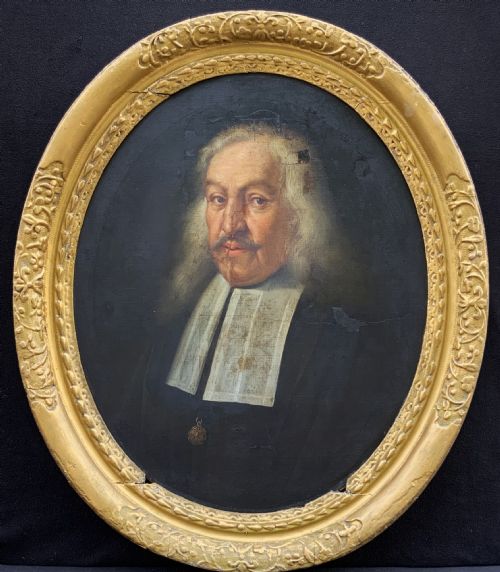
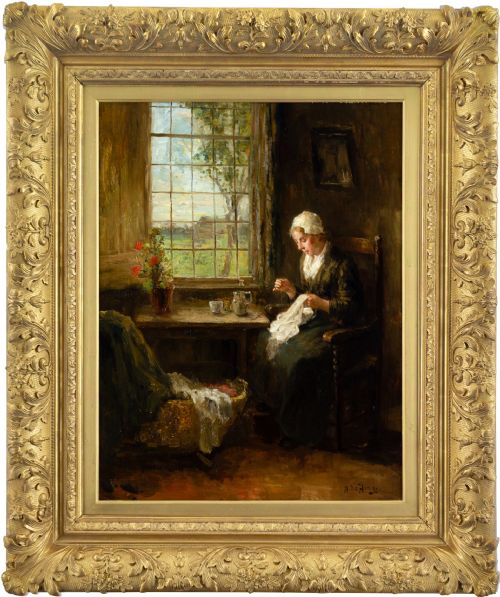
When you search for antique dutch fine art, you encounter oil paintings, etchings, and carved utility items spanning from the seventeenth century through the early twentieth century. The selection leans heavily on seventeenth-century portraiture and genre scenes from the golden age, alongside nineteenth-century romantic landscapes and domestic scenes.
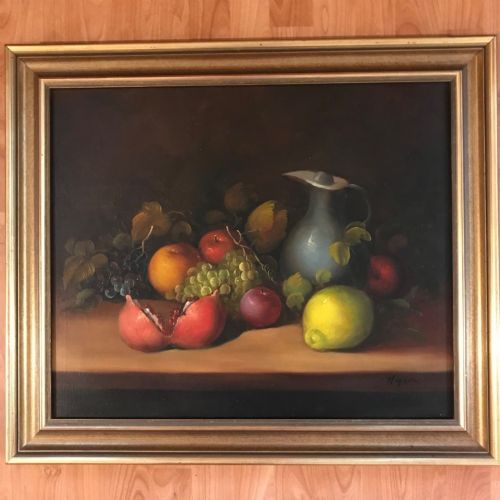
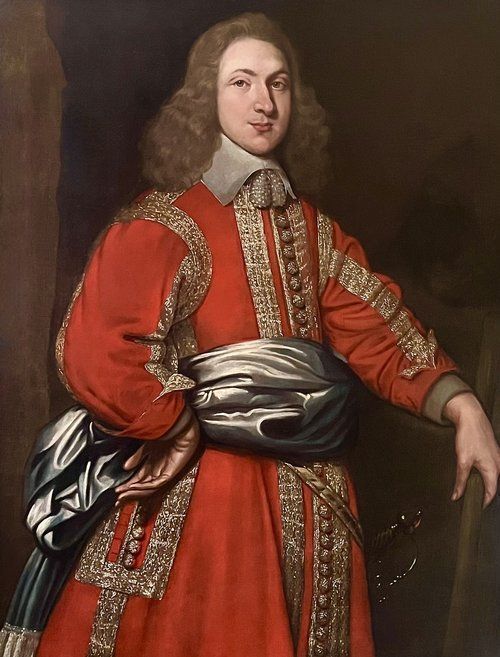
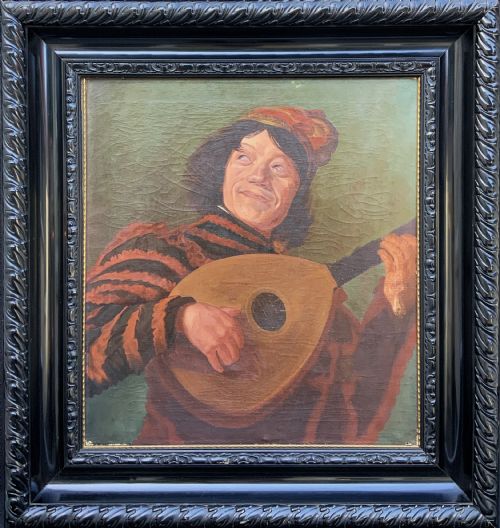
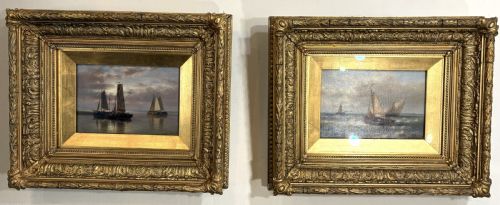
The objects vary from finely detailed canvas portraits attributed to known masters to vernacular oak pieces like chip-carved mangle boards. Collectors also find winter townscapes, coastal harbours, and still life compositions executed in oil paint.
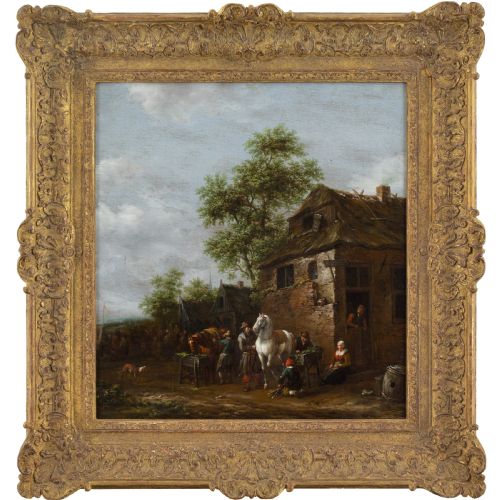
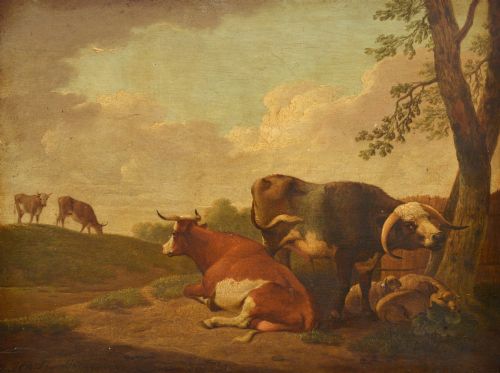
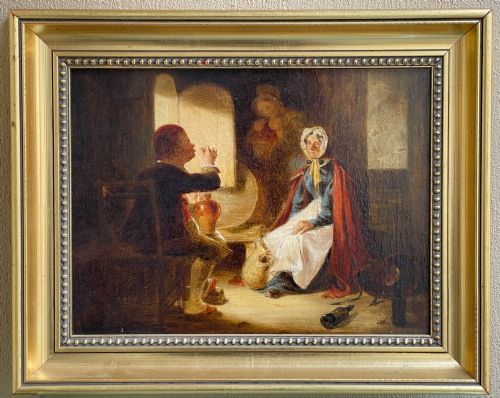
Most entries reflect regional traditions such as the Hague school or nineteenth-century romanticism, capturing figures, cattle, and tavern interiors in muted palettes.
How they were made
The paintings rely on oil on canvas, linen, or panel, built up with layers of oil paint to create depth in clothing, skin tones, and background shadows. Many frames utilise giltwood and gold leaf to accent the canvas edges.
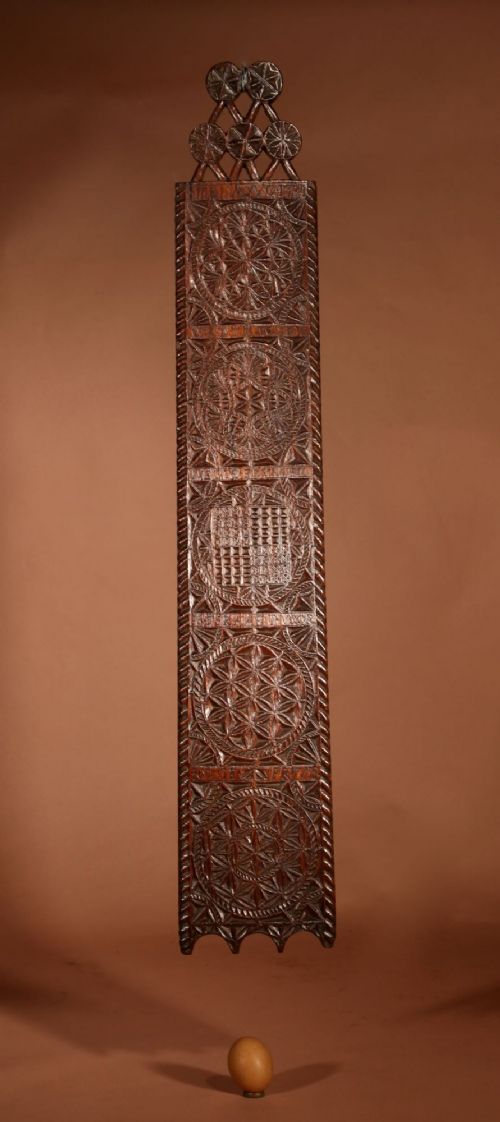
Wooden utility items employ dense oak carved by hand using chip-carving techniques, often featuring carved dates, initials, and texts directly into the board.
Listings feature periods from the 17th Century to 1920, using materials such as oil paint, canvas, giltwood, and oak.
What varies in quality
Quality rests on the handling of light, brushwork precision, and the preservation of the original surface layer over centuries. Portraiture by circle members or named artists demonstrates more sophisticated facial modeling and fabric texture than anonymous provincial works.
For carved wood pieces, the depth and crispness of the chip-carving execution distinguish standard domestic utensils from highly decorative presentation items.
Hendrik Willem Schweickhardt·Pieter Borseler·Bernard De Hoog·Abraham Hulk I·Nicolaes Maes·Pieter Cornelis Dommersen·Cornelis Van Poelenburgh·Johannes Philippus Galjaard·James de Rijk·Jan Evert Morel·Christoffel Bisschop·Hendrik Yan Wolter·Willem Johannes Martens·Karel Frans Philippeau·Ludwig Hermann·Louis Smets
The Antique Dutch Fine Art Glossary
- Golden Age
- A period of exceptional artistic production in the Netherlands during the seventeenth century. Painters during this era focused on realism, portraiture, and detailed domestic interiors.
- Mangle Board
- A flat wooden board with a handle, used historically in Northern Europe alongside a rolling pin to smooth linen. These boards frequently feature intricate chip-carved decoration and dates.
- Oil on Canvas
- Pigment mixed with drying oil applied to a stretched woven fabric support. This technique allowed artists to blend colours smoothly and work with rich tones.
- Etching
- A printmaking process where lines are incised into a metal plate with acid before ink is applied and transferred to paper. This method reproduces fine linear detail.
- Genre Scene
- A painting depicting aspects of everyday life by portraying ordinary people in domestic or public settings. These works offer insight into historical social habits and dress.
Antique Dutch Fine Art: Frequently Asked Questions
What periods do these pieces cover?
The inventory spans primarily from the seventeenth century through to the early twentieth century. Seventeenth-century golden age works sit alongside nineteenth-century romanticism and early twentieth-century interpretations.
Dates on individual listings range from the 1650s up to the 1940s, capturing centuries of stylistic evolution in Dutch and Northern European art.
How were mangle boards used historically?
Mangle boards served as domestic laundry tools used to press wrinkles out of household linen. A length of linen was wrapped around a wooden roller, and the carved board was pushed back and forth over it.
Many surviving examples from the early eighteenth century feature deeply carved geometric patterns, initials, and marriage dates, suggesting they served as gift items.
What is a genre scene?
A genre scene depicts everyday activities of ordinary people rather than grand historical or mythological subjects. Painters showed figures at the hearth, in taverns, or tending to daily chores.
These compositions provide a window into the domestic habits, clothing, and interiors of past centuries in Northern Europe.
How do I identify a golden age painting?
Golden age paintings typically exhibit dramatic use of light and shadow, meticulous attention to fabric textures, and realistic portraiture. Artists of this tradition focused on subtle colour harmonies and fine brushwork.
Signatures, attribution notes, and subject matter relating to seventeenth-century merchants or officers further identify the origin.