


Antique Dry Bar
An antique dry bar brings serious style to your living space, offering a dedicated spot to store spirits and glassware.
Understanding the antique dry bar
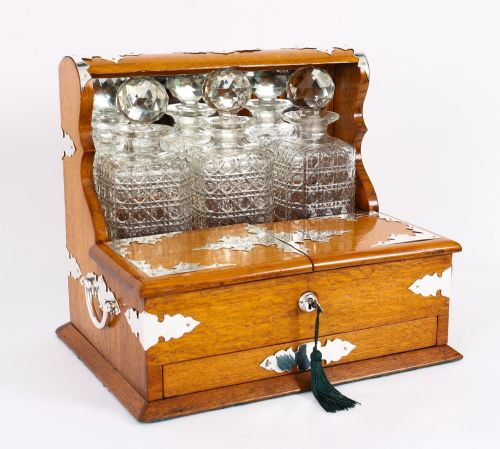
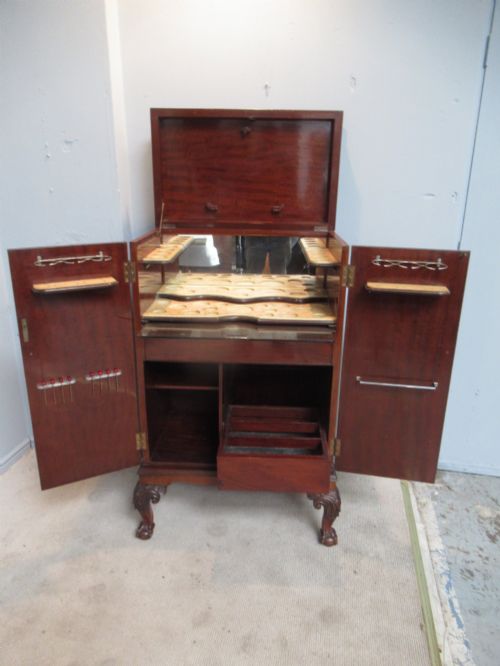
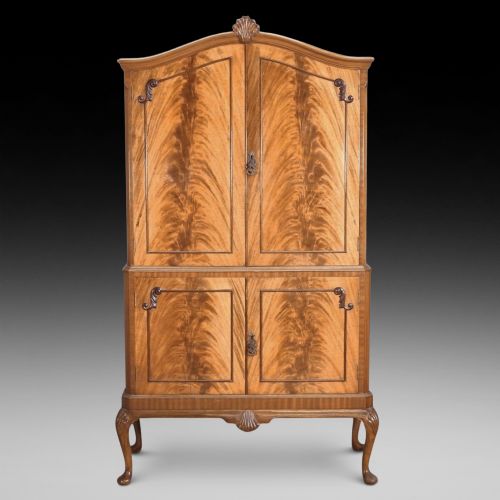
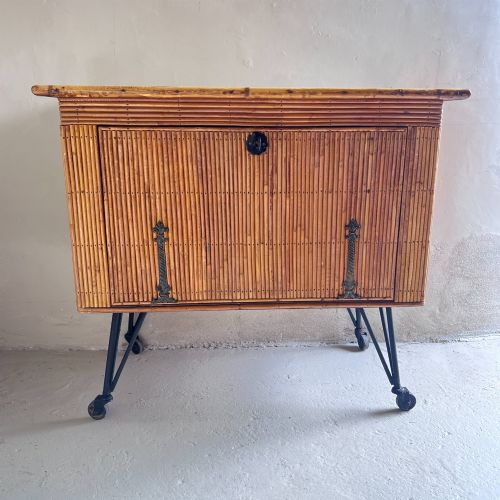
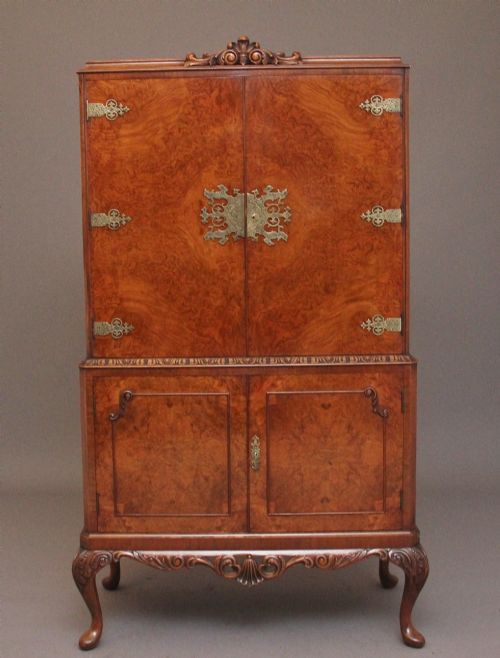
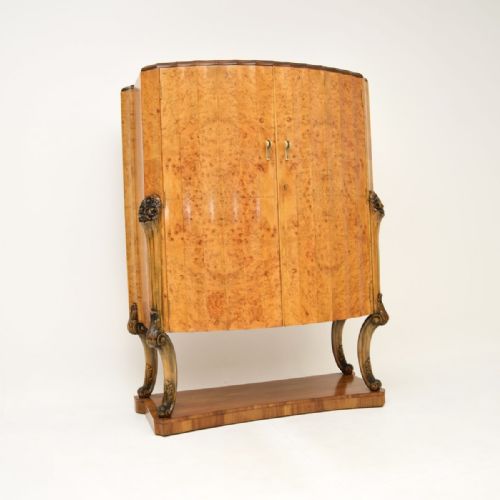
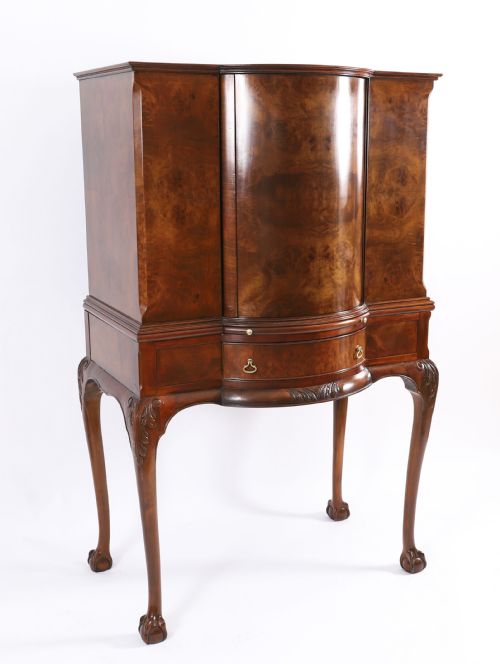
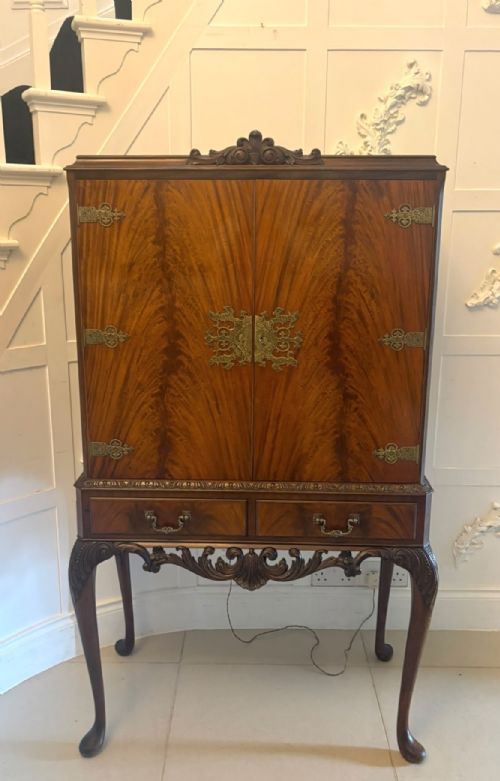
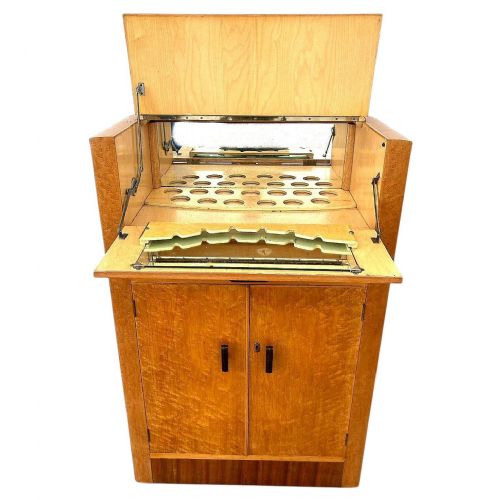
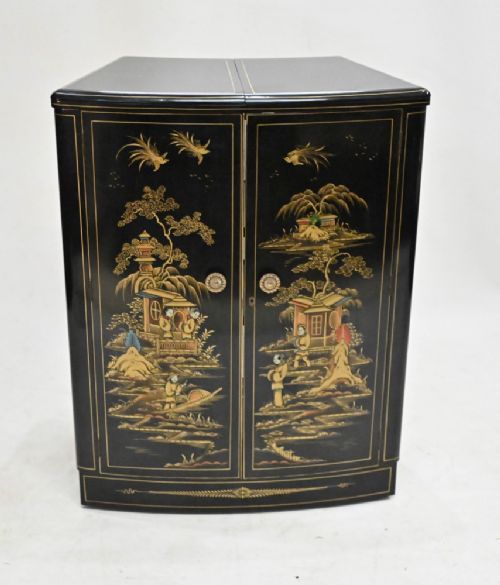
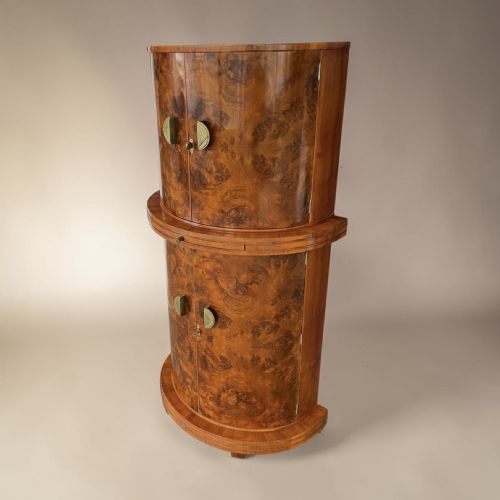
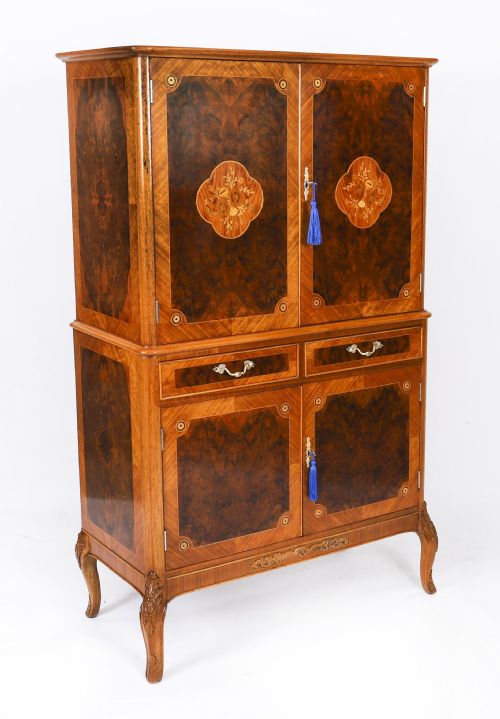
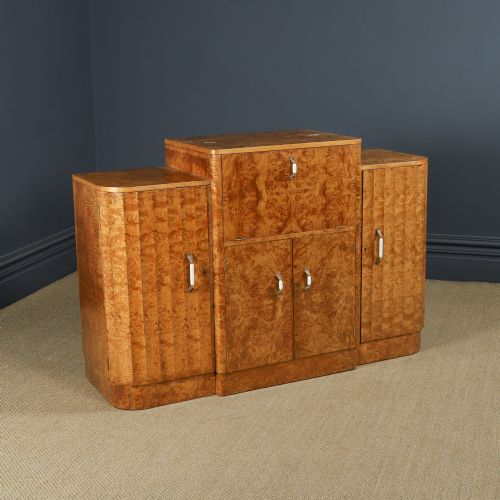
An antique dry bar takes the form of a cocktail cabinet, drinks cabinet, or tantalus designed for entertaining. The selection leans heavily towards Art Deco pieces from the 1920s and 1930s, alongside nineteenth-century examples.
Makers utilise rich timbers to create impressive focal points for the home, combining storage with display surfaces. Many feature dedicated compartments for bottles, crystal decanters, and glassware.
The phrase encompasses everything from revolving cocktail cabinets to staved lidded barrels and games compendiums. Buyers encounter both English craftsmanship and continental origins across the inventory.
Materials and construction
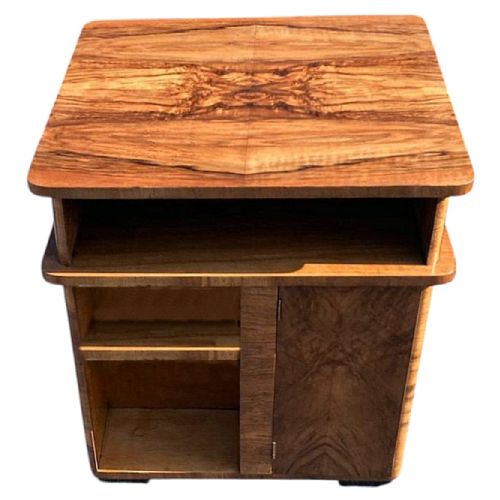
Cabinet makers relied on burr walnut, standard walnut, mahogany, oak, satinwood, and birch wood to build the carcasses. Surfaces often display complex marquetry patterns and striking wood grains.
Interiors and hardware integrate brass, glass, mirror panels, and bakelite elements. Crystal decanters and silver mounts complete the fittings on nineteenth-century tantalus variants.
Retail Price Guide 2026
Typical UK retail prices for dry bar, calculated from the Sellingantiques database of over a million retail prices indexed since 2003. This retail price guide relies exclusively on Sellingantiques data; no external sources or auction records are used, so the figures do not describe the wider market.
Some nineteenth-century examples double as games compendiums, ensuring guests stay entertained between drinks.
Assessing quality and craftsmanship
Superior examples showcase exceptional timber selection, particularly in burr walnut veneers matched symmetrically across the doors. Master workshops paid meticulous attention to interior lighting, electrical wiring, and fitted mirror glass.
The integration of specialised mechanisms, such as revolving compartments or drop-down serving surfaces, distinguishes finer pieces. Provenance from renowned makers elevates the standing of an item significantly.
Epstein·Hille·Harry and Lou Epstein·Harrods·Ferdinand Barbedienne foundry
The Antique Dry Bar Glossary
- Tantalus
- A locked wooden frame holding crystal decanters that displays the contents while preventing unauthorised access. The design uses a metal bar secured by a key to trap the stoppers.
- Marquetry
- The art of applying pieces of veneer to a structure to form decorative patterns and pictures. Craftsmen cut contrasting woods to fit together precisely.
- Burr walnut
- A prized wood harvested from the abnormal growth of a walnut tree, yielding swirling grain patterns. It creates highly decorative surfaces on high-end cabinet doors.
- Bakelite
- An early plastic used for handles and decorative accents on twentieth-century furniture. It offers durability and a distinct tactile quality.
- Compendium
- A multi-functional cabinet or box housing games alongside storage for drinks. These pieces combine social activities within a single unit.
Frequently Asked Questions
What is an antique dry bar?
An antique dry bar is a specialised cabinet or tantalus designed for housing spirits, wine, and glassware without built-in refrigeration plumbing. These pieces function as freestanding furniture for entertaining guests in a reception room.
They range from nineteenth-century oak tantalus units to 1930s Art Deco burr walnut cocktail cabinets equipped with mirrors and serving trays.
How do I date an antique dry bar?
Dating relies on the prevailing style, construction timber, and integrated hardware such as locks and electrical fittings. Art Deco pieces display distinct geometric lines from the 1920s and 1930s, whereas nineteenth-century models favour heavy oak or burr walnut with crystal decanters.
Examine the interior joinery and materials like bakelite or mirror glass to confirm the manufacturing era.
Where should I place a cocktail cabinet?
These cabinets work best in dining rooms, living rooms, or home bars where you host visitors. Position the piece away from direct sunlight and heat sources to protect the wood veneers and mirrored interiors.
Ensure there is enough floor clearance around the cabinet to open drop-down flaps or revolving doors fully.
Did dry bars come with glassware?
Many period cocktail cabinets and tantalus units retain their original fitted crystal decanters and matching glassware sets. These original accompaniments are tailored specifically to the interior compartments of the cabinet.
Checking the inventory details reveals whether a particular piece includes its historical glassware.