

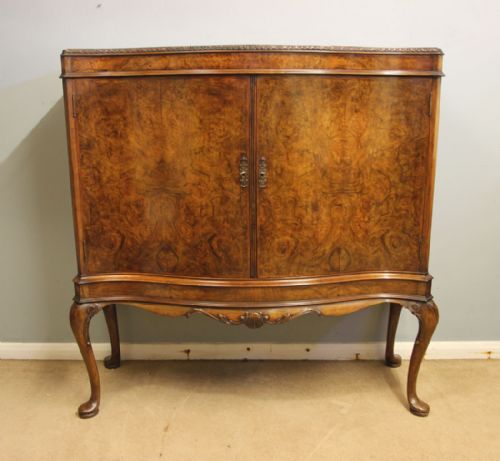


Antique Drinks Server
An antique drinks server provides a dedicated place for hospitality, bringing period character and practical surface space to a modern home.
Antique Drinks Server
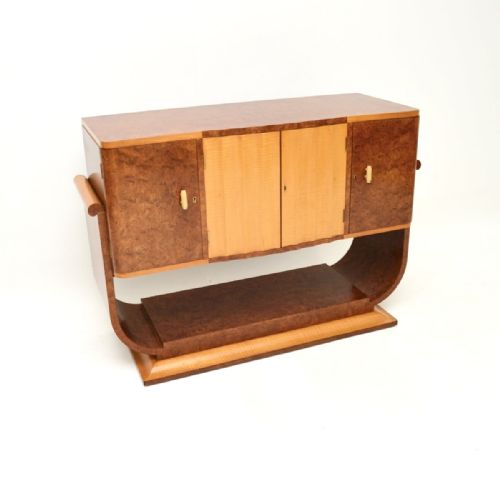
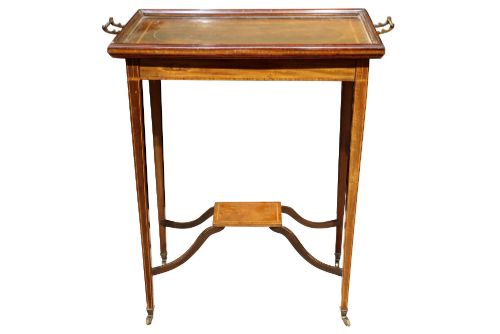
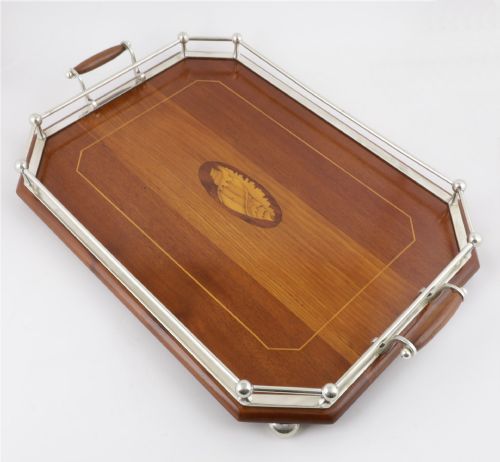
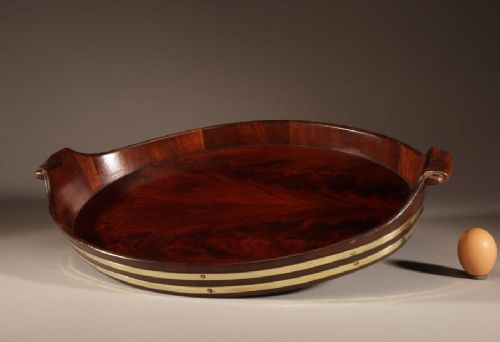
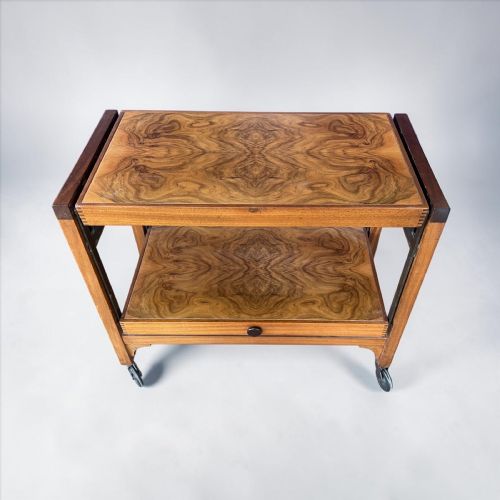
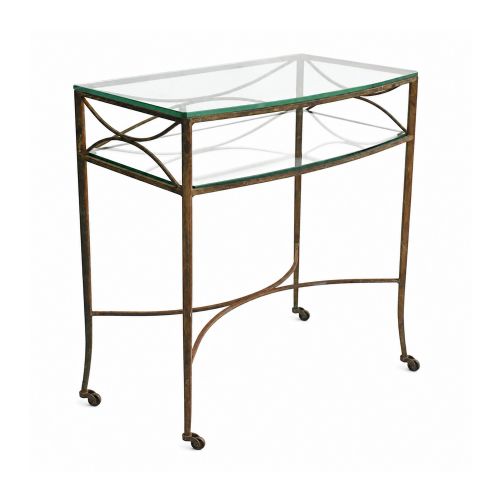
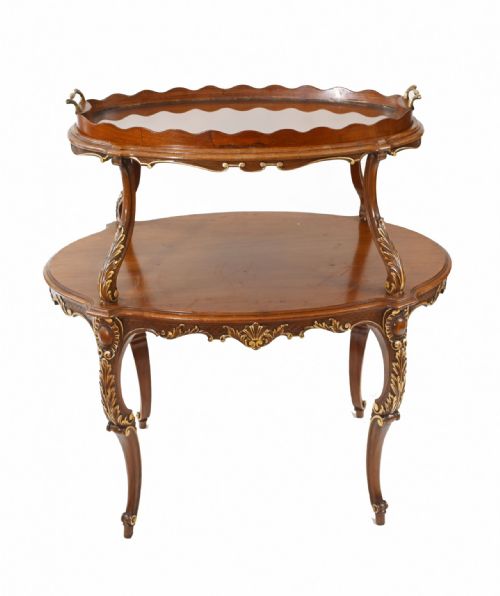
An antique drinks server encompasses various forms designed for hosting and serving beverages, ranging from compact butler trays and serving trolleys to large sideboards and cocktail cabinets.
The selection on this page draws on periods spanning the Georgian, Regency, Victorian and Edwardian eras through to Art Deco designs of the 1930s.
Buyers will encounter a mix of substantial timber cabinets, such as flame mahogany chiffoniers and walnut sideboards, alongside portable serving trays and metamorphic trolleys.
What varies in quality
The choice of timber and veneer grading sets pieces apart, with figured grains like flame mahogany and burr walnut indicating superior selection by the maker.
Fine craftsmanship shows in the crispness of carved details, such as lion masks and inlaid borders, as well as the smooth operation of metamorphic mechanisms on trolleys and cellarettes.
The integrity of secondary woods, original stands and metal hardware contributes significantly to the overall authenticity and structural merit of each piece.
Listings feature mahogany, walnut and oak alongside silver plate and brass, spanning the Georgian, Victorian and Art Deco periods.
Mappin and Webb·Harry and Lou Epstein·S C Younge and Co
The Antique Drinks Server Glossary
- Cellarette
- A fitted cabinet or box designed to hold bottles and decanters safely, often found in Georgian and Regency dining rooms.
- Chiffonier
- A low sideboard or cabinet featuring shelves or a raised back, popular throughout the 19th century for serving and display.
- Etagere
- A set of open tiered shelves used for serving or displaying small items, seen in various continental and British designs.
- Salver
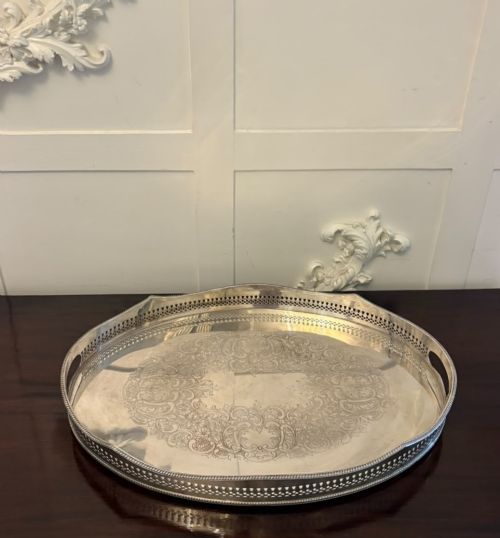
- A flat metal tray, typically made of silver or silver plate, used for serving glasses and small decanters.
- Butler tray
- A portable wooden tray with raised sides, frequently set upon a folding stand to create a temporary serving surface.
Antique Drinks Server: Frequently Asked Questions
How do I choose the right size drinks server?
Consider the available floor space in your room and the primary function you need. Smaller rooms suit portable trays on stands or compact tea trolleys, while dedicated dining spaces accommodate large sideboards and cocktail cabinets.
Measure the clearance around the piece to ensure doors, drop leaves or metamorphic mechanisms operate freely without crowding surrounding furniture.
Were these cabinets originally built for drinks?
Many pieces served multiple purposes in the dining room, parlour or drawing room, storing linens, cutlery and tableware alongside bottles. Specialised forms like cellarettes and specific cocktail cabinets were constructed explicitly for beverage storage.
Over time, traditional sideboards and chiffoniers have been successfully adopted as modern bars due to their convenient surface heights and interior cupboard space.
How do I care for wooden serving trays and cabinets?
Maintain polished timber surfaces by dusting regularly with a soft, dry cloth and applying appropriate beeswax periodically to nourish the grain. Avoid placing untreated hot items or spilling liquids directly onto antique veneers.
Silver-plated trays require specialist cleaning products formulated for silver to preserve the finish without wearing through the plating over the raised decoration.
How do I distinguish between Regency and Victorian pieces?
Regency items typically display classical restraint, clean architectural lines and rich flame mahogany veneers influenced by ancient Greek and Roman styles. Victorian pieces often incorporate heavier proportions, bolder carving, and darker oak or walnut timbers.
Examining the secondary timbers inside drawers and the style of brass hardware provides further clues to narrow down the manufacturing decade.