

Antique Drinks Bar
An antique drinks bar brings together centuries of hospitality, featuring cocktail cabinets, serving trolleys, and cellarettes designed to host evening spirits.
Antique Drinks Bar
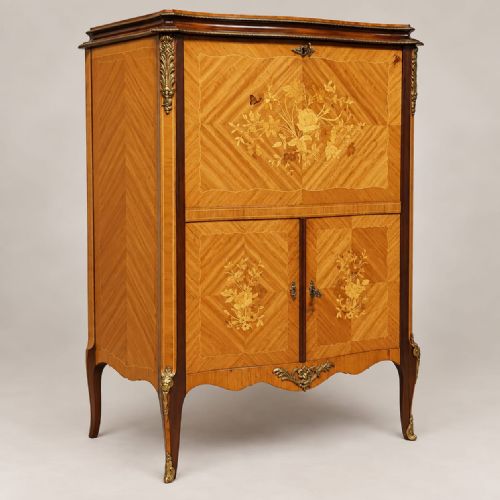
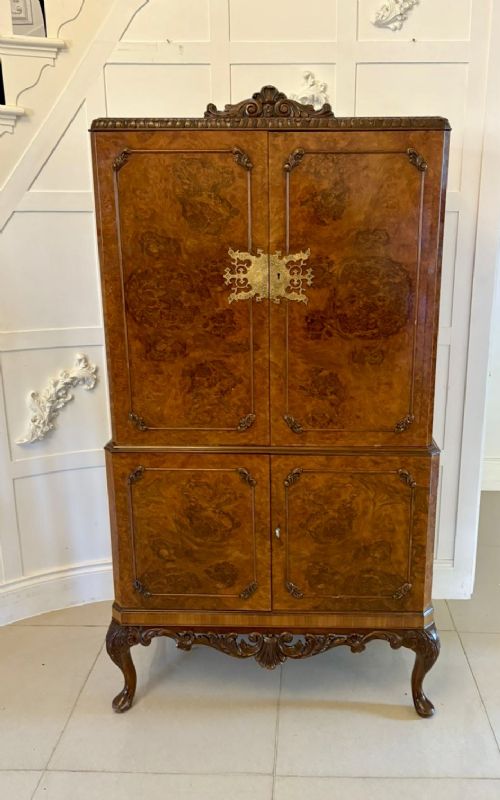
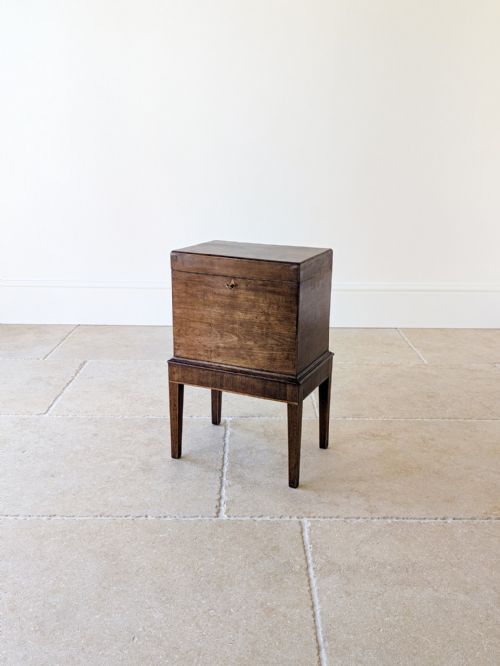
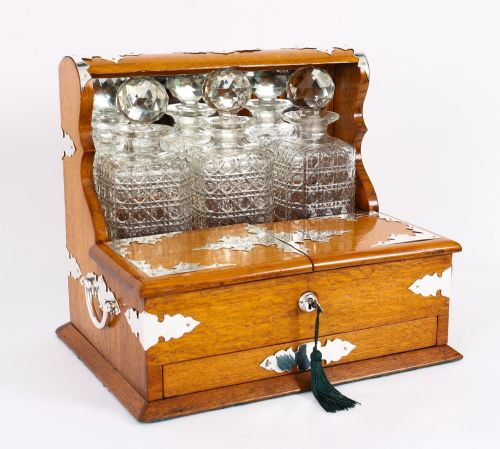
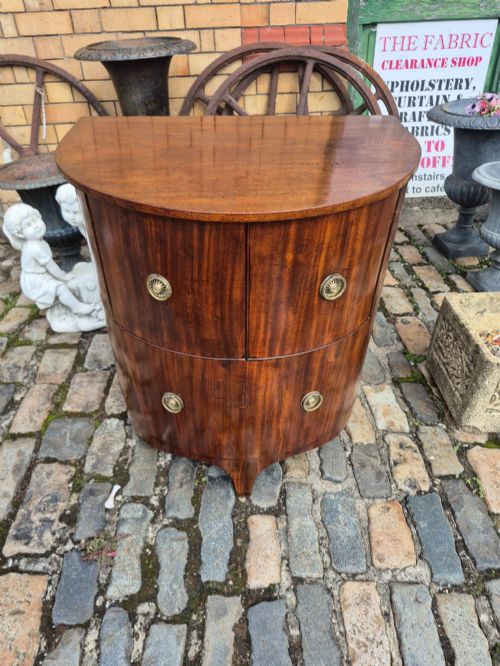
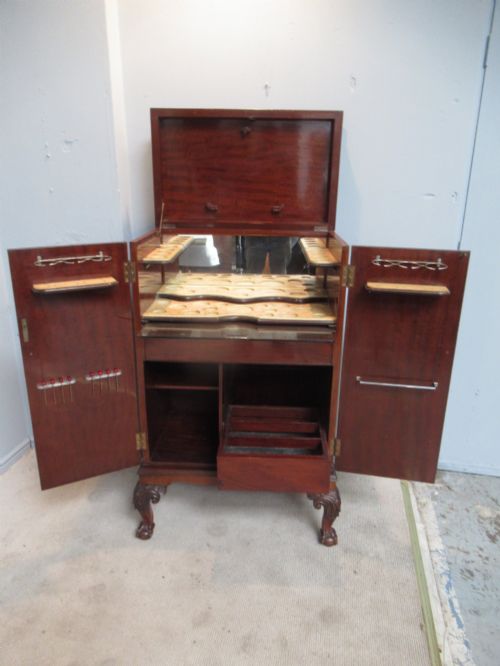
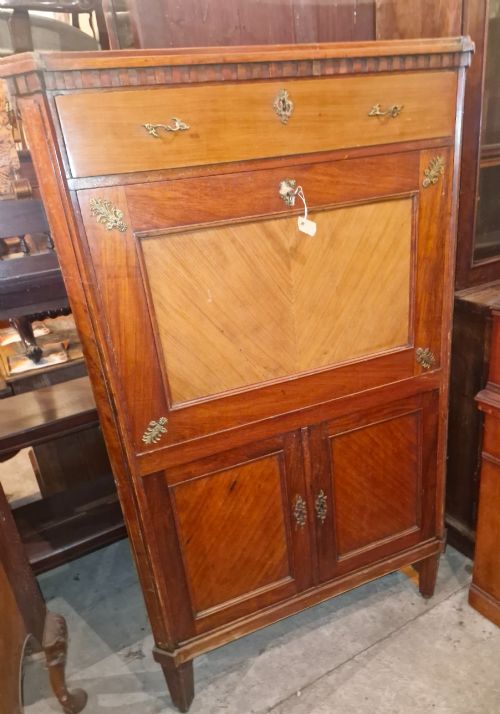
When you examine an antique drinks bar, you encounter a varied lineage of vessels and furniture created to store, prepare, and serve alcohol. These range from Georgian cellarettes and Victorian tantalus sets to elaborate Art Deco cocktail cabinets in burr walnut and mahogany.
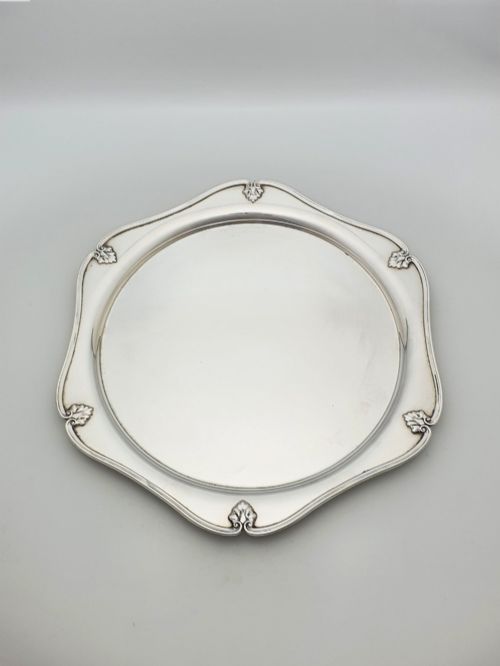
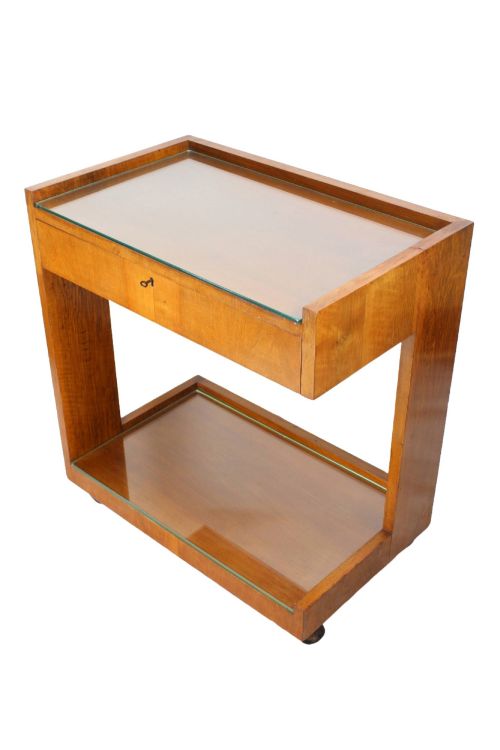
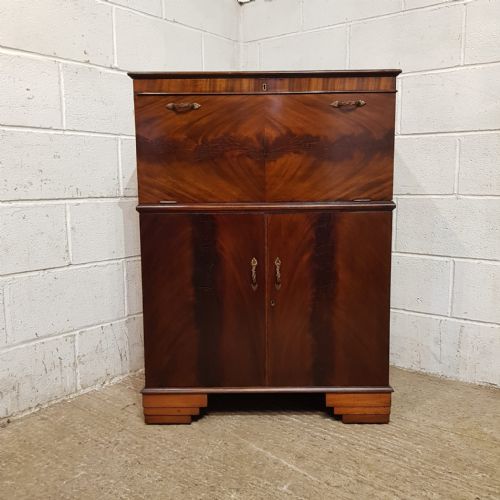
The pieces most frequently met on this page span the early twentieth century, particularly the 1920s and 1930s, reflecting the rise of home cocktail culture. Alongside fitted cocktail cabinets, buyers often find serving trolleys, tea trolleys, and silver-plated barware.
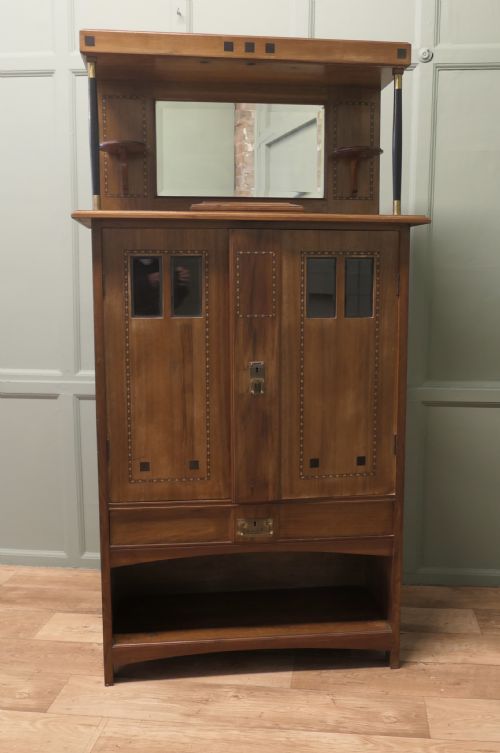
Origins stretch from Edwardian oak designs to French bamboo pieces and striking Secessionist display cabinets. Each form answers a specific social ritual, whether housing crystal decanters or supporting a modern evening gathering.
Materials and construction
Cabinet makers utilised rich timbers like walnut, burr walnut, mahogany, and oak, often applying figured veneers to create striking grain patterns on cabinet doors. Interior surfaces frequently incorporate mirrored glass, pull-out slides, and dedicated slots for glassware.
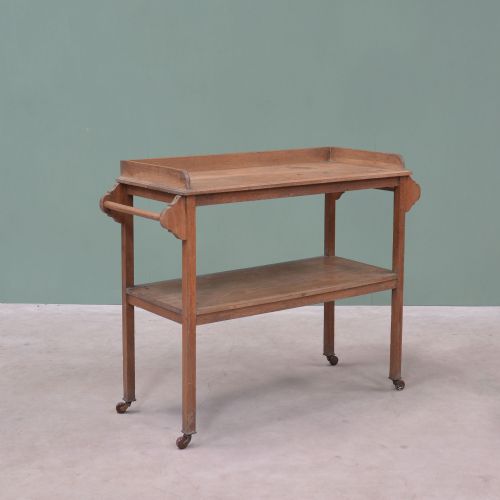
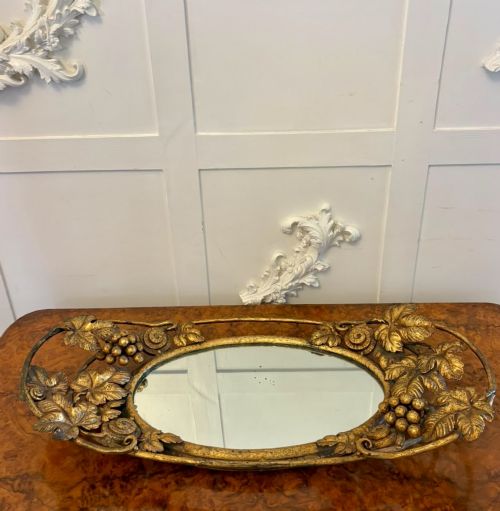
Metal components such as brass, silver plating, and gilt hardware accent the woodwork, while specialised pieces like tantalus sets secure crystal decanters with locking mechanisms. Trolleys rely on sturdy castors and tiered wooden frames for mobility and display.
The selection includes tiered serving trolleys alongside fitted cocktail cabinets and silver-plated barware.
Separating grades of quality
Quality in an antique drinks bar rests on the crispness of the cabinetwork, the selection of timber veneers, and the integrity of internal fittings such as mirrored backs and pull-out mixing trays. Superior examples display thoughtful proportions and harmonious wood selection across every surface.
Makers' attribution and inventive mechanics, such as revolving compartments or metamorphic shelving, elevate certain pieces above standard production. The finest items balance robust structural joinery with refined decorative details like marquetry inlay or specialised metalwork.
Gillows·Epstein·Betjemann
The Antique Drinks Bar Glossary
- Cellarette
- A lockable container used to hold bottles of wine or spirits, typically positioned beneath a sideboard or freestanding during the Georgian period.
- Tantalus
- A locking drink container frame that holds decanters securely in place while allowing their contents to remain visible.
- Cocktail Cabinet
- A dedicated piece of furniture designed specifically for the storage and preparation of mixed drinks, featuring specialised interior compartments.
- Tea Trolley
- A mobile serving cart with two or three tiers, utilised for moving afternoon tea or serving refreshments between rooms.
- Barware
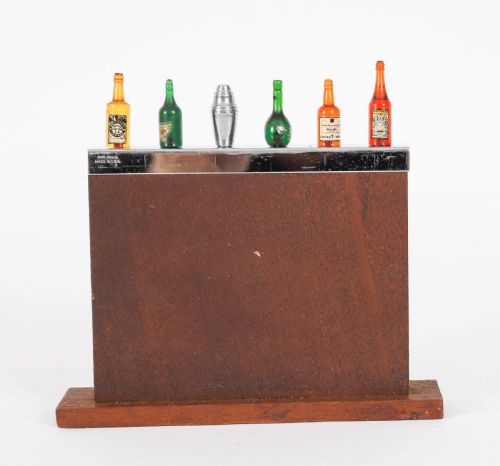
- Portable implements and accessories used in the mixing and serving of drinks, including shakers, trays, and cocktail sticks.
Antique Drinks Bar: Frequently Asked Questions
What is an antique drinks bar?
An antique drinks bar encompasses various forms of furniture and vessels created to house and serve alcoholic beverages. These include fitted cocktail cabinets, mobile serving trolleys, and traditional cellarettes.
Such pieces reflect the changing social habits of entertaining across different centuries, moving from formal dining room storage to dedicated cocktail furniture.
How do I identify an Art Deco cocktail cabinet?
Art Deco cocktail cabinets typically feature geometric silhouettes, symmetrical burr walnut or figured mahogany veneers, and striking chrome or brass hardware. They often open to reveal mirrored interiors and glass shelving.
These pieces emerged strongly during the 1920s and 1930s, embracing modernism and luxurious materials tailored for entertaining.
Were these bars used in the dining room?
Earlier forms like cellarettes and plate-warmer pedestals sat within the dining room to assist servants during meals. Later 20th-century cocktail cabinets moved into drawing rooms and dedicated entertaining spaces.
This shift mirrors the evolution of hosting, where drink preparation became part of the social gathering itself.
What is the difference between a trolley and a cabinet?
A drinks trolley is a mobile, open-tiered serving cart designed to wheel bottles and glasses between rooms. A cabinet is a stationary piece of furniture offering enclosed storage for bottles and bar accessories.
Trolleys emphasise mobility and open display, while cabinets provide secure storage behind doors.