
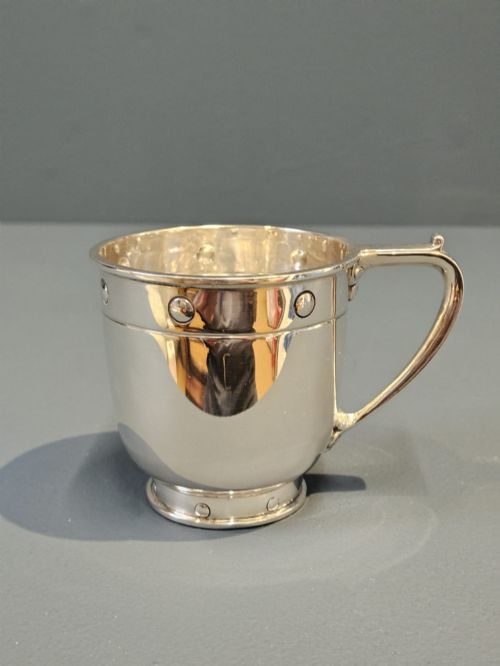
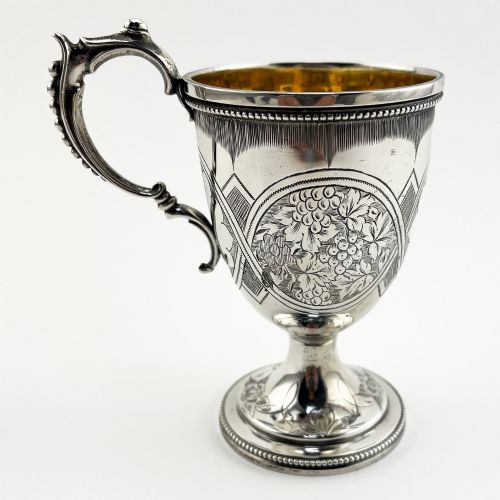
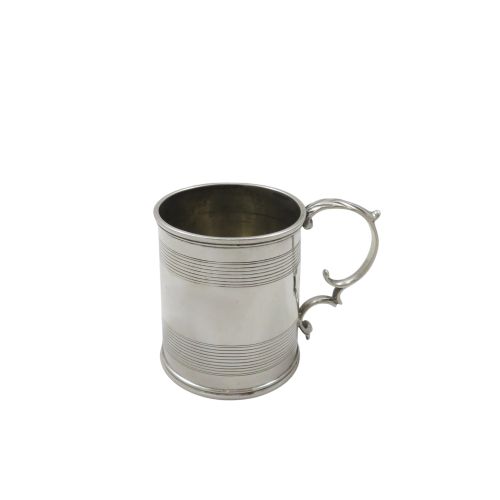
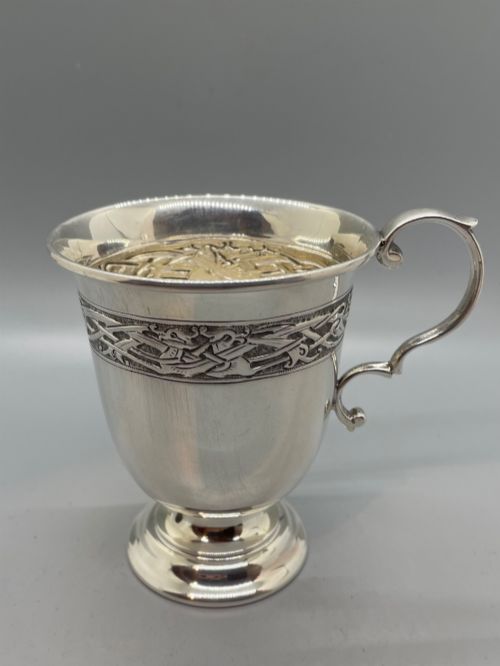


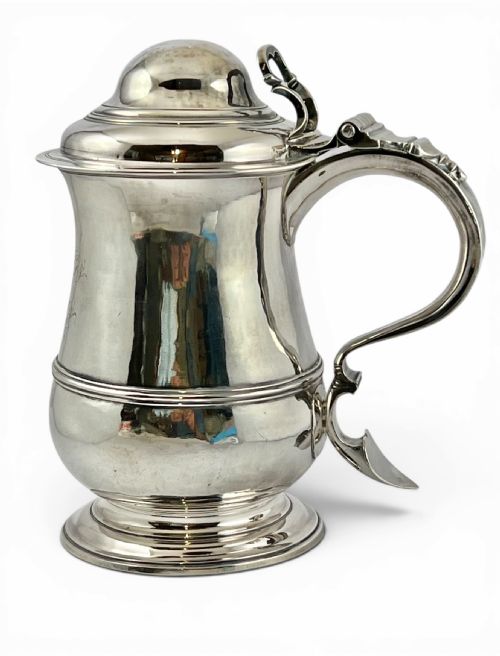
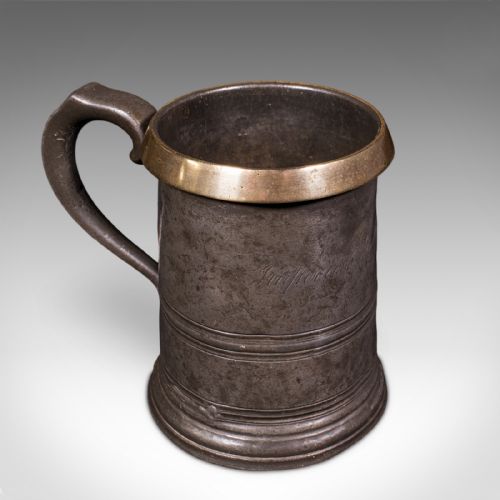
Antique Drinking Mug
An antique drinking mug brings centuries of daily use and metalwork directly to the table.
Antique Drinking Mug
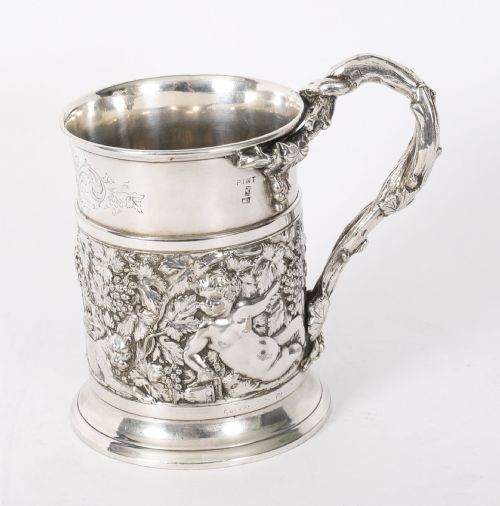
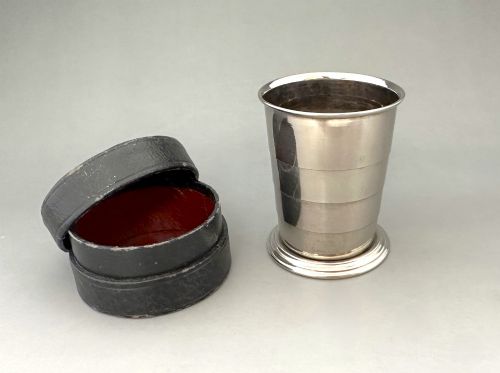
When you search for an antique drinking mug, you find vessels shaped for ale, wine, and water across Georgian, Victorian, and Edwardian periods.
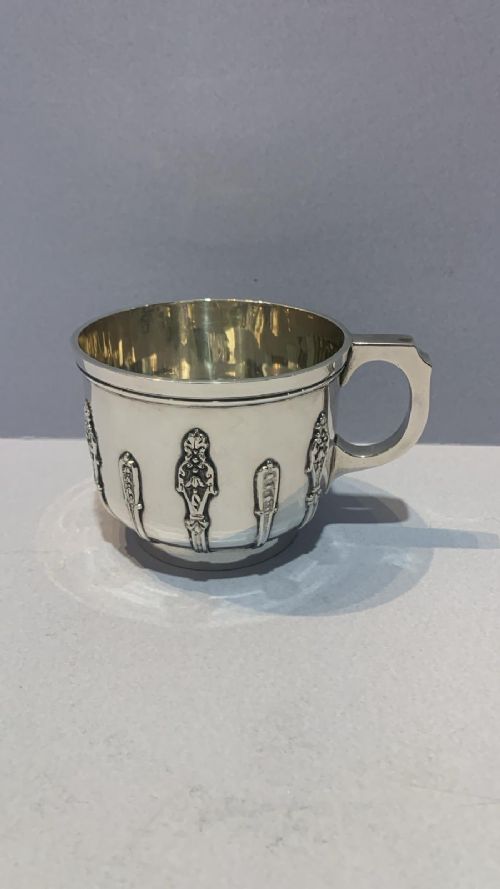
The selections here range from heavy sterling silver christening pieces and lidded silver tankards to earthenware pearlware frog mugs and pewter pint jugs.
Smaller christening cups and large public house tankards dominate the forms, originating from English silversmiths, potteries, and pewterers.
How They Were Made
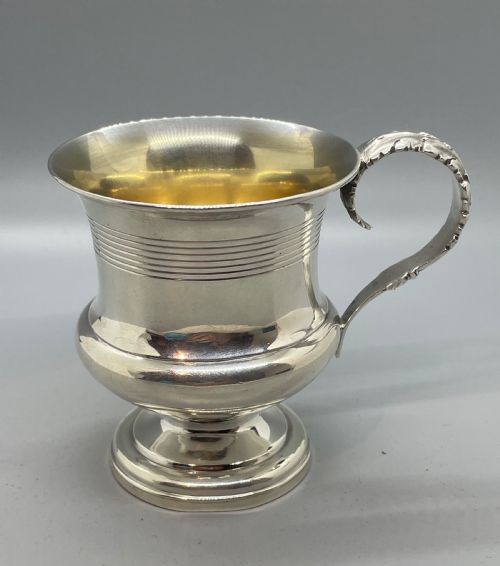
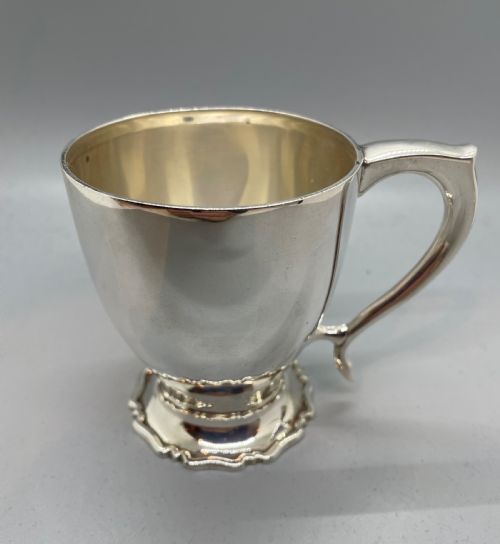
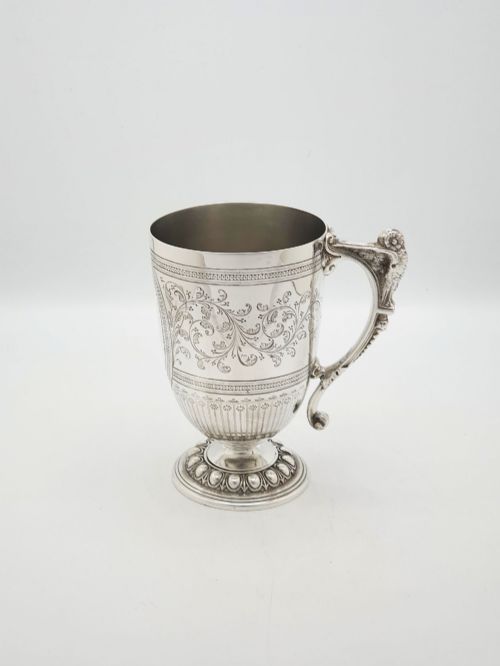
Silversmiths hammered and raised sterling silver, Britannia standard silver, and old Sheffield plate into solid bodies, often applying ornate embossing and engraving.
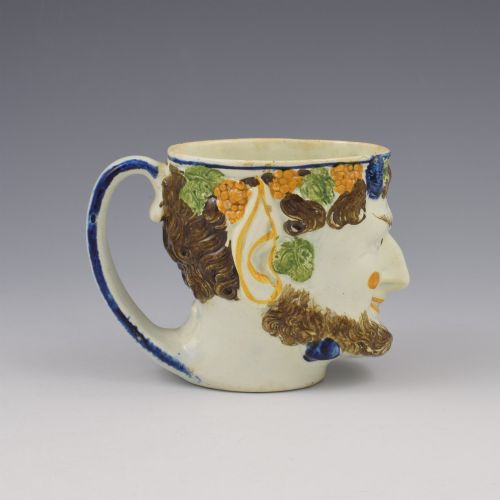
Potters shaped earthenware, pearlware, and porcelain, hand-painting details like frogs, satyrs, and names before firing.
Pewterers cast tin alloys into quart and pint jugs, while coppersmiths combined copper and nickel plating for durable ale vessels.
A tiny ceramic frog lurks at the bottom of 19th-century pearlware mugs, waiting to surprise the thirsty drinker.
What Varies in Quality
The weight and gauge of the silver or metal separate standard production pieces from heavy, solid tankards designed for institutional or civic use.
The crispness of hand-engraving, the complexity of cast handles like owls or figures, and the preservation of hand-painted ceramic glazes determine the standing of each vessel.
Barker Bros·G R Collis·Duesbury & Kean·John Payne·Burgum & Catcott of Bristol
The Antique Drinking Mug Glossary
- Tankard
- A tall, cylindrical drinking vessel with a single handle, frequently fitted with a hinged lid. They are typically made from silver, pewter, or plated metals.
- Frog Mug
- A ceramic drinking mug featuring a small ceramic frog modelled inside the base, designed to surprise the drinker as the liquid lowers. These date primarily to the Georgian and Victorian eras.
- Christening Mug
- A small presentation mug, usually in sterling silver, given to mark the birth or baptism of a child. They often bear engraved presentation inscriptions or dates.
- Pearlware
- A fine earthenware developed in the late 18th century by Josiah Wedgwood, characterised by a bluish glaze that pooled in recesses. It serves as the body for many hand-painted novelty mugs.
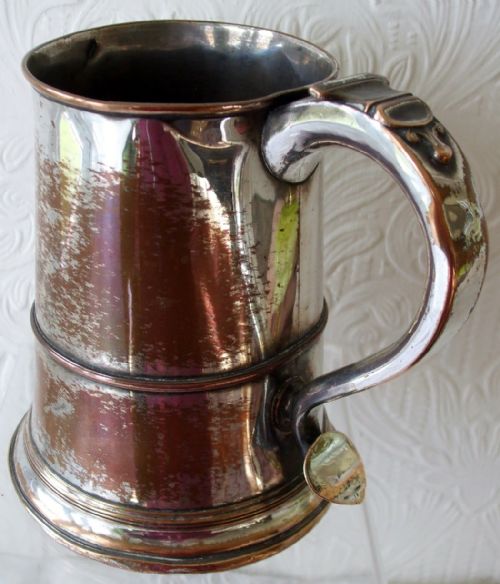
- Old Sheffield Plate
- A composite material made by fusing a thin sheet of silver to a thicker copper core, popular before modern electroplating methods. Pieces often show subtle hints of the underlying copper at high-wear edges.
Antique Drinking Mug: Frequently Asked Questions
What is a frog mug?
A frog mug is a ceramic drinking vessel containing a moulded frog positioned inside the bottom of the cup. As the user finishes the drink, the amphibian appears.
These pieces often date to the Georgian and 19th-century pearlware periods and occasionally include painted details or inscriptions.
How are silver tankards dated?
Silver tankards carry hallmarks stamped directly into the metal, indicating the assay office, the maker's mark, and a date letter corresponding to a specific year.
English pieces from London, Sheffield, and Birmingham rely on these official stamps to confirm the exact year of manufacture.
Were pewter mugs used daily?
Pewter mugs served as heavy-duty vessels in public houses, homes, and taverns throughout the 18th and 19th centuries.
Their robust tin alloy construction allowed them to withstand constant handling, washing, and commercial use.
What is old Sheffield plate?
Old Sheffield plate is an early fusing technique where a thin layer of sterling silver is thermally bonded to a thicker copper base.
This method predates modern electroplating and produces sturdy tankards and mugs with a rich metallic contrast.