

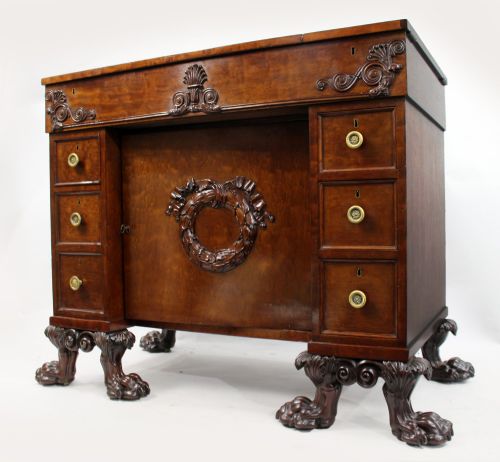
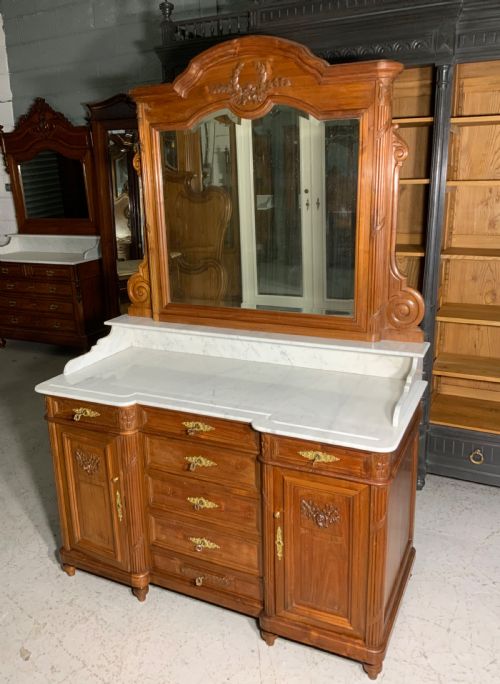
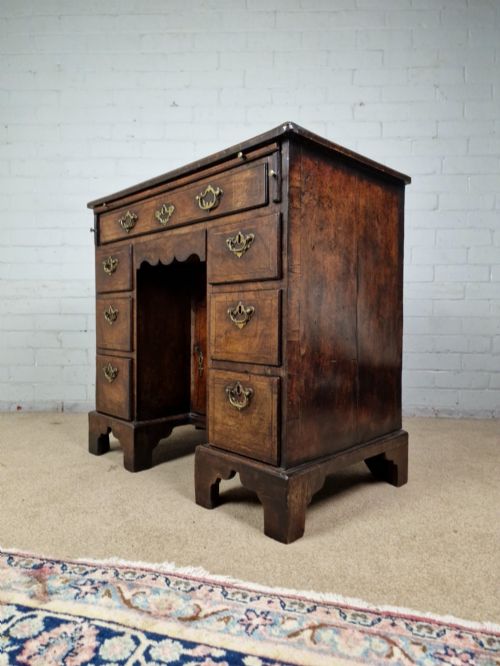
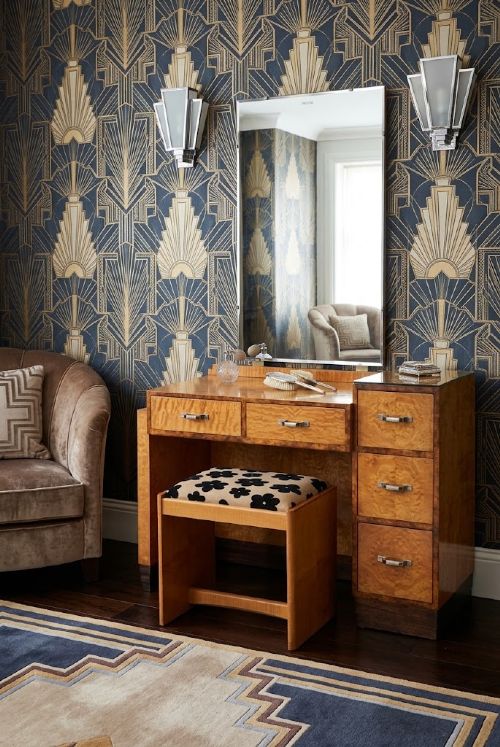

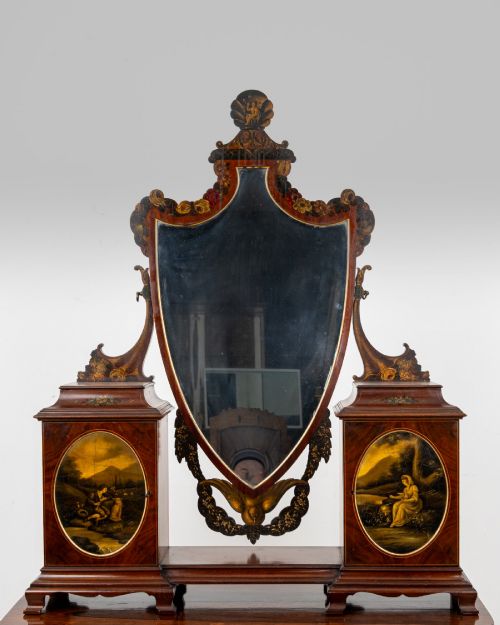
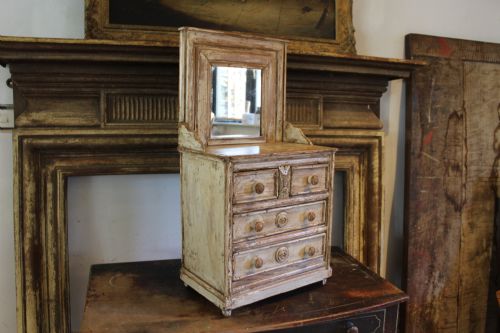
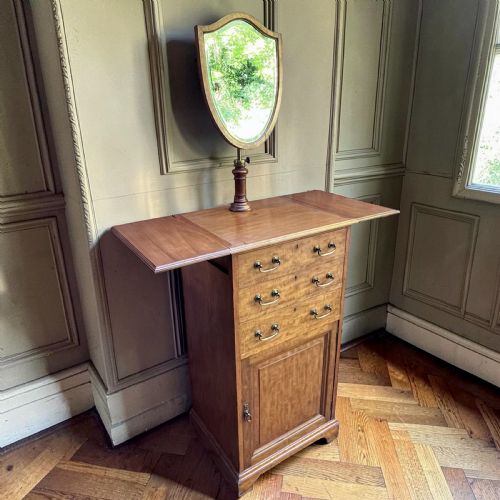
Antique Dressing Cabinet
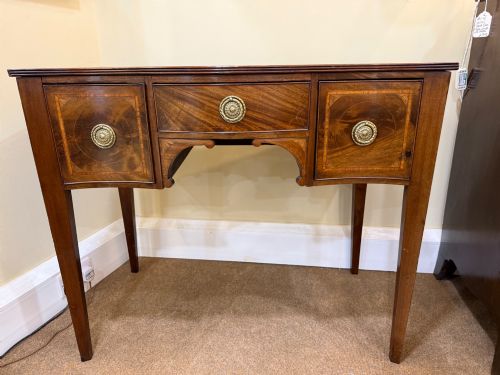
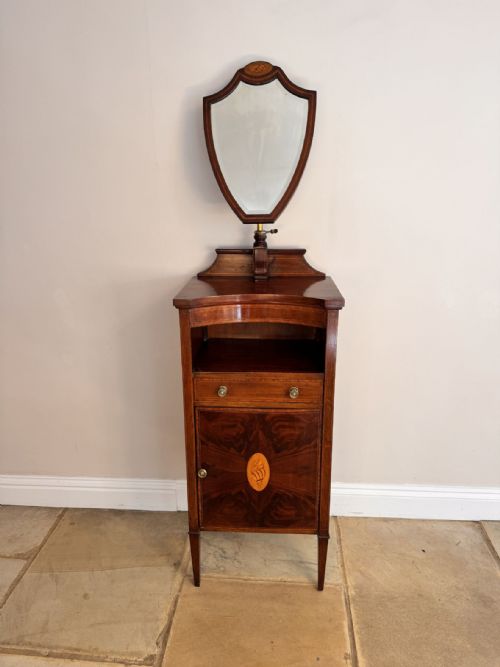
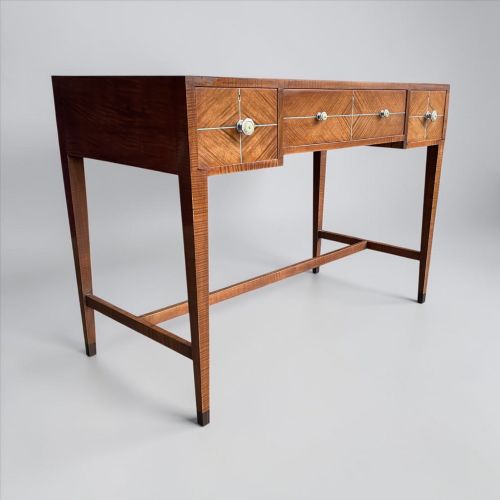
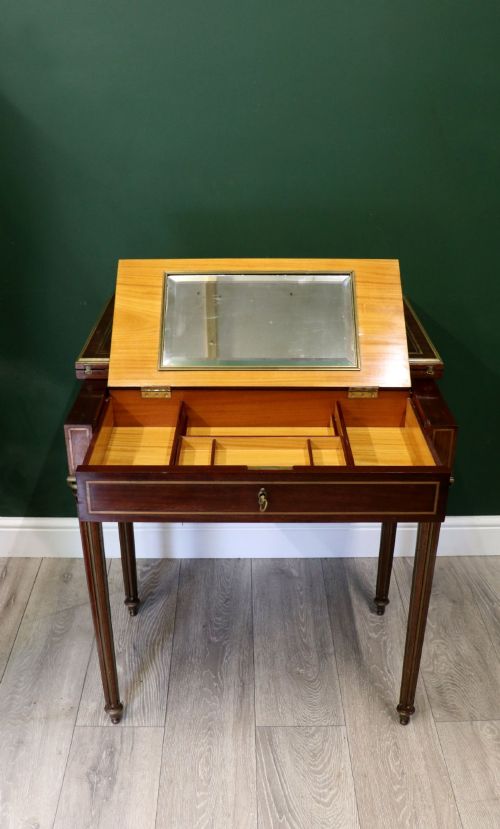
An antique dressing cabinet brings fitted storage and mirror work together in one piece, offering genuine period character for a bedroom.
Antique Dressing Cabinet
An antique dressing cabinet serves as a dedicated piece for personal grooming and storage, appearing across Georgian, Victorian, and Edwardian periods. These forms combine drawers, cupboards, and mirrors to organise toiletries and daily wear.
The pieces on this page span several decades, crossing paths with washstands, gentleman's chests, and compact side cabinets. Mahogany and walnut provide the primary carcass woods for these functional household items.
Origin varies from British workshops to French ateliers, showing regional preferences in hardware and timber selection. Makers ranging from provincial joiners to large cabinet firms produced these useful domestic items.
Judging quality in a dressing cabinet
The selection of timber grain dictates much of the visual merit, particularly when burr walnut or figured mahogany is chosen for the primary surfaces. Crispness in the inlay work and the retention of original brass hardware elevate an ordinary piece into a finer example.
Structural integrity relies on the precision of the joinery and the survival of the original backing boards and interior dividers. Pieces that retain their adjustable mirrors and fitted compartments without heavy replacement parts hold greater integrity for a collector.
Antique Dressing Cabinet Retail Price Guide 2026
Typical asking prices for dressing cabinet among the pieces listed under this phrase on Sellingantiques today, from the lower quarter to the upper quarter. They describe what is for sale here now, not the wider market.
The listings feature pieces spanning from the 18th century through to the 1930s, utilising materials such as mahogany, walnut, marble, and brass.
Flashman & Co·Waring & Gillows·Bath Cabinet Makers·J A Mein Edinburgh Cabinet Maker·Edwards & Roberts·James Shoolbred
The Antique Dressing Cabinet Glossary
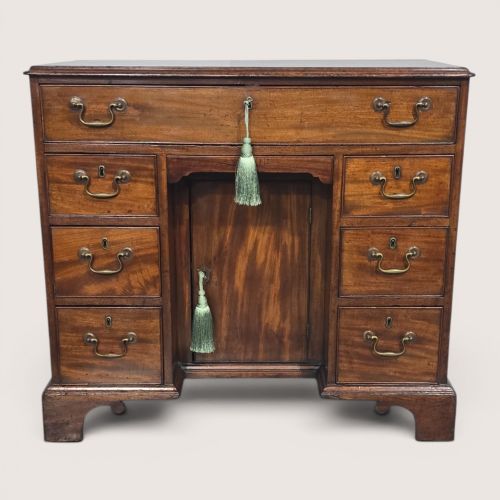
- Kneehole desk
- A compact desk or dressing piece featuring a central recessed space for the legs, flanked by pedestals of small drawers. This form became popular during the Georgian period.
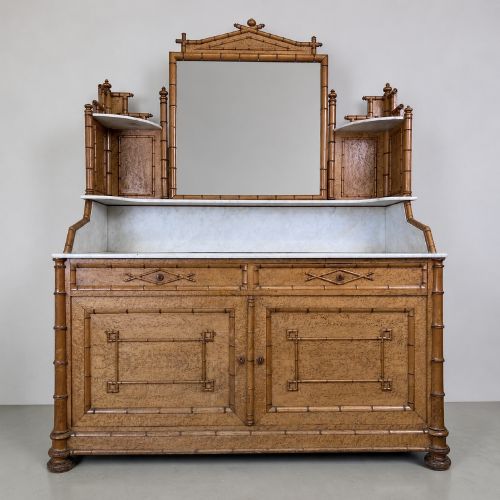
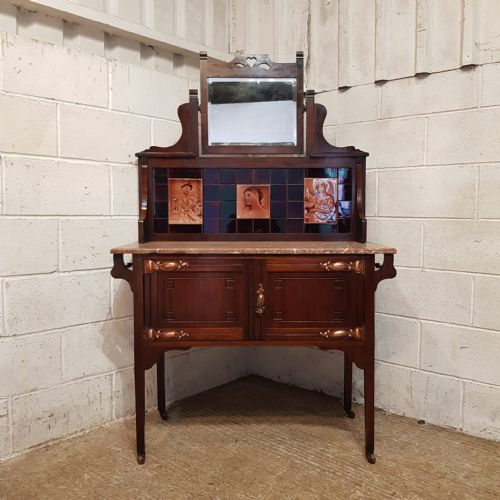
- Washstand
- A dedicated piece designed to hold a basin and jug for washing, frequently topped with marble or fitted with splashbacks. Many examples date from the Victorian and Edwardian eras.
- Lowboy
- A small dressing table or side table with a low profile, typically fitted with one or more rows of drawers beneath the top. Walnut and mahogany were favourite timbers for this form.
- Cheval mirror
- A freestanding full-length mirror mounted on a frame that allows it to swing at an angle. Smaller versions designed for tabletops also appear on dressing chests.
- Inlay
- A decorative technique where pieces of contrasting wood, such as satinwood, are inserted into the main surface timber. This method creates geometric patterns and contrasting borders.
Antique Dressing Cabinet: Frequently Asked Questions
What is an antique dressing cabinet?
An antique dressing cabinet is a piece of furniture designed for personal grooming, combining storage drawers, compartments, and often a mirror into a single unit.
These items were produced in various sizes to suit bedrooms and dressing rooms across the Georgian, Victorian, and Edwardian periods.
How do I date an antique dressing cabinet?
Dating relies on observing the primary timber, construction methods such as hand-cut dovetails, and stylistic details like inlay work or leg design.
Comparing the hardware, mirror fixings, and overall proportions against known period examples helps narrow down the decade of manufacture.
Where were these cabinets made?
The pieces originate primarily from British workshops, though French and American examples also appear in the listings.
Regional cabinet makers and larger firms utilised local or imported timbers like mahogany, walnut, and oak depending on the prevailing fashion.
How do I care for a wood dressing cabinet?
Keep wooden furniture away from direct heat sources and strong sunlight to prevent the timber from drying out and the veneer from lifting.
Apply a traditional wax polish occasionally to nourish the surface and maintain the natural sheen of the wood.