

Antique Dressing Bureau
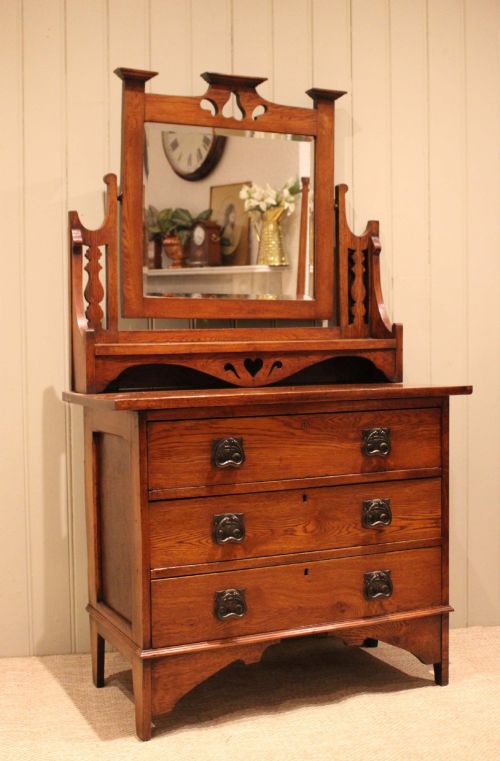
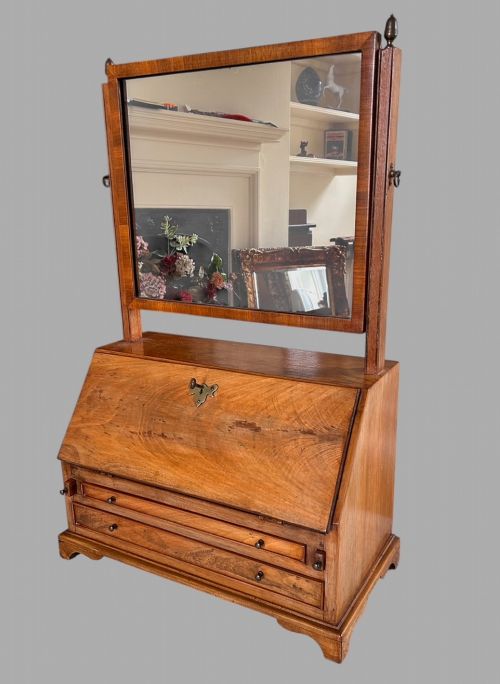
An antique dressing bureau combines the compartments of a writing desk with the mirror and surface of a dressing table.
Antique Dressing Bureau
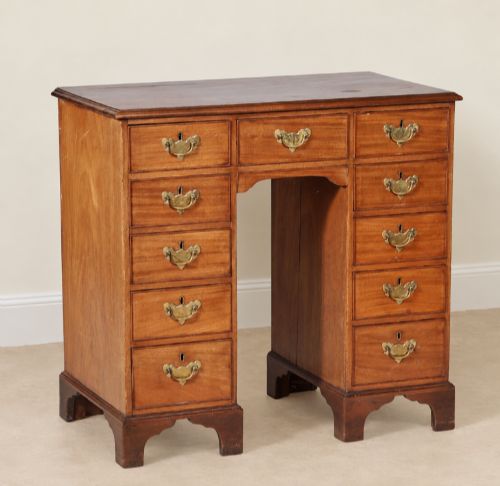
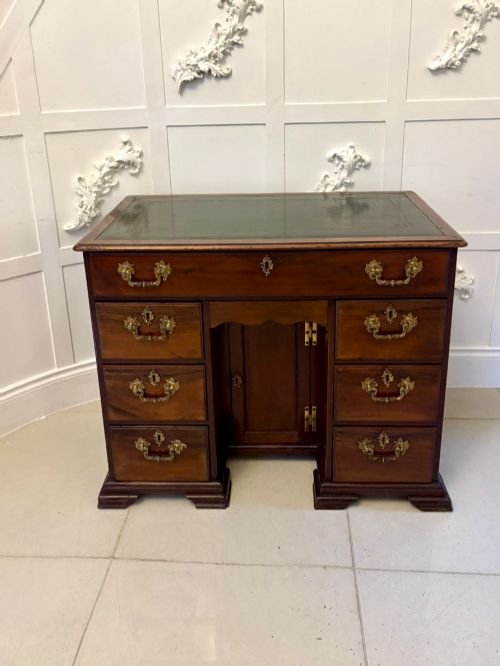
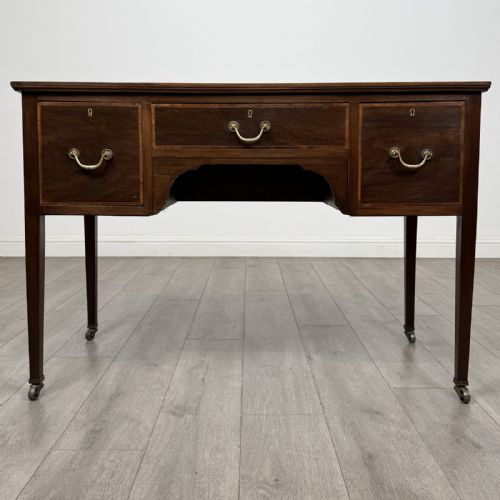
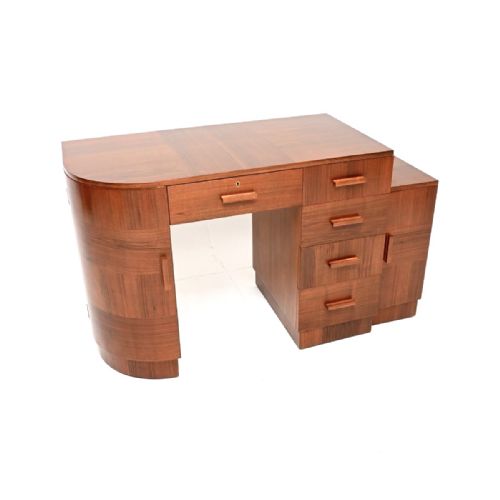
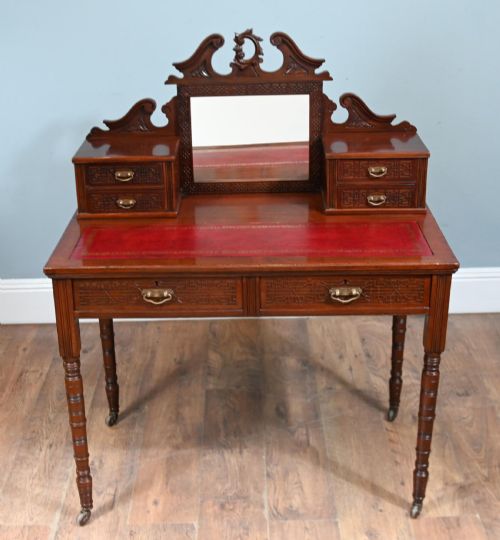
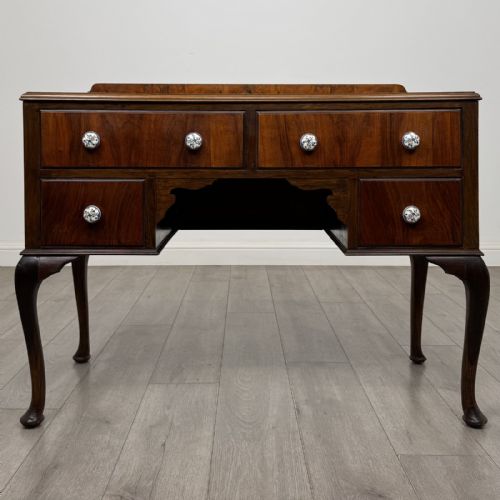
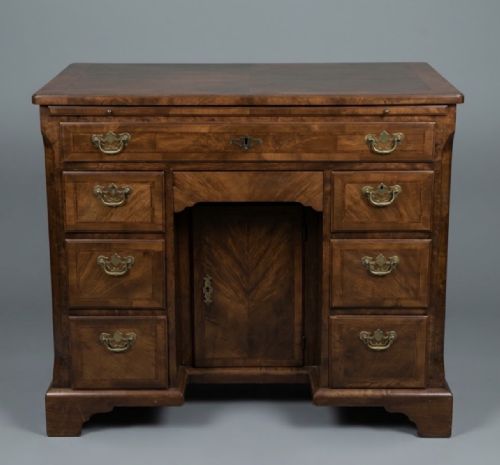
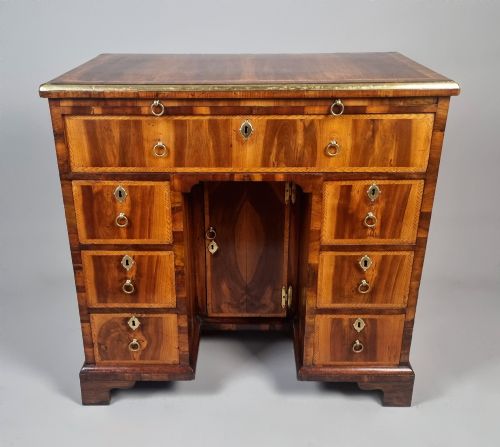
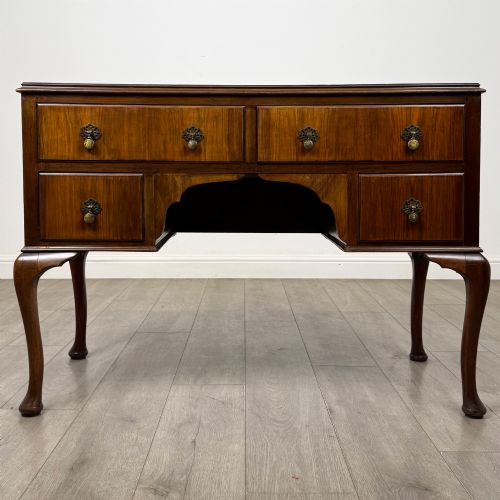
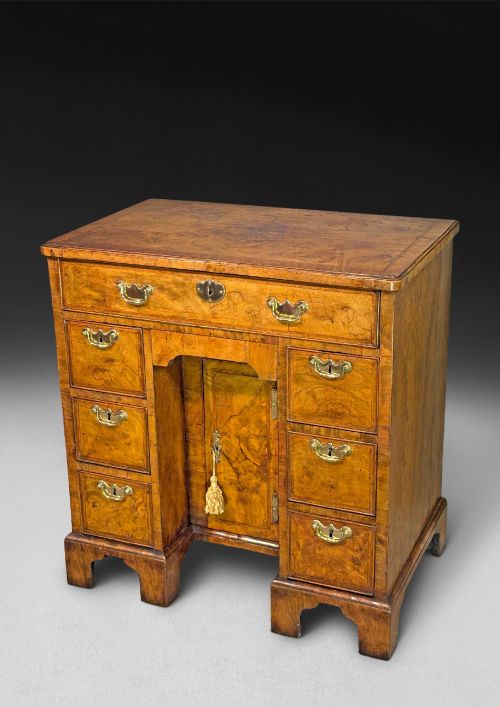
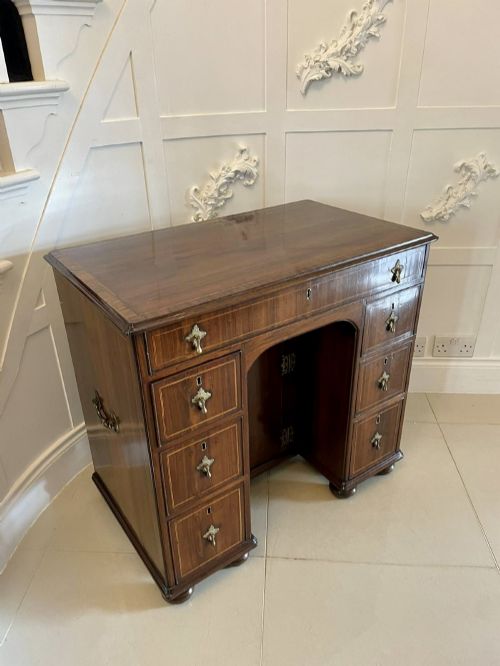
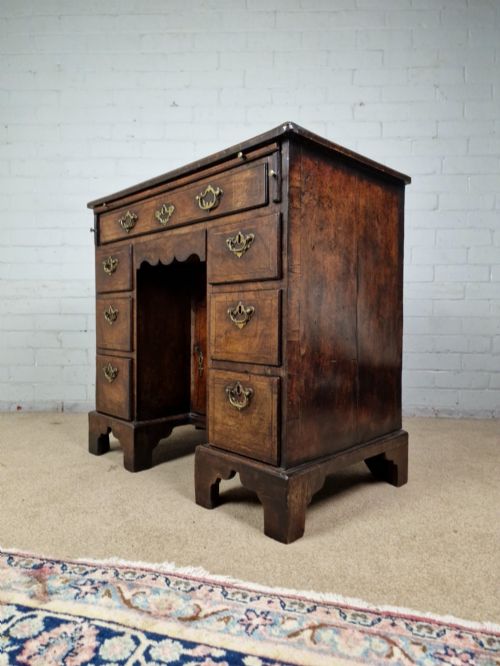
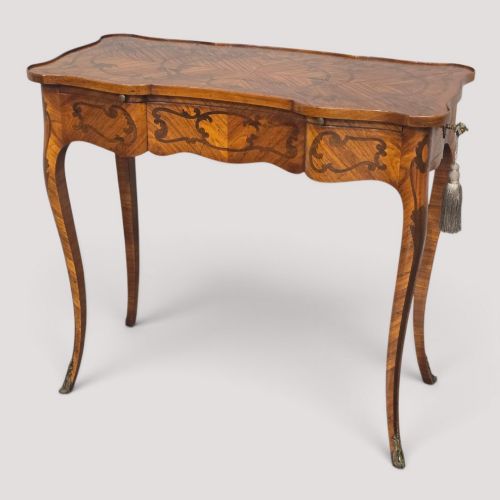
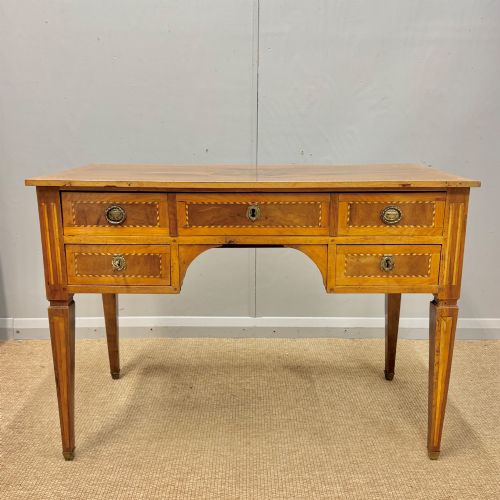
An antique dressing bureau covers a range of compact wooden furniture designed for writing and personal grooming, often featuring fitted drawers and compartments. When you search for an antique dressing bureau, you encounter kneehole desks, table-top bureaus with mirrors, and hybrid writing-dressing tables spanning from the eighteenth century through the Edwardian period and the Art Deco era.
The material palette runs from figured walnut and burr elm to mahogany, satinwood, and oak, occasionally accented with leather inserts or glass tops. Eighteenth-century examples frequently employ dense walnut veneers and fiddleback grain, whilst later Edwardian and 1930s pieces showcase lighter satinwood or striking geometric burr walnut veneers.
Materials and construction
Cabinetmakers constructed these pieces using solid hardwoods like mahogany and oak for structural frames, overlaid with choice veneers of walnut, burr elm, or satinwood on primary display surfaces. Drawer linings typically utilise secondary timbers such as oak or pine, joined with hand-cut dovetails that signal period craftsmanship.
Surface treatments rely on traditional French polish or wax finishes to highlight grain figures, while specialised writing surfaces incorporate inset tooled leather panels. Brass handles, escutcheons, and occasional glass elements complete the construction, matching the aesthetic dictates of periods from George II through to Art Deco.
Antique Dressing Bureau Retail Price Guide 2026
Typical asking prices for dressing bureau among the pieces listed under this phrase on Sellingantiques today, from the lower quarter to the upper quarter. They describe what is for sale here now, not the wider market.
Listings feature woods such as mahogany, walnut, oak, satinwood, and burr walnut across desks and dressing tables.
Evaluating craftsmanship
Quality rests in the selection and bookmatching of wood veneers, where symmetrical grain patterns across drawer fronts demonstrate superior workshop practices. Finer pieces maintain original hardware, integrated leather writing surfaces, and precise internal pigeonhole configurations without clumsy alterations.
Proportion and structural integrity distinguish exceptional examples from standard utilitarian furniture. Cabinetwork that exhibits crisp moulding profiles, tight joinery, and well-figured timber throughout secondary elevations commands greater regard among collectors.
Edwards and Roberts·Wylie and Lochhead Glasgow
The Antique Dressing Bureau Glossary
- Kneehole desk
- A compact desk or bureau featuring a central recess for the sitter's legs, flanked by pedestals of small drawers.
- Fiddleback walnut
- A figured wood grain displaying undulating transverse ripples that resemble the back of a violin.
- Dovetail
- A traditional interlocking woodworking joint formed by wedge-shaped pins and tails, used primarily in drawer construction.
- Escutcheon
- A protective metal plate surrounding a keyhole, often cast in brass on period furniture.
- Marquetry
- Decorative veneer work arranged in pictorial or geometric patterns using various coloured woods.
Antique Dressing Bureau: Frequently Asked Questions
What is an antique dressing bureau?
An antique dressing bureau is a dual-purpose wooden furnishing designed for correspondence and personal grooming. These pieces integrate storage drawers, small writing surfaces, and often associated mirrors or compartments.
Originating across the eighteenth, nineteenth, and early twentieth centuries, they combine the functions of a kneehole desk and a dressing table into a single compact unit.
How were these bureaus used?
Owners utilised these compact desks for writing letters, managing personal accounts, and storing documents within internal pigeonholes and small drawers. The integration of mirrors and surface space also accommodated daily grooming routines.
Their domestic placement varied from private bedrooms to home studies, serving as functional furniture for writing and dressing.
How do I date an antique bureau?
Dating relies on identifying stylistic markers, timber selections, and construction methods characteristic of specific eras such as George II, the Edwardian period, or Art Deco. Examining secondary woods and dovetail styles helps establish the period of manufacture.
Cabinetmakers of the eighteenth century typically favored dense walnut and mahogany, whereas 1930s pieces often incorporate geometric burr veneers and glass elements.
How do I care for wooden surfaces?
Maintain antique wood surfaces by applying occasional applications of appropriate beeswax and avoiding exposure to direct sunlight or sudden temperature shifts. Gentle dusting with a dry, soft cloth preserves the traditional polish.
Keep leather writing inserts conditioned and protect the wood from excess moisture to maintain the integrity of the original finish.