



Antique Dressing Accessory
An antique dressing accessory brings the vanity of past centuries into focus through personal items made to sit upon the table or travel with the owner.
Antique Dressing Accessory
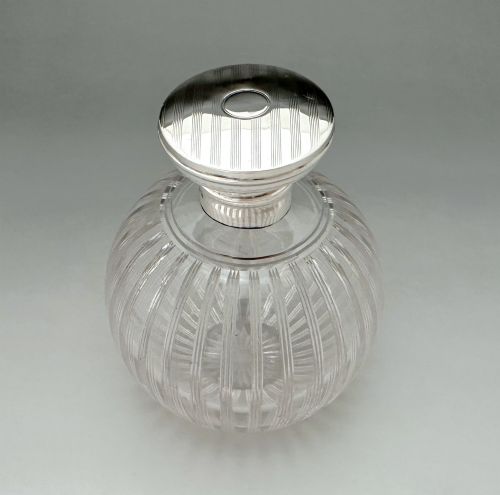
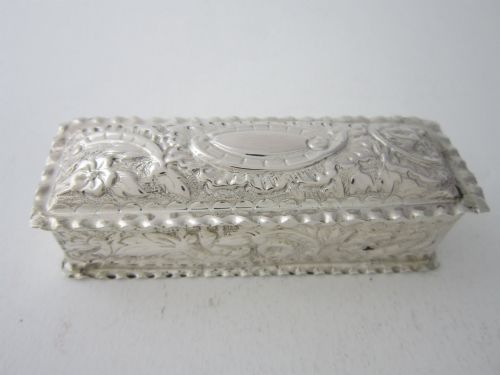
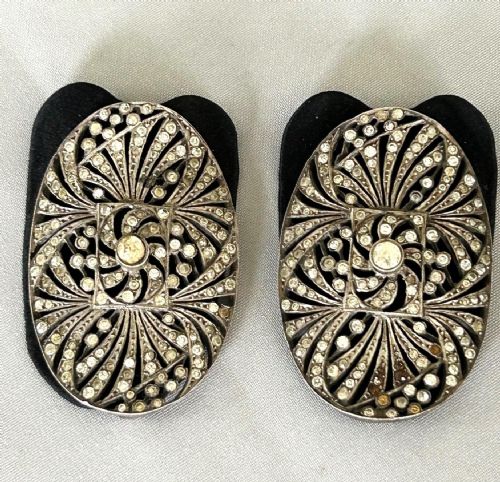
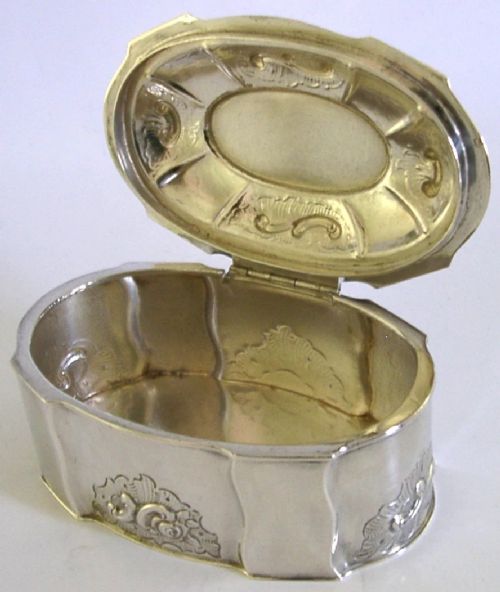
The term antique dressing accessory covers a broad assortment of personal effects found on the dressing table or carried for daily grooming, including scent bottles, trinket boxes, shoe buckles, and button hooks. These pieces were made to be both decorative and functional parts of daily life.
The selection ranges from Victorian silver trinket boxes and Edwardian ring trees to Art Deco enamel perfume bottles and Georgian shoe buckles. Many items reflect the specific social rituals of dressing, travelling, and grooming in the nineteenth and early twentieth centuries.
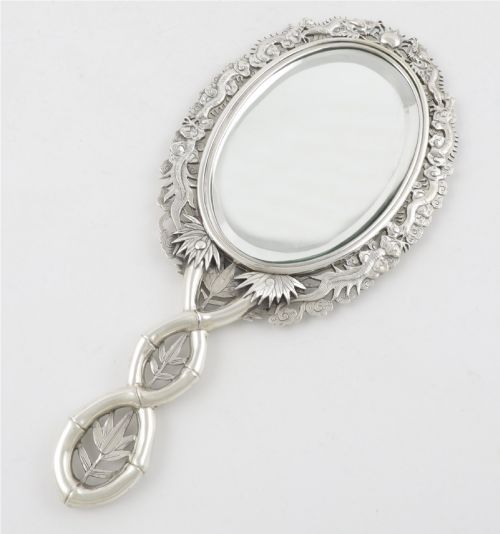
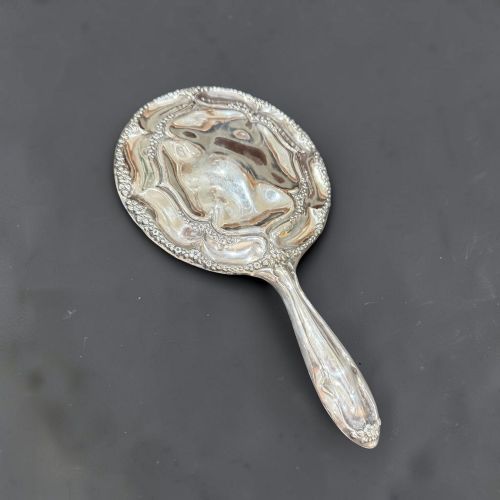
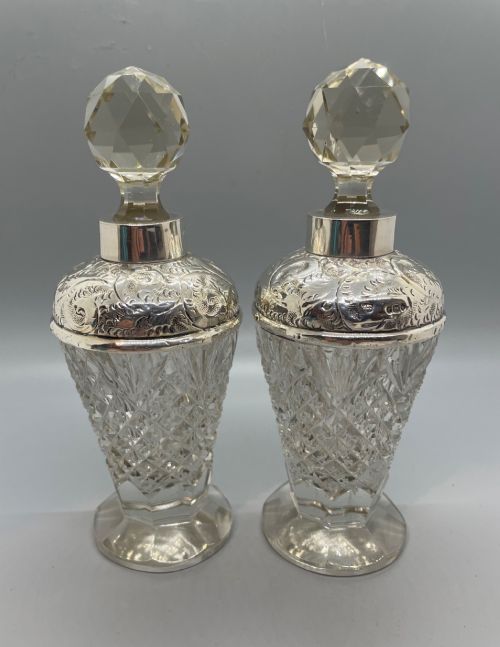
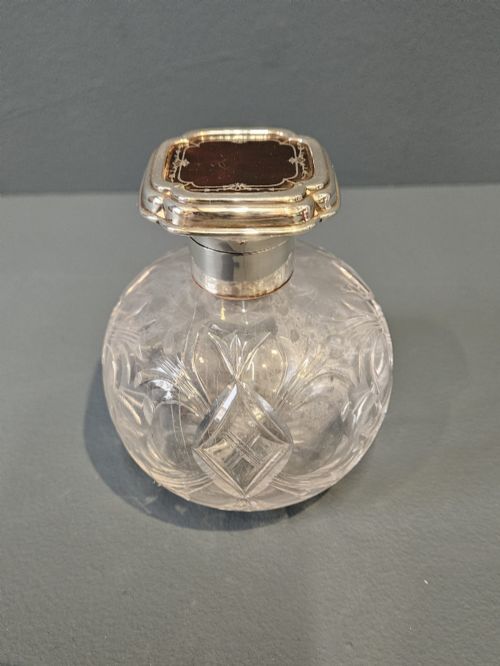
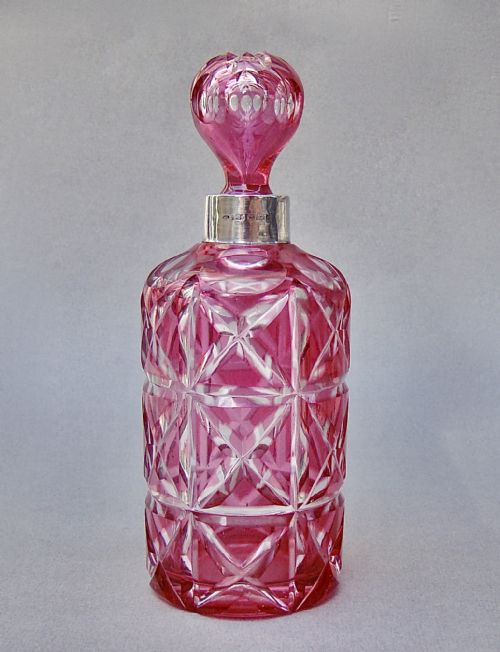
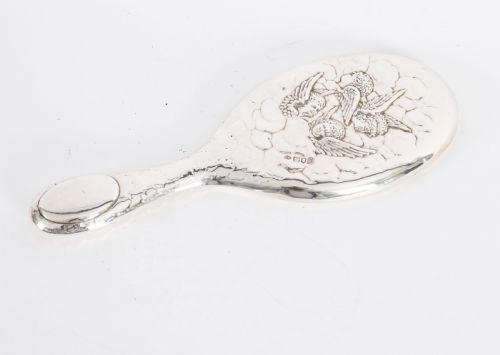
Buyers are most likely to encounter silver-mounted glass perfume bottles, cut crystal jars, and embossed silver hand mirrors from the Edwardian and Art Deco periods. These survivors represent the standard repertoire of the dressing table during the height of its popularity.
Materials and construction
Sterling silver provides the structural mountings, frames, and lids for many items, often shaped by embossing, casting, or engraving. Makers combined this metal with cut glass, cranberry glass, and tortoise shell to create contrast and utility.
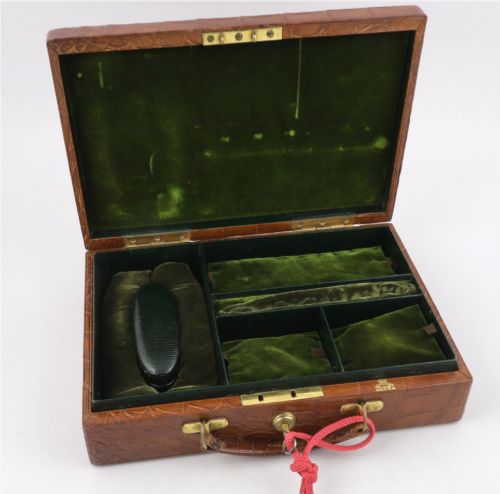
Enamel work, particularly guilloche, adds colour and pattern to silver compacts, mirrors, and perfume bottles from the Art Deco era. Leather, velvet, and fabric line fitted cases and jewellery boxes intended to protect delicate possessions.
Antique Dressing Accessory Retail Price Guide 2026
Typical asking prices for dressing accessory among the pieces listed under this phrase on Sellingantiques today, from the lower quarter to the upper quarter. They describe what is for sale here now, not the wider market.
A tiny silver teddy bear button hook reminds us that even morning shoe fastening once required a touch of whimsy.
Judging quality and execution
Quality rests on the crispness of the metalwork, the weight of the sterling silver, and the precision of any applied enamel or cut glass. Pieces with fully legible hallmarks and named makers display a higher standard of manufacture.
The finesse of secondary materials, such as hand-cut crystal bodies or fine leather linings, separates standard utility items from luxury bespoke productions designed for high-end retailers.
J C Vickery·Paul Storr·Harold Bushell & Co·Charles Boyton·Crisford & Norris·Henry Perkins·Jane Brownett Alexander Jones·Karl Palda·René Lalique·Asprey & Co
The Antique Dressing Accessory Glossary
- Guilloche
- A decorative technique where a precise, intricate geometric pattern is mechanically engraved into a metal surface beneath translucent enamel. This creates depth and plays with light.
- Hallmark
- An official stamp applied by an assay office to indicate the purity of precious metal, the maker, and the year of production. It offers a reliable way to date silver items.
- Ring tree
- A small upright stand, often mounted on a silver base, designed to hold rings securely while the owner washed or dressed. They became particularly popular during the Edwardian period.
- Shoe buckle
- A fastening device attached to footwear, frequently paired and decorated with paste stones or cast metal during the Georgian period. They were designed to clip easily over the tongue of a shoe.
Antique Dressing Accessory: Frequently Asked Questions
What is an antique dressing accessory?
An antique dressing accessory is a personal grooming or vanity item used during the Victorian, Edwardian, or Art Deco eras. These include scent bottles, button hooks, mirrors, and trinket boxes.
They were kept on dressing tables or carried during travel to assist with personal presentation and the storage of small valuables.
How were scent bottles used?
Scent bottles held liquid perfumes or colognes for personal freshening throughout the day. They often featured secure stoppers to prevent evaporation.
Many were designed to sit on a vanity table, while smaller travelling versions fitted securely inside custom leather or silver cases.
How do I date a silver accessory?
Silver pieces are typically dated by reading the hallmarks stamped into the metal by an official assay office. These marks reveal the year letter, town mark, and maker's stamp.
Stylistic cues such as Art Deco geometric lines or Edwardian floral embossing also help narrow down the period of manufacture.
How should I care for enamel items?
Enamel items require gentle handling to protect the glass-like coating from chipping or scratching. They should be kept away from harsh chemicals and abrasive cleaning cloths.
Cleaning is best done with a soft, dry cloth to maintain the lustre of both the enamel and the surrounding silver mount.