
Antique Dresser Chest
An antique dresser chest combines deep storage with refined timber grain, offering a practical anchor for traditional and modern interiors alike.
Antique Dresser Chest
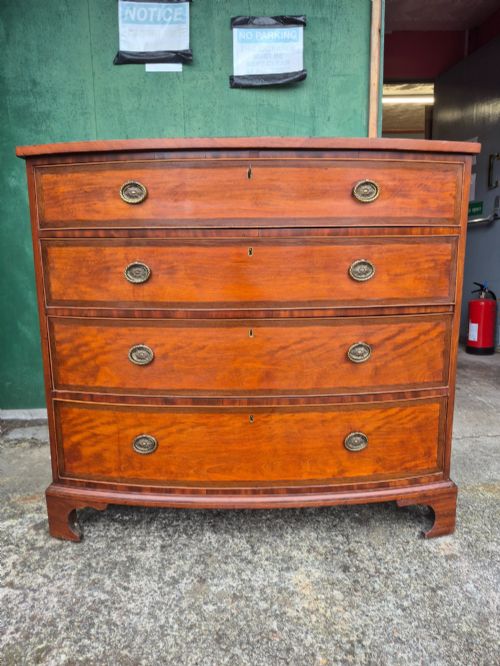
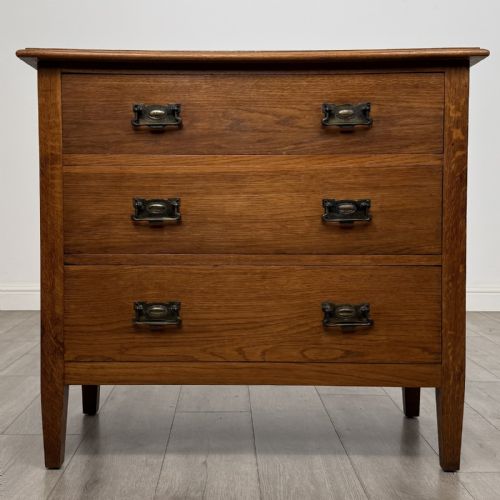
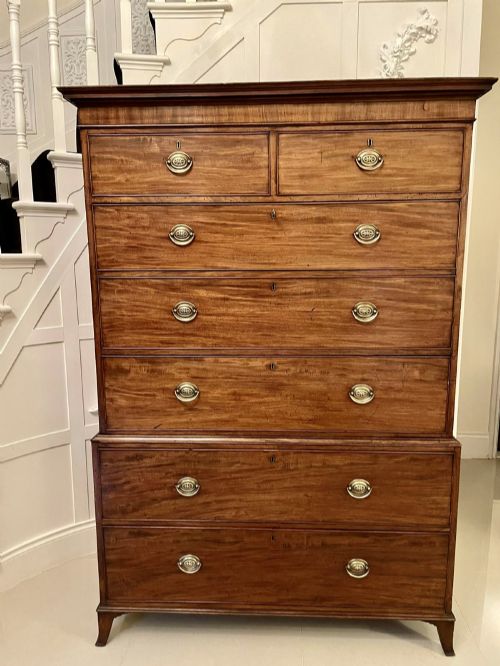
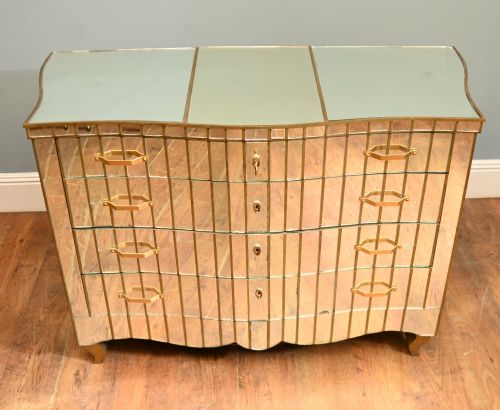
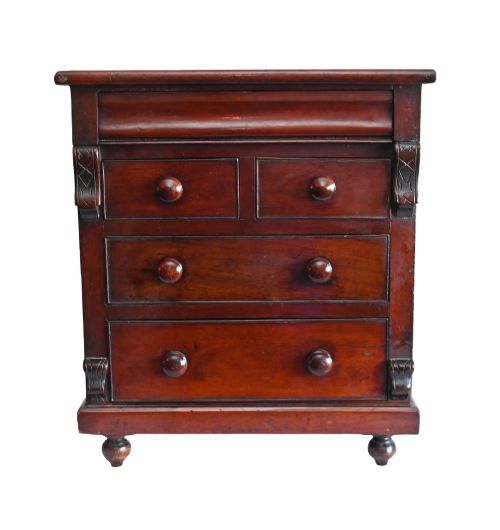
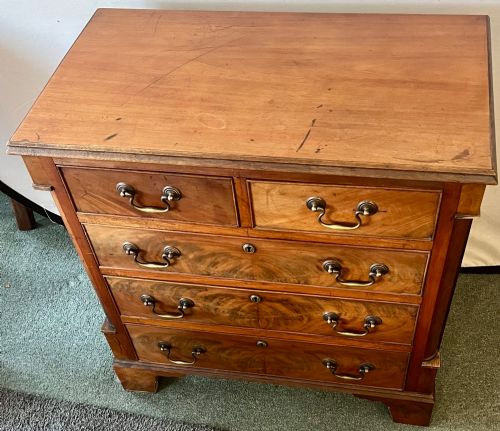
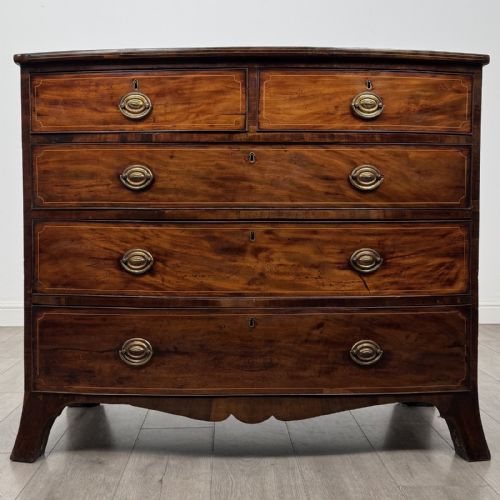
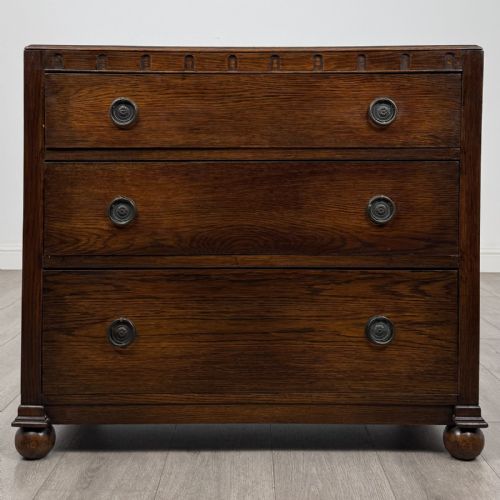
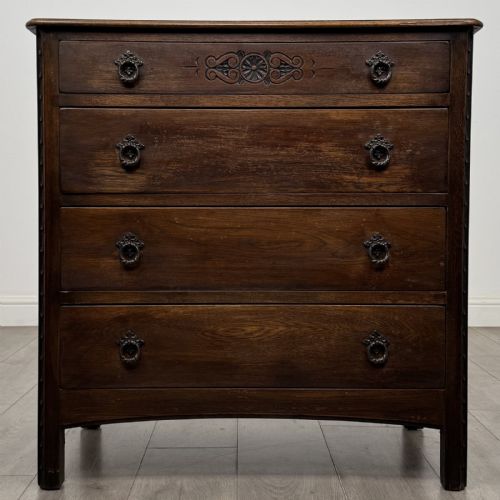
The pieces on this page lean heavily towards formal Georgian and Regency mahogany designs alongside sturdy oak and pine country pieces. Buyers will also find specialised forms such as campaign chests, bow fronts, and occasional miniature versions.
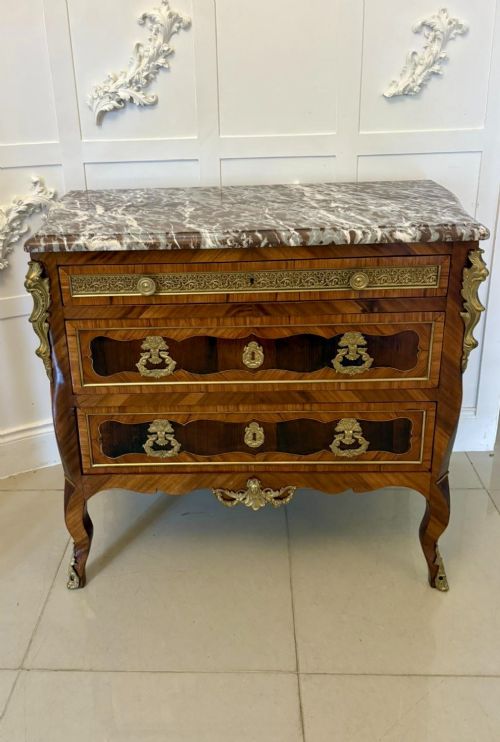
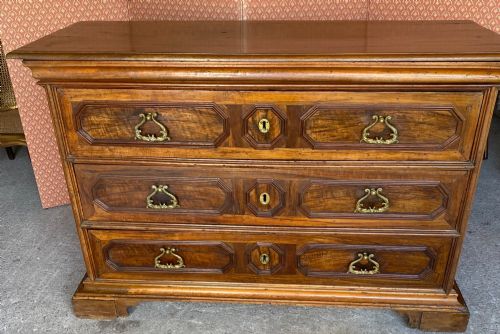
Origins stretch across British, French, German, and Swedish traditions, showing distinct regional preferences in timber selection and decorative carving. Whether selecting a modest 19th-century pine piece or an 18th-century figured walnut commode, the fundamental purpose remains domestic storage.
Materials and construction
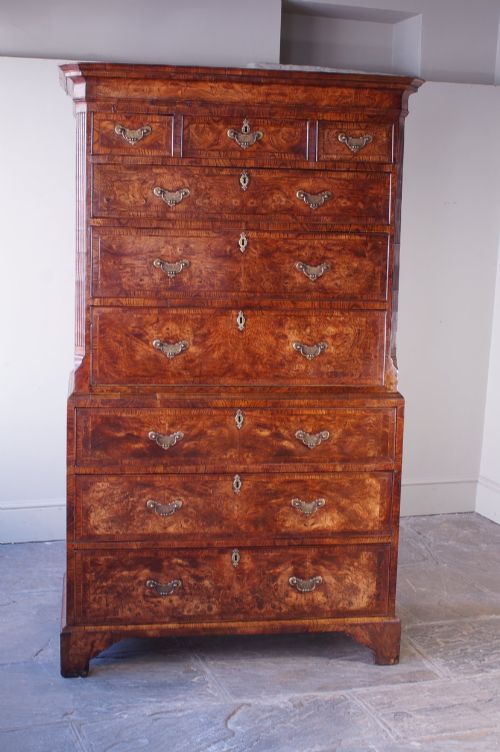
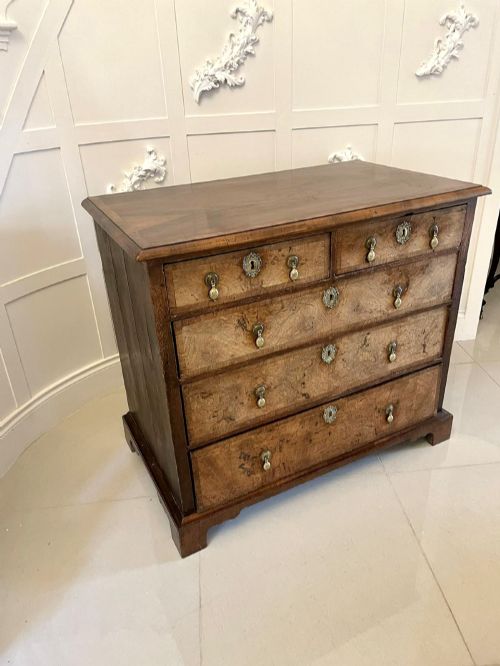
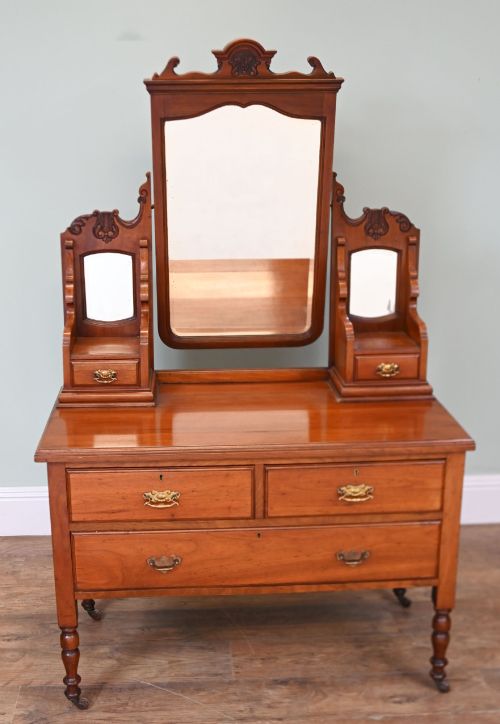
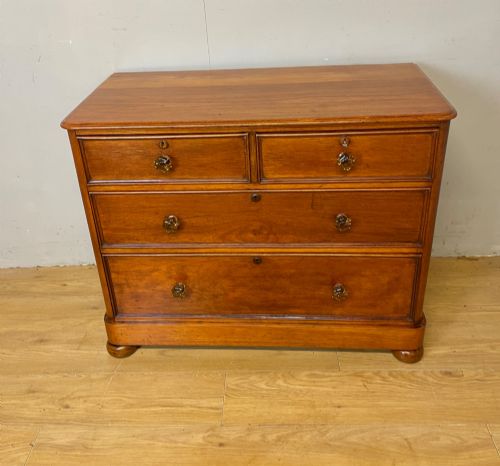
Cabinet makers relied primarily on solid hardwoods and choice veneers applied to secondary woods. Mahogany, oak, and walnut dominate the construction, often enhanced by burr figuring or flame veneer patterns.
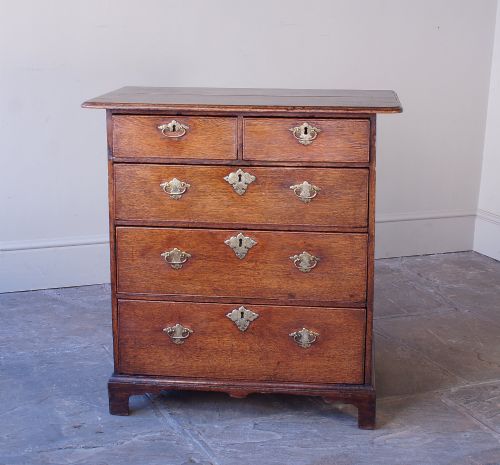
Brass handles, escutcheons, and campaign mounts provide functional hardware alongside wooden knobs. Marquetry inlay utilising pewter and ivory appears on continental pieces, while simpler country variants utilise plain pine and oak planks.
The listings span the 18th, 19th, and early 20th centuries, featuring dominant woods such as mahogany, oak, walnut, and pine alongside brass and iron hardware.
Judging the standard of execution
Quality rests in the crispness of the cabinet work, the thickness of the timber, and the subtlety of the grain matching across drawer fronts. Superior examples display tight dovetail joints and well-figured veneers that have matured evenly over centuries.
Lesser pieces show simpler construction methods, coarser timber selection, or later alterations to the hardware and feet. The presence of original backboards, locks, and polished brass adds significantly to the integrity of an antique dresser chest.
Whytock & Reid·T & G Seddon
The Antique Dresser Chest Glossary
- Bow front
- A convex curved cabinet front that swells outward at the centre. This decorative shaping appears frequently on Georgian and Regency chests of drawers.
- Brushing slide
- A pull-out shelf integrated above the top drawers. It provided a clean surface for folding garments or grooming before full-length mirrors became common.
- Campaign chest
- A modular chest of drawers built in two sections for military transport. These pieces feature recessed brass handles and corner brackets to withstand rough travel.
- Tallboy
- A tall chest of drawers standing on a base or lower chest section. This form maximises vertical storage capacity while occupying minimal floor space.
- Marquetry
- Decorative veneer work forming intricate patterns using various woods, metals, or shell. Skilled artisans assembled these pictorial designs by hand.
Antique Dresser Chest: Frequently Asked Questions
What is an antique dresser chest?
An antique dresser chest is a piece of historic storage furniture combining the functions of a low dresser base and a traditional chest of drawers. These items range from formal 18th-century mahogany designs to rustic 19th-century pine examples.
They serve primarily as bedroom or hallway storage, offering deep drawers for garments and linens while displaying rich natural wood grains.
How do I date an antique chest?
Dating relies on examining construction techniques, drawer dovetailing, timber species, and hardware styles. Earlier 18th-century pieces often feature hand-cut dovetails and native oak linings, whereas later 19th-century items introduce machine-sawn elements and standardised fixings.
Secondary wood choices and regional stylistic traits also provide reliable clues to the exact decade of manufacture.
Where should I place a dresser chest?
These substantial pieces anchor bedrooms, dining rooms, and hallways effectively. Their deep drawers accommodate bulky items while the flat top surface provides space for lamps, mirrors, or decorative objects.
Ensure placement avoids direct sunlight and strong heat sources to protect historic wood veneers and prevent timber splitting.
Are these chests suitable for daily use?
Historic chests of drawers are exceptionally sturdy and designed for heavy domestic storage. Solid hardwood construction and traditional joinery ensure smooth operation of the drawers after centuries of use.
Routine maintenance involves gentle cleaning and occasional waxing to preserve the original polish and protect the timber surface.