

Antique Dresser and Plates
An antique dresser and plates brings together traditional storage furniture and display pottery for practical dining use.
Antique Dresser and Plates
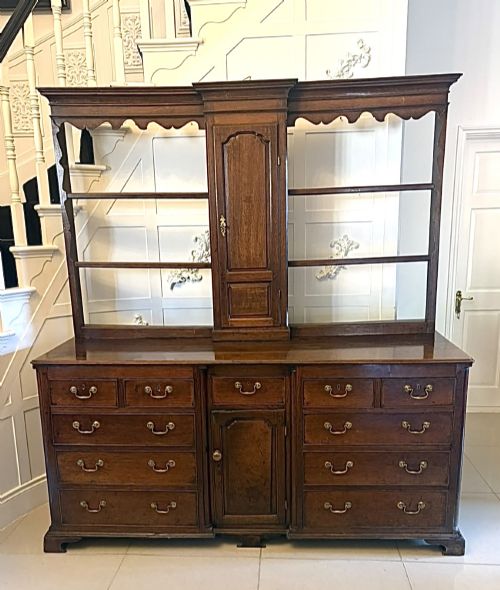
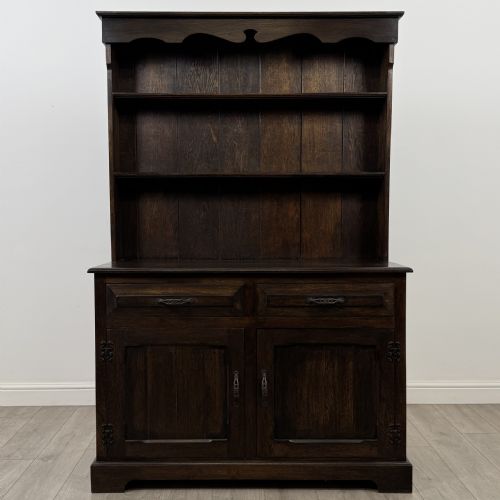
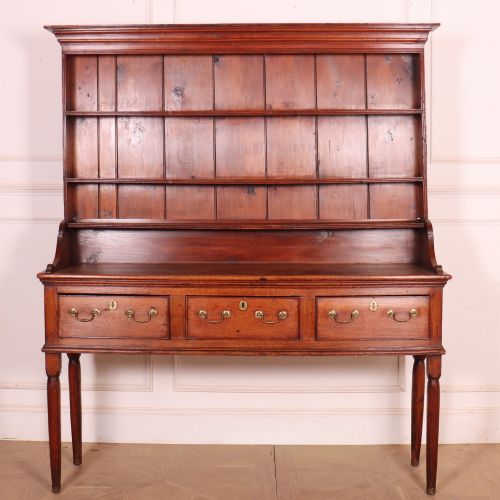
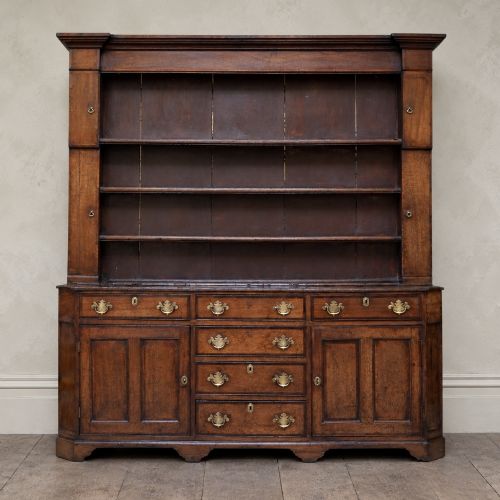
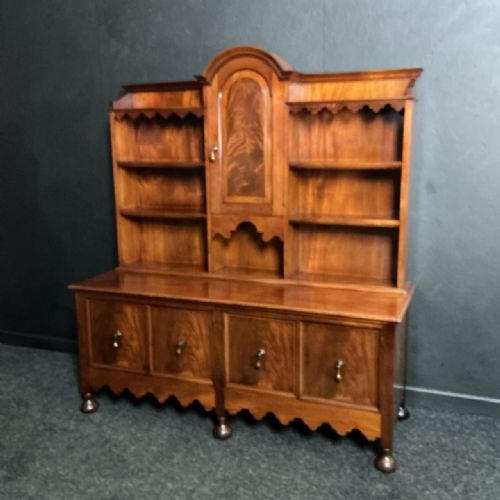
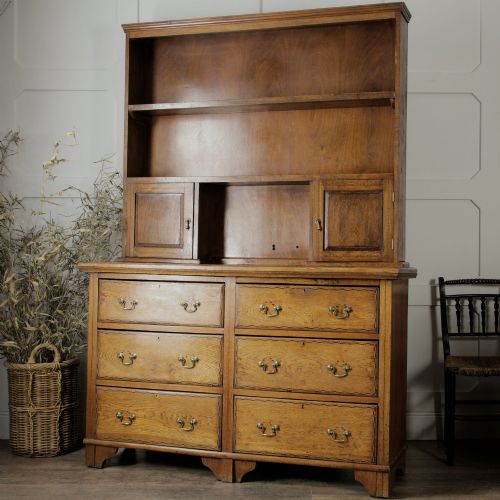
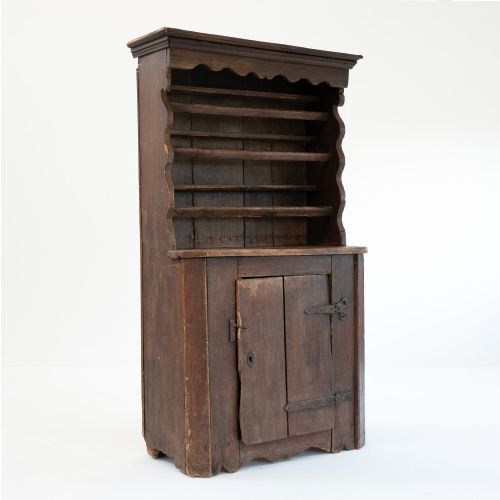
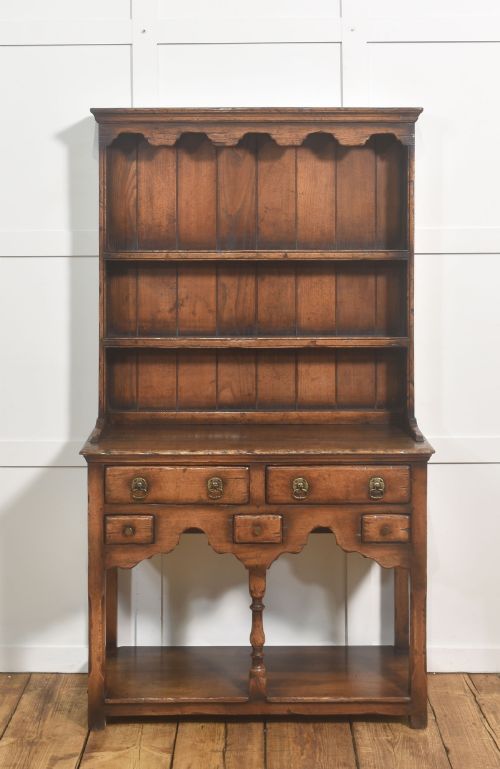
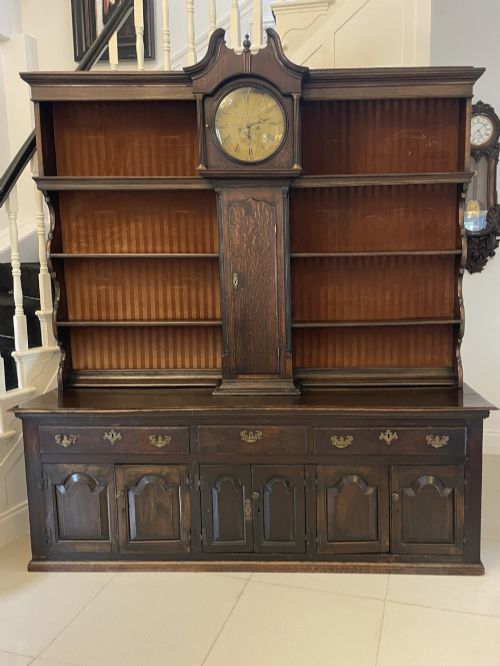
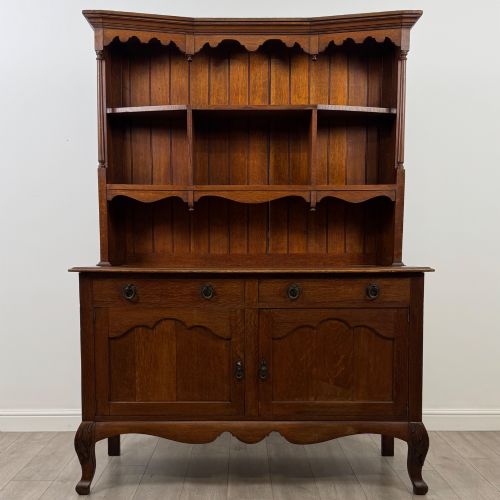
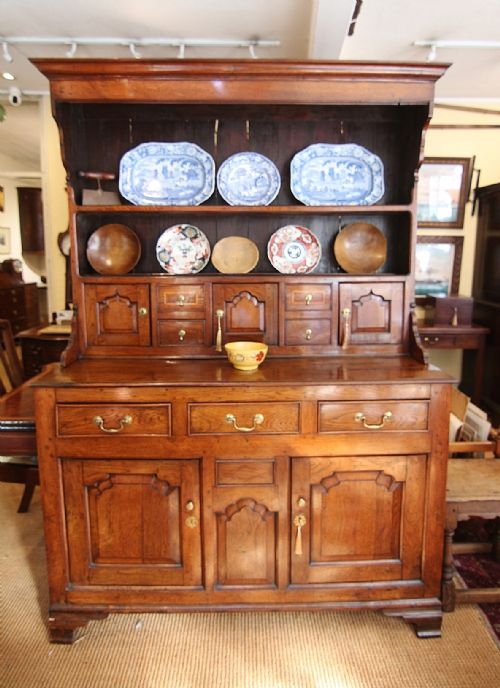
When searching for an antique dresser and plates, you encounter substantial timber furniture paired with open shelving designed to hold ceramics. These pieces function as both a working kitchen base and an upper display rack for plates and platters.
The most common versions on this page are oak and pine regional dressers originating from the eighteenth and nineteenth centuries, often featuring open plate racks or enclosed top hutches.
Origins stretch across Welsh vernacular workshops, English country houses, and Irish regional furniture traditions, reflecting local timber supplies and everyday domestic habits.
Materials and construction methods
Makers relied primarily on solid oak and pine for the main body of the furniture, sometimes incorporating mahogany crossbanding or brass and iron metalwork for handles and hinges.
Surface finishes include traditional wax, historical paint layers, and hand-planed timber surfaces that show the marks of early woodworking tools.
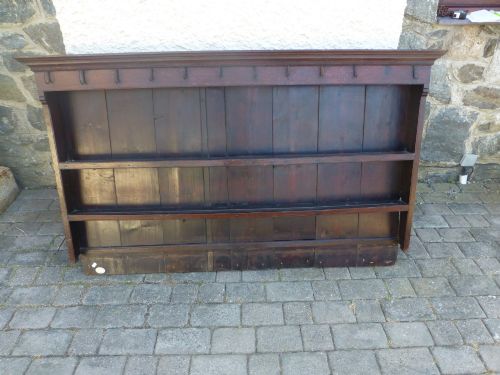
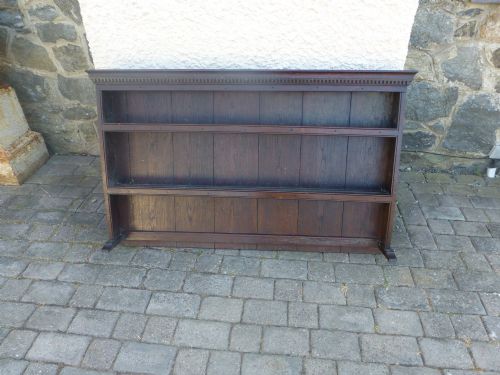
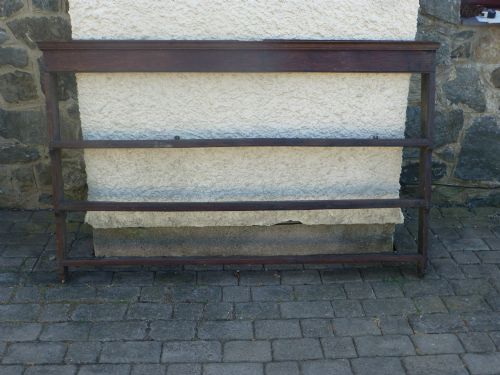
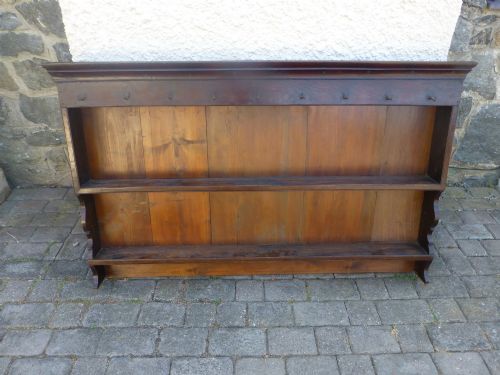
Plate racks are constructed as open or enclosed shelving units attached to the base, designed to support heavy ceramic plates at a slight downward angle.
One unexpected survival hides Green Man carvings peering out from beneath a Victorian bowfront ledge.
Assessing quality and craftsmanship
Superior examples display crisp proportions, original timber patination, and robust structural joinery that has survived centuries of daily domestic service.
Finer regional pieces incorporate thoughtful details such as crossbanded drawer fronts, shaped friezes, and integrated potboards beneath the main surface.
The relationship between the base and the upper plate rack significantly influences the integrity of the piece, with matched historical components commanding greater interest.
The Antique Dresser and Plates Glossary
- Potboard
- A low open shelf fitted between the lower legs of a dresser base, traditionally used for storing pots and pans.
- Crossbanding
- A border of veneer laid around the edges of a drawer front or tabletop with the grain running at right angles to the central panel.
- Welsh Dresser
- A regional form of furniture featuring a substantial base with drawers and cupboards surmounted by a tall open plate rack.
- Delft Rack
- An upper shelving unit specifically constructed with shallow grooves to display plates upright.
- Breakfront
- A cabinet or dresser design where the central section projects forward from the flanking sides.
Antique Dresser and Plates: Frequently Asked Questions
What is an antique dresser and plates?
An antique dresser and plates refers to a combined storage unit consisting of a lower wooden base with drawers or cupboards and an upper open rack designed for displaying ceramic plates.
These pieces served as the central storage and display fixture in historical kitchens and dining rooms.
How were these dressers used historically?
Historically, families used the lower surface for food preparation and the drawers for storing kitchen utensils and linens.
The upper shelves held everyday ceramic plates, platters, and bowls so they remained accessible yet safe from breakage.
How do I care for an oak dresser?
Maintain the timber by applying a traditional beeswax polish occasionally to nourish the dry wood and preserve the historical surface finish.
Keep the furniture away from direct heat sources and sudden humidity changes to prevent the solid oak panels from splitting.