




Antique Dress Studs
Antique dress studs are small, highly detailed fasteners for formal attire that bring remarkable period craftsmanship directly to your cuffs and collars.
Antique Dress Studs
When you search for antique dress studs, you encounter small, refined pieces of gentleman's formal wear designed to fasten stiff shirts and cuffs. These items appear alongside related small accessories such as dress buttons and formal shirt studs.
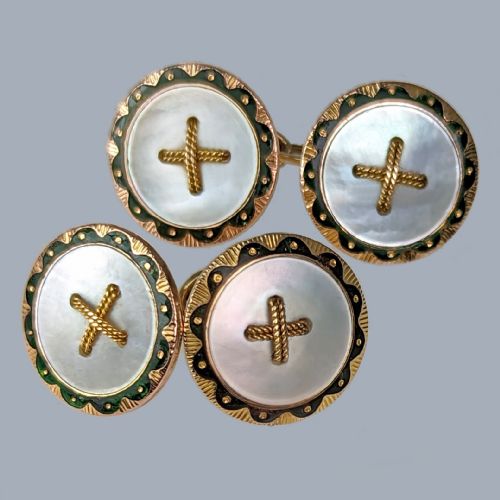
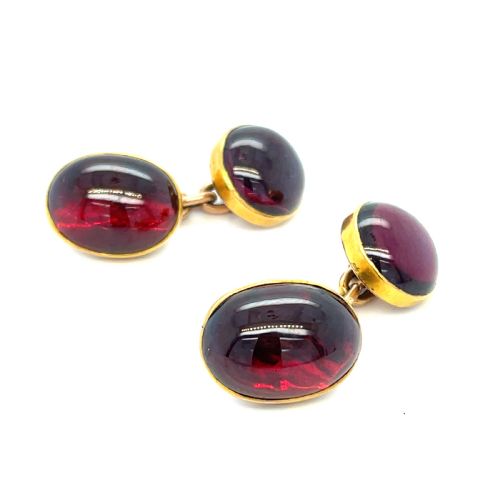
The pieces represented in the evidence span from the Victorian and Edwardian eras into the Art Deco period, showcasing materials like gold, enamel, and mother of pearl. They are items meant to be worn on formal occasions, often surviving in matched sets or original boxes.
How they were made
Goldsmiths and jewellers utilised precious metals like nine-carat and eighteen-carat yellow and white gold to form the structural bodies of dress studs. Platinum also appears in pieces from the early twentieth century.
Surface decoration frequently involved hand-applied enamel in geometric or block patterns, alongside handset gemstones such as diamonds, sapphires, and pearls. Mother of pearl was shaped and polished to create iridescent faces for formal evening wear.
Some nineteenth-century gentlemen secured their neckwear with tiny fasteners shaped like miniature military medals.
What varies in quality
The standard of execution depends heavily on the precision of the metalwork and the integrity of the enamel or stone settings. Pieces that retain their original fitted leather or velvet cases often indicate a higher tier of preservation.
Mastery of design is evident in how well the geometric motifs of the Art Deco period or the organic lines of earlier styles are integrated into such a small scale. Complete matched sets command greater interest than solitary survivors.
Deakin & Francis·Abraham Meyer Blanckensee
The Antique Dress Studs Glossary
- Dress Stud
- A small, removable fastener used for shirts with stiff fronts or separate collars. They mirror the decorative head of a cufflink but possess a single post and base.
- Enamel
- Vitreous material fused to metal through high-temperature firing to add durable colour. It appears in solid fields or intricate geometric patterns on twentieth-century pieces.
- Mother of Pearl
- The lustrous inner layer of certain mollusc shells, carved and polished for decorative faces. It provides a subtle, iridescent sheen suited to evening wear.
- Collar Stud
- A specialised short stud used to attach a detachable collar to a shirt band. They are typically robust in construction to withstand regular handling.
Antique Dress Studs: Frequently Asked Questions
What are antique dress studs used for?
These small fasteners secure the buttonholes of formal dress shirts, particularly stiff-fronted shirts worn with black tie or white tie. They replace standard sewn buttons to present a clean, decorative metal or gemstone face down the shirt placket.
They also serve to fasten detachable collars securely to the neckband of the shirt. Their design allows them to be slipped easily through multiple layers of starched cotton before a formal event.
How do I wear antique dress studs?
To insert a dress stud, angle the flat base or hinged toggle sideways and push it through the outer and inner buttonholes of the shirt front. Once through, turn the base flat so it anchors securely behind the fabric.
They are best paired with matching cufflinks in gold, enamel, or mother of pearl to create a cohesive formal appearance. Ensure the shirt has the appropriate buttonhole size to accommodate the vintage shanks.
How do I date antique dress studs?
Dating relies on examining the materials, hallmark stamps, and prevailing design styles of the period. Victorian examples often feature rich yellow gold and natural gemstones, while Art Deco pieces display geometric enamel and platinum settings.
Maker's marks and metal purity stamps on the reverse of the stud provide precise clues to their origins. Original fitted presentation cases can also help confirm the era of manufacture.
Are dress studs the same as cufflinks?
While both accessorise formal menswear, dress studs feature a single decorative face attached to a fixed post and base, designed to push through shirt fronts. Cufflinks feature two decorative faces joined by a rigid bridge or chain to fasten two shirt cuffs together.
Both items were frequently sold together as unified dress sets during the Victorian and Edwardian periods. They share similar decorative treatments, including enamel work and precious metal settings.