




Antique Dress Pin Brooch
An antique dress pin brooch fastens fabric while displaying the metalwork and gemstones of Georgian, Victorian, Edwardian, and Art Deco design.

Antique Dress Pin Brooch
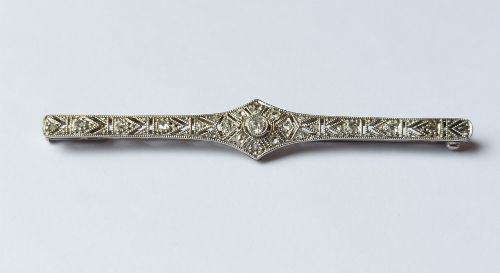
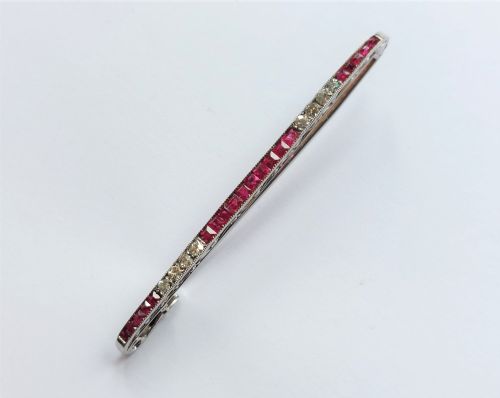
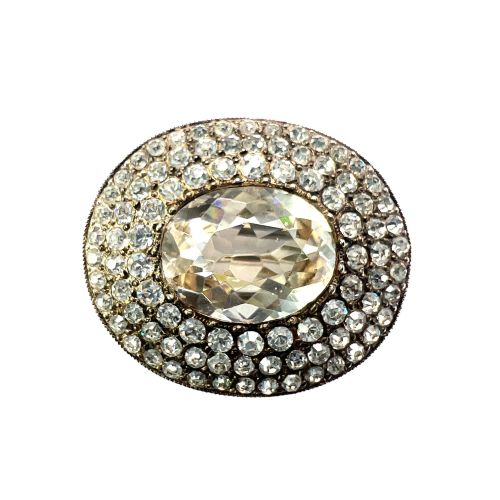
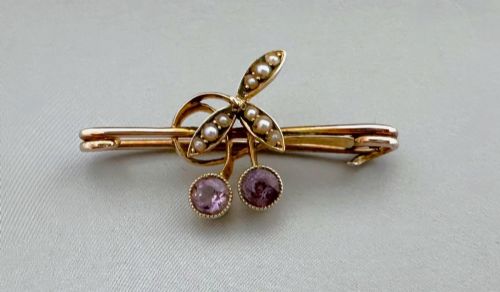
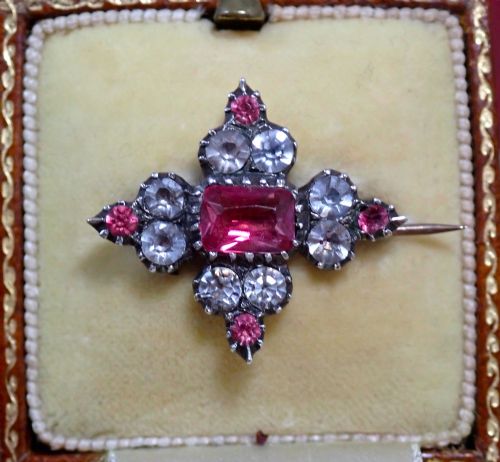
When you search for an antique dress pin brooch, you meet small fastening ornaments designed to secure collars, scarves, and lapels across centuries of changing fashion. The pieces on this page span Georgian, Victorian, Edwardian, and Art Deco periods, encompassing everything from simple bar pins to elaborate gem-set clusters.
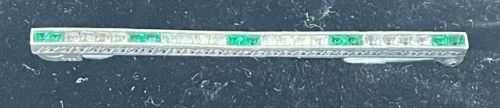
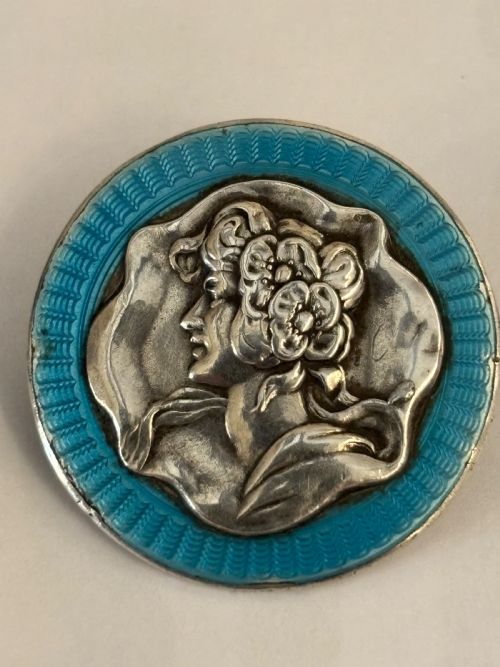
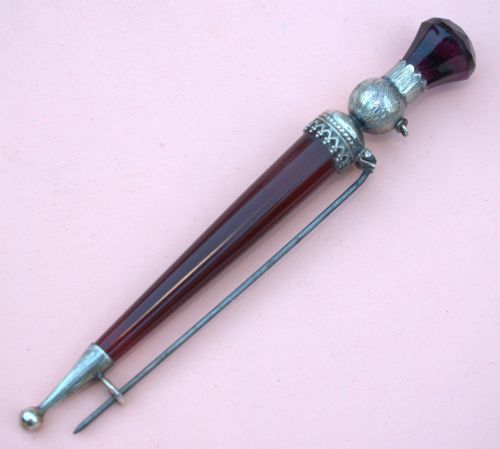
You are most likely to encounter platinum and diamond Art Deco bar brooches alongside Victorian gold and gemstone pieces and Edwardian silver enamel work. Forms range from practical kilt pins and broadsword designs to intricate floral motifs and geometric plaques.
Materials and construction methods
Maker workshops utilised precious metals including silver, 9ct gold, 15ct gold, 18ct gold, and platinum, often pairing them with diamonds, sapphires, rubies, garnets, pearls, and paste glass. Metalworking techniques combined traditional hand fabrication with early twentieth-century platinum setting methods to hold stones securely.
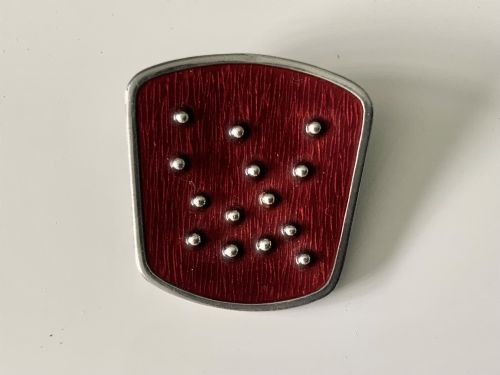
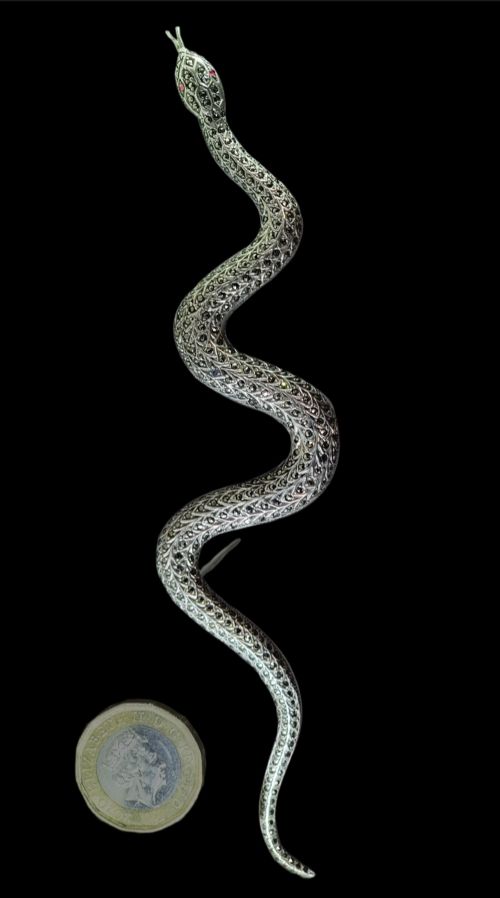
Surface decoration frequently involved guilloche enamel, black dot foiling, filigree wirework, and marcasite encrustation. Agate, chalcedony, rock crystal, onyx, and chrysoprase were shaped and polished to create contrasting panels within the metal frames.
Several brooches take the form of miniature broadswords, dirks, and crawling reptiles designed to startle dinner guests.
What distinguishes quality
Quality rests in the precision of the stone setting, the crispness of the metal piercing, and the integrity of the original pin mechanism and clasp. Pieces constructed with heavier platinum frameworks and well-matched, clean diamonds sit at the upper end of the scale.
Artisanal execution dictates value, separating standard production pieces from fine work featuring hand-cut gems, detailed enamel shading, and integrated safety catches that protect the wearer.
The Antique Dress Pin Brooch Glossary
- Bar brooch
- A horizontal pin featuring a central decorative motif mounted on a slender metal shaft. These forms were particularly popular during the Edwardian and Art Deco eras.
- Guilloche enamel
- Decorative metal surface covered with translucent enamel over an engine-turned mechanical pattern. This technique creates repeating geometric waves that catch the light.
- Marcasite
- Small faceted pieces of iron pyrite set into silver mounts to resemble glittering steel. It was widely utilised in Georgian and Art Deco jewellery.
- Flat cut garnet
- Almandine garnets shaped with unfaceted, flat table tops and shallow pavilions. This historic cutting style concentrates deep red colour in antique pieces.
Antique Dress Pin Brooch: Frequently Asked Questions
How were antique dress pin brooches worn?
These pieces served to fasten garments, secure lace collars, and pin scarves in place across different social occasions. They functioned as both practical fasteners and prominent decorative accessories.
Over time, wearers moved them from necklines to lapels, hats, and sashes as fashion silhouettes shifted through the Georgian, Victorian, and twentieth-century periods.
How do I date a brooch pin?
Dating relies on identifying the metal types, gemstone cuts, and artistic styles present in the construction. Georgian pieces often display closed-back foil settings, while Victorian items frequently incorporate chased gold and garnet or agate.
Edwardian examples favour platinum and delicate lace-like silver work, whereas Art Deco pieces show geometric symmetry, calibré-cut stones, and stylized floral motifs.
Can I wear an antique brooch daily?
Daily wear is possible when the pin stem remains strong and the original clasp securely locks shut. Heavier platinum and diamond pieces handle regular use well, provided the settings hold firm.
Lighter silver filigree or enamel items require more care to avoid bending the delicate wirework or chipping the surface glass and enamel.