



Antique Dress Clasp
These antique dress clasp options are fastening accessories spanning the Georgian era to the Edwardian period, sought after for their intricate metalwork and historic utility.
Antique Dress Clasp
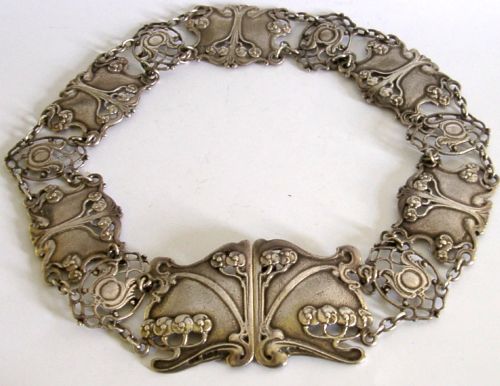
When you search for an antique dress clasp, you are examining fastening accessories that secured garments, belts, shoes, and capes across centuries of fashion. The selection here ranges from eighteenth century shoe buckles to Edwardian belt fasteners and nursing buckles.
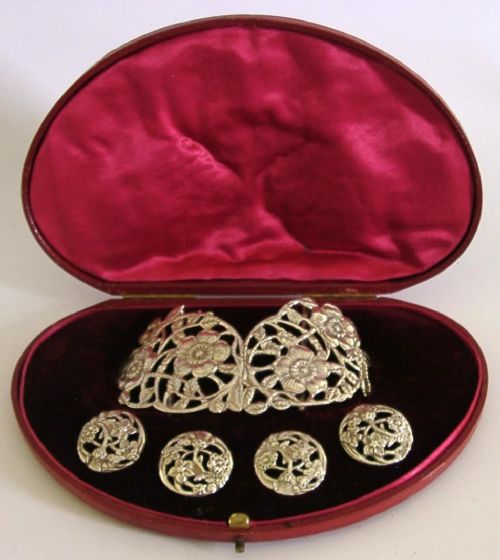
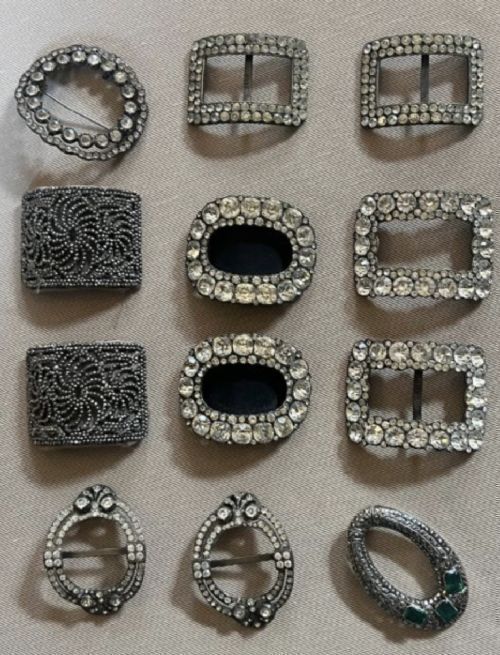
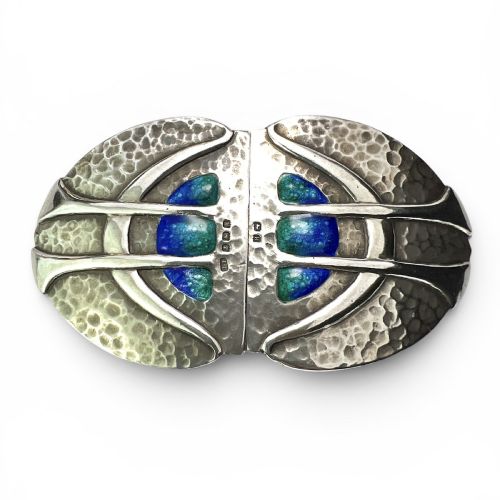
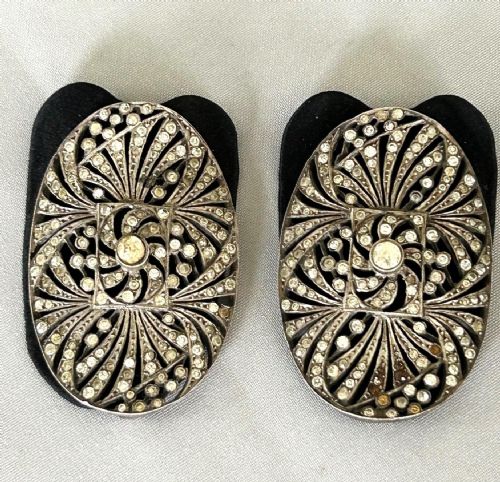
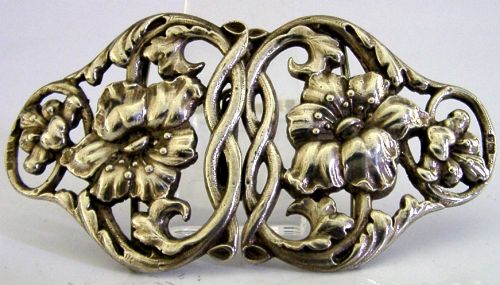
Georgian examples often feature steel, paste glass, and silver configured for footwear or formal attire. Later Edwardian iterations lean into belt buckles and brooches driven by Art Nouveau and Arts and Crafts aesthetics.
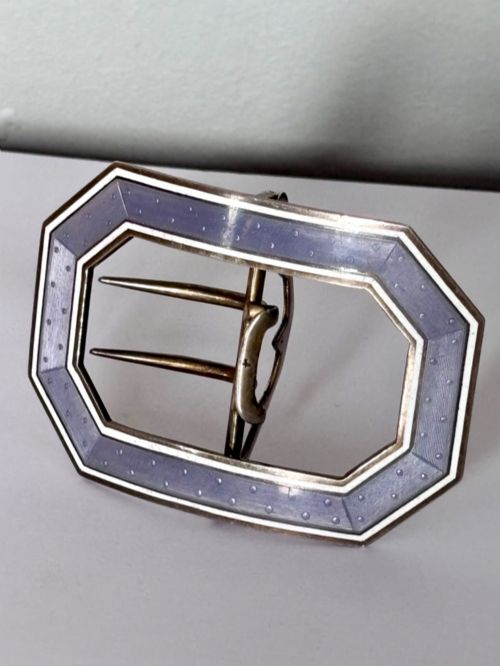
The objects cross multiple regions, incorporating English, French, and Danish designs executed in diverse metals. You will encounter cast silver, enamel, and even damascene steel within this specific category of antique adornment.
Assessing quality
Quality rests upon the crispness of the cast metalwork and the security of the stones or enamel panels. Superior pieces display precise detailing in organic motifs and clean execution of filigree or engraved lines.
Maker marks and clear assay hallmarks elevate certain items, demonstrating documented British or continental provenance. The integrity of the original fastening mechanism and the retention of all paste stones or enamel further distinguish finer examples.
Antique Dress Clasp Retail Price Guide 2026
Typical asking prices for dress clasp among the pieces listed under this phrase on Sellingantiques today, from the lower quarter to the upper quarter. They describe what is for sale here now, not the wider market.
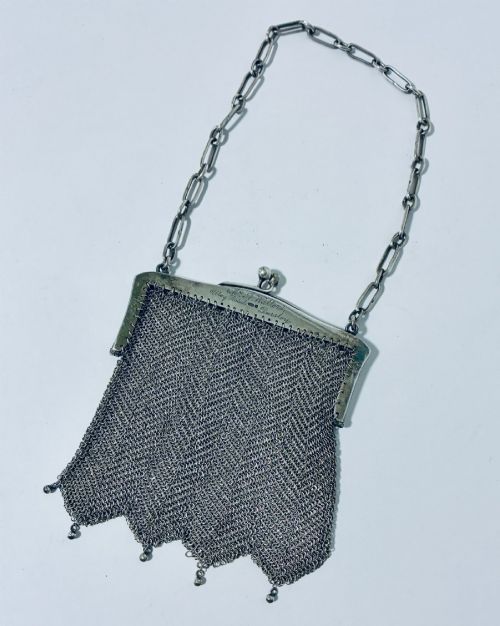
Matron nurses needed sturdy silver fasteners to survive hospital wards.
James Fenton·Liberty's·Henry Matthews·Piel Freres·Peter Behrens
The Antique Dress Clasp Glossary
- Paste glass
- Faceted glass used to imitate gemstones in eighteenth and nineteenth century jewellery. It is hand-cut and foil-backed to enhance brilliance.
- Damascene steel
- The art of encrusting different metals into a dark oxidised steel background. This technique creates intricate patterned surface designs.
- Vitreous enamel
- Glass powder fused to a metal surface through high-temperature firing. This process produces durable, glossy coloured decoration.
- Filigree
- Delicate jewellery metalwork formed from fine twisted wire soldered together. It creates an open lace-like pattern.
- Sknvirke
- The Scandinavian variant of Art Nouveau style. It is represented here through distinctive regional silverwork.
Antique Dress Clasp: Frequently Asked Questions
How do I date an antique buckle?
Dating relies on stylistic markers such as the flowing organic lines of Art Nouveau or the symmetrical paste-set arrangements of the Georgian period. Hallmarks and maker stamps provide precise chronological verification when present.
Material composition also assists attribution, as specific enamel techniques and metal alloys align with distinct manufacturing decades.
Were these clasps worn daily?
Many items served practical daily functions, securing shoes, belts, or nurse uniforms during active wear. Others remained reserved for formal evening attire.
Sturdier steel and silver examples endured regular use, whilst delicate paste glass versions saw more selective social occasions.
How should I clean silver buckles?
Silver components require gentle dusting with a soft cloth to preserve patination and avoid abrasive wear. Enamel and paste glass sections must be kept away from harsh chemical dips.
Professional consultation is recommended for pieces with delicate filigree or vulnerable stone settings.
What is paste glass?
Paste glass is lead glass cut and polished by hand to imitate diamonds and precious gemstones. Artisans set these stones into silver or steel frames.
It achieved widespread popularity during the Georgian period for its brilliant light-refracting qualities.