

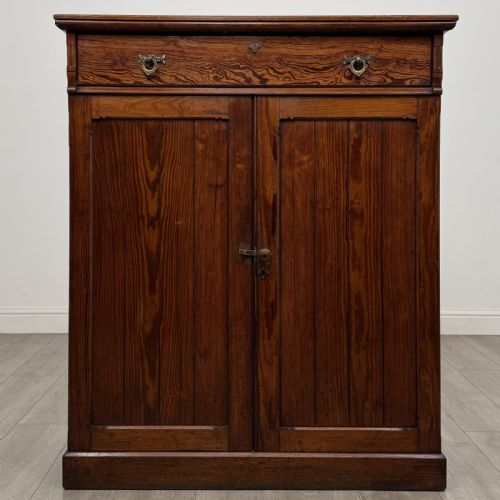
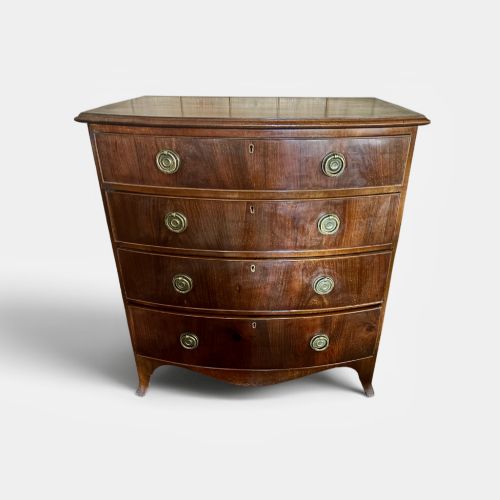
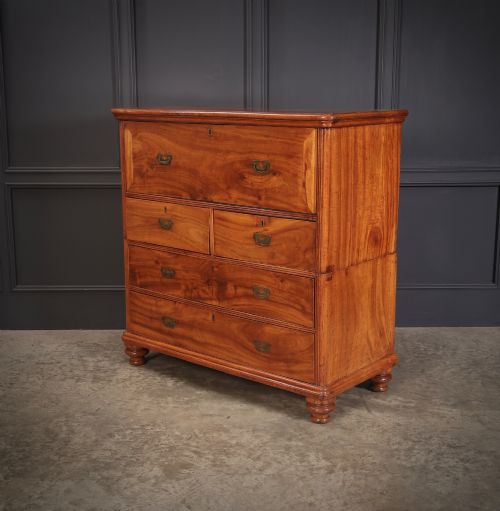
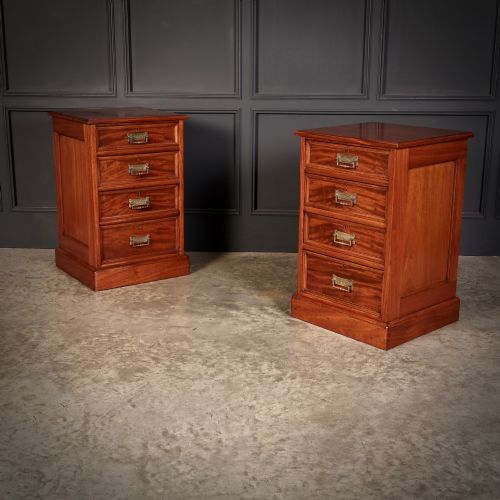
Antique Drawers with Brass Handles
Antique drawers with brass handles combine functional storage with period craftsmanship, bringing enduring timber character and solid metal hardware into living spaces.
Antique Drawers with Brass Handles
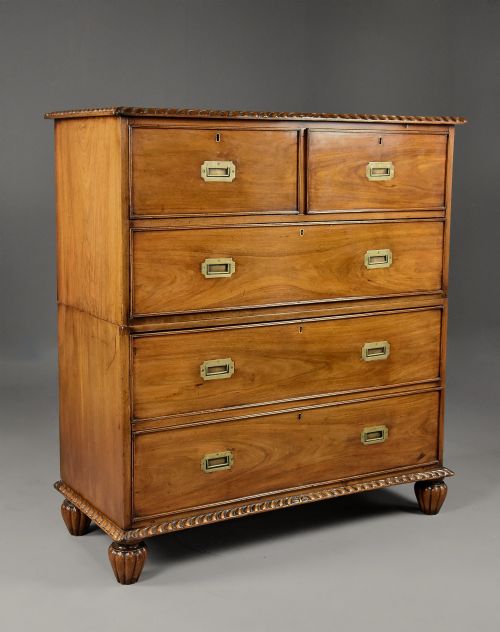
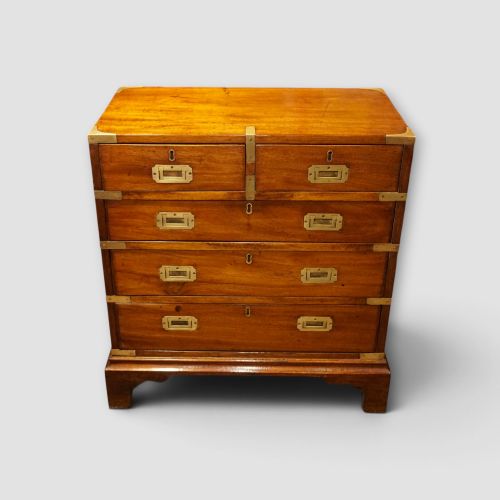
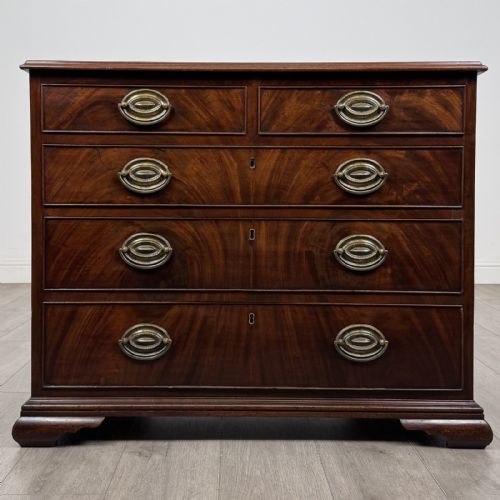
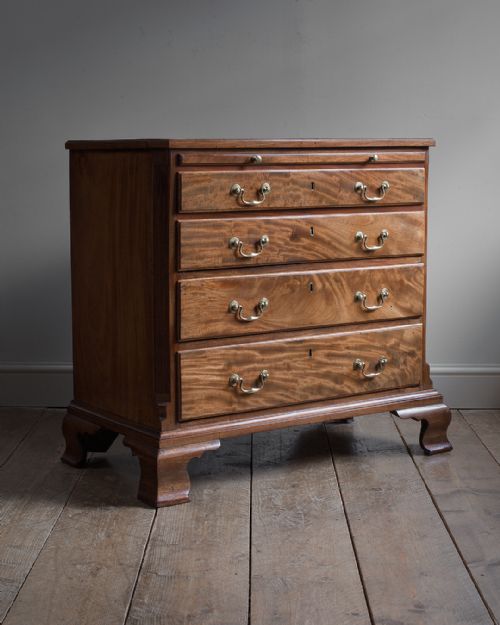
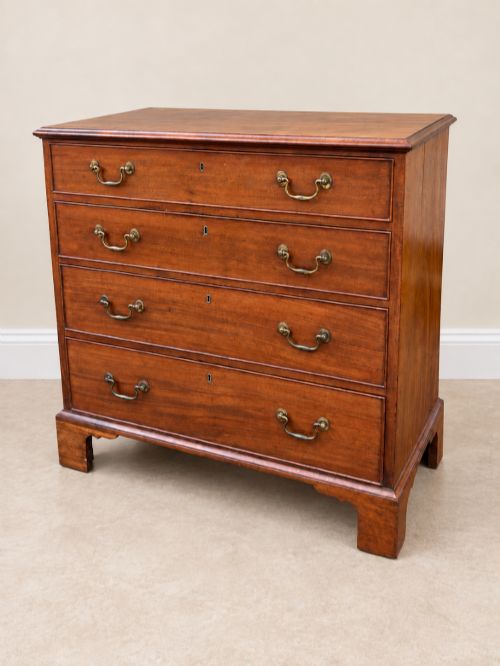
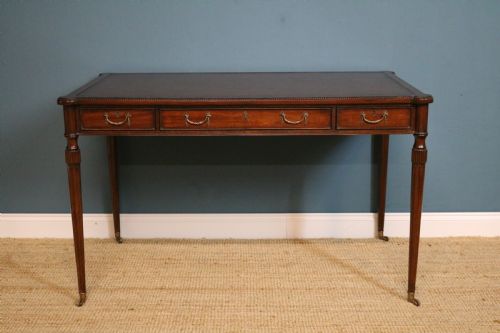
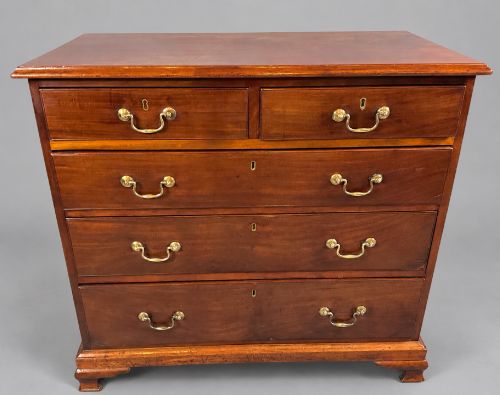
When you search for antique drawers with brass handles, you encounter a diverse selection of storage and writing furniture spanning several centuries. The pieces range from tall chests on chest and compact bachelor chests to writing desks, bureaux, mule chests, and serving tables.
Mahogany and oak dominate the selection, often accompanied by walnut, satinwood, pine, and wood inlay. Originating across Georgian, Victorian, and Edwardian periods, as well as the eighteenth and nineteenth centuries, these items reflect domestic and campaign uses from various regional workshops.
Craftsmanship and Survival
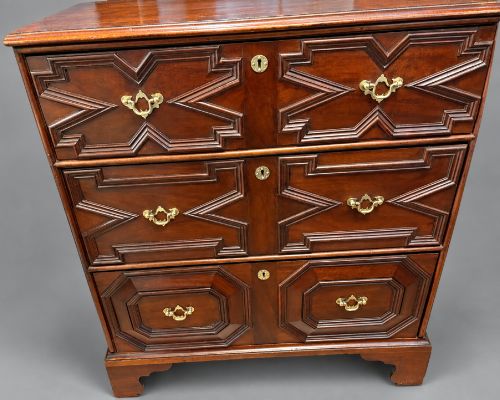
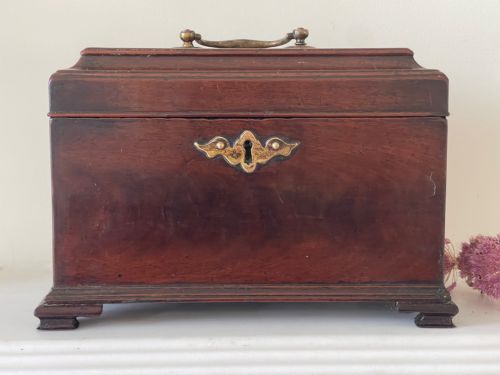
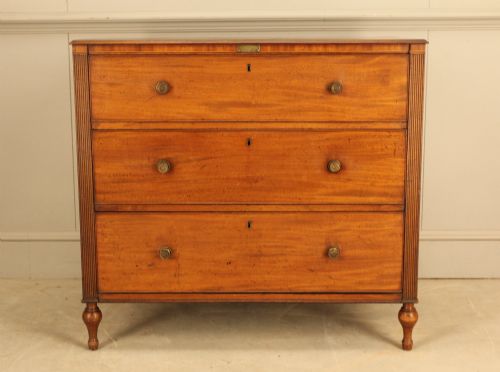
The degree of refinement in timber selection and decorative detailing distinguishes finer examples, such as those featuring blind fret cornices, carved pillars, or crossbanded tops. The retention of original hardware, including brass pulls, label holders, and shell pulls, preserves historical integrity.
Structural survival through centuries of use depends on timber stability and the preservation of original bracket feet, fall fronts, and sliding writing surfaces without excessive intervention.
Antique Drawers with Brass Handles Retail Price Guide 2026
Typical asking prices for drawers with brass handles among the pieces listed under this phrase on Sellingantiques today, from the lower quarter to the upper quarter. They describe what is for sale here now, not the wider market.
Several chests conceal secret drawers and sliding top panels designed to outwit curious guests and secure valuables.
Blyth and Son
The Antique Drawers with Brass Handles Glossary
- Brushing slide
- A pull-out wooden shelf positioned above the top drawers, historically used for dusting garments or writing brief notes. It slides flush into the cabinet frame when not in use.
- Bachelor chest
- A compact chest of drawers featuring a fold-over top or pull-out writing surface, designed for domestic correspondence and personal storage. These pieces date predominantly from the eighteenth and nineteenth centuries.
- Chest on chest
- A tall case furniture form comprising a smaller upper chest stacked directly upon a wider lower chest, providing substantial vertical storage. Also known as a tallboy.
- Campaign furniture
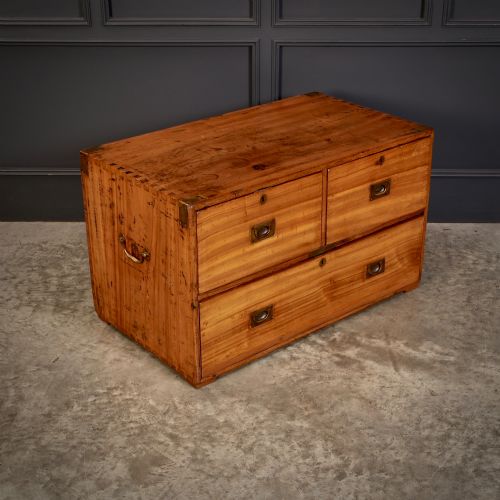
- Portable storage and desks built in sections with recessed brass fittings, designed for easy dismantling and transport by military officers on campaign during the nineteenth century.
- Lowboy
- A small side table or dressing table with drawers, typically supported on slender legs and produced during the eighteenth century in oak or mahogany.
Antique Drawers with Brass Handles: Frequently Asked Questions
What is a brushing slide used for?
A brushing slide provides a convenient pull-out shelf surface integrated into the upper section of a chest. It allows a person to write or sort items quickly without opening the main drawers.
In period interiors, these sliding boards also served as a clean space for brushing clothes or holding accessories.
How do I date a chest of drawers?
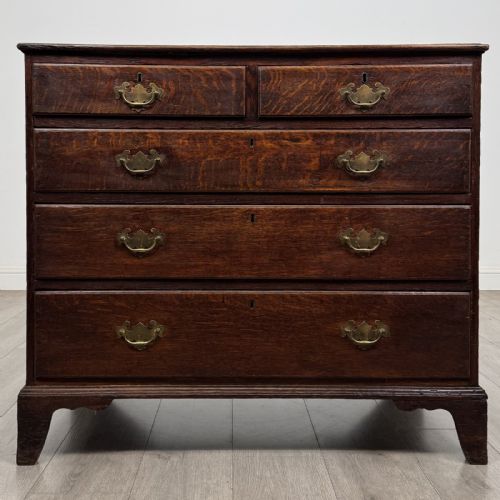
Dating relies on observing construction methods, timber choices, and hardware styles across different eras. Georgian pieces often display oak drawer linings and bracket feet, whereas Victorian examples introduce mahogany veneers and distinct aesthetic influences.
Key indicators include the presence of original brass handles, hand-cut dovetails, and secondary woods like pine or oak inside the cabinet.
Where should I place a campaign chest?
Campaign chests suit bedrooms, studies, and living rooms due to their sturdy proportions and flat sides. Their modular design and inset brass handles allow them to sit flush against walls or function as freestanding room accents.
Keeping them away from direct heat sources helps preserve the mahogany or oak timber and prevents movement in the brass fittings.